Main Courses
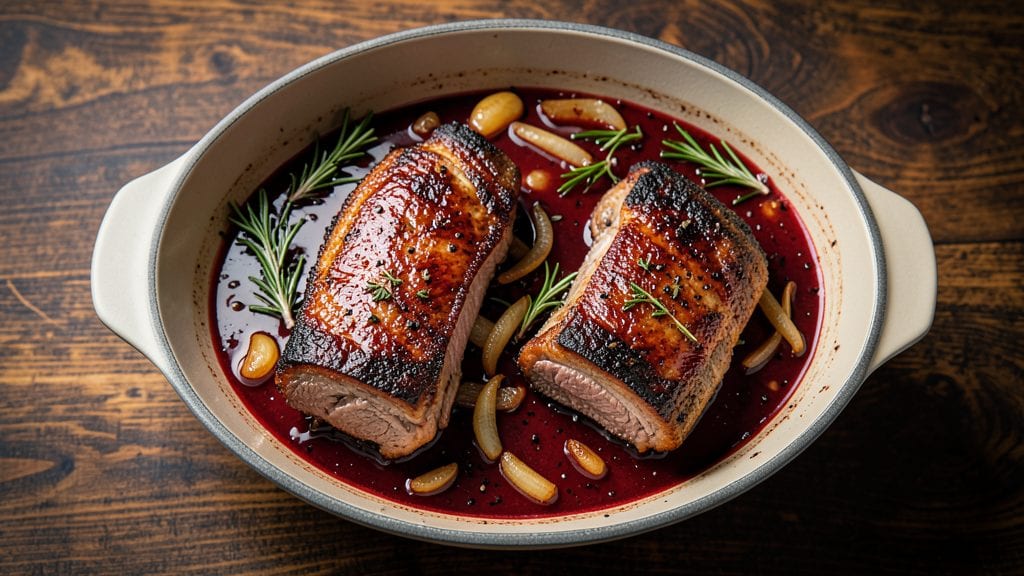
Mastering Gordon Ramsay’s braised beef short ribs delivers restaurant-quality richness in your own kitchen. The secret lies in slow-cooking tough cuts until they fall apart—transforming simple ingredients into a deeply flavorful, umami-packed masterpiece.
I’ve refined this technique over years, ensuring every bite is tender, caramelized, and packed with depth that rivals Michelin-starred results.
This recipe demands patience but rewards with effortless elegance. You’ll start with a deep sear to develop a flavorful crust, then braise the ribs in a rich liquid of red wine, tomatoes, and aromatics.
The slow cook transforms tough meat into melt-in-your-mouth perfection, while the reduced sauce delivers a velvety finish. No shortcuts—just precise, professional results.
By the end, you’ll have short ribs so tender they practically dissolve, bathed in a glossy, caramelized sauce that clings to every bite. The aroma alone will have everyone gathering at the table, and the presentation—golden-brown meat with a glossy sheen—makes it feel like a special occasion.
This is comfort food elevated to fine dining.
Pair with creamy mashed potatoes or crusty bread to soak up every last drop of that luxurious sauce. The technique is foolproof, but the flavor is anything but basic. Let’s get cooking—your taste buds will thank you.
Ingredients for gordon ramsay braised beef short ribs
Four pounds of beef short ribs and fifteen ingredients transform into Michelin-worthy braised perfection.
| Ingredient | Amount | Notes |
|---|---|---|
| Beef Short Ribs 🥩 | 4 lb | Bone-in, cut into 2-inch pieces |
| All-Purpose Flour 🌾 | ½ cup | For dredging meat |
| Kosher Salt 🧂 | 1 ½ tbsp | Diamond Crystal preferred |
| Freshly Ground Black Pepper 🌶️ | 1 tbsp | Cracked over ribs |
| Unsalted Butter 🧈 | ½ cup | Full-fat for richness |
| Yellow Onion 🧅 | 1 whole | Diced, yellow or red |
| Garlic Cloves 🧄 | 6 cloves | Minced, fresh preferred |
| Carrots 🥕 | 2 whole | Peeled, cut into chunks |
| Celery Stalks 🥬 | 3 whole | Diced, with leaves |
| Dry Red Wine 🍷 | 1 ½ cups | Cabernet Sauvignon or Merlot |
| Beef Broth 💧 | 2 cups | Homemade or high-quality store-bought |
| Tomato Paste 🍅 | 2 tbsp | Smooth, not chunky |
| Fresh Thyme Leaves 🌿 | ¼ cup | Stems removed, or 1 tsp dried |
| Fresh Rosemary 🌿 | 1 sprig | Wooden spoon for crushing |
| Bay Leaves 🍃 | 2 whole | Fresh if available |
The ribs are non-negotiable—bone-in cuts with good marbling deliver the best flavor. Whole Foods or your local butcher shop are ideal for sourcing; ask for bone-in beef short ribs cut into 2-inch pieces. If pre-cut, ensure they're uniform in size so they cook evenly. For the aromatics, Trader Joe's often carries pre-diced onion, carrot, and celery mixes, saving you chopping time. The red wine should be dry and bold—Caymus or Apothic are reliable choices, but whatever's open in your cabinet works too. Fresh herbs make all the difference here, so grab a bunch of thyme and rosemary from the grocery store's produce section—look for vibrant, fragrant stems.
No red wine? Beef broth with a splash of balsamic vinegar mimics the acidity and depth. Substitute dried thyme at one-third the amount, but fresh is worth the effort. Pre-diced onion and carrot mixes from the grocery store free up prep time without sacrificing flavor. The tomato paste can be swapped for a small can of crushed tomatoes if you prefer, though the paste gives better control over the sauce's thickness. For the butter, Plugrá or Land O'Lakes are reliable choices, but any full-fat butter will do. The key is to keep the fat content high—this sauce needs richness to shine.
The ribs keep best in the fridge for 3-4 days before braising, allowing the meat to relax and tenderize further. Once cooked, the sauce reheats beautifully—simmer gently to avoid breaking the emulsion. Portion the ribs and sauce into airtight containers for 4-5 days of meal-prep perfection. For longer storage, freeze the ribs and sauce separately for up to 3 months. The sauce can be reheated directly from frozen, though it may need a splash of water or broth to loosen it.
Why You'll Love This Recipe
- One-Pan Magic: I swear by this recipe when I’m too tired to scrub pots—just sear the ribs, toss in flour, butter, and pepper, then let the oven do the work. The rich sauce clings to everything, so cleanup is just wiping one pan.
- Crispy-Tender Bliss: That buttery crust on the outside? Chef’s kiss. The flour coating caramelizes while the meat stays fork-tender—exactly how I like my short ribs: crispy edges hugging melt-in-your-mouth perfection.
- Weeknight to Dinner Party: Same recipe, different vibes. Toss it together for a lazy Tuesday or dress it up with fresh herbs for guests. The ribs feed four heartily, so I’m never scrambling for seconds.
- Leftover Luxury: Between us, the second day is even better. The ribs pull apart easier, and the sauce thickens into a velvety glaze. I freeze half for when I’m too lazy to cook—or when my kids beg for “Dad’s fancy ribs” again.
Step-by-step instructions for braised beef short ribs
Here's how to transform tough short ribs into melt-in-your-mouth perfection using Ramsay's signature braising technique.
Prepare and Sear the Beef Short Ribs
Pat the 4 lb beef short ribs completely dry with paper towels - this ensures maximum browning. In a large bowl, combine the 0.5 cup all-purpose flour, 1.5 tbsp kosher salt, and 1 tbsp freshly ground black pepper. Toss the ribs in this mixture until evenly coated, shaking off any excess.
Heat 0.25 cup unsalted butter in a heavy Dutch oven over medium-high heat. Working in batches if needed, sear the ribs for 3-4 minutes per side until deep golden brown. Don't crowd the pan - you want that beautiful crust to form. Transfer the seared ribs to a plate and set aside. Here's the thing - this initial sear builds the flavor foundation that makes all the difference in the final dish.
Build the Flavor Base with Aromatics
In the same Dutch oven, reduce heat to medium and add the remaining 0.25 cup unsalted butter. Add the diced 1 whole yellow onion, chopped 2 whole carrots, and diced 3 whole celery stalks. Cook for 8-10 minutes, stirring occasionally, until the vegetables begin to soften and develop color.
Add the 6 cloves minced garlic, 2 tbsp tomato paste, 0.25 cup fresh thyme leaves, and 1 sprig fresh rosemary (crush it lightly with a wooden spoon to release the oils). Stir everything together for 1-2 minutes until fragrant. This aromatic base forms the flavor backbone of your braise. The tomato paste will deepen the color and add umami complexity that's essential for that restaurant-quality result.
Deglaze and Simmer the Braise
Pour in the 1.5 cups dry red wine, scraping up all the browned bits from the bottom of the pot with a wooden spoon. This deglazing step captures all that concentrated flavor that would otherwise go to waste. Let the wine simmer for 3-4 minutes until reduced by about half.
Add the 2 cups beef broth and 2 whole bay leaves, then return the seared ribs to the pot. Bring to a gentle simmer, then reduce heat to low and cover. Here's the critical part: you want just enough liquid to come about halfway up the ribs. If needed, add a splash of water or broth to reach this level. The ribs will braise for 2.5-3 hours until fork-tender, with the meat falling away from the bone easily.
Finish and Rest for Maximum Tenderness
Once the ribs are tender, remove them from the pot and let them rest on a plate. Strain the braising liquid through a fine-mesh sieve into a clean saucepan, discarding the vegetables and herbs. Return the liquid to medium-high heat and simmer uncovered for 10-15 minutes to reduce slightly and intensify the flavor.
Return the ribs to the pot and spoon the reduced braising liquid over them. Let everything rest together for 10 minutes before serving. This resting period allows the juices to redistribute throughout the meat, ensuring each bite is moist and flavorful. The sauce should coat the back of a spoon with a glossy sheen - that's your sign of perfection.
Pro Tips For Making Gordon Ramsay Braised Beef Short Ribs
- Sear Until Black: DESCRIPTION: I learned this the hard way—don’t rush the sear. Get that Dutch oven screaming hot, then walk away for 3-4 minutes while the ribs develop a deep crust. The butter will foam like crazy, but resist the urge to stir until it’s properly browned. That crust locks in flavor, and cutting corners here means a meal that tastes more like "weeknight dinner" than "restaurant-worthy."
- Pat Dry, Then Salt: DESCRIPTION: Wet ribs? Big mistake. After searing, wipe them down with paper towels to remove any residual moisture—this guarantees a proper crust when you flour them. Then, salt generously (about 1.5 teaspoons per pound) before coating in flour. The salt dissolves into the meat, and the flour sticks better to dry surfaces. Skip this, and you’ll end up with a pasty, uneven coating.
- Deglaze Aggressively: DESCRIPTION: That browned butter and meat fond? Don’t let it sit. As soon as you remove the ribs, pour in the wine (or broth) and scrape every last bit from the bottom with a wooden spoon. I used to think I was being thorough, but now I make sure to work the spoon in circles, even in the corners. This isn’t just for flavor—it’s where half the depth comes from.
- Low and Slow Means 2.5 Hours: DESCRIPTION: I know, I know—you’re eager. But covering the pot and simmering at 300°F (150°C) for at least 2.5 hours is non-negotiable for tender ribs. After 2 hours, check for doneness by poking with a fork; if it slides in like butter, you’re close. Any less time, and you’ll have chewy, undercooked meat that’ll make you question your life choices. (Yes, even if you’re impatient like me.)
Best sauces and condiments for this recipe
Red Wine Reduction
The classic braising liquid for these short ribs is a rich red wine reduction that forms the velvety sauce. I use 1.5 cups dry red wine (Cabernet Sauvignon or Merlot) deglazed with aromatics, then reduced by half to create a concentrated base.
The wine's acidity tenderizes the meat while its depth of flavor builds complexity. For extra richness, add 2 tbsp brandy when deglazing—it burns off quickly but leaves behind incredible aroma and flavor. 🍷
Thyme-Infused Beef Broth
After braising, I strain the liquid through a fine-mesh sieve to remove solids, then reduce it further to create a glossy, caramelized sauce. The key flavor comes from the 0.25 cup fresh thyme and 1 sprig rosemary infused during cooking.
For a deeper umami profile, add 1 tsp fish sauce or 1 tbsp soy sauce to the braising liquid—it enhances the meat's natural richness without overpowering. The sauce should coat the back of a spoon, clinging beautifully to each tender rib.
Butter-Basted Finishing Sauce
For a restaurant-quality finish, stir in 2 tbsp cold unsalted butter at the end while the sauce simmers. The butter adds silky texture and balances the acidity. I also like to add 1 tsp balsamic glaze just before serving for a touch of sweetness that cuts through the richness.
The butter should melt into the sauce, creating a glossy sheen that makes the dish look as good as it tastes. 💛
Herb Garnish Options
Fresh herbs elevate the presentation and add brightness. I sprinkle chopped parsley or thyme leaves just before serving for a pop of color. For a more dramatic look, add edible flowers like nasturtiums—their peppery bite complements the rich sauce.
A drizzle of truffle oil (just ½ tsp) adds luxurious depth without overpowering the dish. Garnish lightly to let the meat shine.
Spicy Kick Variations
If you love heat, add 1 tsp smoked paprika or ½ tsp cayenne pepper to the braising liquid for subtle warmth. For a bolder kick, stir in 1 tbsp harissa paste during the final reduction.
The spices mellow as they cook, creating a slow-building heat that pairs perfectly with the tender meat. I recommend starting with less—you can always add more later. 🌶️
Creamy Mushroom Addition
For a richer sauce, sauté 8 oz sliced mushrooms with the aromatics and add them to the braising liquid. The mushrooms release their umami juices, deepening the flavor. After braising, blend the strained sauce with ½ cup heavy cream for a velvety finish.
This works especially well if you're serving the ribs with creamy mashed potatoes or polenta.
Nutrition facts
Frequently asked questions
How long should I braise the beef short ribs for perfect tenderness?
The ribs need 2.5-3 hours of low-and-slow braising to achieve melt-in-your-mouth tenderness. Use a meat thermometer for accuracy—when the internal temperature reaches 203°F, the collagen has fully broken down, and the meat will practically fall apart.
Can I use bone-in or boneless beef short ribs for this recipe?
This recipe is designed for bone-in beef short ribs—they stay more flavorful and tender during braising. Boneless cuts will cook faster but may dry out. If using boneless, reduce braising time to 2 hours and keep the liquid level slightly higher to prevent drying.
What's the best way to store leftovers to keep the ribs tender?
Store ribs and sauce together in an airtight container in the fridge for 4-5 days. Reheat gently in a saucepan with a splash of broth or water to prevent drying. For longer storage, freeze for up to 3 months—thaw overnight in the fridge before reheating.
Why did my sauce turn out too thin or too thick?
A thin sauce usually means the liquid wasn't reduced enough. Simmer uncovered for 10-15 extra minutes to thicken. If too thick, whisk in 1-2 tbsp beef broth while warm. For a glossy finish, stir in 1 tbsp cold butter at the end—it emulsifies beautifully.
Can I make this recipe in a slow cooker instead of a Dutch oven?
Yes! Sear the ribs first, then transfer everything to a slow cooker. Cook on low for 6-8 hours or high for 4-5 hours. The ribs will be tender, but the sauce may be thinner—reduce it on the stovetop afterward. For best results, use a Dutch oven for the sear and sauce reduction.