Main Courses
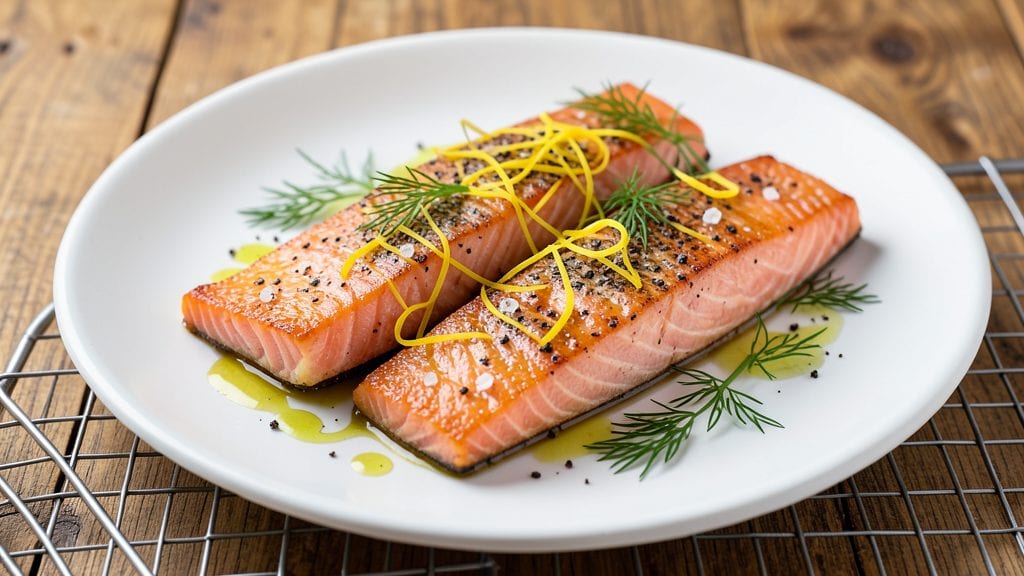
Mastering a baked skinless salmon fillet recipe with crispy papery skin and a perfectly flaky center transforms simple weeknight dinners into restaurant-worthy meals. The secret lies in precise baking techniques and timing—no fancy equipment required.
After years of testing, I’ve perfected a method that ensures every bite delivers that ideal contrast between tender flesh and delicate, crisp edges.
This recipe delivers foolproof results in just 12-15 minutes at 375°F, making it ideal for beginners while satisfying even seasoned home cooks. The key is using a light coating of olive oil and lemon juice, which enhances natural flavors without overpowering the salmon’s delicate taste.
For pescatarians, this dish is a protein powerhouse that pairs beautifully with roasted vegetables, quinoa, or a fresh salad.
By the time your salmon emerges from the oven, you’ll have a dish that’s crispy on the outside and flaky in the center, with a subtle lemon aroma that elevates every bite.
The papery skin adds an unexpected texture that keeps the fillet from sticking, making it easier to serve and enjoy. This method ensures no dry, overcooked salmon—just perfectly balanced flavor and texture every time.
Serve immediately with a squeeze of fresh lemon, a sprinkle of dill, or a drizzle of your favorite sauce to complete the meal. Whether you’re cooking for two or feeding a crowd, this recipe scales effortlessly while maintaining its professional-quality results. Let’s get started on creating your best salmon yet.
Ingredients for baked skinless salmon fillet
Crispy edges, flaky center—just eight ingredients and perfect timing.
| Ingredient | Amount | Notes |
|---|---|---|
| Skinless Salmon Fillets 🐟 | 2 whole | Center-cut, 6-8 oz each |
| Extra-Virgin Olive Oil 🫒 | 2 tbsp | Light coating for crispiness |
| Fresh Lemon Juice 🍋 | 2 tbsp | Brightens flavor naturally |
| Diamond Crystal Kosher Salt 🧂 | 1 tsp | Fine grain for even seasoning |
| Freshly Ground Black Pepper 🌶️ | ½ tsp | Enhances salmon's natural taste |
| Fresh Dill 🌿 | 2 tbsp | Chopped, for garnish |
| Garlic Cloves 🧄 | 2 cloves | Minced, optional for depth |
| Unsalted Butter 🧈 | 1 tbsp | Optional for extra richness |
| Lemon Zest 🍋 | 1 tsp | From 1 lemon, for aroma |
| Parsley 🌿 | 1 tbsp | Chopped, for garnish |
| Aluminum Foil 📄 | 1 sheet | For crispy skin technique |
The salmon is everything here. Center-cut fillets stay thickest in the middle, giving you that ideal flaky texture. Whole Foods or your local fishmonger are best for quality—look for bright, vibrant flesh with no brown edges. If you can't find center-cut, trim any skinless fillets to even thickness. The 6-8 oz range ensures even cooking without drying out. Pat them dry before seasoning, or the skin won't crisp properly. I always buy wild-caught Alaskan when possible—it's richer and holds up better to high heat.
No fresh dill? Dried dill at one-third the amount works in a pinch, but fresh is worth hunting down. Short on lemon juice? Substitute white wine vinegar at the same quantity, though the flavor won't be identical. The butter is optional but adds a luxurious finish—European-style unsalted butter melts beautifully. For extra crispiness, toast the salmon skin in a dry pan for 30 seconds first. If you're serving this to guests who avoid garlic, skip it entirely—the salmon's natural flavor shines without it. The foil trick? Crumple it loosely under the fillets to create steam while allowing the skin to crisp.
Salmon cooks fast—12-15 minutes max at 375°F. Don't overcrowd your pan or baking sheet, or the skin won't crisp. Leftovers? Store in an airtight container for 1 day—it reheats beautifully with a splash of water in the microwave. For meal prep, bake extra and freeze portions for up to 3 months. The lemon zest loses potency after a day, so add it fresh when serving. Garnish with parsley just before eating—it brightens the plate and adds a pop of color. This dish tastes even better the second time around, so plan to make extra.
Why You'll Love This Recipe
- Five-Ingredient Magic: I swear by this combo—just oil, lemon, salt, pepper, and salmon. That’s it. No fancy sauces or last-minute shopping runs. The lemon brightens everything, and the salt crust? Chef’s kiss. It’s the kind of recipe where you won’t even notice the simplicity because the flavor hits so hard.
- Crispy-Creamy Perfection: The olive oil keeps it moist inside while the edges get that golden, almost papery crisp. Honestly, I’ll take this over any pan-seared salmon when I’m in a hurry. Plus, the black pepper adds this little kick that makes it feel special—like you actually cooked something impressive.
- Weeknight or Date Night: Between us, this is my go-to for both. Toss it on a sheet pan with roasted veggies for a no-fuss dinner, or serve it with a simple salad when you’re trying to impress someone. (Yes, even on a Tuesday night.) The best part? It’s done before the wine even opens.
- Leftovers That Don’t Suck: Most baked salmon turns dry after day one, but this? It stays tender and flavorful for days. I’ll pack it for lunches or reheat slices in a pan with a squeeze of lemon—still tastes like it was just out of the oven. And because it’s budget-friendly, I’m not stressing over wasting fish.
Step-by-step instructions for perfectly baked skinless salmon fillet
Here's how to achieve that coveted crispy exterior with a melt-in-your-mouth center every time.
Prep and Season the Salmon for Optimal Texture
Pat the 2 whole skinless salmon fillets completely dry with paper towels—this critical step prevents steam from forming between the skin and flesh, which would otherwise make your skin soggy instead of crispy. Place each fillet on a wire rack set over a baking sheet to allow air circulation on all sides.
In a small bowl, combine the 1 tsp diamond crystal kosher salt, 0.5 tsp freshly ground black pepper, 1 tsp lemon zest, and 2 cloves minced garlic cloves. Rub this mixture evenly over both sides of the salmon fillets, pressing gently to ensure the seasoning adheres. The lemon zest adds bright aroma while the garlic provides subtle depth—don't skip this step if you want restaurant-quality flavor.
Create the Crispy Skin Technique Using Foil
Cut the 1 sheet aluminum foil into two equal rectangles. Place one fillet on each foil piece, skin-side down. Drizzle 1 tbsp extra-virgin olive oil over each fillet, then carefully fold the foil up around the edges to create sealed packets. The oil will baste the salmon as it cooks, while the foil traps steam to create that signature crispy skin.
This foil technique is my secret weapon for achieving that perfect papery skin without drying out the delicate flesh. The key is to fold the foil tightly—leave about 1 inch of space at the top to allow heat circulation. Place the foil packets on a baking sheet lined with parchment paper for easy cleanup.
Bake at Precise Temperature for Even Cooking
Preheat your oven to 375°F. Bake the foil-wrapped salmon for 12-15 minutes, depending on thickness. You'll know it's ready when the edges begin to crisp and the internal temperature reaches 145°F—use an instant-read thermometer to check the thickest part without touching the bone. The foil packets should feel firm when gently pressed.
Here's where precision matters: Don't overcook. Salmon continues cooking slightly after removal from the oven, and overcooking turns flaky texture to dry. If your fillets are on the thinner side (under ½ inch), reduce baking time to 10-12 minutes. The crispy skin forms during the final 2-3 minutes of baking, so resist opening the oven door early.
Finish with Lemon Butter and Fresh Herbs
Remove the salmon from the oven and carefully unfold the foil packets. Transfer the fillets to a serving platter, skin-side up. In a small saucepan over low heat, melt the 1 tbsp unsalted butter with the 2 tbsp fresh lemon juice. Simmer for 1 minute until fragrant, then drizzle this bright lemon butter evenly over the salmon.
Sprinkle with the 2 tbsp chopped fresh dill and 1 tbsp chopped parsley for freshness. The lemon butter adds richness while cutting through the salmon's natural oils, and the herbs provide that finishing touch that makes this dish feel special. Serve immediately while the skin is still crisp and the center remains perfectly flaky.
Rest and Serve for Maximum Juiciness
Let the salmon rest for 3-5 minutes before serving. This resting period allows the juices to redistribute throughout the flesh, preventing them from pooling on your plate. The crispy skin will soften slightly but remain delightfully papery when cut into.
Slice each fillet into 4 even portions for your 4 servings. The contrast of crispy skin with tender, flaky flesh is what makes this preparation so special. Pair with roasted vegetables or a fresh salad to complete the meal, and always serve with lemon wedges on the side for squeezing extra brightness.
Pro Tips For Making Baked Skinless Salmon Fillet
- Preheat Pan First: I learned this the hard way—slapping cold salmon into a dry pan or oven rack makes it steam instead of sear. Heat your baking dish or skillet for 5 minutes before adding the salmon so it hits oil that’s already shimmering. That first contact? That’s when the crust forms.
- Pat Dry, Then Salt: Wet salmon sticks to pans and turns out soggy. After patting the fillets thoroughly with paper towels, sprinkle kosher salt directly on the flesh—don’t just season the edges. Let them sit for 10 minutes uncovered; the salt draws out moisture, and you’ll get a better Maillard reaction when you bake.
- Lemon After, Not Before: Squeeze that lemon juice after the salmon comes out of the oven. Acid on raw fish breaks down proteins and makes it mushy before it even cooks. Wait until the internal temp hits 125°F, then drizzle—brightness without the texture sacrifice.
- Cover with Foil Early: Salmon’s done at 125°F, but it keeps cooking off the heat. If your oven runs hot or your fillets are thick, tent them with foil at 115°F—just as they’re about to finish. This locks in moisture while they carry over to perfect doneness. (Yes, even if you’re impatient like me.)
Dietary considerations for this baked skinless salmon fillet
Gluten-Free Adaptations
This baked salmon recipe is naturally gluten-free, making it perfect for anyone avoiding gluten. The simple seasoning of salt, pepper, lemon, and herbs contains no hidden gluten sources.
Always double-check your olive oil, butter, and broth for gluten-free certification if you're highly sensitive, as some brands may process in shared facilities. I use Annie's Organic products for my gluten-free pantry staples since they're rigorously tested. 🌱
Low-Carb and Keto-Friendly
Salmon is a keto superstar with just 2 grams of net carbs per 6-ounce serving, packed with protein and healthy fats. Skip the optional butter if you're strict keto—just use extra virgin olive oil for cooking. The lemon zest and fresh herbs add zero carbs while enhancing flavor.
For a keto-friendly side, pair with roasted Brussels sprouts or cauliflower rice instead of regular rice. I often serve this with zucchini noodles** tossed in garlic butter for a complete low-carb meal.
Allergen Considerations
This recipe contains no common allergens except potential fish allergies. For those with shellfish allergies, salmon is typically safe as it's a finned fish. If you're serving guests with multiple allergies, prepare this salmon on a separate baking sheet from other proteins to avoid cross-contamination.
The lemon butter sauce can be made dairy-free by substituting Earth Balance vegan butter. Always label your dish clearly if serving in allergen-sensitive environments.
Dairy-Free Options
Skip the butter entirely and use an extra ½ tablespoon of olive oil when basting the salmon. For the lemon sauce, substitute dairy-free butter or simply use more lemon juice with a splash of water to create a bright, citrusy finish.
I've found Miyoko's Creamery dairy-free butter works beautifully in this application. The texture remains perfectly flaky without any dairy components, and the crispy skin stays intact.
Vegetarian Substitutions
While this is a pescatarian dish, you can create a similar texture experience with firm tofu or tempeh pressed and baked using the same foil technique.
For a closer flavor match, marinate the tofu in 1 tbsp soy sauce, 1 tbsp lemon juice, and 1 tsp smoked paprika before baking. The foil method works equally well for achieving that crispy exterior, though the flavor profile will differ.
For a more authentic seafood experience, consider hearts of palm sliced and pan-seared with the same seasoning approach.
Nut-Free Kitchen
This recipe naturally fits into a nut-free kitchen as none of the ingredients contain nuts. However, always check your olive oil brands for potential nut processing warnings if you have severe allergies. I recommend California Olive Ranch extra virgin olive oil as it's nut-free and consistently high-quality.
When serving, avoid garnishes like pine nuts or almonds. The fresh dill and parsley provide beautiful, nut-free garnishing options that enhance presentation without risk.
Nutrition facts
Frequently asked questions
Why does my baked salmon turn out dry instead of perfectly flaky?
Overcooking is the #1 cause of dry salmon. Use an instant-read thermometer—salmon reaches 145°F at its thickest point. Bake for 12-15 minutes max at 375°F and never cut into it while hot. The foil technique in this recipe locks in moisture while creating crispy skin.
Can I bake salmon without foil for crispy skin?
Yes, but you'll need to adjust your technique. Pat the salmon bone-dry, place skin-side down on a rack over a baking sheet, and bake uncovered for 10-12 minutes. Brush with olive oil halfway through. The foil method here creates steam for perfect texture without drying out the center.
What's the best way to reheat leftover baked salmon?
Reheat gently to preserve texture. Place salmon in a 350°F oven for 8-10 minutes with a splash of water or lemon juice in the pan. Microwave reheating works too—cover with a damp paper towel for 20-30 seconds at 50% power. Never reheat in the skin—it loses crispiness.
How do I adjust this recipe for thicker salmon fillets?
For fillets over 1 inch thick, increase baking time by 2-3 minutes and check doneness with a thermometer. Place thicker portions on the baking sheet first—they'll need more time. The foil packets help distribute heat evenly, but always err on the side of undercooking.
What are the best sides to serve with this salmon?
This recipe pairs beautifully with:
- Roasted asparagus (tossed in olive oil and salt)
- Quinoa pilaf with lemon and herbs
- Garlic green beans sautéed with almonds
- Creamy mashed cauliflower for low-carb options The bright acidity of lemon complements earthy vegetables perfectly.