Side Dishes
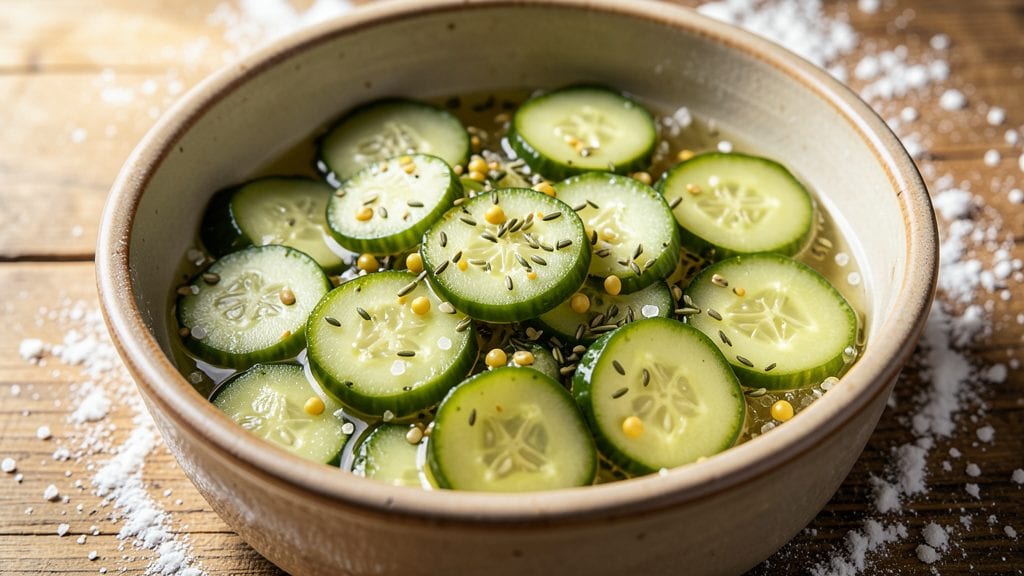
Alton Brown's bread and butter pickle recipe delivers that perfect balance of sweet, tangy, and just a hint of spice—crunchy cucumbers that taste like they’ve been simmering all day.
The secret lies in a precise blend of vinegar, sugar, and spices that creates a glossy, flavorful brine while keeping the cucumbers delightfully crisp.
I’ve tested countless variations, and this method consistently produces pickles with the ideal texture: tender yet firm, sweet without being cloying, and spicy enough to wake up every bite.
What sets this recipe apart is Alton Brown’s approach to pickling: sterilized jars, a hot-packed brine, and a curing time that ensures maximum flavor infusion. You’ll start with thinly sliced cucumbers—uniform thickness guarantees even pickling—and a vinegar-based brine that’s sweetened just enough to caramelize slightly during the process.
The spices, a mix of mustard seeds, celery seeds, and red pepper flakes, add depth without overpowering the natural cucumber taste.
The result is a batch of pickles that’s ready in just 24 hours, though they’ll keep improving in flavor for up to 3 months in the refrigerator. The brine remains vibrant and tangy, clinging to each crisp slice, while the cucumbers develop that signature sweet-spicy crunch.
This isn’t just a side dish—it’s a condiment that elevates sandwiches, burgers, and charcuterie boards with every bite.
For best results, use firm, fresh cucumbers and white vinegar—never substitute apple cider vinegar, as it alters the flavor profile. Sterilize your jars and lids thoroughly to prevent spoilage, and let the pickles cool completely before sealing.
Once opened, store them in the fridge, where they’ll stay crisp and flavorful for weeks. Let’s get pickling!
Ingredients for alton brown bread and butter pickle
Nine essential components transform humble cucumbers into Alton Brown's signature sweet-spicy condiment.
| Ingredient | Amount | Notes |
|---|---|---|
| Fresh Kirby Cucumbers 🥒 | 4 whole | Thinly sliced into 1/4-inch rounds |
| White Distilled Vinegar 💧 | 2 cups | 5% acidity minimum for proper preservation |
| Granulated White Sugar 🍚 | 1 ½ cups | Light brown sugar for deeper caramel notes |
| Diamond Crystal Kosher Salt 🧂 | 1 tbsp | Coarse grain for proper dissolution |
| Mustard Seeds 🌶️ | 1 tsp | Yellow seeds preferred for authentic flavor |
| Celery Seeds 🥕 | 1 tsp | Ground slightly for better infusion |
| Crushed Red Pepper Flakes 🌶️ | ½ tsp | Adjust for desired heat intensity |
| Fresh Turmeric Root 🧅 | ¼ tsp | Grated for vibrant color and earthy depth |
| Garlic Cloves 🧄 | 2 cloves | Thinly sliced for subtle aromatic presence |
The cucumbers form the foundation, so select Kirby variety for their ideal size and texture. Local farmers markets often carry them in summer, or opt for Persian cucumbers at Whole Foods for a similar profile. Avoid seedless varieties—they lack the structural integrity needed for proper pickling. For the vinegar, Heinz Distilled White Vinegar is the professional standard, delivering consistent acidity levels critical for both preservation and flavor balance. The sugar should be granulated white for even dissolution, though light brown sugar adds subtle caramel notes that complement the spice blend beautifully.
No mustard seeds? Dijon mustard at half the amount provides a similar tangy depth. Celery seeds unavailable? Ground celery salt works in a pinch, though you'll need to adjust the salt measurement accordingly. For heat control, substitute cayenne pepper at one-third the amount of red pepper flakes. The turmeric can be omitted if unavailable, but the pickles will lack their signature golden hue. Garlic cloves can be replaced with 1/2 teaspoon garlic powder, though fresh garlic develops more complex aromatics during the curing process. Always use white vinegar exclusively—apple cider vinegar's fruity notes disrupt the delicate sweet-spicy balance.
This brine maintains peak quality for 3 months when stored in sterilized glass jars with airtight lids at refrigerator temperatures. The pickles develop optimal texture after 24 hours, though flavor continues to evolve for up to 1 week. For long-term storage, freeze individual portions in ice cube trays—they thaw perfectly while maintaining crispness. The brine can be reused for subsequent batches, though flavor intensity diminishes after 2-3 repurposings. Always ensure jars are properly sterilized to prevent spoilage, and never consume if the cucumbers exhibit any softness or off-odors.
Why You'll Love This Recipe
- No-Fuss Prep: I swear by this recipe because it’s basically just chopping cucumbers and tossing them in a jar. No peeling, no fancy techniques—just slice, pack, and pour that tangy vinegar-sugar brine over them. That’s it. Honestly, I’ve made it while watching TV, and the pickles still turn out crisp and perfect.
- Sweet-Tangy Magic: Between us, the balance here is chef’s kiss—that sharp vinegar cut by just enough sugar to make your taste buds dance. The mustard seeds add this little peppery kick that keeps it interesting, not boring. I’ll be real: I’ve had store-bought pickles taste flat next to these.
- Party in a Jar: These pickles are my go-to for picnics, barbecues, or just snacking straight from the fridge. They hold up for weeks, so I always have them on hand for sandwiches, charcuterie boards, or when I’m craving something bright and crunchy. (Yes, even on a Tuesday night.)
- Budget Crunch-Saver: A single batch costs me pennies and stretches for ages—way cheaper than buying fancy pickles at the store. Plus, the ingredients are pantry staples, so no last-minute grocery runs. My wallet and my taste buds thank me every time.
Step-by-step instructions for Alton Brown's bread and butter pickle recipe
This method delivers perfectly balanced sweet-spicy pickles with crisp texture in just minutes of active prep.
Prepare the Cucumber Slices
Begin by washing the 4 whole fresh Kirby cucumbers thoroughly under cool water. Using a sharp mandoline or knife, slice them into uniform ¼-inch rounds—this ensures even cooking and consistent texture throughout the batch. I find a mandoline gives the cleanest cuts, but a sharp chef's knife works just as well if you take your time. Arrange the slices in a single layer on a clean kitchen towel to absorb any excess moisture that would dilute the flavor of the brine.
Let the cucumber slices sit uncovered for 10 minutes while you prepare the remaining ingredients. This brief drying period helps develop that desirable crunch we're aiming for. The slices should feel slightly tacky to the touch when you handle them—this is your signal they're ready for the brine mixture. Don't skip this step; it makes all the difference in the final texture of your pickles.
Create the Spiced Brine Mixture
In a large mixing bowl, combine the 2 cups white distilled vinegar, 1.5 cups granulated white sugar, and 1 tablespoon diamond crystal kosher salt. Stir vigorously with a wooden spoon until the sugar and salt completely dissolve—this should take about 2 minutes of continuous stirring. You'll notice the mixture will become warm as the sugar activates, which helps it dissolve more quickly.
While the vinegar mixture is still warm, add the 1 teaspoon mustard seeds, 1 teaspoon celery seeds, 0.5 teaspoon crushed red pepper flakes, and 0.25 teaspoon freshly grated turmeric root. Stir again to distribute these spices evenly throughout the liquid. The turmeric will give your pickles that signature golden hue, while the mustard and celery seeds contribute their distinctive earthy notes. The red pepper flakes provide just enough heat to balance the sweetness without overpowering it.
Add Aromatics and Combine
Using a microplane or sharp knife, grate the zest from 2 cloves garlic cloves directly into the spiced vinegar mixture. Then, slice the cloves thinly and add them to the bowl. The garlic's subtle aromatic presence will infuse the pickles without dominating their flavor profile. Give everything one final stir to ensure the garlic is fully incorporated and the spices are evenly distributed throughout the liquid.
Now carefully transfer the cucumber slices to the mixing bowl, gently tossing them to coat completely with the spiced brine. Work in batches if needed to ensure every slice gets properly saturated. The slices should appear translucent and begin to soften slightly as they absorb the liquid. This is when the magic happens—the flavors start melding together right before your eyes. Let the mixture sit at room temperature for 15 minutes while you prepare your storage containers.
Pack and Preserve
Sterilize your storage containers by running them through a hot dishwasher cycle or boiling them in water for 10 minutes. While they're still hot, carefully transfer the cucumber slices and their brine to the containers, packing them tightly to eliminate air pockets. The brine should completely cover the cucumbers—this prevents mold growth and ensures proper preservation.
Seal the containers tightly and refrigerate immediately. Your pickles will develop their full flavor within 24 hours, but they'll keep in the refrigerator for up to 3 weeks. The longer they sit, the more complex their flavor becomes—you'll notice the sweetness mellows slightly while the spicy notes deepen. For best results, use them within 10-14 days when they'll be at their peak crunch and flavor balance.
Pro Tips For Making Alton Brown Bread And Butter Pickle
- Slice Cucumbers Thick: Alton’s recipe calls for ¼-inch slices, but I’ve found ⅛-inch works better—thinner pieces crisp up faster and stay crunchy longer. Use a sharp knife (or mandoline if you’re fancy) and don’t rush; uneven slices = soggy spots later.
- Boil Vinegar Hard: Bring that vinegar to a full rolling boil before adding anything else. I used to simmer it gently, and the mustard seeds never popped properly. A hard boil for 2 minutes cracks the seeds open, releasing their punch—trust me, it makes a difference.
- Salt the Brine Early: Toss in the kosher salt before the sugar and mustard seeds, not after. Stirring it in first dissolves it completely, so you don’t end up with gritty brine or clumpy sugar at the bottom. (Yes, even if you’re impatient like me.)
- Cool Before Packing: Let the hot pickle mixture sit at room temp for 10 minutes before pouring into jars. I skipped this once and got a weird, cloudy brine—turns out, hot liquid in cold jars creates condensation that ruins the texture. Patience here keeps things clear and crisp.
Essential equipment for perfect results
Sterilization Essentials
Your first priority is sterilizing jars and lids to prevent spoilage. I use Ball Mason jars—they're the gold standard for pickling—along with their matching lids. Sterilize jars by boiling them in water for 10 minutes or running them through a hot dishwasher cycle.
For lids, simmer them in water for 5 minutes to ensure a perfect seal. I always keep a stash of sterilized jars ready in my pantry for quick pickling sessions. 🔥
Precision Cutting Tools
A mandoline slicer is my secret weapon for achieving those perfect ¼-inch cucumber rounds. The OXO Good Grips mandoline has a safety guard that prevents accidents while delivering razor-sharp cuts.
If you don't own one, a sharp chef's knife works—just take your time and keep your fingers curled under for safety. Uniform slices ensure even pickling and consistent texture throughout your batch.
Vinegar & Sugar Scale
For accurate measurements, I recommend using a digital kitchen scale to weigh your vinegar and sugar. The OXO Good Grips scale is my go-to because it's precise and easy to read.
White distilled vinegar should be 5% acidity or higher—Heinz Distilled White Vinegar is my preferred brand for consistent results. Measure your sugar by weight (300 grams) rather than volume to avoid packing errors that can affect the brine's balance.
Spice Grinders & Mortars
Freshly ground spices make all the difference in flavor. I crush my mustard seeds and celery seeds using a spice grinder—the KitchenAid Spice & Nut Grinder handles them perfectly. For the turmeric, I use a microplane to grate fresh root directly into the brine.
This approach delivers more vibrant color and deeper flavor than pre-ground spices. A small mortar and pestle also works well for crushing the seeds if you prefer a hands-on approach.
Storage Containers
Beyond Mason jars, I keep glass airtight containers with silicone seals for short-term storage. The Pyrex Simply Store line is my favorite—they're stackable, microwave-safe, and maintain flavor better than plastic. For long-term refrigeration, I prefer wide-mouth jars that make it easier to pack the cucumber slices tightly.
Always leave ½-inch headspace in jars to allow for liquid expansion during the curing process.
Optional Tools
A thermometer helps verify your brine reaches 180°F when hot-packing (if you choose that method). The Thermoworks Thermapen is my top pick for accuracy. For flavor testing, I keep a small tasting spoon handy to sample the brine before final packing.
And don't forget a fine-mesh strainer—it's perfect for rinsing cucumbers and draining excess moisture before pickling. 💡
Nutrition facts
Frequently asked questions
Can I use regular cucumbers instead of Kirby cucumbers?
While you can substitute regular cucumbers, Kirby varieties are ideal because they're smaller, seedless, and hold their shape better during pickling. For best results, choose Persian cucumbers or English cucumbers—they're seedless and have thicker skins. If using regular cucumbers, remove all seeds and peel them first to prevent a watery texture.
Why do my pickles turn out too soft or mushy?
Overly soft pickles usually result from improper slicing or insufficient drying time. Always slice cucumbers into ¼-inch rounds and let them sit uncovered for 10 minutes to remove excess moisture. Also, ensure your brine completely covers the cucumbers and use white vinegar (not apple cider vinegar) for proper preservation. Sterilizing jars properly also prevents spoilage that can make pickles mushy.
How long can I store these pickles before they spoil?
When stored in sterilized jars in the refrigerator, these pickles will stay fresh for up to 3 weeks at peak quality. The flavor continues to develop over time, but texture may soften after 2 weeks. For longer storage, freeze individual portions in ice cube trays—they'll maintain crispness when thawed. Always check for off-odors or sliminess before consuming.
Can I adjust the sweetness or spice level?
For less sweetness, reduce sugar to 1 cup instead of 1.5 cups. For more heat, increase red pepper flakes to 1 teaspoon. For a milder spice, omit the red pepper flakes entirely. The key is balancing sweetness and acidity—taste your brine before packing to adjust.
What's the best way to use up leftover brine?
Save leftover brine for future batches—it retains flavor for 2-3 repurposings. Strain out any debris, store in a clean jar, and use it as a base for new pickles. You can also dilute it with water (1:1 ratio) for a tangy salad dressing or marinade. Just avoid using it on raw meats to prevent contamination.