Main Courses
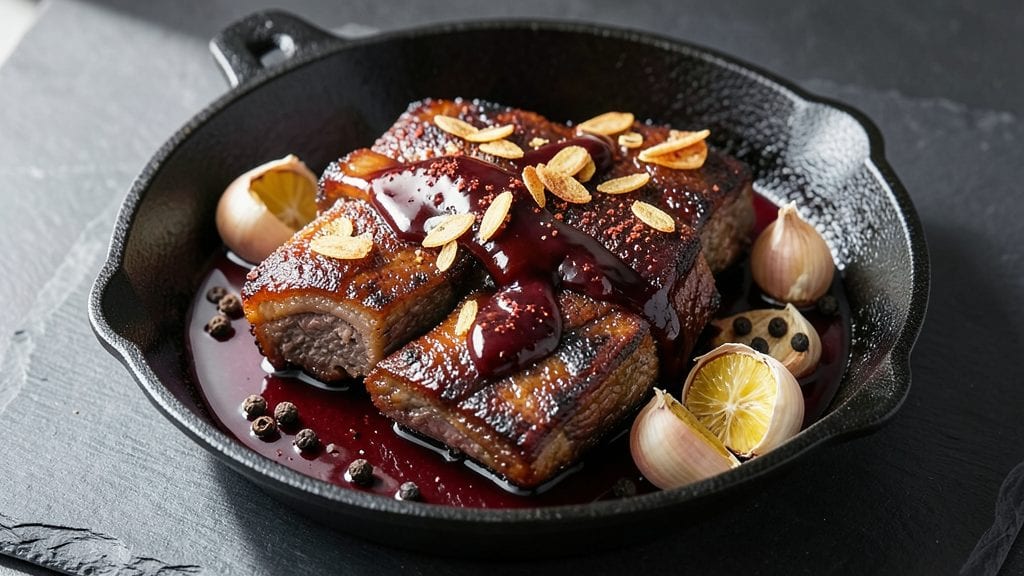
Bobby Flay’s beef short ribs recipe delivers restaurant-quality results with fall-off-the-bone tenderness and a rich, caramelized sauce that transforms tough cuts into melt-in-your-mouth perfection. The key lies in a low-and-slow braise that unlocks deep, savory flavors while keeping the meat impossibly tender.
I’ve replicated Bobby’s signature technique—searing first for depth, then braising until the ribs are so tender they practically dissolve at the touch.
This recipe combines bold seasoning with precise timing, ensuring every bite is packed with flavor without being overwhelming. The process takes patience—about 3 hours of active cooking—but the result is worth every minute.
You’ll start with a dry rub of garlic, paprika, and brown sugar, then sear the ribs to lock in juices before braising in red wine and beef broth until fork-tender.
By the end, you’ll have ribs that are juicy, caramelized, and bursting with flavor, served with a reduced sauce that clings to every bite.
The aroma alone will have everyone gathering at the table, and the presentation—glazed ribs stacked high—makes it feel like a special-occasion dish, even on a weeknight.
Pair these ribs with creamy mashed potatoes or a crisp green salad to balance the richness, and save the leftover sauce for dipping or deglazing. This is Bobby Flay’s approach made simple—no shortcuts, just restaurant-quality results at home. Let’s get cooking.
Ingredients for bobby flay beef short ribs
Four pounds of beef, bold spices, and red wine—this is Bobby Flay’s secret to melt-in-your-mouth ribs at home.
| Ingredient | Amount | Notes |
|---|---|---|
| Beef Short Ribs 🥩 | 4 lb | Bone-in, cut into 2-inch pieces |
| Kosher Salt 🧂 | 2 tbsp | Diamond Crystal preferred |
| Fresh Garlic Cloves 🧄 | 8 cloves | Minced for dry rub |
| Smoked Paprika 🌶️ | 2 tbsp | High-quality for depth |
| Light Brown Sugar 🍚 | 2 tbsp | Packed, not granulated |
| Ground Black Pepper 🌶️ | 1 tbsp | Freshly cracked preferred |
| Dry Red Wine 🍷 | 2 cups | Cabernet Sauvignon or Merlot |
| Beef Broth 💧 | 2 cups | Homemade or high-quality store-bought |
| Tomato Paste 🍅 | 2 tbsp | Squeeze tube for convenience |
| Fresh Thyme Sprigs 🌿 | 4 sprigs | Or 1 tsp dried thyme |
| Fresh Rosemary Sprigs 🌿 | 2 sprigs | Or 1 tsp dried rosemary |
| Olive Oil 🫒 | ½ cup | Extra-virgin for searing |
| Yellow Onion 🧅 | 1 whole | Diced for braising |
| Carrots 🥕 | 3 whole | Cut into 2-inch chunks |
| Balsamic Vinegar 🍶 | 1 tbsp | For sauce reduction |
The ribs are the star, so bone-in, 2-inch pieces are non-negotiable—this is what gives them that signature tenderness. Costco or Whole Foods usually have them pre-cut, but if you’re buying a whole packer, ask the butcher to trim them evenly. Look for good marbling—thick white streaks of fat mean richer flavor. The smoked paprika should be vibrant red, not grayish, and the brown sugar needs to be packed, not clumpy. Fresh thyme and rosemary make all the difference here, but dried works if you’re in a pinch (just use one-third the amount).
No red wine? Beef broth plus a splash of balsamic gets you close—just add an extra 1/2 cup of broth. The tomato paste can be the squeeze-tube kind from Trader Joe’s (no waste, lasts forever), but if you’re making a big batch, the canned stuff is fine. For the onions, yellow or red both work, but yellow has a slightly sweeter flavor that pairs better with the caramelization. The carrots can be baby carrots if that’s what’s in the fridge—just cut them into even chunks so they cook at the same rate. And the olive oil? Don’t skimp—extra-virgin for searing makes the crust crispier.
This braise tastes even better the next day, so make extra if you’ve got leftovers—ribs reheat beautifully in the oven with a splash of broth. Store the ribs and sauce separately in airtight containers for up to 5 days. For longer storage, freeze the ribs (raw or cooked) for 3 months—just thaw overnight in the fridge before reheating. The sauce freezes too, but it’ll thicken up, so thin it with a little water or broth when reheating. Trust me, you’ll want to make this at least twice.
Why You'll Love This Recipe
- Minimal Chopping Required: I swear by this—just rough-chop the garlic and toss it in whole. No mincing, no fuss, and the flavor still sings through. The ribs? One cut to separate the bones, and you’re done.
- Smoky-Sweet Magic: That smoked paprika and brown sugar combo caramelizes into a sticky, addictive glaze. It’s rich but not heavy, with a deep, slow-cooked warmth that makes every bite feel like a hug.
- Weeknight Crowd-Pleaser: Between us, this is the dish I pull out when friends drop by unannounced. It feeds four easily, pairs with anything (mashed potatoes, crusty bread, even a simple salad), and no one ever leaves disappointed.
- Leftovers That Don’t Suck: Honestly, I make this on Sundays just for the leftovers. The ribs stay tender for days, and the sauce? Even better reheated. Pack it for lunch or freeze portions—no sad, dry meat here.
Step-by-step instructions for Bobby Flay's beef short ribs
Here's the method that delivers fall-off-the-bone tenderness with a deep, caramelized crust every time.
Prepare and Sear the Short Ribs
Pat the 4 lb beef short ribs completely dry with paper towels—this is crucial for that perfect crust. In a large Dutch oven, heat 0.5 cup olive oil over medium-high heat until shimmering. Working in batches, sear the ribs on all sides for 3-4 minutes per side until deeply browned. You want that Maillard reaction happening—look for a rich, caramelized color and a slight char in spots.
As you sear, remove the ribs and set them aside. The key here is patience—don't crowd the pan or the oil temperature will drop and you'll steam instead of sear. If the oil starts smoking excessively, let it cool slightly before continuing. Once all ribs are browned, reduce heat to medium and add the 1 whole yellow onion and 3 whole carrots, cut into 2-inch chunks. Cook for 5 minutes until they begin to soften.
Build the Dry Rub and Deglaze
While the vegetables cook, combine 2 tbsp kosher salt, 8 cloves minced fresh garlic, 2 tbsp smoked paprika, 2 tbsp light brown sugar, and 1 tbsp ground black pepper in a small bowl. Rub this mixture all over the seared ribs—press it into the meat so it adheres well. This dry rub will create that signature crust while adding sweet, smoky depth.
Return the rubbed ribs to the Dutch oven along with the vegetables. Pour in 2 cups dry red wine and scrape up all those beautiful browned bits from the bottom—this is where all the flavor lives. Let the wine reduce by half, about 5 minutes, until it coats the back of a spoon. This deglazing step is non-negotiable for maximum flavor extraction.
Braise Until Fork-Tender
Add 2 tbsp tomato paste, 2 cups beef broth, 4 sprigs fresh thyme, and 2 sprigs fresh rosemary to the pot. Stir everything together, then bring to a gentle simmer. The liquid should come about halfway up the ribs. Cover the Dutch oven and transfer to a preheated 325°F oven. Here's where the magic happens—braise for 3 hours until the ribs are fork-tender.
I know it's tempting to check early, but resist. The ribs need that low-and-slow cook time to break down completely. You'll know they're ready when a skewer slides in with virtually no resistance. If the liquid reduces too much before then, add a splash of water or broth to keep them submerged. The goal is tender meat with a glossy, flavorful sauce.
Finish and Reduce the Sauce
Once the ribs are tender, remove them from the pot and set aside. Increase heat to medium-high and bring the braising liquid to a boil. Add 1 tbsp balsamic vinegar and let it reduce by half, about 8-10 minutes, until it's syrupy and coats the back of a spoon. This reduction intensifies all those beautiful flavors and creates that glossy finish.
Return the ribs to the pot and spoon that reduced sauce all over them. Let everything heat through for 2-3 minutes. The ribs should be bathed in that rich, caramelized sauce. Serve immediately with the sauce spooned over the top and any steamed vegetables from the braise. Each bite should deliver melt-in-your-mouth tenderness with layers of smoky, sweet, and tangy flavors.
Pro Tips For Making Bobby Flay Beef Short Ribs
- Sear the Ribs Hard: Bobby Flay’s method relies on a deep, dark crust—don’t skimp on the sear. Use a dry skillet (cast iron if you have it) and let those ribs sit undisturbed for 3-4 minutes per side until the sugar starts caramelizing. I learned this the hard way—rushing this step means flavor gets stuck in the pan instead of on the meat.
- Smash That Garlic: Fresh garlic cloves straight from the jar? Skip it. Bobby’s recipe calls for minced garlic, but I crush mine into a paste with a pinch of salt first—this releases more flavor and blends smoother into the sauce. (Yes, even if you’re impatient like me, take the 30 seconds to do this.)
- Don’t Crowd the Pan: The ribs need room to breathe when searing, or they’ll steam instead of brown. Work in batches if needed—overcrowding turns a crispy sear into a sad, greasy mess. Trust me, your future self will notice the difference when the crust is golden, not gray.
- Deglaze with the Fat: After searing, scrape up every last bit of browned bits from the pan—those are packed with flavor. Add a splash of liquid (like broth or wine) and let it bubble hard for 30 seconds to lift the fond. I used to wipe the pan clean, and the sauce just wasn’t as rich. (It’s not fancy, but it works.)
Troubleshooting your bobby flay beef short ribs
Ribs Too Tough
If your ribs aren’t tender after 3 hours of braising, you likely didn’t sear them enough or didn’t maintain the right temperature. First, ensure you’re cooking at a steady 325°F—use an oven thermometer to confirm.
Also, check your ribs for a deep sear on all sides before braising. If they’re still tough, return them to the oven for another 30-60 minutes covered with extra broth or water. 💡
Sauce Too Thin
A watery sauce usually means the liquid didn’t reduce enough. After removing the ribs, increase the heat to medium-high and simmer uncovered for 10-15 minutes longer, stirring occasionally. For extra thickness, mix 1 tbsp cornstarch with 2 tbsp cold water, stir into the sauce, and cook until it glistens.
If you’re short on time, reduce the sauce in a separate pan after removing the ribs. 🍲
Burnt or Bitter Flavor
This happens when the wine or broth reduces too aggressively, concentrating bitter compounds. To fix it, add 1 tbsp honey or brown sugar to balance the bitterness, then simmer for 2-3 minutes. For prevention, reduce heat to low-medium when deglazing and keep an eye on the pot.
If the sauce tastes off, strain it and start fresh with 1 cup beef broth and 1 tbsp tomato paste, simmered for 5 minutes. 🔥
Ribs Dry or Stringy
Overcooking or insufficient liquid during braising causes this. If your ribs look dry, return them to the pot with ½ cup fresh beef broth and cover for 15-20 minutes at 325°F.
For prevention, ensure the ribs are submerged in liquid (about halfway up) and resist the urge to peek too often—each time you open the lid, moisture escapes. 🥩
Weak or Bland Flavor
Bland ribs usually mean insufficient seasoning or weak braising liquid. Boost flavor by adding 1 tsp soy sauce or 1 tbsp Worcestershire sauce to the braising liquid, then simmer for 5 minutes. For extra depth, deglaze with ½ cup red wine vinegar instead of plain wine.
If the ribs taste flat, try finishing them with a quick sear in a hot pan for 1-2 minutes per side to caramelize the surface. 🌶️
Uneven Cooking
If some ribs are tender while others remain tough, they likely weren’t submerged evenly in the braising liquid. To fix this, place the tougher ribs in a separate dish, cover with fresh broth, and return to the oven for 30 minutes at 325°F.
For prevention, arrange ribs in a single layer in the Dutch oven and add enough liquid to cover them halfway. Stir occasionally during braising to ensure even exposure to heat. 🔄
Nutrition facts
Frequently asked questions
Can I use bone-in or boneless beef short ribs for this recipe?
Bobby Flay's original method calls for bone-in short ribs, as the bones add incredible depth of flavor during braising. However, if you prefer boneless, they'll still work—just reduce the cooking time by about 30 minutes since they'll cook faster without the bone's insulating effect. The texture will be slightly more uniform, but you'll miss that rich marrow flavor.
What's the best red wine to use if I don't have Cabernet Sauvignon?
Any medium-bodied red wine with good acidity works—Merlot, Pinot Noir, or even Zinfandel are excellent substitutes. Avoid heavy, tannic wines like Malbec, as they can overpower the dish. If you're completely wine-free, use 2 cups beef broth plus 1 tbsp balsamic vinegar for similar depth.
How do I know when the ribs are truly done?
The ribs should be fork-tender—a skewer should slide in with virtually no resistance. Look for these visual cues: the meat should pull away from the bone easily, and the sauce should be thick and syrupy. If you're unsure, cut into the thickest piece—the center should be creamy rather than pink. Overcooking by 15-30 minutes won't hurt, but don't rush it!
Can I make these ribs in a slow cooker instead of the oven?
Sear the ribs first (critical for flavor), then transfer them to a slow cooker with all braising ingredients. Cook on LOW for 6-7 hours or HIGH for 4-5 hours, adding extra broth if needed. The texture will be slightly more tender, but the sauce may be thinner. Finish by reducing it on the stovetop for that glossy finish.
What's the best way to reheat leftover ribs?
Reheat in the oven at 325°F for 15-20 minutes, covered with foil and a splash of beef broth, to maintain moisture. For quick reheating, warm in a skillet with a little sauce over medium-low heat for 3-4 minutes per side. Never microwave—it makes the meat tough. Leftovers keep well for 5 days in the fridge or 3 months frozen.