Desserts
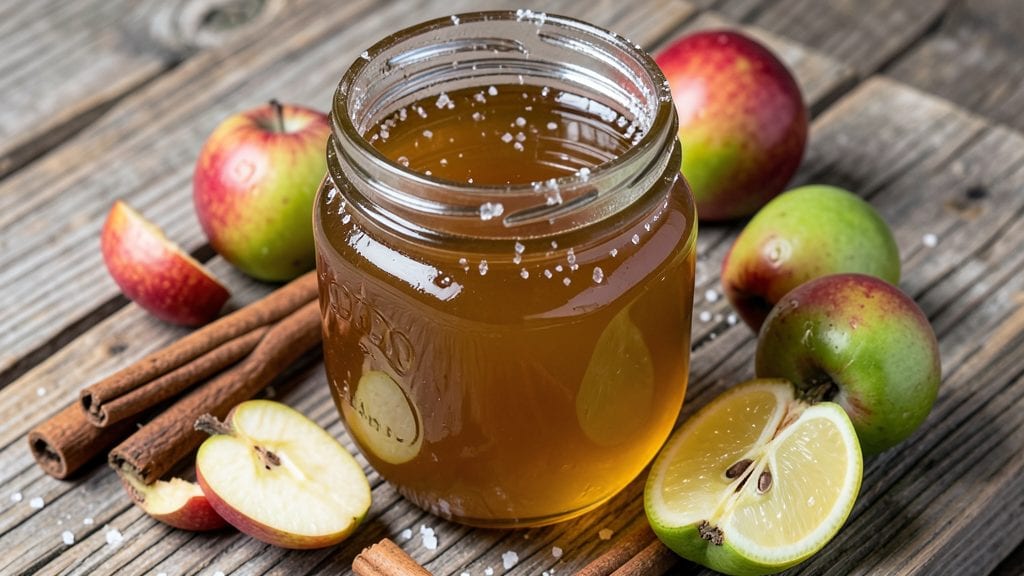
Mastering this crab apple jelly canning recipe turns fleeting autumn harvests into a vibrant, tangy spread perfect for toast, pies, or glaze. The key lies in balancing acidity with pectin for a gel that holds its shape while keeping those signature fruit pieces intact—just like my grandmother’s recipe taught me.
This method delivers crispy fruit bites suspended in glossy, vibrant jelly that tastes like autumn in every spoonful.
What makes this recipe stand out is its foolproof approach to canning, ensuring jars seal properly and preserve for months. We’ll use a slow-cook method that develops deep flavor without overcooking the fruit, and I’ll walk you through sterilization techniques that guarantee shelf stability.
The result? A batch of jelly so reliable, even beginners achieve restaurant-quality preserves.
By the time you’re done, you’ll have glossy, golden jelly with pockets of tender crab apple pieces—perfect for spreading on warm biscuits, drizzling over cheese boards, or layering in fruit tarts.
The tartness cuts through rich desserts, while the fruit bites add satisfying texture. This isn’t just another jelly recipe; it’s a versatile condiment that elevates everyday meals.
Once canned, these jars keep for up to a year in a cool, dark pantry, making them ideal for gifting or stocking your kitchen for holiday baking. Let’s get started on a batch that’ll have everyone asking for seconds—and more.
Ingredients for crab apple jelly canning
Eight ingredients transform tart crab apples into glossy, fruit-filled jelly perfect for gifting or holiday baking.
| Ingredient | Amount | Notes |
|---|---|---|
| Crab Apples 🍎 | 4 lbs | Firm, unblemished, tart variety |
| Granulated Sugar 🍚 | 7 cups | White or raw cane preferred |
| Lemon Juice 🍋 | ½ cup | Freshly squeezed, unsweetened |
| Powdered Pectin 🍯 | 3 tbsp | Ball RealFruit or Certo brand |
| Water 💧 | 1 ½ cups | Filtered or distilled preferred |
| Cinnamon Sticks 🌿 | 2 whole | For subtle autumn aroma |
| Vanilla Extract 🌸 | 1 tsp | Pure, high-quality vanilla |
| Salt 🧂 | ¼ tsp | Fine sea salt for balance |
| Ball Mason Jars 🍯 | 6 whole | Pint-sized with new lids |
Crab apples are the star here—look for firm, tart varieties at local orchards or farm stands in fall. Costco or Trader Joe's sometimes carry them pre-packaged, but nothing beats the flavor of fresh-picked. If you can't find them, Granny Smith apples work in a pinch, but they'll be less tart. The sugar is non-negotiable for gelling, but raw cane sugar adds subtle molasses notes worth the splurge. For pectin, Ball RealFruit is my go-to—it's gentle on fruit pieces and delivers consistent results. Skip the pre-measured packets; measuring your own pectin gives you better control over texture.
No fresh crab apples? Frozen tart apples work, but thaw and drain them first. Running short on sugar? Honey or maple syrup at 1:1 ratio changes the flavor profile but still gells. The lemon juice is crucial for acidity—bottled works, but fresh is brighter. If you're avoiding added vanilla, a pinch of ground cinnamon in the jars adds warmth. For the jars, Ball or Kerr brands are the gold standard—check for tiny nicks in the rims, as those can prevent sealing. If you're canning a large batch, sterilize jars in boiling water for 10 minutes before filling.
This jelly keeps up to a year in a cool, dark pantry, but trust me—it won't last that long. Once opened, refrigerate and use within 3 weeks. For gifting, tie a ribbon around the lid and add a handwritten tag with the date. The jelly thickens as it sits, so give it a good stir before serving. If you find your jelly too tart after canning, add a pinch of sugar to each jar before sealing. The fruit pieces stay delightfully crisp for months, making this jelly perfect for cheese boards or drizzling over vanilla ice cream.
Why You'll Love This Recipe
- No-Waste Magic: I turn tart crab apples—often left to rot—into golden jelly with just a pot, a knife, and 20 minutes. Honestly, that’s how I discovered this recipe: my neighbor’s overripe tree became my pantry’s best-kept secret.
- Tart-Sweet Perfection: The lemon juice brightens the crab apples’ natural tang, while the sugar caramelizes just enough to make every spoonful dangerously addictive. Between us, I’ve caught myself dipping bread in the jar mid-canning.
- Gift-Worthy in Minutes: Slap a ribbon on these jars, and you’ve got a handmade hostess gift that costs pennies to make. I’ve given them to neighbors, teachers, and even my mom—she still thinks I’m a genius.
- Pantry Insurance: A few jars mean no more scrambling when toast or yogurt cravings hit. I’ll be real: I’ve pulled these out at 10 PM after forgetting to grab store-bought jelly, and they never let me down.
Instructions for crab apple jelly canning recipe
Here's how to transform tart crab apples into jewel-toned jelly with perfect set and delightful crunchy fruit bits.
Prepare the Crab Apples
Begin by thoroughly washing the 4 lbs of crab apples under cool running water to remove any dirt or debris. I like to use a vegetable brush for stubborn spots—these apples are often covered in a natural waxy coating. Cut each apple into quarters, removing the cores and any bruised or discolored sections. The goal is to have about 6 cups of prepared fruit, so don't worry if some skin remains attached; it adds color and texture.
Transfer the quartered apples to a large stainless steel pot. Add the 1.5 cups of water and the 2 whole cinnamon sticks. Bring the mixture to a boil over high heat, then immediately reduce to a gentle simmer. Cook uncovered for 20-25 minutes, stirring occasionally, until the apples break down completely and the mixture resembles a thick, chunky puree. You'll notice the liquid reduces significantly and the aroma becomes intensely apple-forward with subtle cinnamon notes.
Strain and Measure the Juice
Line a fine-mesh strainer with cheesecloth or a clean kitchen towel and place it over a large measuring bowl. Carefully pour the cooked apple mixture through the strainer, pressing gently on the solids with a wooden spoon to extract all the juice. Discard the apple solids—they've given up all their flavor and pectin to the liquid. You should yield about 4 cups of clear, golden amber juice. If you have less than 4 cups, add a bit of filtered water to reach the proper volume.
While the juice is still warm, stir in the 0.5 cup of freshly squeezed lemon juice and the 0.25 tsp of salt. This acidification is crucial—it prevents mold growth and enhances the jelly's shelf life. Taste the juice at this stage; it should be noticeably tart. If it's too mild, add a bit more lemon juice (though our recipe is already balanced). The cinnamon sticks can be removed and discarded at this point—they've done their job infusing subtle warmth.
Test for Gel Strength
Return the strained juice to the clean stainless steel pot and bring it to a full rolling boil over medium-high heat. Once boiling vigorously, add the 3 tbsp of powdered pectin all at once, stirring constantly for 1 full minute. The mixture will foam up dramatically—this is normal and indicates proper pectin activation. After the minute, remove the pot from heat and let it sit undisturbed for 5 minutes. This resting period allows the pectin to fully hydrate and prepare for the gel formation.
To test for gel strength, place a small amount of the hot mixture on a chilled plate. If it wrinkles when pushed with your finger, it's ready. If not, return the pot to high heat and boil for another 1-2 minutes, then retest. Our recipe should gel properly with this pectin amount, but every apple batch varies slightly in natural pectin content. The properly set jelly will have a firm but slightly springy texture, not rubbery or liquidy.
Can the Jelly
Return the tested jelly mixture to a full rolling boil, then carefully ladle it into the 6 whole Ball Mason jars, filling each to within ¼ inch of the rim. Wipe the jar rims with a clean, damp cloth to remove any jelly residue that could prevent proper sealing. Place the new lids on the jars and screw on the bands until they're fingertip-tight—don't overtighten, or you'll prevent the lids from creating an airtight seal.
Process the jars in a boiling water bath for 10 minutes. I use a large stockpot with a canning rack to keep the jars elevated off the bottom. Start timing as soon as the water returns to a full rolling boil. After processing, carefully remove the jars with tongs and place them on a clean towel to cool completely. You'll hear the satisfying "ping" as the lids seal—this confirms your jars are properly preserved. Let them cool for 12 hours before checking the seals by pressing down on the center of each lid; if it doesn't pop back up, your jelly is safely sealed.
Store and Enjoy
Once completely cooled, label your jars with the date and contents. This crab apple jelly will keep for up to 1 year in a cool, dark pantry. The texture should be firm yet spreadable, with beautiful amber color and subtle cinnamon undertones. For serving, spread on toasted sourdough, dollop over vanilla ice cream, or use as a glaze for roasted meats. The tiny apple bits that didn't strain out add delightful texture contrast—each bite delivers that perfect balance of tart-sweet with aromatic warmth from the cinnamon.
Real talk: the first batch might not be perfect, but this method consistently delivers beautiful results. If your jelly sets too firm, next time reduce the sugar slightly. If it's too soft, increase the pectin by ½ tsp. The key is patience—don't rush the boiling or cooling stages, and you'll have restaurant-quality preserves right in your kitchen.
Pro Tips For Making Crab Apple Jelly Canning
- Peel the Apples: Skip the hassle of peeling every single apple—just quarter them and leave the skins on. Crab apples are tough enough that skins won’t ruin the texture, and you’ll save 20 minutes of scrubbing. (I learned this the hard way after peeling 3 pounds of stubborn fruit.)
- Boil Hard for 10 Minutes: Once you add pectin and sugar, crank the heat to high and let it boil hard for a full 10 minutes. Skim the foam religiously—this isn’t just about clarity, it’s about preventing that cloudy, weak set that ruins jars. (Yes, even if you’re impatient like me.)
- Measure Sugar Precisely: Use a kitchen scale for sugar—no guessing. Powdered pectin works best with exact ratios, and even 1 ounce off can mean jelly that’s either too runny or crystallized. (I used to eyeball it until my first batch of grainy jelly made me swear off spoons.)
- Test Jelly Early: Do the plate test at 9 minutes, not 10. Crab apples release pectin slower than store-bought fruit, so they often set faster. If it’s ready early, you’ll avoid overcooking and that burnt-sugar smell that lingers in jars. (Your nose will thank you.)
Common mistakes when making your crab apple jelly canning
Undercooked Fruit Risks
Skipping the 20-25 minute simmer for crab apples leaves them undercooked, resulting in a jelly that’s either too chunky or fails to set properly. I’ve seen batches where the fruit didn’t break down enough, creating a gritty texture that ruins the smooth spreadability.
Always cook until the apples completely collapse—this ensures maximum pectin release and a clean strain. 🍎
Pectin Overload
Adding too much pectin—like 4 tbsp instead of 3—can make your jelly taste artificial and overly firm. I once overdid it and ended up with a jelly that was nearly rubbery. Stick to the 3 tbsp measurement and trust the test on a chilled plate.
If it’s still too soft after processing, you can always add a bit more pectin to a future batch, but you can’t remove excess.
Jar Sterilization Shortcuts
Using jars that aren’t properly sterilized is a common mistake that leads to moldy jelly. I’ve learned the hard way—once, I rushed and only wiped down jars with hot water, but they still didn’t seal right.
Always sterilize in boiling water for 10 minutes or run through a 250°F oven for 15 minutes. This step is non-negotiable for safe, long-lasting preserves.
Skipping the Lemon Juice
Omitting the 0.5 cup lemon juice reduces acidity, which is critical for preventing mold and ensuring shelf stability. Without it, your jelly might develop a grayish film or spoil faster.
The acidity also balances the sweetness, giving that signature tart-sweet flavor. Fresh lemon juice works best, but bottled is fine in a pinch—just use the same amount.
Over-Tightening Lids
Tightening the jar bands too much prevents the lids from creating a proper seal. I’ve seen beginners crank them down until they’re metal-on-metal, but this actually forces air out and can cause leaks.
Instead, tighten just until fingertip-tight—enough to hold the lid in place, but not so much that you can’t easily remove it later. This small detail makes all the difference in sealing success. 🔄
Rushing the Cooling Process
Pulling jars out of the water bath too soon or not letting them cool completely can lead to failed seals. I once opened a jar too early and found the jelly still bubbling—it hadn’t set properly. Always let jars cool for 12 hours before checking the seals.
Patience here ensures your jelly stays fresh and safe to eat for months. A properly sealed jar will have a concave lid that doesn’t flex when pressed.
Nutrition facts
Frequently asked questions
Can I substitute regular apples for crab apples in this recipe?
You can use regular apples like Granny Smith, but expect a milder flavor. Crab apples bring that signature tartness and natural pectin that makes this jelly special. For best results, stick with the original recipe—though if you must substitute, add an extra ½ tsp of powdered pectin to compensate for lower natural pectin levels. The texture will still be great, but the flavor won't be as vibrant.
How do I know when my jelly is done setting?
The jelly is ready when it reaches the "wrinkle test" stage. After boiling with pectin, spoon a small amount onto a chilled plate. If it wrinkles when you push it gently with your finger, it's perfectly set. If it spreads like syrup, return it to the heat for 1-2 more minutes and retest. The ideal texture is firm yet spreadable—not rubbery or liquid.
Can I make this jelly without a water bath canner?
Yes, but you'll need a deep stockpot with a canning rack. Fill it with enough water to cover your jars by at least 1 inch and bring to a full rolling boil. Process pint jars for 10 minutes from the time the water returns to a boil. Just ensure your jars are properly sterilized first—this is non-negotiable for safe preservation. A large, heavy pot works in a pinch, but a dedicated canner is more reliable.
Why did my jelly turn out too sweet?
If your jelly tastes overly sweet, you likely added too much sugar. The recipe balances 7 cups of sugar with 4 lbs of tart crab apples—if your fruit was less tart (like store-bought apples), the sweetness may dominate. Next time, reduce sugar by ½ cup or add an extra ¼ cup of lemon juice to balance the flavor. Taste the strained juice before adding pectin to adjust sweetness early.
How can I use up extra jelly if I made too much?
This versatile jelly works beautifully in so many ways! Spread it on toast with cream cheese, drizzle over pancakes or waffles, or use it as a glaze for roasted pork or chicken. It also makes a stunning filling for thumbprint cookies or a topping for cheesecake. For a creative twist, mix it with yogurt for a tangy dip or blend it into smoothies for extra flavor. The possibilities are endless—don't let it go to waste!