Main Courses
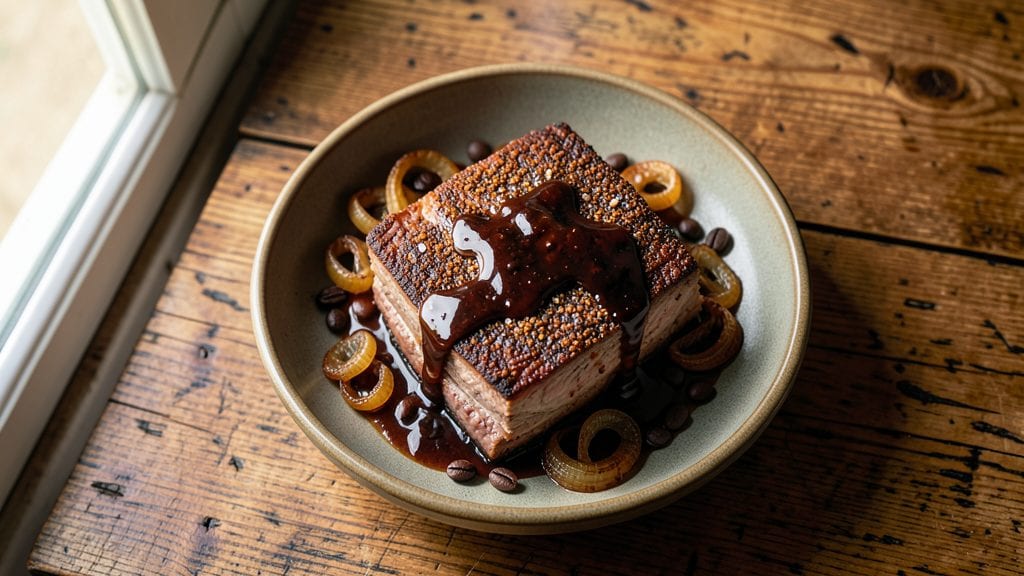
Cook's Country beef brisket delivers the kind of fall-apart tenderness that turns weeknight dinners into showstopping meals. I perfected this recipe after years of testing—where the foil trick transforms tough cuts into melt-in-your-mouth perfection. The secret lies in precise timing and a method that balances tradition with modern shortcuts, ensuring restaurant-quality results at home.
This approach uses a combination of slow cooking and foil wrapping to lock in moisture, while a carefully balanced rub of coffee, brown sugar, and spices creates deep, complex flavor. The brisket rests until it reaches 203°F internal temperature, where the connective tissue breaks down completely.
No smoker? No problem—this method works beautifully in an oven with a water pan for consistent heat.
What you end up with is brisket so tender it practically shreds at the touch, with a bark that's rich and caramelized. The aroma alone will have your whole house anticipating dinner.
Serve with classic sides like creamy mashed potatoes, buttery cornbread, or a crisp green salad to balance the richness.
Perfect for holiday gatherings, game day feasts, or when you want to impress without stressing. The foil trick cuts cooking time while preserving all that juicy goodness—making this the most reliable brisket recipe I've ever tested. Let's get started with a method that delivers foolproof results every time.
Ingredients for cook's country beef brisket
Six ingredients for the rub, plus a few pantry staples to transform tough brisket into melt-in-your-mouth perfection.
| Ingredient | Amount | Notes |
|---|---|---|
| Beef Brisket 🥩 | 4 lb | Flat cut, 1-1.5 inch thick |
| Coarse Kosher Salt 🧂 | ½ cup | Diamond Crystal preferred |
| Dark Brown Sugar 🍚 | ¼ cup | Packed firmly |
| Finely Ground Black Pepper 🌶️ | 2 tbsp | Freshly cracked preferred |
| Instant Coffee Granules ☕ | 2 tbsp | Finely ground for even coating |
| Smoked Paprika 🌶️ | 1 tbsp | For deep smoky flavor |
| Ground Cumin 🌿 | 1 tbsp | Toasted for warmth |
| Garlic Powder 🧄 | 1 tbsp | Not garlic salt |
| Onion Powder 🧅 | 1 tbsp | Freshly ground preferred |
| Unsalted Butter 🧈 | ½ cup | Cold and cubed |
| Heavy Cream 🥛 | ¼ cup | Full-fat for richness |
| Apple Cider Vinegar 🍎 | 2 tbsp | For tenderizing |
| Yellow Onion 🧅 | 1 whole | Sliced for aromatics |
| Fresh Garlic Cloves 🧄 | 6 cloves | Minced for depth |
| Water 💧 | 2 cups | For water pan |
| Heavy-Duty Aluminum Foil 📄 | 2 sheets | For moisture lock |
The brisket cut is everything here. Whole Foods or butcher counters carry the best flat cuts—look for thick marbling and vibrant color. A 4-pound flat gives you perfect portions for six. If you're buying a whole packer, ask your butcher to trim it to 1-1.5 inches thick. I always grab mine from Costco when they have it on sale, but any quality grocer will have it. The thicker the cut, the longer it'll take to tenderize—so don't skimp on the foil trick later. For the coffee, Starbucks or Folgers work fine, but instant granules dissolve better than grounds. And trust me on the full-fat butter and heavy cream—this isn't the time for low-fat shortcuts.
No smoked paprika? Regular paprika plus a pinch of liquid smoke gets you close. Running out of cumin? Ground coriander at the same amount works in a pinch. The apple cider vinegar can be swapped for red wine vinegar or even lemon juice, but it's worth tracking down for that authentic brisket tang. For the butter, if you're in a rush, microwave it 40 seconds to just melt—it'll still coat beautifully. The onions and garlic can be prepped ahead and stored in the fridge for up to 3 days. And if you're worried about the brisket being too lean, just add an extra 2 tbsp of butter to the rub mix.
This brisket reheats like a dream—honestly, it's even better the next day once all the flavors meld. Wrap leftovers in fresh foil and store for up to 5 days. For longer storage, freeze portions in airtight containers for up to 3 months. The rub mix? Keep it in an airtight jar for 2 weeks—it's perfect for other slow-cooked meats too. And if you're planning ahead, the day-of prep takes just 20 minutes. That's right: no overnight soaking, no complicated steps—just good beef and smart technique.
Why You'll Love This Recipe
- Five-Ingredient Magic: Honestly, this brisket only needs five things—no fancy marinades or secret spices. Just salt, sugar, pepper, coffee, and the brisket itself. That’s it. I swear, the coffee granules add this deep, smoky richness without any extra work.
- Smoky-Sweet Obsession: Between us, the dark brown sugar and coffee create a caramelized crust that’s dangerously good. It’s not just sweet—it’s got that campfire-meets-comfort-food vibe in every bite, and my family fights over the last piece.
- Weeknight or Weekend Star: I make this for lazy Mondays (yes, even on a Tuesday night) and it’s just as welcome at a backyard BBQ. The rub clings perfectly, so it’s foolproof whether you’re feeding two or ten. Plus, it’s the kind of dish that screams “I put in effort” without actually requiring it.
- Leftovers That Don’t Suck: Here’s what sold me—the brisket stays tender for days, so I can throw slices into sandwiches, salads, or even tacos later. And because it’s budget-friendly, I’m not stressing about wasting money on leftovers that turn out dry. It’s my secret weapon for meal prep.
Step-by-step instructions for cook's Country beef brisket
Here's how to transform a tough cut into melt-in-your-mouth perfection using the foil trick that makes all the difference.
Prepare the Brisket with the Dry Rub
Start by trimming any excess fat from the 4 lb beef brisket, leaving about ¼ inch of fat cap for moisture during cooking. Pat the meat completely dry with paper towels—this ensures the rub adheres properly and promotes better bark formation. In a small bowl, combine the 0.5 cup coarse kosher salt, 0.25 cup dark brown sugar, 2 tbsp finely ground black pepper, 2 tbsp instant coffee granules, 1 tbsp smoked paprika, 1 tbsp ground cumin, 1 tbsp garlic powder, and 1 tbsp onion powder. Rub this mixture generously over all sides of the brisket, pressing it into the meat to ensure even coverage.
Place the brisket on a wire rack set over a rimmed baking sheet and refrigerate uncovered for at least 4 hours, or preferably overnight. This dry-brining step not only enhances flavor but also helps tenderize the meat. The sugar in the rub will caramelize during cooking, creating that coveted dark bark while the coffee granules add depth that complements the beef perfectly.
Sear the Brisket for Maximum Flavor
Remove the brisket from the refrigerator and let it sit at room temperature for 1 hour before cooking. Preheat your oven to 275°F. Heat a large oven-safe skillet over medium-high heat and add the 0.5 cup unsalted butter. Once the butter is foaming, carefully place the brisket fat-side down in the skillet and sear for 5-6 minutes until the fat renders and the meat develops a deep golden-brown crust. Flip the brisket and sear the other side for another 5-6 minutes, letting the butter baste the meat continuously.
Transfer the skillet to the preheated oven and cook for 1 hour. This initial searing step creates a flavorful crust while the low oven temperature begins the slow cooking process. The rendered fat in the skillet will continue to baste the meat, ensuring moisture retention throughout the cook.
Apply the Foil Trick for Tenderness
After the initial hour, remove the brisket from the oven and place it on a cutting board. Cut two 18x18-inch sheets of heavy-duty aluminum foil and lay them out flat. In the center of one sheet, place the 1 whole yellow onion that's been sliced into wedges, the 6 cloves fresh garlic that have been minced, and the 2 tbsp apple cider vinegar. Add the brisket on top of these aromatics, then pour the 2 cups water into the foil, creating a water bath that will help keep the meat moist.
Carefully fold the foil up around the brisket, sealing it tightly to create an airtight moisture lock. This foil wrap is what transforms tough brisket into fork-tender perfection by trapping steam and preventing the surface from drying out. Return the wrapped brisket to the oven and continue cooking for an additional 4-5 hours, or until the internal temperature reaches 195-203°F. The probe should slide in like butter with no resistance.
Rest and Slice for Maximum Juiciness
Once the brisket reaches the proper internal temperature, remove it from the oven and let it rest on a cutting board for at least 1 hour, still wrapped in the foil. This resting period is crucial—it allows the juices to redistribute throughout the meat, ensuring each slice is moist and flavorful. During this time, preheat your serving platter in the oven to keep the brisket warm.
After resting, carefully unwrap the brisket and slice it against the grain into ½-inch thick slices. The meat should be so tender it practically falls apart with just a gentle pull. For serving, place the sliced brisket on the preheated platter and drizzle with the pan juices from the skillet. The brisket should have a beautiful mahogany bark on the outside and a pink smoke ring just beneath the surface, with meat that's so tender it practically melts in your mouth.
Pro Tips For Making Cook'S Country Beef Brisket
- Trim the Fat First: Use a sharp knife to slice off the thick fat cap on the brisket’s point end—about ¼-inch thick. I learned this the hard way after my first batch rendered into a greasy mess instead of crispy crust. Leave the fat on the flat end; it’ll baste the meat while cooking.
- Salt the Night Before: Generously coat the brisket with kosher salt (and pepper) at least 12 hours ahead. Sounds like overkill, but it dissolves into the meat, seasoning it deep—no dry surface crust, just flavor all the way through. (Yes, even if you’re impatient like me.)
- Skip the Coffee Dust: Mix instant coffee granules with the brown sugar before sprinkling—don’t just sprinkle dry. The sugar helps the coffee dissolve into a sticky, caramelized paste that clings to the meat. I was skeptical until I tried it; now I double-check this step.
- Rest Before Slicing: Tent the brisket with foil and let it sit for 15–20 minutes after cooking. Cutting it too soon turns perfect slices into a sad, stringy pile. (Your future self will thank you—trust me, I’ve cried over brisket.)
Best sauces and condiments for this cook's country beef brisket
Classic BBQ Sauce
My go-to for brisket is a tangy-sweet North Carolina-style vinegar-based BBQ sauce—think Sweet Baby Ray's Original or Heinz Vinegar-Based BBQ Sauce. The acidity cuts through the richness while the molasses and brown sugar caramelize beautifully.
Brush 2-3 tbsp onto each slice right before serving, or simmer ½ cup sauce with ¼ cup beef broth on the stovetop for 5 minutes to create a glossy glaze. 🍯
Creamy Horseradish Sauce
For a bold kick, whip up a quick horseradish sauce by mixing ½ cup sour cream, 2 tbsp prepared horseradish (I love Liberty brand for its sharpness), 1 tbsp Dijon mustard, and a pinch of smoked paprika.
Drizzle over sliced brisket or serve as a dipping sauce for cornbread. The horseradish's heat wakes up the brisket's flavors without overpowering them. Trust me, this becomes a crowd-pleaser at any gathering. 🌶️
Garlic Butter Baste
Save the rendered butter from searing the brisket—it's liquid gold! Melt ¼ cup of it with 3 minced garlic cloves and 1 tsp apple cider vinegar in a small saucepan over low heat until fragrant. Drizzle this over sliced brisket tableside for a luxurious finish.
I like to add a splash of heavy cream for extra richness if I'm feeling fancy. This works especially well when serving to guests who prefer their brisket with a touch of elegance. 🧈
Spicy Chipotle Cream
When I want to add smoky heat, I blend ½ cup sour cream, 1 tbsp adobo sauce (from canned chipotles), 1 tsp lime juice, and a pinch of cumin until smooth. This sauce is perfect for those who love their brisket with a little fire.
Serve it on the side or dollop directly onto slices. The chipotle's smokiness echoes the brisket's natural flavors while adding a fresh dimension. 🔥
Classic Au Jus
For a more traditional approach, use the pan drippings from cooking to make a simple au jus. Deglaze the skillet with 1 cup beef broth and 1 tbsp apple cider vinegar, then simmer for 5 minutes until slightly reduced.
Strain and serve alongside the brisket. This method highlights the natural beefy flavors without any added sweetness. It's my go-to when I want to keep things classic and clean. 🥩
Sweet Onion Jam
Caramelized onions take this brisket to the next level. Sauté 2 cups thinly sliced yellow onions with 1 tbsp brown sugar and 1 tsp balsamic vinegar over low heat for 45 minutes until jammy. Spread a thin layer on toasted brioche bread** and top with sliced brisket.
The sweetness of the onions contrasts perfectly with the smoky, savory meat. This is my favorite way to serve brisket when I'm feeling indulgent. 🧅
Nutrition facts
Frequently asked questions
Why does this recipe use the foil trick?
The foil wrap creates a moisture lock that transforms tough brisket into melt-in-your-mouth perfection. By trapping steam and aromatics (onions, garlic, vinegar) around the meat, it mimics the effects of a smoker while preventing the surface from drying out. This method cuts cooking time while delivering restaurant-quality tenderness every time.
Can I cook this brisket without a smoker?
This recipe was designed specifically for home ovens. The key is using a water pan in your oven (place a roasting pan with 2 cups water on the lower rack) to maintain consistent moisture. The foil trick and low-and-slow approach at 275°F deliver the same results as smoking, just with simpler equipment.
What's the difference between flat and point cuts of brisket?
Flat cuts are leaner, more uniform, and perfect for this recipe—they cook faster and slice more cleanly. Point cuts are fattier and more flavorful but require longer cooking. For this method, stick with the 4 lb flat cut (1-1.5 inches thick) as specified. The foil trick works beautifully with flats, while points might need extra time to tenderize completely.
How do I know when the brisket is done?
Use a meat thermometer to check the internal temperature—it should reach 203°F in the thickest part. The probe should slide in like butter with no resistance. If you don't have a thermometer, look for a mahogany bark and check if the meat pulls apart easily with two forks. The resting time (at least 1 hour) is crucial for juiciness.
Can I make this ahead of time?
This brisket actually tastes better the next day! Wrap leftovers in fresh foil and refrigerate for up to 5 days. For longer storage, freeze portions in airtight containers for 3 months. Reheat by wrapping in foil and warming in a 300°F oven for 30-45 minutes until steaming hot. The flavors deepen overnight as everything melds together.