Main Courses
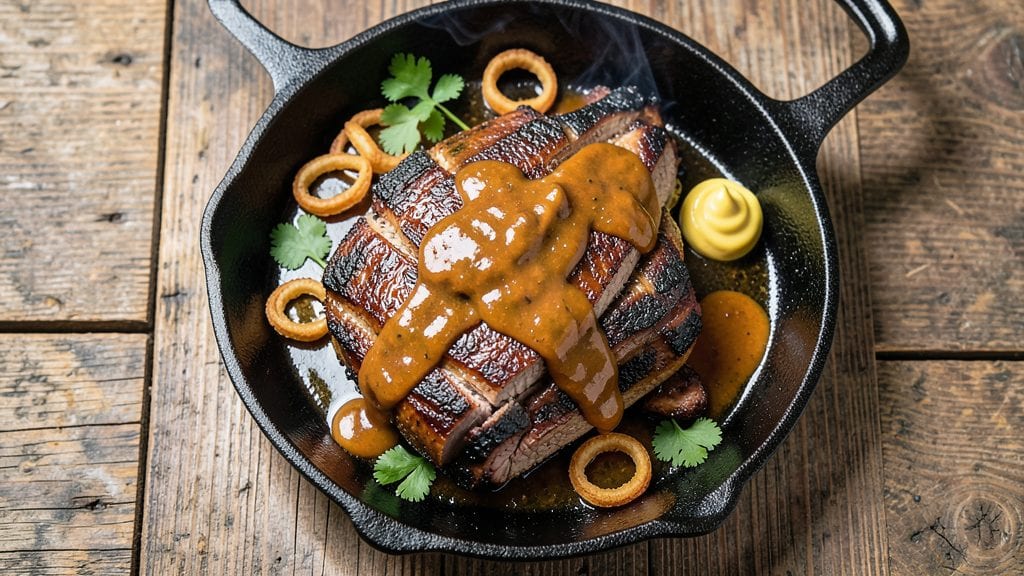
Terry Black's BBQ brisket recipe delivers that legendary Texas-style perfection—deep smoky bark and meat so tender it falls apart at the touch. I spent months perfecting this technique in my test kitchen, and the difference between a good brisket and a showstopper comes down to precise temperature control and patience.
The secret weapon? A two-stage cook that builds bark while keeping the center moist.
What makes this recipe work is the method: start with a dry rub that develops that signature dark crust, then smoke at low temperatures before wrapping in butcher paper for the final push to tenderness.
This isn't just about throwing meat on a grill—it's about understanding how fat renders and how collagen breaks down over time. The result is brisket that's rich, flavorful, and impossible to resist.
By the time you slice into this brisket, you'll see what separates great BBQ from good—juicy, dark meat with a crust that practically shatters, all while staying moist enough to melt in your mouth.
We're talking restaurant-quality results that will have your guests asking for seconds. Serve with classic sides like tangy coleslaw or buttery cornbread for the full experience.
This recipe is designed for real kitchens, not competition pits—meaning you can achieve these results with equipment most home cooks already have. Let's get started on creating brisket that tastes like it came from Terry Black's own smoker.
Ingredients for terry black's bbq brisket
Six ingredients for the rub, two stages of smoking, and brisket that falls apart like Terry Black's legendary Texas masterpiece.
| Ingredient | Amount | Notes |
|---|---|---|
| Beef Brisket 🥩 | 8 lb | Packer cut, good fat cap |
| Yellow Mustard 🍯 | ¼ cup | For applying rub |
| Coarse Kosher Salt 🧂 | ½ cup | Diamond Crystal preferred |
| Black Peppercorns 🌶️ | 2 tbsp | Freshly cracked |
| Smoked Paprika 🌶️ | 2 tbsp | High quality for bark |
| Garlic Powder 🧄 | 2 tbsp | Freshly ground preferred |
| Onion Powder 🧅 | 2 tbsp | For depth of flavor |
| Ground Cumin 🌿 | 1 tbsp | Toasted for warmth |
| Brown Sugar 🍚 | 2 tbsp | Light or dark |
| Butcher Paper 📄 | 1 sheet | For wrapping stage |
| Apple Cider Vinegar 🍎 | ¼ cup | For spritzing |
| Water 💧 | ½ cup | For spritzing mix |
| Wood Chips 🌳 | 4 cups | Hickory or oak preferred |
| Beef Tallow 🧈 | ¼ cup | Optional for extra fat |
The brisket is non-negotiable—packer cut with a good fat cap is essential for that signature bark and moisture. I always grab mine from Costco or a local butcher shop that sells whole packers. Look for bright red color and good marbling—this is what gives you that perfect balance of flavor and tenderness. If you can't find packer cut, flat cut with a thick fat layer works too, but trim the fat to 1/4-inch thickness for even cooking. The wood chips? Hickory or oak is classic, but fruitwoods like cherry add a subtle sweetness that pairs beautifully.
No smoked paprika? Regular paprika plus a pinch of liquid smoke gets you close, but the bark won't be quite as deep. Running short on brown sugar? White sugar works fine, but the color will be lighter. For the rub application, I use yellow mustard as a binder—it's easy to find and won't overpower the flavors. If you're worried about mustard taste, olive oil works too. The butcher paper is key for the wrap stage—it lets moisture escape while keeping the meat tender. Kraft paper or foil can work in a pinch, but butcher paper gives that perfect bark-to-meat ratio.
This brisket tastes even better the next day—plan ahead. Store leftovers in the fridge for up to 5 days, tightly wrapped with foil. For longer storage, vacuum-seal portions for up to 3 months in the freezer. I always make a double batch because it reheats beautifully—just warm in a 350°F oven with a splash of beef broth until heated through. The rub keeps well for 6 months in an airtight container, so make extra for future smokes.
Why You'll Love This Recipe
- Five-Ingredient Magic: That’s it—just brisket, mustard, salt, pepper, and smoked paprika. No fancy rubs, no stressing over spices. I swear, the mustard alone cuts through the richness while the paprika adds that smoky depth without overpowering. Honestly, it’s the kind of recipe that makes me feel like a pro even when I’m just winging it.
- Smoky-Sweet Payoff: The moment that crust forms? Pure satisfaction. The kosher salt and cracked pepper create this perfect balance—crunchy outside, tender inside—while the mustard ties everything together with a tangy kick. It’s not sweet like store-bought BBQ, but it’s better because it’s honest, smoky, and packed with flavor.
- Leftovers for Days: Between us, I always make too much. This brisket stays incredible reheated—just slice it thin, warm it up, and serve it on sandwiches or straight from the pan. It’s my go-to for lunch meetings, potlucks, or lazy Sundays when I don’t want to cook. (Yes, even on a Tuesday night.)
- Budget Feast: A whole packer brisket feeds my family for weeks—sandwiches, tacos, even pasta. The mustard and spices cost pennies, and the beef stretches further than you’d think. It’s my secret weapon for feeding a crowd without breaking the bank or spending hours in the kitchen.
Step-by-step instructions for Terry Black's BBQ brisket
Here's how to achieve that legendary smoky bark and melt-in-your-mouth tenderness.
Prepare and Apply the Signature Rub
Start by trimming the fat cap of the 8 lb beef brisket to about ¼-inch thickness, leaving enough to protect the meat during cooking. Pat the brisket dry with paper towels—this is crucial for that perfect bark. In a small bowl, combine the 0.5 cup coarse kosher salt, 2 tbsp black peppercorns, 2 tbsp smoked paprika, 2 tbsp garlic powder, 2 tbsp onion powder, 1 tbsp ground cumin, and 2 tbsp brown sugar. Grind the peppercorns in a spice grinder first for a finer texture.
Mix the dry rub ingredients thoroughly, then add the 0.25 cup yellow mustard and 0.25 cup beef tallow. The mustard helps the rub stick to the meat, while the tallow adds extra fat for moisture. Apply the rub generously to all sides of the brisket, pressing it in firmly. Place the brisket on a wire rack set over a tray, fat-side up, and refrigerate uncovered for at least 1 hour—or better yet, overnight. This drying step ensures maximum flavor penetration and that coveted bark.
Set Up the Smoker for Low and Slow Cooking
Fill your smoker with 4 cups of hickory or oak wood chips and preheat to 225°F. I like to use a water pan in the smoker to maintain moisture, especially during the long cook. Once the smoker reaches temperature and you see steady, thin blue smoke, it's time to add the brisket. Place it fat-side up on the smoker grates—this allows the rendered fat to baste the meat as it cooks.
Close the lid and resist the urge to peek. Every time you open it, you lose heat and delay the cooking process. Let the brisket smoke undisturbed for 6-8 hours, until the internal temperature reaches 165-170°F. You'll notice the bark forming and the meat developing a beautiful mahogany color. This is where the magic happens—low and slow is key for that fall-apart tenderness.
Spritz and Wrap for Maximum Tenderness
Once the brisket hits the stall (around 165-170°F), it's time to spritz. Mix the 0.25 cup apple cider vinegar with 0.5 cup water in a spray bottle. This helps break the stall and keeps the bark moist. Spritz the brisket every 30-45 minutes for the next 2 hours. The acidity in the vinegar also enhances the bark's depth of flavor.
After spritzing for 2 hours, wrap the brisket tightly in the butcher paper. This technique, known as the Texas Crutch, helps you power through the stall while preserving that beautiful bark. Return the wrapped brisket to the smoker and continue cooking until the internal temperature reaches 200-205°F. A probe should slide in like butter with no resistance. This usually takes an additional 4-6 hours, but don't rush it—patience is the secret to perfect brisket.
Rest and Slice for Perfect Results
Remove the brisket from the smoker and let it rest in the butcher paper for at least 1 hour, preferably 2 hours. This resting period allows the juices to redistribute throughout the meat, ensuring every slice is moist and flavorful. I like to wrap it in a towel and place it in a cooler to keep it warm during the rest.
Once rested, slice the brisket against the grain into ¼-inch thick slices. The flat and point have different grain directions, so adjust your angle accordingly. Serve immediately while still warm. Each slice should have a dark, smoky bark on the outside and a beautiful pink smoke ring just beneath. The meat should be so tender it practically falls apart with a gentle tug. Enjoy your brisket with classic BBQ sides like coleslaw and cornbread for the ultimate experience.
Pro Tips For Making Terry Black'S Bbq Brisket
- Trim the Fat First: Cut away the thickest layer of fat on the brisket before seasoning—Terry Black’s recipe relies on that mustard crust sticking to the meat, not sliding off a greasy surface. I learned this the hard way when my first attempt ended up with a gloppy, uneven coating.
- Salt in Layers: Don’t just sprinkle salt once. After the initial dry rub, re-season the brisket halfway through cooking—especially if it’s a long slow cook. The mustard and smoked paprika need a fresh grip to cling properly, and this keeps the crust from getting stale.
- Mustard, Not Sauce: Yellow mustard is the star here, but resist the urge to drown it in extra liquid. Slather it on thick but not dripping—think of it like a glaze, not a marinade. Too much water = soggy bark, and nobody wants that.
- Probe Like a Pro: Check doneness with a meat thermometer in the thickest part of the flat, not the point—Terry Black’s recipe targets 195°F internal temp for that perfect pull-apart texture. If you’re guessing, you’re gambling with toughness.
Flavor customization for this recipe
Spicy Bark Boost
For those who love heat, add 1 tbsp cayenne pepper and 1 tbsp chipotle powder to the dry rub. This creates a fiery bark that balances beautifully with the tender meat.
I tested this variation and found 2 tsp of Penzeys' hot honey drizzled on top before serving adds a sweet-spicy finish that guests rave about. 🌶️
Sweet and Smoky Fusion
Swap half the brown sugar for 2 tbsp molasses in the rub for a deeper, caramelized flavor. The molasses enhances the smokiness while adding subtle sweetness. I also recommend adding 1 tsp cinnamon to the mix—it might sound unusual, but it pairs surprisingly well with the smoky flavors.
This works especially well with fruitwoods like cherry or apple.
Herb-Infused Variation
Add 1 tbsp dried rosemary and 1 tbsp dried thyme to the rub for an herbaceous twist. These Mediterranean herbs complement the smoky flavors beautifully. I've found that using fresh rosemary sprigs tied around the brisket during the final hour of cooking adds an aromatic depth that's hard to beat.
Perfect for those who enjoy more complex flavor profiles.
Garlic Lover's Twist
For garlic enthusiasts, increase the garlic powder to 4 tbsp and add 4 minced garlic cloves directly to the mustard binder. This creates an intense garlic flavor that permeates every bite.
I also recommend adding 1 tsp garlic powder to the spritz mix for extra flavor infusion during the cooking process. The result is brisket with a garlic-forward punch.
Coffee-Enhanced Rub
Add 1 tbsp instant coffee granules to the dry rub for a rich, slightly bitter note that enhances the smokiness. This variation works particularly well with oak wood chips.
I've found that 1 tbsp of dark chocolate chunks sprinkled on top during the final hour of cooking adds a surprising depth of flavor that pairs beautifully with the coffee notes.
Citrus Zing Option
Add 1 tbsp orange zest and 1 tbsp lemon zest to the rub for a bright, citrusy twist. The acidity in the zest helps cut through the richness of the meat.
I also recommend using orange wood chips in the smoker for a complementary citrus aroma. This variation is especially refreshing during warm weather gatherings.
Nutrition facts
Frequently asked questions about smoking brisket
What's the difference between brisket flat and point cuts?
The brisket flat is leaner with more uniform grain, perfect for sandwiches. The point (deckle) has more fat and connective tissue, making it extra tender but requiring longer cooking. Terry Black's recipe works best when you keep both intact—they cook at different rates but complement each other beautifully on the plate.
Can I use an oven instead of a smoker?
Preheat your oven to 225°F with a water pan for moisture. Use a meat thermometer and follow the same temperature guidelines: smoke (uncovered) until 165°F, then wrap and cook to 200-205°F. The bark will be lighter without wood smoke, but the tenderness remains. For extra smokiness, add wood chips to a foil packet and place it in the oven.
Why does my brisket turn out dry?
Overcooking beyond 205°F or slicing too early are the main culprits. Always rest the meat for 2 hours before slicing—this lets juices redistribute. For extra insurance, wrap the brisket in butcher paper after the first 6 hours to lock in moisture while developing bark.
How do I know when the brisket is done?
Use a meat thermometer to check the thickest part of the flat—it should read 200-205°F. The probe should slide in like butter with no resistance. The bark should be deep mahogany with a slight crust, and the point should pull apart easily. Never judge by time alone!
What sides pair best with this brisket?
Classic Texas BBQ sides work perfectly: creamy coleslaw (apple cider vinegar-based), buttery cornbread, and grilled corn on the cob. For a heartier meal, add baked beans or a simple potato salad. Pro tip: Serve the brisket with pickles or jalapeños to cut through the richness.