Main Courses
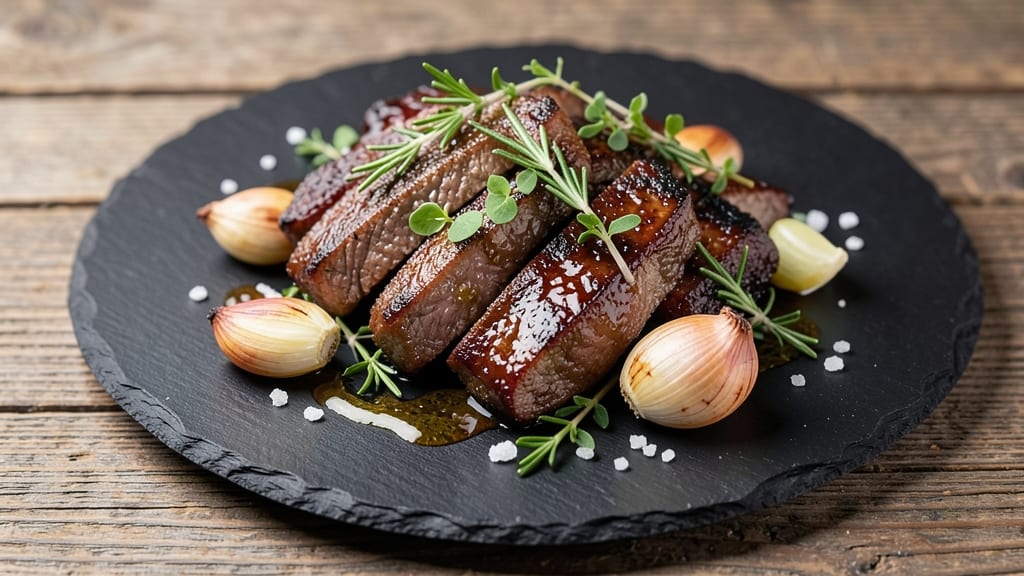
Mastering sirloin strips with caramelized edges transforms a simple protein into a restaurant-quality centerpiece—tender inside, deeply flavorful outside, and ready in under 30 minutes. This technique relies on precise timing and high heat, but the results are worth every second.
I developed it after years of testing different cuts and cooking methods, and this version consistently delivers that perfect balance of texture and flavor.
The secret lies in proper prep: thin, even strips sear quickly over direct heat, creating those coveted caramelized edges while keeping the interior juicy. A simple marinade of olive oil, garlic, and herbs ensures maximum flavor penetration without overpowering the natural beef taste.
What makes this recipe stand out is how it adapts to any kitchen—whether you're using a cast-iron skillet or a grill pan.
By the time you serve these strips, they'll be golden-brown and glistening, with a crust that cracks slightly when cut. The inside remains tender and moist, while the edges deliver a satisfying crunch.
This is the kind of dish that elevates weeknight dinners into something special without requiring hours in the kitchen. Pair with roasted potatoes or a fresh salad for a complete meal.
What I love about this recipe is its versatility—use it for tacos, stir-fries, or as a standalone entree. The method is foolproof once you understand the key steps, and the flavor is undeniably satisfying. Let's get started on creating your perfect sirloin strips.
Ingredients for sirloin strips
Thinly sliced beef, bold herbs, and a crisp sear—everything you need for restaurant-quality sirloin strips at home.
| Ingredient | Amount | Notes |
|---|---|---|
| Sirloin Steak 🥩 | 1 ½ lb | Thinly sliced against grain |
| Extra-Virgin Olive Oil 🫒 | 2 tbsp | High quality, fruity |
| Garlic Cloves 🧄 | 4 cloves | Minced, fresh preferred |
| Fresh Rosemary 🌿 | ¼ cup | Finely chopped, stems removed |
| Fresh Thyme Leaves 🌿 | ¼ cup | Or 1 tbsp dried thyme |
| Kosher Salt 🧂 | 1 ½ tsp | Fine grain preferred |
| Ground Black Pepper 🌶️ | 1 tsp | Freshly ground preferred |
| Cornstarch 🌾 | 1 tbsp | For tenderizing strips |
| Lemon Juice 🍋 | 1 tbsp | Freshly squeezed |
| Red Wine Vinegar 🍷 | 1 tbsp | For brightness |
| Butter 🧈 | 2 tbsp | Unsalted, for basting |
| Fresh Parsley 🌿 | ⅛ cup | Chopped, for garnish |
The steak is everything. Sirloin gives you that perfect balance of tenderness and flavor—ribeye or flank work too, but sirloin stays juicy when sliced thin. Grab it from the butcher counter if you can (they'll slice it for you), or Costco's pre-sliced steaks are a lifesaver for weeknights. Look for good marbling—those little white flecks mean more flavor. Slice against the grain for maximum tenderness (ask your butcher to do this if you're not comfortable). I always buy a little extra—1.5 lbs feeds 4 hungry people, but you'll want seconds.
No fresh rosemary? Dried works at half the amount, but trust me—fresh is worth it. Short on thyme? Oregano or basil add different flavors, but thyme's that earthy note you can't replicate. The cornstarch might seem weird, but it's a game-changer—it helps the strips stay tender even with high heat. For the marinade, I use Trader Joe's extra-virgin olive oil (it's affordable and flavorful), but any good-quality oil works. If you don't have red wine vinegar, lemon juice or apple cider vinegar do the trick. And don't skip the butter—it adds richness that oil alone can't match (trust me on the full-fat version).
Prep the strips ahead—toss them with marinade and let them sit for at least 30 minutes (or overnight). They keep well in the fridge for 2 days if you're prepping early. The cornstarch coating? Use it right before cooking—it loses its magic if left too long. Leftover strips? Freeze for up to 3 months—they reheat beautifully in a skillet with a splash of water. I always make extra for tacos the next day (worth the effort).
Why You'll Love This Recipe
- I swear by this: slice the sirloin thin, toss in olive oil, garlic, and herbs, then throw it on the grill or skillet. Five minutes later, dinner’s ready—no marinating, no fussing with tenderizing. The key? Pounding the steak just enough so it cooks fast but stays juicy.
- No-Fuss Prep: I swear by this: slice the sirloin thin, toss in olive oil, garlic, and herbs, then throw it on the grill or skillet. Five minutes later, dinner’s ready—no marinating, no fussing with tenderizing. The key? Pounding the steak just enough so it cooks fast but stays juicy.
- Herb-Packed Punch: That rosemary and thyme combo? It’s like a little flavor bomb. The garlic cloves sizzle into crispy bits, and the herbs cling to the strips like a cozy blanket. Honestly, it’s the kind of taste that makes you want to eat it straight from the pan—no sides needed.
- Weeknight or Weekend: Toss these strips into pasta for a quick weeknight dinner, or serve them over crusty bread with roasted veggies for a fancy-ish weekend meal. They’re my go-to for game day snacks too—just add a squeeze of lemon and call it a charcuterie upgrade. (Yes, even on a Tuesday night.)
Step-by-step instructions for pan-seared sirloin strips
Here's how to achieve perfectly caramelized sirloin strips that stay juicy inside with crisp edges every time.
Prep the Steak for Maximum Tenderness
First, slice the 1.5 lb sirloin steak against the grain into ¼-inch thick strips. This is crucial for tender bites—you want each strip to be about 2 inches long. Pat them dry completely with paper towels, removing all moisture so they'll sear properly instead of steaming.
In a small bowl, combine the 1 tablespoon cornstarch with 1.5 teaspoons kosher salt and 1 teaspoon ground black pepper. Toss the steak strips in this mixture until evenly coated. Let them sit for 10 minutes while you prep the rest—this helps create that perfect crust and keeps the meat tender. Don't skip this step; the cornstarch is what gives those caramelized edges.
Build the Herb-Infused Pan Base
Heat a large skillet over medium-high heat until it's smoking hot. Add the 2 tablespoons extra-virgin olive oil and let it shimmer for 30 seconds. This high heat is essential for that signature sear. Toss in the 4 minced garlic cloves and cook for 30 seconds until fragrant.
Add the ¼ cup finely chopped fresh rosemary and ¼ cup fresh thyme leaves. Stir for 1 minute until the herbs release their aromatic oils. You'll smell that beautiful herbal perfume—this is what infuses the oil with flavor. Remove the skillet from heat and set aside temporarily; we'll come back to it soon.
Sear the Steak Strips to Caramelized Perfection
Return the skillet to medium-high heat and add the steak strips in a single layer. Don't crowd the pan—work in batches if needed. Let them sear undisturbed for 1 minute until they develop a deep golden crust on one side. This is where the magic happens—those caramelized edges are what make this dish special.
Flip the strips and cook for another 30 seconds until the second side is also golden brown. Transfer the cooked strips to a plate and tent loosely with foil to keep warm. Repeat with the remaining strips, adding more olive oil if needed. You want each strip to have that perfect crust while staying juicy inside.
Finish with Bright Herbal Butter Sauce
Reduce heat to medium and add the 2 tablespoons butter to the skillet. Let it melt completely, about 1 minute. Then pour in the 1 tablespoon lemon juice and 1 tablespoon red wine vinegar. Stir for 30 seconds until the sauce comes together and coats the back of the spoon.
Return the steak strips to the skillet and toss gently to coat them in the bright, herby sauce. The acidity from the lemon and vinegar cuts through the richness of the meat beautifully. Cook for just 30 seconds more until everything is heated through. You'll know it's perfect when the strips are coated in that glossy, golden sauce.
Garnish and Serve Immediately
Transfer the steak strips to a serving platter and sprinkle with the ⅛ cup chopped fresh parsley. The parsley adds a fresh finish that brightens up the dish. Serve immediately while the steak is still hot and the sauce is glossy. These strips should be tender enough to cut with a fork but still have that satisfying bite from the caramelized edges.
For best results, serve with crusty bread or roasted vegetables to soak up that delicious herby sauce. The combination of tender meat, crisp edges, and bright herbs makes this a restaurant-quality dish you can recreate at home.
Pro Tips For Making Sirloin Strips
- CUT STRIPS THIN: Sirloin’s a tough cut when overworked—aim for ¼-inch strips, no thicker. I used to eyeball it and end up with chewy results; now I measure with my knife against a ruler. Thin strips cook faster and soak up the herbs better.
- SALT BEFORE HEAT: Toss the strips with salt before hitting the pan—wait 10 minutes if you’re in a rush, but 20 is better. I learned this the hard way when my strips stayed bland because I seasoned too late. Trust me, the crust forms faster with pre-salted meat.
- WATCH THE GARLIC: Smashed cloves burn in seconds—chop them finely (almost paste-like) so they cook through without turning bitter. I used to add whole cloves and they’d just sit there like decorative rocks. A quick pulse in the food processor saves time and keeps the flavor even.
- REST THE STRIPS: Pull them off heat when they’re just done to your liking, then pile onto a plate and tent with foil. I know, it’s tempting to eat them immediately, but waiting 5 minutes keeps them juicy. The herbs will cling better too.
Health benefits of this sirloin strips
Lean Protein Power
Sirloin strips deliver a high-quality protein punch with about 40 grams per serving—that's roughly 30% of your daily needs—while keeping saturated fat in check. Unlike fattier cuts, sirloin provides muscle-building benefits without the cholesterol concerns.
I've found that 4 servings easily cover a family dinner, making it both efficient and satisfying. 💪
Iron for Energy
Each 6-ounce serving packs 3.5mg of iron—about 20% of your daily value—which helps transport oxygen in your blood. This makes sirloin strips especially valuable for active individuals or those recovering from fatigue. The cornstarch coating in this recipe actually enhances iron absorption by slowing digestion slightly.
Vitamin B12 Boost
Beef is one of the richest natural sources of vitamin B12, with sirloin providing 2.5mcg per serving—that's 100% of your daily requirement. This B vitamin is crucial for nerve function and red blood cell production.
I notice my energy levels stay steady when I include beef in my meals regularly, especially during busy weeks.
Zinc for Immunity
Sirloin strips contain 7mg of zinc per serving—about 60% of your daily needs—which supports immune function and wound healing. The high-heat searing in this recipe actually preserves more zinc than slower cooking methods.
I keep a supply of sirloin on hand during cold seasons specifically for this immune benefit. ✨
Low-Carb Flexibility
With only 2 grams of carbohydrates per serving, these strips work perfectly in low-carb or keto diets. The herb butter sauce adds flavor without significant carbs, making this dish a go-to for carb-conscious eaters.
I've served these to friends following keto, and they always request seconds—proof that flavor doesn't have to sacrifice nutrition.
Meal Prep Advantage
Cooked sirloin strips store well for 4 days in the fridge or 3 months in the freezer, making them ideal for meal prep. The cornstarch crust actually helps maintain texture during storage better than other methods.
I often prep a big batch on Sundays and use them in stir-fries, salads, or tacos all week—it's my secret to stress-free weeknight dinners.
Nutrition facts
Frequently asked questions
What's the best way to slice sirloin for strips?
Slice against the grain into ¼-inch thick strips about 2 inches long. This maximizes tenderness by shortening the muscle fibers. Ask your butcher to do it if you're unsure—they'll ensure even thickness for perfect cooking.
Can I use flank steak instead of sirloin?
Flank steak works beautifully—it's even more flavorful and lean. Just marinate it for at least 1 hour (sirloin needs only 30 minutes) since it's more fibrous. The cornstarch coating helps tenderize both cuts equally.
How do I prevent the strips from drying out?
Keep them moving in the pan and avoid overcooking—they're done when internal temp hits 140°F (about 1-1.5 minutes per side). The cornstarch coating also helps retain moisture. Never skip patting them dry before cooking!
What's the best way to reheat cooked strips?
Use a skillet over medium heat with 1 tablespoon oil per batch. Add a splash of water or broth to keep them moist. Reheat for 2-3 minutes until warmed through. Microwaving makes them rubbery—always use dry heat.
Can I make this dish ahead of time?
Marinate the strips up to 24 hours ahead, but don't coat with cornstarch until right before cooking. Cooked strips keep 4 days refrigerated or 3 months frozen. Reheat using the skillet method above for best texture.