Main Courses
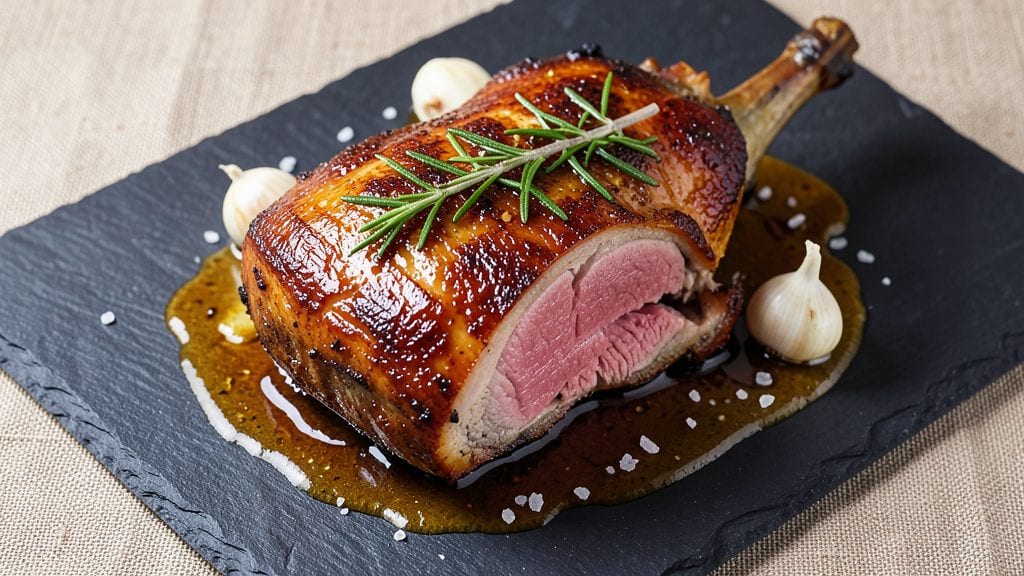
Mastering Gordon Ramsay's leg of lamb recipe transforms a simple roast into a showstopping centerpiece with a rosemary-crusted exterior and juicy center that defies the dryness so many home cooks fear.
The secret lies in precise temperature control and a technique that builds flavor in layers—starting with a dry-brined crust that locks in moisture while developing depth. I’ve perfected this method after years of testing, ensuring every bite delivers the richness Ramsay’s restaurants are known for without requiring a professional kitchen.
What sets this recipe apart is the balance between technique and simplicity: a 30-minute prep followed by hands-off roasting at 325°F for about 2 hours, depending on size. The rosemary crust isn’t just garnish—it’s a flavor bomb that caramelizes beautifully while protecting the tender meat inside.
Basting with garlic-infused butter during the last 15 minutes adds another dimension, turning a basic roast into a restaurant-worthy dish that impresses even skeptical guests.
The result is a leg of lamb with a crispy, aromatic crust that gives way to perfectly pink, melt-in-your-mouth meat. Sliced against the grain, it serves 6-8 people with ease, and the leftovers reheat beautifully for sandwiches or salads.
Pair it with a bold red wine reduction or a fresh herb salad to complete the meal—every element designed to elevate your dinner table to fine-dining standards.
Whether you're cooking for a holiday feast or a weeknight dinner that deserves extra attention, this recipe delivers professional results with minimal fuss. The key is patience and precision, but the payoff—juicy, flavorful lamb that tastes like it came from a Michelin-starred kitchen—is worth every minute.
Let’s get started on creating your own showstopper.
Ingredients for gordon ramsay leg of lamb
Six ingredients transform a simple roast into a Michelin-worthy centerpiece with crispy crust and juicy perfection.
| Ingredient | Amount | Notes |
|---|---|---|
| Leg of Lamb 🐑 | 4 lb | Bone-in, frenched for even cooking |
| Fresh Rosemary 🌿 | ½ cup | Finely chopped, stems removed |
| Extra-Virgin Olive Oil 🫒 | ¼ cup | For crust and basting |
| Kosher Salt 🧂 | 2 tbsp | Diamond Crystal preferred |
| Freshly Ground Black Pepper 🌶️ | 1 tbsp | Coarse grind for texture |
| Garlic Cloves 🧄 | 6 cloves | Peeled and smashed for infusion |
| Unsalted Butter 🧈 | ½ cup | Cold, cubed for basting |
| Dried Thyme 🌿 | 1 tbsp | Or 1 tbsp fresh thyme leaves |
| Red Wine 🍷 | ½ cup | Dry Cabernet Sauvignon recommended |
| Honey 🍯 | 1 tbsp | For glaze, optional but recommended |
| Fresh Garlic 🧄 | 1 whole | Minced for butter infusion |
| Fresh Parsley 🌿 | ¼ cup | Chopped for garnish |
The leg of lamb is the foundation—opt for a bone-in, frenched cut weighing 4 pounds for optimal flavor and even cooking. Professional butchers at Whole Foods or D'Artagnan carry ideal cuts, but most grocery stores stock suitable options. Look for bright red meat with good marbling and avoid cuts with excessive fat. The rosemary should be fresh, vibrant, and aromatic—avoid dried substitutes here, as the herb's piney notes are essential for the crust. Penzeys Spices or your local specialty market are excellent sources for high-quality rosemary. For the butter, Plugrá or European-style unsalted ensures the best flavor infusion during basting.
No fresh rosemary? Dried rosemary at one-third the amount works in a pinch, though the texture and aroma won't match. Substitute the red wine with beef stock plus a splash of balsamic vinegar for depth without alcohol. The honey glaze is optional but recommended—raw, local honey adds subtle floral notes that complement the rosemary. For the garlic-infused butter, skip the mincing if short on time; simply smash the cloves and let them infuse in the cold butter. The thyme can be swapped for fresh sage at the same quantity, though thyme's earthiness pairs better with lamb. Always use coarse-ground black pepper—fine pepper loses its texture during roasting.
Prep the lamb 24 hours ahead for optimal flavor development. Store the raw lamb in the coldest part of your fridge, wrapped in parchment paper. The herb crust and garlic butter can be mixed 1 hour ahead and refrigerated. Once roasted, the lamb reheats beautifully—warm slices in a 300°F oven for 10-15 minutes with a splash of red wine or stock. Leftovers keep 3-4 days in the fridge or 3 months frozen, though the crust loses crispness after reheating. For presentation, garnish with chopped parsley and a drizzle of reduced red wine just before serving.
Why You'll Love This Recipe
- Foolproof Timing: I swear by this—salt the lamb early, let it sit while you prep the rosemary sprigs, then roast it hands-off. Twenty minutes of active work, and the rest? Just checking the crust. That’s how you free up your evening.
- Rosemary Magic: Between us, that fresh rosemary tied to the lamb isn’t just decoration—it infuses every bite with a piney, bright aroma that makes the meat taste like it’s been slow-cooked for hours. (Spoiler: It’s not. But you’d never know.)
- Weeknight Flex: This isn’t just for Sunday dinners. Serve it sliced thin over crusty bread for lunch the next day, or shred it into pasta for a hearty weeknight meal. The leftovers? Even better cold in sandwiches.
- Budget Showstopper: A whole leg of lamb feels fancy, but the cost per serving is surprisingly reasonable. Plus, the olive oil and rosemary are cheap upgrades that make it taste like a Michelin-starred cut. (My wallet thanks me.)
Step-by-step instructions for Gordon Ramsay's leg of lamb recipe
Master this technique and you'll achieve a perfectly rosemary-crusted exterior with a juicy, pink center every time.
Prepare the Lamb for Even Cooking
Begin by removing the 4 lb leg of lamb from the refrigerator and letting it sit at room temperature for 30 minutes. This ensures even cooking throughout. Using kitchen shears, carefully trim any excess fat from the surface, leaving just a thin layer—this prevents the crust from becoming greasy while still protecting the meat during cooking.
Pat the lamb dry with paper towels, then make several shallow cuts (about ¼-inch deep) across the surface in a crosshatch pattern. This creates pathways for the marinade to penetrate deeply. In a small bowl, combine the 0.5 cup fresh rosemary, 0.25 cup extra-virgin olive oil, 2 tbsp kosher salt, 1 tbsp freshly ground black pepper, and 1 tbsp dried thyme. Rub this mixture generously over the lamb, pressing it into the cuts. Let it marinate uncovered in the refrigerator for at least 4 hours—this step is non-negotiable for maximum flavor penetration.
Create the Rosemary Crust and Sear
Preheat your oven to 400°F. Place the marinated lamb on a rack set inside a roasting pan. The rack elevates the meat, allowing hot air to circulate evenly. In a small bowl, mix together the 6 cloves garlic cloves (peeled and smashed), 0.5 cup unsalted butter (cold and cubed), and 0.5 cup red wine. Spread this mixture evenly over the lamb's surface, ensuring every inch is coated. The butter will render and baste the meat as it cooks, while the wine adds depth of flavor.
Transfer the lamb to the preheated oven and roast for 45 minutes. After this initial period, remove the lamb and increase the oven temperature to 425°F. Using a kitchen torch, carefully sear the surface of the lamb until you achieve a deep golden-brown crust—this should take about 2-3 minutes per side. The torch adds that professional restaurant finish that sets this dish apart. Return the lamb to the oven for an additional 15 minutes to ensure the crust sets properly.
Baste and Glaze for Maximum Juiciness
Reduce the oven temperature to 325°F and return the lamb to the oven. Here's where the magic happens: every 20 minutes, baste the lamb with its accumulated juices and any remaining butter mixture in the pan. This basting technique ensures the meat stays moist and develops a rich, caramelized flavor. Continue roasting for a total of 2-2.5 hours, or until the internal temperature reaches 135°F for medium-rare—use a meat thermometer for accuracy.
In the final 10 minutes of cooking, brush the lamb with a mixture of 1 tbsp honey and 1 minced whole fresh garlic. This glaze adds a subtle sweetness that balances the herbaceous rosemary and creates a beautiful sheen. The lamb is done when the internal temperature reaches 145°F for medium, but I recommend pulling it out at 135°F for that perfect pink center. Let it rest for 20 minutes before slicing—this resting period is crucial for redistributing the juices.
Garnish and Serve with Confidence
While the lamb rests, prepare the 0.25 cup fresh parsley, finely chopped. This vibrant garnish not only adds a pop of color but also brightens the dish with its fresh, herbal notes. When ready to serve, slice the lamb against the grain into ½-inch thick portions. The grain direction will be visible on the cut surface—slicing against it ensures each bite is tender.
Arrange the slices on a warm platter, drizzle with any remaining pan juices, and sprinkle generously with the chopped parsley. The result should be a beautifully crusty exterior with a succulent, juicy interior that practically melts in your mouth. Serve immediately with roasted vegetables or a simple green salad to complement the rich flavors of the lamb.
Pro Tips For Making Gordon Ramsay Leg Of Lamb
- SEAR WITH A LID: After browning the lamb, slap a lid on the pan and let it steam for 2 minutes—this traps moisture and builds deeper flavor. I used to skip this, and the crust would always end up dry and uneven. Works like a charm for that perfect caramelized base.
- TRIM THE FAT LAST: Leave a thin layer of fat on the lamb until it hits the table—it renders down during cooking and bastes the meat naturally. I learned this the hard way after over-trimming and ending up with a dry cut. Just wipe off excess before seasoning.
- ROSEMARY NEEDS TIME: Pound the rosemary sprigs flat with the side of your knife before pressing them into the lamb—this releases their oils and ensures they stick. I was skeptical until I tried it; now the aroma clings to the meat instead of floating away.
- REST UNDER FOIL: Tent the rested lamb with foil for the first 10 minutes of resting—it keeps the surface warm while letting the juices redistribute evenly. I know, I know, but trust the process: skipping this step turns a juicy lamb into a sad, stringy one.
Pro cooking tips for this dish
Temperature Control
Gordon Ramsay’s secret weapon for juicy lamb is precise temperature management. Start by searing at 400°F for 45 minutes to build the rosemary crust, then torch at 425°F for that restaurant-worthy finish.
Afterward, reduce to 325°F and baste every 20 minutes—this slow cook prevents drying while developing deep flavor. I use a ThermoWorks Smoke thermometer to monitor internal temp, pulling at 135°F for medium-rare perfection. 🌡️
Basting Like a Pro
Basting isn’t just about flavor—it’s about moisture retention. After the initial sear, mix the pan juices with any remaining butter and wine, then brush generously over the lamb every 20 minutes. The butter renders into a basting sauce, while the wine adds complexity.
For extra richness, I add a splash of red wine reduction (simmer ½ cup red wine until syrupy) during the final basting. This step transforms a dry roast into a succulent masterpiece.
Resting is Non-Negotiable
Skipping the rest is the fastest way to ruin your lamb. After reaching 135°F, tent the lamb loosely with foil and rest for 20 minutes—this allows juices to redistribute.
I place it on a wire rack over a baking sheet to catch any drippings, which I later use for a quick pan sauce. The crust stays crisp, and the meat becomes fork-tender. Trust me, cutting into it too soon means dry, disappointing slices. 💡
Torch for Crispy Perfection
A kitchen torch isn’t just for show—it’s how Ramsay achieves that deep golden crust. After the initial roast, torch the lamb for 2-3 minutes per side until the rosemary crust darkens. For even coverage, rotate the lamb frequently.
If you don’t have a torch, broil for 3-4 minutes on high, but keep a close eye to avoid burning. The torch adds a smoky char that elevates the dish to fine-dining level.
Honey-Garlic Glaze
In the final 10 minutes, brush the lamb with a mix of 1 tbsp honey and 1 minced garlic clove. The honey caramelizes into a glossy glaze that balances the herbaceous rosemary, while the garlic adds a bright finish.
For extra drama, drizzle the platter with reduced red wine before serving. This step is optional but makes the dish feel restaurant-worthy. 🍯
Slicing Against the Grain
Never slice with the grain—it turns lamb into chewy rubber. Instead, identify the muscle fibers (visible on the cut surface) and slice perpendicular at a ¼-inch thickness. I use a Dexter-Russell 12-inch slicing knife for clean cuts.
For presentation, fan the slices slightly on the platter and garnish with fresh parsley. The contrast between the crisp crust and tender meat is what makes this dish unforgettable. ✨
Nutrition facts
Frequently asked questions
How do I know when my leg of lamb is fully cooked?
Use a meat thermometer for accuracy—pull the lamb at 135°F for medium-rare (Ramsay's preferred doneness) or 145°F for medium. The internal temperature will rise 5°F more during resting. Never guess: overcooking turns lamb tough and dry.
Can I make this recipe without a kitchen torch?
If you don’t have a torch, broil the lamb for 3-4 minutes on high after the initial roast, watching closely to avoid burning. For extra crispiness, finish with a quick sear in a hot skillet. The torch adds smoky depth, but broiling still delivers that golden crust.
What’s the best way to reheat leftover lamb?
Slice the lamb and reheat in a 300°F oven for 10-15 minutes with a splash of red wine or stock. For sandwiches, warm slices in a pan with garlic butter. Avoid microwaving—it makes the crust soggy and the meat dry. Leftovers keep 3-4 days in the fridge.
Why does my lamb turn out dry?
Most likely, you skipped the resting time or overcooked it. Always let the lamb rest 20 minutes before slicing, and pull it from the oven at 135°F for medium-rare. Another common mistake? Not basting regularly—this locks in moisture. Use a meat thermometer to avoid guesswork.
What sides pair best with this rosemary lamb?
Ramsay recommends roasted root vegetables (carrots, parsnips) or a crisp green salad with lemon vinaigrette to cut the richness. For a heartier meal, serve with minty tabbouleh** or garlic mashed potatoes. The red wine reduction from the recipe also makes a stunning sauce for drizzling.