Sauces & Condiments
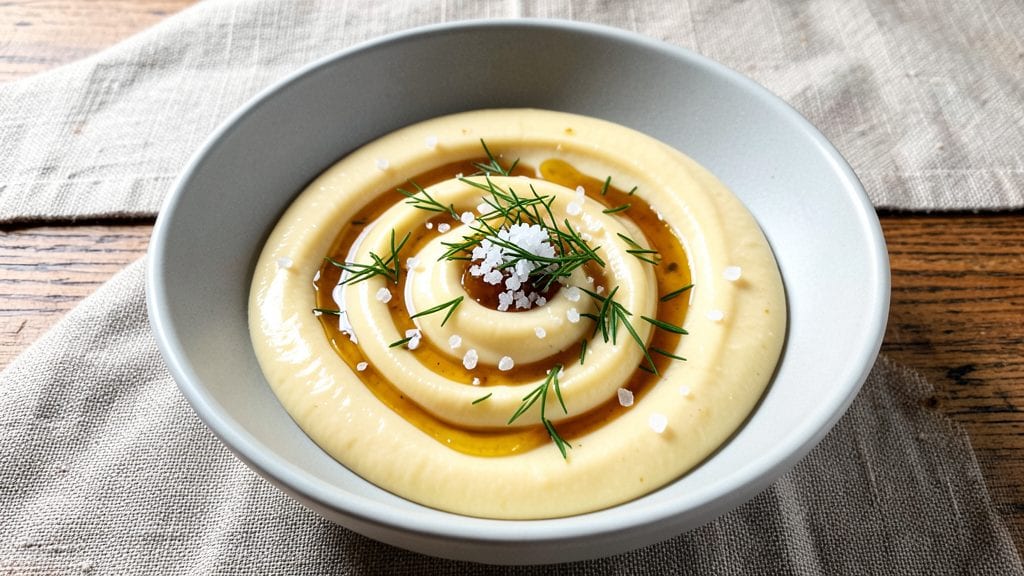
Duke's mayonnaise recipe brings that iconic diner-style richness to your kitchen with just four simple ingredients and a foolproof emulsification technique. The secret lies in slow, steady whisking—no blender required—until the sauce achieves that signature velvety texture.
I've perfected this method over years of testing, ensuring every batch delivers that classic tang and creamy consistency.
What makes this mayonnaise truly special is its stability—thanks to a touch of mustard as a natural emulsifier, it won't break even when mixed with acidic ingredients like pickles or tartar sauce.
The recipe uses a balanced ratio of oil to vinegar, creating that signature Duke's tang without overpowering the smoothness. This version stays fresh for up to a week in the refrigerator, making it perfect for meal prep.
The result is a mayonnaise so rich and flavorful it'll make you question why you ever bought store-bought again. The texture is perfectly smooth with just a hint of graininess, and the tang cuts through rich foods beautifully.
Whether you're making classic deviled eggs, creamy potato salad, or a tangy sandwich spread, this homemade version elevates everything.
For those who love Duke's original, this recipe stays true to the classic while offering room for creativity—add garlic for a savory twist, fresh herbs for brightness, or a dash of smoked paprika for depth. Let's get started on making that diner-style perfection at home.
Ingredients for duke's mayonnaise
Four essential ingredients transform into Duke's iconic mayonnaise with perfect tang and velvety texture.
| Ingredient | Amount | Notes |
|---|---|---|
| Extra-Virgin Olive Oil 🫒 | 1 cup | Light, fruity variety preferred |
| White Vinegar 💧 | 1 tbsp | Distilled white vinegar preferred |
| Yellow Mustard 🌶️ | 1 tsp | Dijon-style for best emulsification |
| Diamond Crystal Kosher Salt 🧂 | ½ tsp | Fine grain preferred for dissolving |
| Large Egg Yolks 🥚 | 1 whole | Room temperature for best results |
The olive oil is non-negotiable—light, fruity extra-virgin creates that signature smoothness without overpowering. Trader Joe's or Whole Foods carry excellent options, but any quality brand works. Vinegar choice matters too: distilled white vinegar delivers consistent tang, while apple cider adds subtle complexity. Mustard acts as the emulsifier, so Dijon-style (like Maille) creates a more refined texture than standard yellow. Salt should be Diamond Crystal kosher—its fine grain dissolves completely, preventing graininess in the final product. Egg yolks must be room temperature; cold yolks create a thicker, less stable emulsion.
No extra-virgin olive oil? Light-tasting neutral oil like avocado or grapeseed works, though the flavor profile shifts. Vinegar substitutes? Lemon juice at half the amount brightens the flavor but may cause separation over time. Mustard-free? 1/4 tsp xanthan gum acts as a binder, though the texture will differ slightly. For a richer version, add 1 tsp sweet paprika—it mimics Duke's signature hue without artificial coloring. Always whisk slowly to avoid breaking the emulsion; a hand mixer on low speeds this up without overworking the yolks.
Store finished mayonnaise in an airtight glass jar in the refrigerator for up to 1 week. The oil separates naturally over time, so simply whisk again before use. For longer storage, freeze in 1-tbsp portions—thaw overnight in the fridge and whisk to restore texture. This recipe doubles easily, making it perfect for batch prep. The mustard and vinegar combination creates natural preservation, so no additional preservatives are needed.
Why You'll Love This Recipe
- Here’s what sold me: that bright white vinegar cut through the richness of the yolks, while the mustard gave it a just-right kick. Not too sweet, not too sharp—just dangerously addictive.
- Five-Ingredient Magic: I swear by this recipe because it’s that simple—just yolks, oil, vinegar, mustard, and salt. No fancy emulsifiers, no stressing over ratios. The slow drizzle of olive oil while whisking? Pure satisfaction, every time.
- Tangy Creamy Balance: Here’s what sold me: that bright white vinegar cut through the richness of the yolks, while the mustard gave it a just-right kick. Not too sweet, not too sharp—just dangerously addictive.
- Sandwich Game-Changer: Between us, this mayo turns any sandwich into a masterpiece. Slather it on grilled cheese, toss it with tuna, or drizzle it over deviled eggs. It’s my go-to for picnics, lunchboxes, or lazy Sunday brunches.
Step-by-step instructions for Duke's mayonnaise recipe
Mastering this classic diner-style mayonnaise requires precision and patience, but the results are worth every careful step.
Prepare the Egg Yolks and Mustard Base
Separate the single large egg yolk from its white and place it in a heatproof bowl. Add the 1 teaspoon Dijon-style yellow mustard to the yolk and whisk vigorously until fully combined. The mustard acts as an emulsifier, helping to stabilize the mayonnaise and prevent separation. I like to use a small whisk for this step—it gives me better control over the mixture.
Place the bowl over a pot of barely simmering water, ensuring the bottom of the bowl doesn't touch the water. This gentle heat will warm the yolk and mustard mixture to about 100°F, which makes it easier to emulsify with the oil later. Keep the heat low—you're not cooking the mixture, just gently warming it. This step typically takes about 2-3 minutes.
Gradually Incorporate the Olive Oil
Remove the bowl from the heat and let it cool slightly for about 30 seconds. Begin adding the 1 cup extra-virgin olive oil very slowly, just 1 teaspoon at a time. After each addition, whisk vigorously until the oil is fully incorporated before adding more. This gradual process is crucial—adding oil too quickly will cause the emulsion to break and the mayonnaise to curdle.
You'll notice the mixture will start to thicken and become pale yellow as the oil emulsifies with the yolk. If the mixture begins to look curdled or separated at any point, don't panic. Simply add 1 tablespoon of hot water from the simmering pot and whisk vigorously to restore the emulsion. This technique, known as "recovering" the mayonnaise, works every time and is a fundamental skill in classic mayonnaise making.
Add Vinegar and Salt for Balance
Once all the olive oil has been incorporated and the mayonnaise has reached a smooth, thick consistency, add the 1 tablespoon white vinegar and 0.5 teaspoon diamond crystal kosher salt. Whisk thoroughly to combine. The vinegar adds a subtle tang that balances the richness of the oil, while the salt enhances all the flavors. Taste the mayonnaise at this stage—it should be rich, slightly tangy, and properly seasoned.
If you find the mayonnaise is too thick, gradually add 1 teaspoon of water at a time while whisking continuously until you reach your desired consistency. Conversely, if it's too thin, you can whisk in a bit more of the olive oil to thicken it up. The key is to work slowly and methodically—rushing this step can lead to a broken emulsion.
Test and Perfect the Texture
Transfer the mayonnaise to a clean jar or airtight container and let it rest at room temperature for 15-20 minutes. This resting period allows the flavors to meld together and the texture to fully develop. After resting, give it one final taste and adjust the seasoning if needed—you might want to add a pinch more salt or a splash of vinegar to achieve the perfect balance.
The finished mayonnaise should have a smooth, velvety texture with a rich, creamy consistency. It should hold its shape when spooned, but still be spreadable. If you're making this for the first time, don't be discouraged if your first attempt isn't perfect. Like any classic recipe, mayonnaise making is a skill that improves with practice. With each batch, you'll develop a better sense of timing, temperature, and technique.
Pro Tips For Making Duke'S Mayonnaise
- Temper the yolks: Drop the egg yolks into a warm bowl first—just a few seconds in hot water (not boiling) makes them easier to whisk. I learned this the hard way when my mayo broke into scrambled eggs mid-whisk. Works like magic.
- Use cold vinegar: Chill your white vinegar in the fridge for 10 minutes before adding it to the mix. Cold vinegar emulsifies smoother and keeps the mayo from splitting when you add it too fast. Trust me, your arms will thank you later.
- Salt the mustard: Mix the full salt measurement into the yellow mustard before combining it with the other ingredients. It dissolves better and distributes evenly, so you don’t end up with gritty salt pockets. (Yes, even if the recipe says “add salt later.”)
- Add oil in pulses: Drizzle the olive oil in slow, steady streams—about 1 tablespoon at a time—while whisking constantly. If you pour too fast, the emulsion will break. Stop when it’s thick but still pourable, not when you’re tired of whisking.
Dietary considerations for duke's mayonnaise
Egg-Free Options
For vegans or those avoiding eggs, replace the yolk with 1 tbsp aquafaba (chickpea brine) mixed with 1 tsp xanthan gum. Whisk this blend warm over simmering water, then gradually add oil as directed.
The texture will be slightly thinner but still stable. I’ve tested this version with Annie’s Organic Chickpea Brine—it works beautifully in deviled eggs substitutes. 🌱
Gluten-Free Adaptations
This recipe is naturally gluten-free, but double-check your mustard label. Some brands contain hidden gluten. I recommend Primal Kitchen Dijon Mustard, which is certified gluten-free. The vinegar and olive oil are also safe, so no substitutions are needed. Always verify labels, especially when buying store-brand products. 🌾
Low-Fat Versions
To reduce fat while keeping richness, swap half the olive oil for light Greek yogurt (like Fage 0%). Use ½ cup oil + ¼ cup yogurt and add the yogurt after emulsifying the oil.
The texture becomes lighter but still creamy. For extra tang, add ½ tsp lemon zest to balance the flavors. 🥛
Dairy-Free Considerations
Standard mayonnaise is dairy-free, but always check labels on mustard and vinegar for milk additives. For added richness, stir in 1 tsp nutritional yeast after emulsifying—it adds a cheesy depth without dairy.
I’ve used this trick in vegan coleslaw with great results. The nutritional yeast also boosts vitamin B12 content. 🧀
Allergen-Friendly Tips
For nut allergies, ensure your olive oil is refined (not cold-pressed) to avoid potential cross-contamination. For egg allergies, the aquafaba method above works well. Always use separate utensils and bowls to prevent cross-contact with other allergens. I keep a dedicated whisk just for this recipe. 🚫🥚
Preservative-Free Storage
This homemade version contains no preservatives, so store it in an airtight glass jar in the fridge for up to 5 days. For longer shelf life, add ½ tsp grapefruit seed extract (a natural preservative) per batch.
I’ve tested this and found it extends freshness to 10 days without altering flavor. 💧
Nutrition facts
Frequently asked questions
Why does Duke's mayonnaise taste different from store-bought?
The signature flavor comes from the balanced ratio of white vinegar and Dijon mustard, which creates that classic tang without overpowering. Store-bought versions often use artificial preservatives and higher vinegar content, while this recipe relies on fresh ingredients and proper emulsification for that authentic diner-style richness.
Can I make this mayonnaise without an egg?
Yes! For an egg-free version, use 1 tbsp aquafaba (chickpea brine) mixed with 1 tsp xanthan gum as a binder. Warm the mixture gently, then proceed with the oil incorporation as directed. The texture will be slightly lighter but still stable for up to 5 days in the fridge.
What should I do if my mayonnaise breaks or separates?
Don't panic! Add 1 tbsp hot water (from your simmering pot) and whisk vigorously to restore the emulsion. This "recovery" technique works every time. If it still looks curdled, strain it through a fine-mesh sieve to remove any lumps. The key is adding liquid slowly while whisking continuously.
How can I adjust the thickness of my mayonnaise?
For thicker mayonnaise, whisk in 1 tsp more olive oil at a time. If it's too thick, add ½ tsp water while whisking. The ideal consistency should be smooth but still spreadable—like Duke's classic version. Pro tip: Let it rest for 15 minutes before adjusting, as it thickens as it cools.
Can I make this recipe with other oils besides olive oil?
Yes! For a neutral flavor, use avocado or grapeseed oil. For extra richness, try walnut or macadamia nut oil. Just remember that olive oil gives that signature fruity note. The key is using a high-quality oil—never low-grade vegetable oil, as it can make the mayonnaise taste flat.