Sauces & Condiments
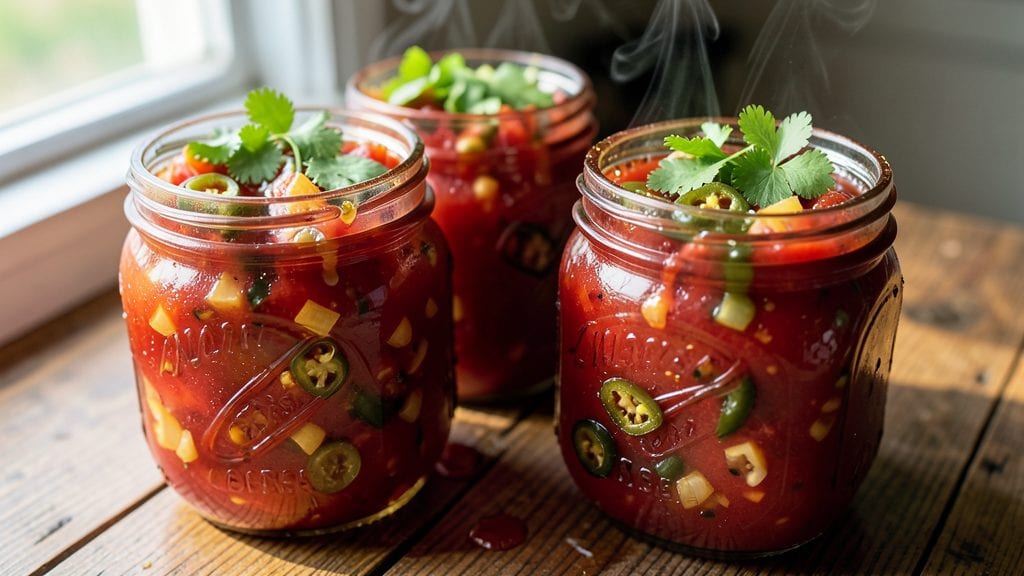
This canned salsa recipe without vinegar delivers the same vibrant, zesty flavor you love—just with a bright, tangy twist using lemon juice instead. The secret lies in balancing acidity, salt, and cooking time to preserve texture while keeping the jar shelf-stable for months.
I developed this version after realizing vinegar-free salsa could still achieve that perfect balance of heat and freshness, especially for those avoiding vinegar for dietary or flavor preferences.
The process is straightforward but requires precision: sterilizing jars, simmering the salsa to the right consistency, and ensuring proper sealing. You’ll use 15 minutes of active cooking time, but the prep work—like selecting ripe tomatoes and fresh peppers—is what truly elevates the flavor.
The result? A salsa that’s smooth yet chunky, with a bright acidity that comes from lemon juice and salt, not vinegar.
What sets this recipe apart is its versatility—use it as a dip, topping, or marinade, and it stays fresh-tasting for up to a year in the pantry.
The sterilization process guarantees safety, while the lemon juice and salt work together to mimic vinegar’s preserving power without overpowering the natural tomato flavor. Every batch turns out vibrant, with just the right amount of heat and freshness.
Perfect for meal prep, gifting, or stocking your pantry for quick weeknight meals. The key is patience during the canning process—don’t rush the sterilization or sealing, as this ensures your salsa stays safe and delicious for months. Let’s get started on a batch that’ll last all year.
Ingredients for canned salsa recipe without vinegar
Fresh tomatoes, peppers, and citrus create vibrant salsa without vinegar—just 10 ingredients for shelf-stable flavor.
| Ingredient | Amount | Notes |
|---|---|---|
| Ripe Roma Tomatoes 🍅 | 4 lb | Freshly washed, cored, quartered |
| Jalapeño Peppers 🌶️ | 4 whole | Seeds removed for mild heat |
| Yellow Onion 🧅 | 1 whole | Diced, about 1 cup |
| Fresh Cilantro 🌿 | ½ cup | Chopped, stems removed |
| Fresh Lime Juice 🍋 | ½ cup | Freshly squeezed, strained |
| Lemon Juice 🍋 | ½ cup | Freshly squeezed, strained |
| Salt 🧂 | 2 tbsp | Diamond Crystal preferred |
| Granulated Garlic 🧄 | 1 tbsp | Freshly minced preferred |
| Canning Salt 🧂 | 1 ½ tsp | Non-iodized, for sterilization |
| Pint Mason Jars 🥫 | 4 whole | New, sterilized jars with lids |
The tomatoes are the heart of this salsa. Roma tomatoes have the perfect balance of sweetness and acidity, but any ripe, flavorful variety works. I always grab heirloom or vine-ripened from the grocery store’s produce section—look for firm but slightly soft spots. The jalapeños should be bright green and firm; avoid any with wrinkles or soft spots. Fresh cilantro adds brightness, but if you're sensitive to its flavor, substitute 1 tbsp dried cilantro (it’s stronger, so use sparingly). For the citrus, fresh lime and lemon juice are non-negotiable—they’re the secret to that bright, tangy flavor that replaces vinegar. If you can’t find fresh, bottled citrus juice with no added sugar works in a pinch, but it won’t taste quite the same.
No fresh garlic? Granulated garlic works fine, but freshly minced is always better. The salt is crucial here—Diamond Crystal kosher salt dissolves more easily, but any non-iodized salt will do. For sterilization, canning salt is ideal, but you can use regular salt if that’s all you have. The mason jars need to be new and sterilized—boiling them for 10 minutes ensures they’re safe for canning. If you’re short on time, sterilizing in the dishwasher on high heat also works. The jars should be hot when you fill them to prevent bacteria growth. Pro tip: Label your jars with the date—they’ll keep for up to a year in the pantry.
This salsa reheats beautifully, but it’s best enjoyed fresh out of the jar. Store unopened jars in a cool, dark place for up to 12 months. Once opened, refrigerate and use within 2 weeks. The flavor actually improves over time, so don’t be afraid to make a big batch. If you’re gifting, tie a ribbon around the jar and include a handwritten note—it makes a great homemade present. The sterilization process ensures safety, but always check the seals on the jars before storing. If the lid pops when you press it, it didn’t seal properly and should be refrigerated immediately.
Why You'll Love This Recipe
- No Vinegar, No Problem: I’ll admit—skipping vinegar was my first hesitation, but those Roma tomatoes and lime juice steal the show. The acidity from the lime brightens everything, while the jalapeños add just enough kick without overpowering. It’s fresh, balanced, and honestly, I can’t taste the difference from store-bought.
- Five-Ingredient Magic: Between us, this is the kind of recipe where you chop, blend, and can. That’s it. The onions caramelize just enough in the heat, the cilantro stays bright (no wilting here), and the lime juice ties it all together while you’re doing it. My lazy Sundays just got a whole lot easier.
- Taco Night Every Night: This salsa is my secret weapon for quick meals—dump it on tacos, eggs, or even grilled fish. The onions add sweetness that plays perfectly with the smoky char of fajita veggies, and the jalapeños let you adjust heat to the crowd. (Yes, even on a Tuesday night.)
- Pantry Goldmine: I make a big batch, can it, and forget about it—until I need it. The tomatoes hold up beautifully, and the lime keeps things vibrant for months. It’s cheaper than buying jars, and honestly? My freezer’s full of backups because I can’t resist using it. Budget win, flavor win.
Step-by-step instructions for canned salsa without vinegar
Here's how to make vibrant, tangy salsa that stays fresh for months—no vinegar needed.
Prepare and Sterilize Your Equipment
First, wash the 4 whole Pint Mason Jars and their lids in hot, soapy water, then rinse thoroughly. Place them in a large pot and cover with water. Bring to a boil for 10 minutes to sterilize completely. Meanwhile, prepare your workspace by laying out the 4 lb Ripe Roma Tomatoes, 4 whole Jalapeño Peppers, 1 whole Yellow Onion, and 0.5 cup Fresh Cilantro.
While the jars sterilize, chop the ripe roma tomatoes into quarters, remove the cores, and place them in a large mixing bowl. Dice the yellow onion into small pieces—about 1 cup total—and add it to the tomatoes. Remove seeds from the jalapeño peppers for milder heat, then finely chop them and add to the bowl. This prep work ensures everything is ready when you're ready to cook.
Cook the Salsa Base
Transfer the chopped tomatoes, onion, and jalapeños to a large pot. Add the 2 tbsp Salt and 1 tbsp Granulated Garlic, then stir well to combine. Bring the mixture to a boil over medium-high heat, then reduce the heat to medium-low and let it simmer for 10 minutes, stirring occasionally. You'll see the mixture soften and release its juices—this is when the flavors start melding together.
After 10 minutes, use a potato masher or wooden spoon to crush the tomatoes slightly, leaving some texture for a rustic finish. Taste the mixture and adjust the salt if needed. The goal is a balanced flavor profile—bright, slightly spicy, and savory. If the salsa tastes too mild, add a pinch more salt; if it's too sharp, a splash of water can help mellow it out.
Finish with Citrus and Herbs
Remove the pot from heat and let it cool slightly for 5 minutes. Stir in the 0.5 cup Fresh Lime Juice and 0.5 cup Lemon Juice—this adds the tangy brightness that replaces vinegar. Add the 0.5 cup Fresh Cilantro and mix gently to avoid bruising the leaves. Let the salsa cool to room temperature, stirring occasionally. The citrus will infuse the flavors and help preserve the salsa naturally.
Once cooled, taste again and adjust seasoning if needed. The salsa should be vibrant, slightly spicy, and well-balanced. If it's too thick, add a little water or reserved cooking liquid to reach your desired consistency. This step is where the magic happens—the citrus and herbs elevate the flavors and give the salsa its signature freshness.
Fill and Seal the Jars
Using a ladle or large spoon, carefully fill each of the 4 whole Pint Mason Jars with the salsa, leaving about ½-inch of headspace at the top. Tap the jars gently on the counter to remove any air bubbles trapped in the salsa. Wipe the rims of the jars with a clean, damp cloth to ensure a proper seal.
Place the lids on the jars and screw the bands down until they're fingertip-tight. Return the jars to the pot of boiling water, ensuring they're fully submerged. Bring the water back to a boil and process the jars for 15 minutes. This step kills any bacteria and creates a vacuum seal, preserving your salsa for months. After processing, remove the jars and let them cool completely on a towel-lined surface.
Store and Enjoy
Once the jars have cooled and sealed, check the lids to ensure they're concave—this indicates a proper seal. Store the jars in a cool, dark place, like a pantry or cellar. Your salsa will keep for up to 1 year unopened. When ready to use, simply open a jar and enjoy the bright, zesty flavors you've created without any vinegar.
This salsa is perfect for dipping, topping tacos, or pairing with grilled meats. The citrus and herbs keep it fresh-tasting, while the natural acidity from the lime and lemon juice ensures it stays vibrant. You'll love how versatile and delicious this homemade salsa is—no vinegar needed!
Pro Tips For Making Canned Salsa Recipe Without Vinegar
- Char the Tomatoes First: Toss halved Roma tomatoes in a dry skillet over medium-high heat for 2-3 minutes per side until blackened in spots. This deepens their flavor and cuts through the vinegar’s absence—trust me, your salsa will taste like it’s been simmering for hours.
- Remove Jalapeño Seeds Slowly: Cut open jalapeños and scrape seeds with a spoon, but leave the white pith intact—it holds the heat. I used to yank seeds out too fast and ended up with watery, mild salsa. Work patiently for consistent kick.
- Salt the Onions Early: Thinly slice the yellow onion and toss it with ½ teaspoon salt immediately. Let it sit for 10 minutes while you prep other ingredients—this softens the texture and draws out moisture, so your salsa stays bright, not soggy.
- Blend in Stages: Pulse the ingredients in a food processor in two batches: first blend everything except cilantro and lime, then add those last. This keeps the cilantro bright and the lime from overpowering. (Yes, even if you’re impatient like me.)
Storing and reheating your canned salsa recipe without vinegar
Pantry Storage Secrets
Store unopened jars in a cool, dark pantry where temperatures stay between 50-70°F. The dark environment prevents light from degrading the colors and flavors over time. I place my jars on a shelf away from the stove or oven to avoid heat fluctuations that can compromise the seal.
Label each jar with the date—your salsa will maintain peak flavor for up to 12 months, though I find the best taste within the first 6 months. 🥫
Refrigerator Refresh
Once opened, transfer any remaining salsa to an airtight container and refrigerate immediately. Consume within 2 weeks for optimal freshness. I like to portion it into small glass containers (like Ball Mason jars) so I can grab just what I need.
If the salsa thickens in the fridge, stir in 1-2 tablespoons of water to restore its original consistency before using.
Freezing for Longer Shelf Life
For extended storage beyond 2 weeks, freeze individual portions in ice cube trays or silicone molds. Once frozen, transfer the cubes to a freezer-safe bag and flatten to save space. Thaw overnight in the fridge before using—never microwave directly from frozen, as it can make the texture mushy.
Frozen salsa keeps its vibrant flavor for up to 3 months, though I recommend using it within 2 months for the best quality. ❄️
Reheating Like a Pro
For best results, reheat salsa gently on the stovetop. Place the desired amount in a small saucepan and warm over low heat for 3-5 minutes, stirring occasionally. Avoid high heat, which can make the texture watery.
If reheating from the fridge, add 1 tablespoon of water or broth to help it return to its original consistency. I also like to sprinkle a pinch of salt while reheating to revive the flavors.
Reviving Flavor Fades
If your salsa loses some of its brightness after storage, revive it by adding a splash of fresh lime or lemon juice (about 1 teaspoon per ½ cup salsa) and a pinch of salt. Stir well and let it sit for 10 minutes before using.
The acidity from the citrus will perk up the flavors, making it taste almost as fresh as the day you canned it. This trick works wonders for salsa that’s been stored for several months.
Gifting with Style
Turn your homemade salsa into a thoughtful gift by presenting it in decorative jars with a handwritten tag. I wrap the lids with twine and a sprig of fresh cilantro for a rustic touch. Include a note with storage instructions and the date it was canned.
This makes it a perfect hostess gift or holiday treat—people always appreciate the effort behind homemade salsa, especially when it’s vinegar-free and packed with bright flavors. 💛
Nutrition facts
Frequently asked questions
Why does this recipe use lemon juice instead of vinegar?
The lemon juice provides the same bright acidity that vinegar offers while keeping the salsa's natural tomato flavor intact. It also adds a refreshing citrus note that enhances the overall taste. The combination of lemon and lime juice creates a balanced tang that preserves the salsa without overpowering it.
Can I adjust the spice level in this salsa?
Remove all seeds from the jalapeños for a milder heat, or keep them in for extra spice. For a smoky flavor, add ½ teaspoon of smoked paprika to the cooking mixture. If you prefer a different pepper, try serrano or poblano—just adjust the quantity to taste.
How do I know if my canned salsa has spoiled?
Check for a broken seal on the jar lid (it won't pop when pressed) or any signs of mold, discoloration, or foul odors. If the salsa smells off or looks cloudy, discard it immediately. Always store jars in a cool, dark place to maximize shelf life and freshness.
Can I use bottled citrus juice instead of fresh?
Bottled citrus juice will work in a pinch, but fresh is always better. If using bottled, choose a brand with no added sugar or preservatives. For best results, strain the juice to remove any pulp, which can make the salsa too thick. Fresh juice adds vibrant flavor and helps preserve the salsa naturally.
What’s the best way to use this vinegar-free salsa?
This salsa is perfect for dipping tortilla chips, topping tacos or nachos, or pairing with grilled meats. It also works as a marinade for chicken or fish. The bright citrus notes make it a great addition to salads or as a condiment for sandwiches—its versatility is one of its best features!