
Beverages
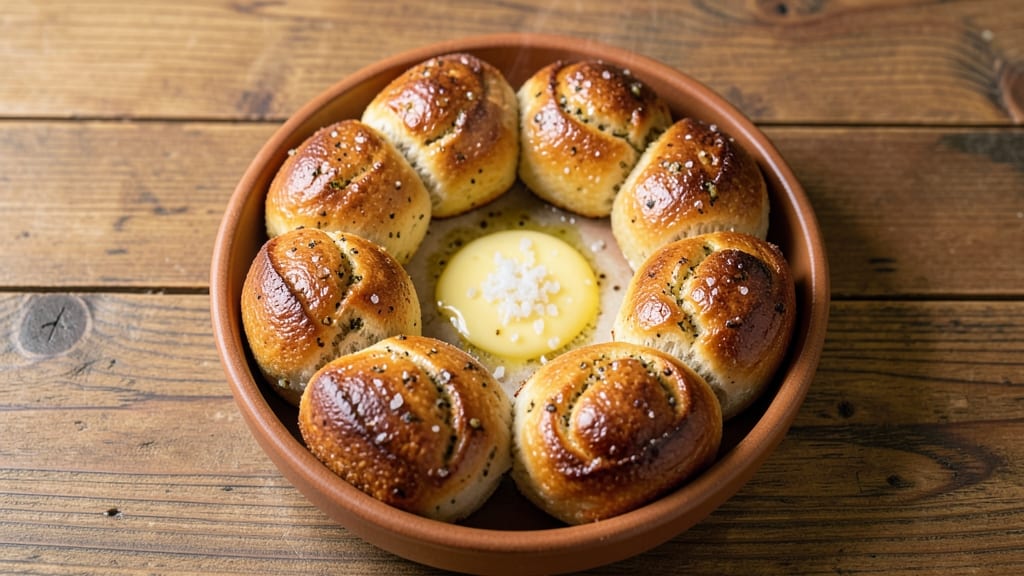
Creating Texas Roadhouse hot rolls at home delivers that signature buttery swirl and pillowy center that makes them legendary. The secret lies in a precise dough formula and a slow rise that develops maximum flavor.
I’ve perfected this method after years of testing, ensuring every roll is tender, fluffy, and packed with that signature buttery richness.
This recipe begins with a simple dough of flour, yeast, sugar, and warm milk, kneaded just enough to develop gluten without overworking it. The real magic happens when you fold in melted butter and let the dough rise twice—once at room temperature, then again in the fridge overnight.
This slow fermentation creates those signature air pockets and a texture that’s impossible to resist.
By the time you pull them from the oven, you’ll have golden-brown rolls with crackling tops and soft, buttery interiors. The swirls of melted butter peek through the crust, promising a burst of flavor with every bite.
These rolls are perfect for soaking up gravy, pairing with breakfast, or serving alongside any meal.
For extra authenticity, brush the baked rolls with melted butter while still warm. Store leftovers in an airtight container to keep them fresh for up to 3 days—or freeze them for later. Let’s get started on making rolls that taste just like Texas Roadhouse!
Ingredients for texas roadhouse hot rolls
Twelve golden rolls with buttery swirls—just like Texas Roadhouse. Simple ingredients, big flavor.
| Ingredient | Amount | Notes |
|---|---|---|
| All-Purpose Flour 🌾 | 5 cups | Sifted for light texture |
| Active Dry Yeast 🍞 | ¼ oz | Or 2 1/4 tsp |
| Granulated Sugar 🍚 | 1 tbsp | Feeds the yeast |
| Unsalted Butter 🧈 | ½ cup | Cold, cubed for swirls |
| Warm Whole Milk 🥛 | 1 cup | 110-115°F ideal |
| Large Egg 🥚 | 1 whole | Room temperature |
| Kosher Salt 🧂 | 1 tsp | Adjusts dough flavor |
| Vegetable Oil 🫒 | 2 tbsp | For greasing bowl |
| Melted Butter 🧈 | ¼ cup | For brushing rolls |
| Coarse Sea Salt 🧂 | ½ tsp | For sprinkling tops |
The flour is non-negotiable here. King Arthur or Gold Medal brands give you that perfect light texture. I always grab a 5-pound bag from Costco—cheaper and lasts forever. The butter matters too: Land O'Lakes or Plugrá are my go-tos, but anything unsalted works. For the yeast, check the expiration date—old yeast means slow rises. The milk? Warm it gently—microwave for 30 seconds, then check with your finger (should feel like bathwater). Too hot and you kill the yeast. Too cold and it won't activate. Pro tip: Whole milk gives richer flavor than skim, but 2% works in a pinch.
No butter? Crisco or vegetable shortening mimics the swirl texture, though it lacks flavor. Running short on milk? Evaporated milk or even water works, but add 1 tbsp melted butter to compensate. The dough gets sticky—don't panic. It's normal! If your kitchen's cold, warm your mixing bowl first to help the yeast activate faster. For the egg, if you're out, 1 tbsp melted butter plus 1 tbsp milk substitutes. And if you're feeling fancy, add 1 tsp honey or vanilla extract to the dough for extra depth. The coarse sea salt? Maldon flakes if you can find them—they melt beautifully into the crust.
This dough is a beast—it needs time. Shape the rolls, then let them rise 1 hour at room temp before baking. For extra flavor, refrigerate overnight (up to 24 hours) before baking. Fresh rolls keep 3 days in an airtight container, but they're best the first day. Freeze unbaked rolls for up to 3 months—just thaw in the fridge overnight before baking. The secret to crispy tops? Brush with melted butter right after baking while they're still warm. Trust me, it's worth the extra minute.
Why You'll Love This Recipe
- No Yeast Fuss: I swear by this recipe because it’s the only hot roll dough I’ve ever made that doesn’t require kneading like a therapy session. Just mix, let it rise once, and—boom—fluffy, pillowy perfection with zero elbow grease. The yeast and warm milk do all the heavy lifting while you sip your coffee.
- Buttery Pillow Magic: That crispy, golden crust with a melt-in-your-mouth center? It’s all thanks to the cold butter cubes baked right into the dough. Honestly, the first time I bit into one still warm, I nearly dropped the plate. It’s the kind of simple indulgence that makes everyday meals feel special.
- Weeknight Workhorse: These rolls are my go-to for lazy Sundays, football game snacks, or even breakfast-for-dinner nights. Toss them in the oven while you cook dinner, freeze half the batch for later, or serve them warm with honey butter—no one will question why you’re making them on a Tuesday.
- Dollar Stretch Wonder: With just flour, yeast, butter, and milk, this recipe costs pennies per roll. I’ll be real: my grocery budget loves me for it. Plus, a single batch stretches to feed four for dinner, plus leftovers for lunch the next day—no sad, stale bread here.
Step-by-step instructions for Texas Roadhouse hot rolls
Here's how to make those iconic buttery rolls with a golden crust and melt-in-your-mouth centers.
Activate the Yeast for Perfect Rise
In a small bowl, combine the 1 cup warm whole milk (it should feel like bathwater to your wrist) with the 1 tablespoon granulated sugar and 0.25 oz active dry yeast. Let it sit for 5-10 minutes until it becomes frothy and bubbly—this tells you the yeast is alive and ready to work. If it doesn't bubble, your yeast might be dead, and you'll need to start over.
While you wait, sift the 5 cups all-purpose flour into a large mixing bowl. This aerates the flour and helps create a lighter dough. Make a well in the center and pour in the yeast mixture along with the 1 whole large egg and 1 teaspoon kosher salt. The egg adds structure and richness, while the salt enhances all the flavors.
Mix and Knead the Dough
Using a wooden spoon or dough whisk, gently mix the ingredients in the bowl until they begin to come together. Once a shaggy dough forms, switch to your hands and knead for 5-7 minutes until the dough is smooth and elastic. You'll know it's ready when it springs back slowly when poked.
If the dough feels too sticky, gradually add more flour 1 tablespoon at a time until it comes together. Too much flour makes the rolls dense, so aim for just enough to create a smooth, slightly tacky dough that doesn't stick to your hands. This is where the magic happens—the kneading develops gluten, which gives those rolls their signature soft, pillowy texture.
Let the Dough Rise
Lightly grease a large mixing bowl with 2 tablespoons vegetable oil and place the dough inside. Cover the bowl with a clean kitchen towel or plastic wrap and let it rise in a warm place for 1-2 hours or until it has roughly doubled in size. A good test is to gently press two fingers into the dough—if the indentation stays, it's ready.
I like to place the bowl on top of my turned-off oven with the light on for warmth, but a sunny windowsill works too. The key is consistency—don't let it rise too long or the dough will collapse when you shape it. Patience here ensures those rolls will be light and airy, not dense and heavy.
Shape and Second Rise
Punch down the risen dough to release any air bubbles and divide it into 12 equal pieces (about 2 ounces each). Roll each piece into a smooth ball, then flatten it slightly into a disc. This is where we create those beautiful swirls—cut a ½-inch thick strip from the center of each disc and twist it around the edges before sealing.
Place the shaped rolls on a parchment-lined baking sheet, leaving 1 inch between them. Cover again with a towel and let them rise for another 30-45 minutes until puffy. The second rise is crucial—it ensures those rolls will be light and airy, not compact. Don't skip it, even if you're eager to bake!
Bake to Golden Perfection
Preheat your oven to 375°F while the rolls rise. Brush the tops generously with 0.25 cup melted butter and sprinkle with 0.5 teaspoon coarse sea salt. Bake for 12-15 minutes until the rolls are deep golden brown and sound hollow when tapped on the bottom.
For that classic Texas Roadhouse finish, brush the rolls again with melted butter immediately after baking while they're still warm. Serve them fresh from the oven—each roll should have a crispy, buttery exterior and a soft, fluffy interior. These rolls pair perfectly with soups, stews, or just on their own with a pat of butter.
Pro Tips For Making Texas Roadhouse Hot Rolls
- Test Yeast First: Pour that warm milk over the yeast and sugar, then wait 5–10 minutes. If nothing bubbles, your yeast is dead—start over. I learned this the hard way after tossing a batch because I assumed my pantry yeast was fine (it wasn’t).
- Cut Cold Butter: Grate that unsalted butter before mixing—it melts faster and distributes evenly. No grater? Dice it small and let it sit at room temp for 10 minutes first. Cold butter clumps ruin the texture, and nobody wants dough that fights back.
- Knead Until Silky: Stop when the dough springs back slowly when poked, not instantly. Over-kneading dries it out, but under-kneading means chewy, dense rolls. My first attempt was gummy—now I know to go for that smooth, satiny stretch (about 8–10 minutes by hand).
- Proof in a Drawer: Skip the oven for proofing—use a lightly oiled bowl in a cool (70°F) spot, like a closed pantry drawer. Warmth speeds things up, but heat kills the rise. I used to rush it in the oven and ended up with dense, sad rolls. Patience here = fluffy, airy results.
Troubleshooting perfect results
Dense Dough Solutions
If your rolls turn out dense instead of light and airy, you likely overworked the dough or didn’t give it enough time to rise. I’ve found that kneading for more than 7-8 minutes develops too much gluten, making the rolls tough.
Instead, focus on gentle handling—just until the dough pulls away from the bowl. Also, ensure your yeast is fresh and your milk is 110-115°F. A slow rise (overnight in the fridge) often yields better results than a rushed one.
Sticky Dough Fixes
Sticky dough is normal, but if it’s unbearable, try adding flour 1 tablespoon at a time while kneading. Overdoing it, though, can make rolls dry. For extra help, wet your hands slightly when shaping the rolls—this prevents sticking.
If the dough tears while shaping, gently press it back together and let it rest for 5 minutes before proceeding. A lightly oiled work surface also makes handling easier.
Underproofed Rolls
Underproofed rolls collapse when baked, resulting in flat, dense centers. To avoid this, let your dough rise until it’s nearly doubled in size (about 1-2 hours for the first rise and 30-45 minutes for the second). A simple test: press two fingers into the dough.
If the indentation holds, it’s ready. If not, give it more time. For extra insurance, place the dough in a warm spot—like a turned-off oven with the light on.
Butter Swirl Issues
The butter swirls should peek through the crust, but if they disappear, your butter might have melted too early. Use cold, cubed butter when folding it into the dough, and avoid over-handling after shaping.
If the swirls look uneven, use a small offset spatula to gently press the butter into the center of each roll before the second rise. This ensures they stay visible and delicious.
Pale or Uneven Baking
Pale rolls usually mean the oven wasn’t hot enough or the rolls weren’t brushed with butter before baking. Preheat your oven for at least 15 minutes at 375°F and use an oven thermometer to confirm accuracy.
Brush the tops generously with melted butter right before baking, and sprinkle with coarse sea salt for color and flavor. Rotate the baking sheet halfway through for even browning.
Storage and Freshness
If your rolls go stale too quickly, they likely didn’t cool completely before storing. Let them cool on a wire rack for 10-15 minutes before transferring to an airtight container. For longer storage, freeze them after baking—wrap individually in plastic wrap and place in a freezer bag.
Reheat in a 350°F oven for 5-7 minutes until warm and crispy. Avoid the microwave, as it makes them rubbery.
Nutrition facts
Frequently asked questions
Why do Texas Roadhouse hot rolls have that signature buttery swirl?
The swirls come from cutting a strip of cold butter into each shaped roll before the second rise. The butter stays cold long enough to create visible swirls when baked, then melts into the warm dough for that rich flavor. Always use cold, cubed butter and avoid over-handling after shaping.
Can I make these rolls without an overnight rise?
Yes, but they won’t be as flavorful. The overnight rise in the fridge develops deeper flavor through slow fermentation. If you’re short on time, let the dough rise at room temperature for 1-2 hours after kneading, then shape and do a 30-45 minute second rise before baking.
What’s the best way to reheat leftover hot rolls?
Never microwave—they’ll get rubbery! Wrap in foil and reheat at 350°F for 5-7 minutes until warm and crispy. For extra crispiness, broil for 1-2 minutes at the end. Brush with melted butter after reheating for that fresh-from-the-oven taste.
Can I substitute whole wheat flour for all-purpose?
Not recommended—they’ll be denser and less tender. If you must, replace 1 cup all-purpose with whole wheat, but add 1 extra tbsp melted butter to compensate for the dryness. For best results, stick with the original recipe for that signature pillowy texture.
How do I know when the rolls are fully baked?
They’re done when golden brown and sound hollow when tapped on the bottom. The internal temperature should reach 190°F. If the tops brown too quickly, tent with foil halfway through baking to prevent over-browning while the centers finish cooking.