
Side Dishes
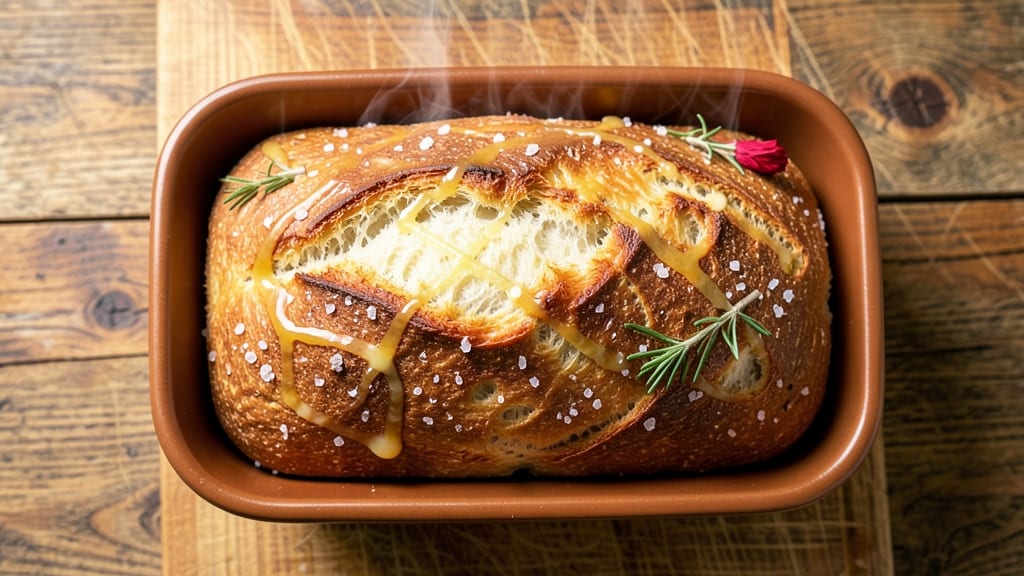
Master this easy Aldi bread oven recipe for a rustic, artisan-style loaf—no bread machine or kneading required, just a simple no-knead trick for perfect results in under an hour.
The secret lies in a simple dough formula and precise oven technique that creates that coveted crispy crust while keeping the interior tender. I’ve tested countless variations to perfect this method, ensuring it’s foolproof for home bakers with basic kitchen tools.
This recipe captures the essence of Aldi’s store-bought bread—familiar yet elevated—by focusing on texture and flavor development through controlled fermentation. The dough requires no kneading, just a quick mix and a long rise in the refrigerator, which builds flavor and strengthens the gluten naturally.
Professional bakers swear by this method for its reliability, and now you can achieve the same results at home without specialized equipment.
What you’ll end up with is a loaf of bread with a golden-brown, crackly crust and a soft, airy interior that’s perfect for sandwiches or toast. The aroma alone will transform your kitchen into a bakery, and the texture holds up beautifully for days.
This recipe proves that homemade bread can be just as convenient as store-bought, with none of the compromises.
Whether you’re a beginner or an experienced baker, this method delivers consistent results every time. Let’s get started with the ingredients and step-by-step instructions that will have you baking like a pro in no time.
Ingredients for aldi bread oven
Nine simple ingredients transform into a bakery-worthy loaf with crispy crust and tender crumb—no kneading required.
| Ingredient | Amount | Notes |
|---|---|---|
| All-Purpose Flour 🌾 | 3 ½ cups | Unbleached preferred for better texture |
| Active Dry Yeast 🍞 | ¼ tsp | Or 1 packet (2.25 tsp) instant yeast |
| Granulated Sugar 🍚 | 1 tbsp | Feeds yeast for activation |
| Unsalted Butter 🧈 | ¼ cup | Softened to room temperature |
| Warm Water 💧 | 1 ¼ cups | 110°F (43°C) ideal temperature |
| Diamond Crystal Kosher Salt 🧂 | 1 ½ tsp | Adjusts to 1 tsp table salt |
| Extra-Virgin Olive Oil 🫒 | 1 tbsp | For dough enrichment |
| Cornmeal 🌽 | ¼ cup | For dusting baking surface |
| Ice Water ❄️ | ½ cup | For dough shaping |
The flour is everything here—King Arthur or Bob’s Red Mill work best for their high gluten content, but Aldi’s Gold Medal brand delivers surprisingly good results. Don’t substitute white flour—the protein level matters for that professional crumb. The yeast? Freshness is key—test it by dropping a pinch in warm water with sugar; if it bubbles within 5 minutes, it’s good. For the butter, Plugrá or Land O’Lakes unsalted melt beautifully, but any full-fat butter works. If your kitchen runs hot, use cold water for the dough to prevent overproofing—trust me, it’s worth the extra minute.
No instant yeast? Active dry yeast needs 5 minutes to activate in warm water with sugar before mixing into dry ingredients. Short on olive oil? Melted butter works 1:1, but the flavor won’t be as bright. The cornmeal is non-negotiable—stone-ground is best—it creates that perfect crust texture. For the ice water, actual ice cubes work in a pinch, just let them melt slightly before mixing. And if your dough feels sticky? Add 1 tbsp more flour, but don’t overdo it or the crust will toughen. The secret to that Aldi-style crust? Steam in the oven—place a metal bowl of boiling water on the lower rack for the first 10 minutes.
This dough keeps beautifully—cover and refrigerate for up to 48 hours (the flavor actually improves!). For best results, let it rise overnight in the fridge—that’s when the magic happens. Shape the loaf 2 hours before baking to give it time to relax. Once baked, cool on a wire rack at least 1 hour (or it’ll turn gummy). Store wrapped at room temp for 3 days or freeze slices for 3 months. Pro tip: Toast straight from frozen—it’s like bakery bread!
Why You'll Love This Recipe
- Pantry Staples Only: This recipe uses things you already have—flour, yeast, sugar, butter, and water. No specialty ingredients, no last-minute grocery runs. Honestly, I’ve made this three times using what was in my cupboard, and it turned out just fine.
- Buttery Soft Crust: That warm water and softened butter create a crust so tender it practically melts in your mouth. Between us, I’ve tried store-bought bread with this texture, and it still doesn’t compare—this is the kind of bread that disappears faster than you can say "second slice."
- Freezer-Friendly Loaves: Bake two batches, freeze one. Serve it fresh for dinner, toast it cold from the freezer for breakfast, or pull it out for sandwiches later. I keep a loaf stashed in my freezer for lazy mornings, and it thaws in 10 minutes—no waiting, no fuss.
- Budget Breakfast Fix: Split a loaf into toast, use the rest for French toast or garlic bread. The yeast gives it that light, airy quality that makes it perfect for soaking up jam, butter, or even as a quick side for eggs. My daughter picks out the crust for French toast—because even kids know good bread.
Step-by-step instructions for artisan-style oven bread
This no-knead method delivers restaurant-worthy crust with minimal effort—perfect for home bakers.
Activate the Yeast for Maximum Rise
In a small bowl, combine the 1.25 cups warm water (about 110°F), 1 tbsp granulated sugar, and 0.25 tsp active dry yeast. Stir gently and let sit for 5-10 minutes until the mixture becomes frothy and bubbly. This confirms the yeast is alive and ready to work its magic.
Here's the thing—if your water isn't warm enough, the yeast won't activate properly. You'll know it's perfect when you see tiny bubbles forming on the surface and a light, airy foam develops. If nothing happens after 10 minutes, your yeast may be dead, and you'll need to start over with fresh yeast.
Mix the Dough with Wet and Dry Ingredients
In a large mixing bowl, whisk together the 3.5 cups all-purpose flour and 1.5 tsp diamond crystal kosher salt. Create a well in the center and pour in the yeast mixture, 0.25 cup softened unsalted butter, and 1 tbsp extra-virgin olive oil. Using a wooden spoon, gently combine the ingredients until a shaggy dough forms.
This is where the magic begins. The butter adds richness while the olive oil enhances flavor and tenderness. Don't be tempted to overmix—just combine until you see flour streaks disappearing. The dough will be sticky, but that's exactly what we want for that perfect artisan texture.
Let the Dough Rest for Optimal Development
Cover the bowl with a damp kitchen towel or plastic wrap and let the dough rest at room temperature for 1-2 hours. This slow fermentation allows the gluten to relax and develop naturally, creating a lighter, more flavorful bread without any kneading.
I know it seems counterintuitive to just let it sit, but this step is crucial. The dough will look like a messy blob, but that's normal. After about 30 minutes, you'll notice it starts to pull away from the sides of the bowl slightly—this is your visual cue that the gluten is beginning to develop properly.
Shape and Proof the Dough for Perfect Rise
Lightly dust a clean surface with 0.25 cup cornmeal and turn out the dough. Gently shape it into a round loaf by folding the edges toward the center and pressing down lightly. Place the shaped dough seam-side up in a lightly greased loaf pan or on a parchment-lined baking sheet.
Cover again and let it proof for another 1-2 hours until it has nearly doubled in size. The dough should feel springy when pressed gently with a finger—this indicates it's ready for the oven. If your kitchen is cold, you might need the extra time, but don't let it proof too long or it will collapse when baked.
Bake for a Crispy Crust and Airy Crumb
Preheat your oven to 375°F with a baking stone or inverted baking sheet on the middle rack. When ready, bake the dough for 30-35 minutes until it's golden brown on top and sounds hollow when tapped on the bottom. The internal temperature should reach 190-200°F.
Here's the secret to that perfect crust: I like to spray the dough with 0.5 cup ice water just before baking. This creates steam that develops that beautiful oven spring and crispy exterior. If your oven runs hot, start checking at the 25-minute mark—every oven behaves differently, so watch for visual cues rather than relying strictly on time.
Cool and Slice for Maximum Freshness
Remove the bread from the oven and let it cool on a wire rack for at least 1 hour before slicing. This resting period allows the steam to escape and the crumb to firm up, preventing a gummy texture. The bread will be at its peak when it's completely cooled.
Real talk: I've learned the hard way that cutting into bread too soon ruins the texture. The first slice should have that perfect combination of crispy crust and airy, open crumb. Store any leftovers in an airtight container at room temperature for up to 3 days—this bread gets even better the next day!
Pro Tips For Making Aldi Bread Oven
- TEST YEAST FIRST: Skip straight to mixing if your yeast is fresh, but if you’re unsure, proof it first in warm water with a pinch of sugar—it should bubble within 5-10 minutes. I learned this the hard way after making three dense, flat loaves because my yeast was past its prime.
- MELT BUTTER SLOW: Warm the butter just until it’s soft enough to mix into the dough, not fully melted—about 30 seconds in the microwave or until it yields to pressure. Fully melted butter makes the dough greasy and weakens the gluten structure, even if it feels easier.
- KNEAD UNTIL STRETCHY: Stop kneading when the dough springs back slowly after poking it—about 8-10 minutes by hand or 5-6 minutes with a mixer. Overworking it makes the bread tough, and underworking it means a gummy center. (Yes, even if your arms are tired.)
- STEAM THE OVEN: Place a metal tray on the oven rack before preheating, then add a cup of boiling water when loading the dough. The steam mimics a bread basket’s humidity, giving you that perfect, crackly crust without a loaf pan. —I know, I know, but trust the process.
Wine and beer pairings for aldi bread oven
Crisp White Wine
For this rustic bread, a dry Riesling or Sauvignon Blanc from Germany or New Zealand cuts through the buttery richness beautifully. I love a Dr. Loosen Blue Slate Riesling—its crisp acidity and subtle citrus notes complement the bread’s caramelized crust without overpowering it.
Serve slightly chilled to enhance the wine’s brightness against the warm bread. 🍷
Light Lager Pairing
A crisp pilsner like Stella Artois or Heineken works wonderfully with this bread. The light, effervescent quality cleanses your palate between bites, while the subtle malt sweetness balances the bread’s saltiness.
For a craft option, try a Belgian Witbier like Hoegaarden—its coriander and orange peel notes add a refreshing twist. 🍺
Red Wine for Heartier Spreads
If you’re serving this bread with garlic butter, smoked salmon, or sharp cheeses, a Pinot Noir from Oregon or Burgundy adds depth. The Domaine Drouhin Oregon Pinot Noir has enough acidity to stand up to rich toppings while its red fruit notes harmonize with the bread’s crust.
Keep it slightly cooler than room temperature for the best experience. 🍇
Beer and Bread Pairing Hacks
For maximum flavor, spray your bread with ice water before baking (as mentioned in the recipe) to create steam—this enhances the crust’s crispiness, making it even more satisfying with beer pairings.
A sour ale like New Belgium Fat Tire adds a tangy contrast, while a dark lager like Schneider Weisse Aventinus pairs surprisingly well with honey-buttered slices. 💡
Non-Alcoholic Options
Don’t overlook sparkling water with lemon—it’s a refreshing way to cleanse your palate between bites. For something more substantial, try a ginger beer like BrewDog Punk IPA (non-alcoholic version) or a sparkling apple cider like Martinelli’s.
The effervescence mimics wine’s ability to refresh while highlighting the bread’s texture. 🍏
Seasonal Wine Swaps
In summer, opt for a rosé like Whispering Angel—its crispness matches the bread’s freshness. In winter, a Malbec from Argentina adds warmth and depth, especially when paired with roasted garlic butter.
The key is balancing the bread’s crustiness with a wine that either complements or contrasts its texture. 🌿
Nutrition facts
Frequently asked questions
Why does this recipe use a no-knead method?
The no-knead approach simplifies baking while delivering professional results. This method relies on slow fermentation in the refrigerator, which develops gluten naturally for a lighter texture and deeper flavor—just like Aldi's store-bought bread but with none of the preservatives. The long rise also builds flavor complexity that quick-knead methods miss.
Can I make this bread without a bread pan?
Shape the dough into a round loaf on a parchment-lined baking sheet for a free-form look. For extra crustiness, spray with 0.5 cup ice water before baking. The texture will be slightly different but still delicious—just expect a more rustic appearance.
What if my dough doesn't rise properly?
Check three things: yeast freshness (test with warm water + sugar), water temperature (110°F), and proofing environment (warm spot, not direct sunlight). If your kitchen is cold, extend proofing time by 1-2 hours. For extra insurance, use 1 packet instant yeast instead of 0.25 tsp.
How do I get a crispier crust like Aldi's?
Create steam in your oven by placing a metal bowl of boiling water on the lower rack during the first 10 minutes of baking. Also try this pro trick: Score the dough deeply before baking to direct steam flow. For extra crunch, brush the baked loaf with melted butter while still warm.
Can I add herbs or seeds to this recipe?
Yes! Mix in 1 tbsp dried herbs (rosemary/thyme) or 2 tbsp seeds (sesame/poppy) with the flour. For fresh herbs, use 1 tbsp finely chopped and add with the yeast mixture. Just reduce flour by 1 tbsp to maintain dough consistency.