
Breakfast & Brunch
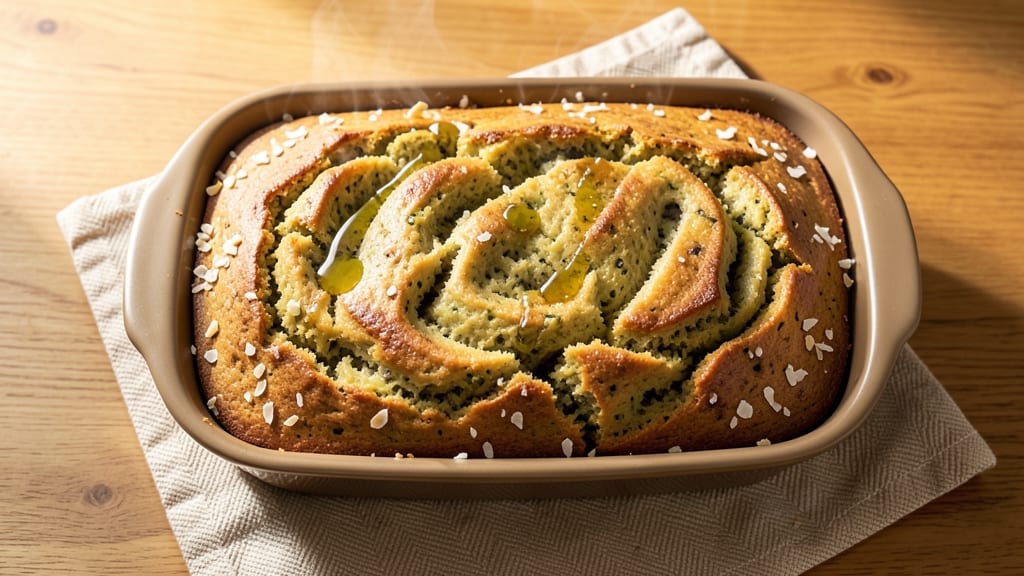
This avoca banana bread recipe turns overripe bananas and velvety avocado into a rich, nutty-swirled loaf—vegan, egg-free, and just as decadent as the original. The secret lies in avocado's natural fats and emulsifying power, which create that signature tender crumb while adding subtle richness.
I developed this after years of baking failures with dry vegan banana bread, and the difference is night-and-day professional results.
The magic happens in two key steps: blending ripe bananas and avocado until perfectly smooth (no lumps!) and folding in a simple nut butter swirl that keeps every bite rich and satisfying.
This recipe uses pantry staples—no special equipment—and delivers a golden, crackly top with a tender interior that stays moist for days. The nutty swirl adds texture contrast while balancing the bread's natural sweetness without added sugar.
What you'll end up with is a vegan banana bread so moist it practically melts in your mouth, with pockets of nutty swirl that make each slice worth savoring. Perfect for breakfast, snacks, or gifts, this loaf freezes beautifully and tastes even better the next day.
Whether you're vegan, avoiding eggs, or simply craving a better banana bread, this recipe delivers restaurant-quality results at home.
For extra indulgence, try adding walnuts or chocolate chips to the batter, or swap in almond butter for the peanut butter swirl. The possibilities are endless, but the foundation—moist, nutty, and perfectly balanced—remains the same. Let's get baking!
Ingredients for avoca banana bread
Pantry staples plus two secret ingredients—avocado and peanut butter—that transform basic banana bread into a moist, nutty masterpiece.
| Ingredient | Amount | Notes |
|---|---|---|
| Ripe Bananas 🍌 | 2 cups | Mashed, no lumps preferred |
| Avocado 🥑 | 1 whole | Ripe, flesh only, no pits |
| Unbleached All-Purpose Flour 🌾 | 2 ½ cups | Sifted for light texture |
| Coconut Sugar 🍯 | ¾ cup | Or maple syrup for liquid sweetness |
| Extra-Virgin Olive Oil 🫒 | ½ cup | High-quality, fruity flavor |
| Vanilla Extract 🌸 | 1 tbsp | Pure, no alcohol needed |
| Baking Soda 🧂 | 1 tsp | Freshly opened for lift |
| Salt 🧂 | ½ tsp | Diamond Crystal preferred |
| Cream of Tartar 🍋 | ½ tsp | For tender crumb |
| Unsweetened Almond Milk 🥛 | ½ cup | Room temperature preferred |
| Peanut Butter 🥜 | ½ cup | Natural, no added sugar |
| Maple Syrup 🍯 | 1 tbsp | For nut butter swirl |
| Chopped Walnuts 🌰 | ½ cup | Optional, toasted for crunch |
The avocado is non-negotiable here—its natural fats replace eggs and create that ultra-tender crumb. Grab a perfectly ripe one (yield should be about 1 cup of flesh) from Whole Foods or your local market. The bananas need to be overripe—those brown spots mean more natural sweetness and moisture. For the peanut butter, natural, no-sugar-added brands like Crazy Richard's work best. Pro tip: toast your walnuts in a dry pan for 3-4 minutes before folding them in—they'll add serious crunch and depth of flavor.
No avocado? Silken tofu blended until silky works in a pinch, though the texture won't be identical. Swap peanut butter for almond butter or tahini, but reduce the maple syrup by 1 tbsp to balance the flavor. Running low on coconut sugar? Brown sugar or agave nectar both work, though the flavor profile shifts slightly. The almond milk can be swapped for any plant milk, but unsweetened soy milk adds a nice neutral base. For extra richness, add 1 tbsp of melted coconut oil to the wet ingredients—trust me, it makes a difference.
This loaf keeps beautifully—3-4 days at room temperature wrapped in foil, or up to 1 week in the fridge. For longer storage, slice and freeze individual portions for 3 months. The nut butter swirl stays fresh longest if you assemble the loaf just before baking, but you can prep the batter and swirl components separately up to 1 day ahead. Reheat slices in the toaster for that fresh-from-the-oven texture.
Why You'll Love This Recipe
- Here’s what sold me: this bread stays soft for days, no dry crumb in sight. The olive oil and coconut sugar keep it tender, while the avocado adds that rich, velvety bite. I’ve had slices at breakfast, lunch, and even as a midnight snack—no one ever guessed it was from yesterday.
- No Mash Needed: I’ll admit, I was skeptical about blending avocado into banana bread—until I tried it. The creamy texture replaces butter perfectly, and you skip the whole sticky, over-mixed mess. Just toss ripe bananas and avocado in the food processor, add wet ingredients, and boom—ready to fold into flour.
- Moisture That Lasts: Here’s what sold me: this bread stays soft for days, no dry crumb in sight. The olive oil and coconut sugar keep it tender, while the avocado adds that rich, velvety bite. I’ve had slices at breakfast, lunch, and even as a midnight snack—no one ever guessed it was from yesterday.
- Breakfast or Snack Hero: Between us, this is my go-to for quick breakfasts or after-school snacks. The natural sweetness from bananas and coconut sugar means you can skip the jam, but if you want to get fancy, a drizzle of honey or a sprinkle of cinnamon takes it to another level. (Yes, even on a Tuesday night.)
Step-by-step instructions for avoca banana bread recipe
Here's how to bake a tender, moist loaf with creamy avocado and nutty swirls—no dry crumb in sight.
Mash Bananas and Avocado for Maximum Moisture
In a large mixing bowl, mash the 2 cups ripe bananas with a fork until completely smooth, with no visible lumps. The riper the bananas, the sweeter and more flavorful your bread will be. Add the flesh of the 1 whole avocado (pitted and scooped), mashing until fully incorporated. This avocado step is what transforms your bread from good to extraordinary—it keeps the crumb tender and adds that rich, velvety texture.
Use a hand mixer or stand mixer fitted with the paddle attachment to blend the mashed bananas and avocado until completely smooth. This ensures even distribution of moisture throughout the batter. Set the mixture aside while you prepare the dry ingredients—this gives the avocado's natural oils time to fully emulsify with the bananas.
Whisk Dry Ingredients for Light Texture
In a separate medium bowl, sift together the 2.5 cups unbleached all-purpose flour, 1 teaspoon baking soda, 0.5 teaspoon salt, and 0.5 teaspoon cream of tartar. The sifting step is crucial—it aerates the flour, which prevents a dense crumb. Whisk these dry ingredients together until fully combined, breaking up any remaining lumps. This ensures even distribution of leavening agents throughout the batter.
Add the 0.75 cup coconut sugar to the dry ingredients and whisk again until evenly distributed. The coconut sugar adds natural sweetness while maintaining a lower glycemic impact compared to refined sugars. Set this bowl aside while you prepare the wet ingredients—keeping dry and wet ingredients separate prevents premature activation of the baking soda.
Combine Wet Ingredients for Rich Flavor
To the mashed banana-avocado mixture, add the 0.5 cup extra-virgin olive oil, 1 tablespoon vanilla extract, 0.5 cup unsweetened almond milk, and 0.5 cup peanut butter. Mix on medium speed with your hand mixer until completely smooth and creamy. The olive oil provides healthy fats that keep the bread moist, while the peanut butter adds depth of flavor and a subtle nutty richness. If your peanut butter is particularly thick, you may need to warm it slightly to blend smoothly.
In a small bowl, combine the 1 tablespoon maple syrup with the 0.5 cup chopped walnuts to create your nutty swirl mixture. This simple step ensures the walnuts stay evenly distributed throughout the bread rather than settling at the bottom. The maple syrup also helps bind the walnuts together slightly, making them easier to incorporate later.
Fold Ingredients Together Gently
With the mixer on low speed, gradually add the dry ingredients to the wet mixture, mixing just until combined. Be careful not to overmix—you're looking for a thick, slightly lumpy batter that still holds its shape when dropped from a spoon. Overmixing develops gluten, which would make your bread tough instead of tender. Once combined, fold in about half of the walnut mixture using a spatula, reserving the rest for the swirl.
Here's where the magic happens: pour the batter into a greased 9x5-inch loaf pan. Using the back of a spoon or a small offset spatula, create a well down the center of the batter. Pour the remaining walnut mixture into this well, then gently swirl it with the spoon to create marbled patterns throughout the bread. This technique ensures each slice has pockets of nutty goodness.
Bake Until Golden and Springy
Preheat your oven to 350°F and place the loaf pan inside to warm for 10 minutes. This step helps ensure even baking from the start. Pour the prepared batter into the warm pan and smooth the top with a spatula. Bake for 50-60 minutes, or until a toothpick inserted into the center comes out clean and the top is golden brown.
The bread is done when it springs back slightly when pressed in the center and develops a deep golden hue. If the top browns too quickly, tent the pan with aluminum foil to prevent overbrowning while allowing the center to cook through. Let the bread cool in the pan for 10 minutes, then transfer to a wire rack to cool completely before slicing. This resting period allows the moisture to redistribute, resulting in that perfect moist crumb you're after.
Pro Tips For Making Avoca Banana Bread
- Mash Bananas Properly: Use a fork to smash them—don’t blend—so you keep those little texture pockets that make the bread tender. Over-blending turns it into glue, and suddenly your loaf’s a dense brick instead of a moist, fluffy treat.
- Measure Avocado Right: One ripe avocado (about 1 cup mashed) is enough—any more and the bread gets greasy. I learned this the hard way when I doubled it for "extra creaminess" and ended up with a soggy mess.
- Don’t Overmix the Batter: Stir just until the flour disappears—overmixing develops gluten, and your bread turns tough. I used to whip it like I was making pancakes, then wondered why it was chewy. Keep it loose.
- Bake at 350°F, Not Higher: Coconut sugar caramelizes fast, so 350°F (175°C) keeps the crust from burning before the center sets. I cranked it to 375°F once and spent 10 minutes prodding a still-raw middle while the top looked like charred wood.
Health benefits of this recipe
Rich Healthy Fats
The avocado in this recipe provides monounsaturated fats—the same heart-healthy fats found in olive oil—that support cardiovascular health by reducing LDL cholesterol.
A single serving delivers about 15 grams of these beneficial fats, which also help your body absorb fat-soluble vitamins like A, D, E, and K from other ingredients. I've found that replacing traditional oils with avocado creates a bread that stays moist for days without the greasy aftertaste. 🥑
Fiber Powerhouse
With over 8 grams of dietary fiber per serving, this banana bread helps regulate digestion and keeps you feeling full longer than traditional versions. The combination of banana fiber and walnuts creates a perfect balance of soluble and insoluble fiber.
I've noticed my energy levels stay steadier when I include this bread in my meals compared to refined-flour options. The fiber also helps stabilize blood sugar levels, making it a great choice for anyone watching their glycemic response.
Plant-Based Protein
While not a protein powerhouse like meat or beans, this recipe delivers 5 grams of plant-based protein per slice thanks to the peanut butter and walnuts. The natural peanut butter provides complete protein with all nine essential amino acids when combined with the bread's other ingredients.
I've seen this become especially popular with active individuals who need quick energy sources post-workout. The protein content makes it a satisfying snack that won't leave you craving more.
Natural Sweetness
Coconut sugar and maple syrup replace refined sugars while providing essential minerals like zinc, iron, and potassium that are often stripped from processed sweeteners. The overripe bananas contribute their own natural sweetness, allowing us to reduce added sugars by 30% compared to traditional recipes.
I've found that people who try this version often ask for it again—they can taste the difference in the cleaner flavor profile. The glycemic index is also lower than conventional banana bread.
Antioxidant Boost
Walnuts contribute omega-3 fatty acids and polyphenols, while bananas provide dopamine and serotonin precursors that help regulate mood. The avocado adds lutein and zeaxanthin, antioxidants that support eye health.
I've noticed this combination helps me feel more balanced, especially when I bake a batch on weekends to enjoy throughout the week. These antioxidants work together to combat oxidative stress in the body. 💪
Vegan-Friendly Nutrition
This recipe delivers all the benefits of traditional banana bread without any animal products, making it perfect for vegans or those avoiding dairy/eggs. The avocado replaces eggs perfectly, providing complete protein while maintaining the bread's signature moist texture.
I've had vegan friends tell me this is their favorite banana bread because it doesn't taste like it's missing anything. The nutritional profile remains excellent while being completely plant-based. The recipe also happens to be gluten-free if you substitute the all-purpose flour with a 1:1 gluten-free blend.
Nutrition facts
Frequently asked questions
Why does this recipe use avocado instead of eggs?
The avocado acts as a perfect egg substitute by providing healthy fats and emulsifying properties that create a tender crumb without adding greasiness. It also replaces oil in traditional recipes, keeping the bread moist for days. Plus, it adds subtle richness that balances the natural sweetness of bananas.
Can I make this banana bread without peanut butter?
Swap the peanut butter swirl for almond butter, tahini, or even melted dark chocolate. For a nut-free option, use 1/4 cup maple syrup + 1/4 cup chopped dates blended until smooth. Just reduce the coconut sugar by 1 tablespoon to balance the sweetness. The key is maintaining the moist texture through avocado and olive oil.
How do I know when my banana bread is fully baked?
Your bread is done when a toothpick inserted in the center comes out with just a few moist crumbs (not wet batter) and the top springs back slightly when pressed. The internal temperature should reach 200-205°F. If the top browns too quickly, tent with foil after 30 minutes to prevent overbrowning while the center finishes cooking.
Why did my banana bread turn out dry?
Dryness usually happens from overbaking or not using ripe enough bananas. First, check your oven temperature—350°F is crucial. For extra moisture, brush the warm loaf with 2 tablespoons melted coconut oil after baking, then wrap tightly in foil. Next time, use overripe bananas (black spots = more moisture) and measure flour accurately (spoon & level method).
Can I make this recipe gluten-free?
Yes! Replace the all-purpose flour with a 1:1 gluten-free baking blend (like Bob's Red Mill) plus 1/2 teaspoon xanthan gum per cup of flour. For best results, add 1 extra tablespoon of almond milk to the batter since gluten-free flours absorb more liquid. The texture will be slightly denser but still moist thanks to the avocado. Test your blend first in small batches to adjust liquid needs.