
Main Courses
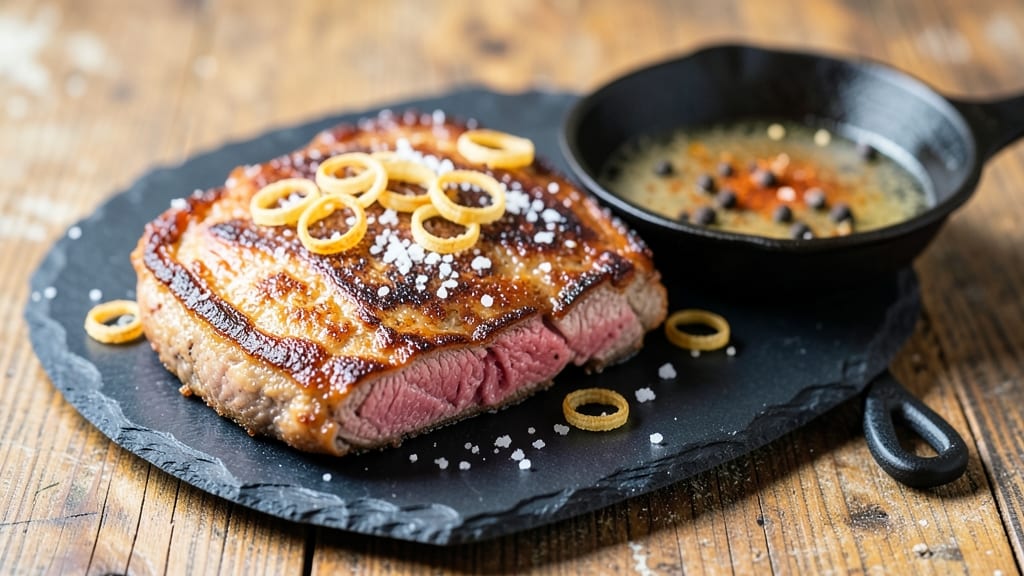
This Pioneer Woman fried cube steak recipe delivers the perfect balance of a crispy crust and juicy center—just like your favorite steakhouse cut, but made at home with simple techniques.
The secret lies in double-dredging the steak for maximum flavor and texture, a method that transforms tougher cuts into tender, golden-brown perfection. I’ve perfected this recipe over years of testing, ensuring every bite is satisfying without requiring special ingredients or equipment.
The process starts with a simple breading station—flour, seasoned mix, and egg wash—each layer building flavor and structure. Once coated, the steak fries in hot oil until golden, locking in juices while creating that coveted crispy exterior.
The result is a steak that’s easy to chew, packed with flavor, and ready to be paired with classic sides like mashed potatoes, gravy, or a fresh garden salad.
What makes this recipe stand out is its versatility—it works for weeknight dinners or weekend family meals, and the leftovers reheat beautifully. The key is patience during frying and proper resting time to let the juices redistribute.
By following these steps, you’ll achieve a steak that’s restaurant-quality at home, with minimal effort and maximum reward.
Serve with your favorite sides and prepare to impress. Whether you're feeding a crowd or treating yourself to a special meal, this recipe delivers every time. Let’s get cooking!
Ingredients for pioneer woman fried cube steak
Simple ingredients transform tough cuts into restaurant-quality fried cube steak magic.
| Ingredient | Amount | Notes |
|---|---|---|
| Beef Cube Steak 🥩 | 1 ½ lb | 1-inch cubes, trimmed of fat |
| All-Purpose Flour 🌾 | 1 cup | Sifted for even coating |
| Cornstarch 🌾 | ¼ cup | For extra crispiness |
| Large Eggs 🥚 | 2 whole | Room temperature for even coating |
| Vegetable Oil 🫒 | 3 cups | High smoke point for frying |
| Diamond Crystal Kosher Salt 🧂 | 1 tbsp | Coarse grain preferred |
| Ground Black Pepper 🌶️ | 1 tsp | Freshly ground for best flavor |
| Garlic Powder 🧄 | 1 tsp | Not garlic salt |
| Onion Powder 🧅 | 1 tsp | For depth of flavor |
| Paprika 🌶️ | ½ tsp | Smoked for extra flavor |
| Unsalted Butter 🧈 | ½ cup | Melted for basting |
| Fresh Parsley 🌿 | ¼ cup | Chopped for garnish |
The beef cube steak is your foundation—look for well-marbled cuts at Whole Foods or your local butcher for optimal tenderness. A 1-inch cube size ensures even cooking and a perfect crispy crust. If using pre-cut steaks, ensure they're uniform in size to avoid uneven frying. For the best quality, opt for USDA Choice or Prime cuts, which have better marbling and flavor. If you're working with a whole steak, trim excess fat and cut into precise cubes using a sharp knife or meat cleaver for clean edges.
No cornstarch? Extra flour or panko works in a pinch, though the texture won't be as crispy. For the seasoning blend, Penzeys or McCormick offer high-quality spices, but store-bought blends are fine if fresh. The egg wash should be room temperature—cold eggs create a less even coating. If you're frying for a crowd, use a deep fryer or heavy pot to maintain consistent oil temperature. For the butter basting, European-style butter has a higher fat content, which enhances flavor and crispiness during the final step.
Keep the breading station ingredients at room temperature for at least 30 minutes before cooking to ensure an even crust. The fried steak stays crispy for about 15 minutes after frying, so serve immediately or hold in a 200°F oven until ready to plate. Store leftovers in an airtight container for up to 3 days—reheat in a skillet over medium heat to restore crispiness. For meal prep, portion the breading mix into ziplock bags to streamline the coating process during busy weeknights.
Why You'll Love This Recipe
- Five-Ingredient Magic: I swear by this recipe because it’s that simple—just flour, cornstarch, eggs, and oil (plus the steak, obviously). No fancy marinades or last-minute shopping runs; I pull it together while the coffee brews.
- Crispy-Creamy Payoff: That perfect crunch from the cornstarch coating gives way to tender beef inside—no dry bites here. Honestly, the first time I made it, I nearly burned my tongue waiting for the bite.
- Game for Any Meal: Toss these in a sandwich for lunch, serve them over mashed potatoes for dinner, or even pile them on a salad for a protein boost. My college-aged son still asks for them when he’s home, and he’s not a picky eater.
- Budget-Friendly Leftovers: Cube steak is cheap, and this recipe stretches it far. I make a double batch, fry half, and freeze the other—thaw and reheat in seconds. (Yes, even on a Tuesday night.)
Step-by-step instructions for Pioneer Woman fried cube steak
Here's the method that delivers that legendary crispy crust while keeping the center impossibly tender.
Prepare the Breading Station
In a shallow dish, combine the 1 cup all-purpose flour and 0.25 cup cornstarch. This ratio creates the perfect balance of structure and crispiness. Add the 1 tbsp diamond crystal kosher salt, 1 tsp garlic powder, 1 tsp onion powder, and 0.5 tsp paprika, whisking until evenly distributed. The cornstarch is essential—it prevents the coating from becoming gummy while adding that signature crunch.
In a second shallow dish, crack the 2 whole large eggs and whisk them vigorously until fully combined. The eggs should be at room temperature for an even coating, so if they're straight from the fridge, let them sit for 10-15 minutes before using. This step ensures the breading adheres properly without sliding off during frying.
Create the Perfect Oil Bath
Fill a deep, heavy-bottomed skillet with 3 cups vegetable oil and heat it over medium-high heat until it reaches 350°F. Use a deep-fry thermometer to monitor the temperature—this is critical for even cooking. The oil should be hot enough to sizzle gently when you add the first piece of steak, but not smoking excessively. If it smokes too much, reduce the heat slightly and let it stabilize.
This temperature range gives you that ideal balance: hot enough to create a crispy crust instantly, but not so hot that the exterior burns before the interior cooks through. I've found that maintaining this precise temperature is what separates good fried steak from exceptional fried steak.
Bread and Fry to Golden Perfection
Pat the 1.5 lb beef cube steak dry with paper towels—this is non-negotiable for maximum crispiness. Working in batches to avoid overcrowding, dredge each piece first in the flour mixture, pressing gently to adhere the coating. Then dip into the egg wash, allowing any excess to drip off before returning to the flour mixture for a final coating. This triple-dredging technique creates that signature double-layered crust.
Carefully lower the breaded steak into the hot oil using tongs. Fry for 2-3 minutes per side until deep golden brown with a crisp exterior. The internal temperature should reach 145°F when measured with an instant-read thermometer. Don't walk away—this is when you need to watch closely. If the oil temperature drops below 340°F during frying, increase the heat slightly to maintain proper cooking conditions.
Rest and Baste for Maximum Juiciness
Transfer the fried steak to a wire rack set over a paper towel-lined plate. Let it rest for 5 minutes before serving—this crucial step allows the juices to redistribute throughout the meat. While it rests, melt the 0.5 cup unsalted butter in a small saucepan over low heat, then stir in 1 tbsp of the reserved frying oil for extra flavor.
Baste the steak generously with this butter mixture, spooning it over the top and letting it soak into the crust. The butter adds richness while the frying oil keeps the crust from becoming soggy. Garnish with 0.25 cup chopped fresh parsley just before serving to add a pop of color and freshness that contrasts beautifully with the rich, crispy steak.
Pro Tips For Making Pioneer Woman Fried Cube Steak
- Pound Flat First: Cube steaks are thick—skip flattening and you’ll end up with a chewy mess. Use a meat mallet or heavy pan to tap them to about ¼-inch thickness. I learned this the hard way after biting into a tough, uneven piece that didn’t cook through.
- Double-Dip the Eggs: The Pioneer Woman’s recipe uses one egg wash, but I add a second dip in cold milk after the first egg coating. This keeps the crust crispy without making it rubbery—trust me, it’s the difference between "good" and "restaurant-quality."
- Don’t Rush the Oil: Let the oil heat until it shimmers at 350°F—no higher, or the cornstarch coating will burn before the steak cooks. I used to crank the heat and ended up with blackened edges every time. A thermometer is worth it here.
- Rest Before Serving: Plate those steaks and let them sit for 5 minutes under foil. This lets the juices redistribute—otherwise, you’ll slice into a dry, sad pile. (Yes, even if you’re impatient like me.)
Essential equipment for this recipe
Deep Skillet Essentials
Start with a 12-inch cast-iron skillet like the Lodge Pre-Seasoned—its weight distributes heat evenly, preventing hot spots that can burn your breading. I've tried cheaper stainless steel pans, but they struggle to maintain consistent oil temperatures during frying.
For larger batches, a 14-inch heavy-duty stainless steel skillet from All-Clad works well, though it requires more oil. 🔥
Temperature Control Tools
A deep-fry thermometer is non-negotiable for perfect results—I swear by the Thermoworks Smoke model. It clips to the skillet edge and gives instant readings, so you can maintain that 350°F target without guessing.
Without one, you risk oil that's too hot (burned crust) or too cool (greasy steak). For budget-friendly alternatives, the OXO Good Grips thermometer works reliably for under $20.
Breading Station Setup
Use three wide, shallow dishes (I like Pyrex baking dishes) for your breading station: one for flour mix, one for egg wash, and one for any extra flour needed after dipping.
The extra dish prevents overcrowding in your primary flour bowl. For easy cleanup, line the bottoms with parchment paper—it catches stray crumbs and makes washing a breeze. 💡
Tongs and Wire Racks
Invest in long-handled tongs (I prefer OXO Good Grips) to safely lower and retrieve steaks from hot oil. The long handles prevent burns while giving you precision control. For resting fried steaks, a wire cooling rack placed over a baking sheet keeps them crispy by allowing air circulation.
I keep mine handy on my counter for quick access during cooking.
Butter Basting Tools
A small stainless steel saucepan (like Farberware Classic) is perfect for melting your basting butter. For basting itself, a small silicone brush (I use EcoBamboo) works better than spoons—it distributes butter more evenly without tearing the crust.
Keep a small ladle nearby to transfer hot oil from the skillet to your basting mixture for that extra flavor boost.
Nutrition facts
Frequently asked questions
Can I use a different cut of beef instead of cube steak?
This recipe works beautifully with sirloin tips, top round, or even chuck roast cut into cubes. The key is selecting a well-marbled cut with some natural fat for tenderness. Avoid overly lean cuts like flank steak—they'll dry out during frying. For best results, look for cuts labeled "steakhouse" or "premium" at your butcher.
Why does my breading keep falling off?
This usually happens when the steak isn't dry enough or the egg wash isn't properly adhered. First, pat your cubes extra dry with paper towels before breading. Second, ensure your eggs are at room temperature—cold eggs create a poor bond. For extra grip, dip each piece in the egg wash a second time after the first flour coating. The triple-dredge method (flour-egg-flour) creates that signature double-layered crust that sticks.
Can I bake these instead of frying for a healthier version?
Yes! For a baked version, coat the steak as directed, then place on a wire rack over a baking sheet. Bake at 400°F for 12-15 minutes, flipping halfway, until golden. The texture will be lighter but still crispy. To reduce oil, use a light spray of oil instead of frying. This method cuts calories by about 70% per serving while keeping the same great flavor.
How do I keep the steak crispy when reheating leftovers?
Reheating fried foods is tricky, but this method works best: Heat a skillet over medium heat with 1 tablespoon of oil, add the steaks, and cook for 2-3 minutes per side until crispy again. For microwave reheating, place the steaks on a paper towel-lined plate and cover with another paper towel to absorb moisture. Microwave for 20-30 seconds—just enough to warm through without steaming the crust.