
Desserts
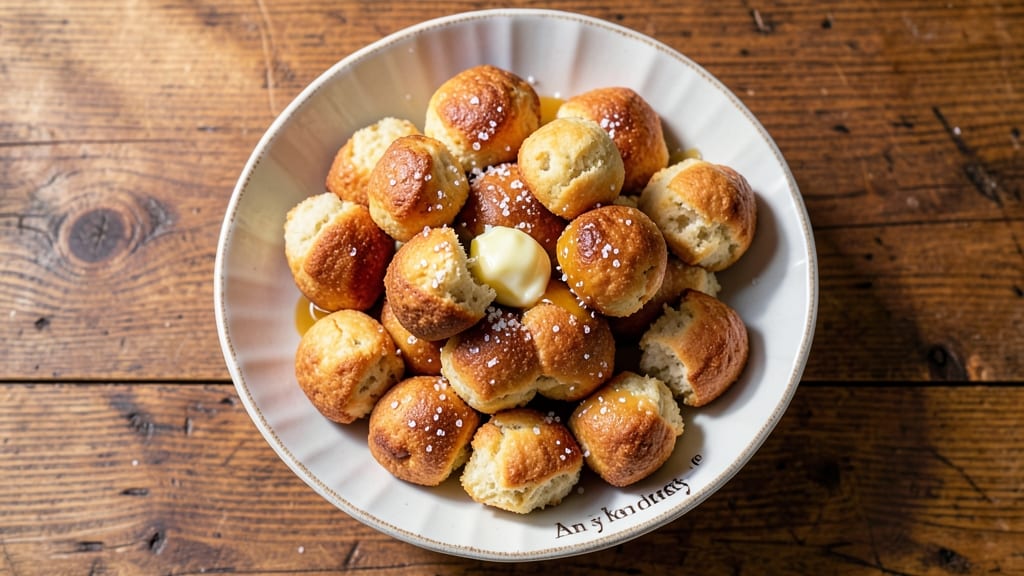
Annie's monkey bread recipe delivers that iconic buttery, pull-apart magic you crave for brunch or dessert—golden, flaky layers that dissolve in your mouth with every bite. The secret lies in a simple yeast dough rolled into balls, layered with melted butter, and baked until bubbly perfection.
I've perfected this version to cut prep time while keeping the restaurant-quality texture everyone loves.
What makes this recipe stand out is the foolproof technique that ensures tender, pull-apart layers without requiring advanced skills.
You'll work with a basic yeast dough, but the magic happens when you roll those dough balls into a tube, layer them with butter, and let them bake until deep golden brown. The result? A dessert that's impossible to resist—warm, buttery, and perfect for sharing.
This version comes together in just 30 minutes, including prep and baking time, making it ideal for last-minute gatherings or when you're craving something sweet.
The aroma alone will have everyone gathering around the table, and the first bite delivers that signature buttery, flaky goodness that defines Annie's monkey bread.
Serve it warm with extra butter melting on top or dusted with powdered sugar for a classic touch. It's equally delicious with coffee or as a standalone dessert—restaurant-quality without the fuss. Let's get started on creating your own pull-apart masterpiece!
Ingredients for annie's monkey bread
Four ingredients make the dough, two kinds of butter create the magic layers.
| Ingredient | Amount | Notes |
|---|---|---|
| Active Dry Yeast 🍞 | 2 ¼ tsp | One packet for convenience |
| Granulated Sugar 🍚 | ¼ cup | For yeast activation |
| Unsalted Butter 🧈 | ½ cup | Melted, full-fat for richness |
| Warm Whole Milk 🥛 | 1 cup | 110°F, not hot |
| All-Purpose Flour 🌾 | 2 ½ cups | Plus extra for dusting |
| Large Eggs 🥚 | 1 whole | Room temperature |
| Salt 🧂 | ½ tsp | Kosher or sea salt |
| Powdered Sugar 🍚 | ¼ cup | For dusting, optional |
| Unsalted Butter 🧈 | ½ cup | Cold, cubed for layering |
| Vanilla Extract 🍯 | 1 tsp | Pure vanilla preferred |
The yeast is the star—don't skip proofing it in warm milk and sugar. Trader Joe's or Whole Foods sell reliable packets, but check the expiration date. Freshness matters here. For the milk, warm it to 110°F—too hot and you kill the yeast. I always use Land O'Lakes unsalted butter for the dough and layering—it melts perfectly without burning. The vanilla extract? Pure, not imitation—it makes a difference in the final flavor. Flour? Grab King Arthur if you want the best texture, but regular grocery store brands work fine.
No vanilla extract? Vanilla bean paste works too—just use half the amount. Short on butter? Coconut oil melts similarly, but the flavor won't be quite the same. The dough needs to be soft but not sticky—add extra flour 1 tbsp at a time if needed. For the layering butter, don't substitute margarine—it won't give that rich, buttery flavor. The powdered sugar is optional but adds that classic touch. I usually skip it for serving but dust it on top right before baking for a pretty finish.
This dough keeps for 24 hours in the fridge, covered tightly. The baked monkey bread reheats beautifully—just 10 minutes at 350°F wrapped in foil. Store leftovers at room temperature for 3 days or freeze for 3 months. I always make a double batch because it disappears fast. The secret to reheating? Wrap it in foil and bake until warm—no microwave, or it gets rubbery.
Why You'll Love This Recipe
- No Yeast Fuss: I swear by this dough—just toss in the yeast, sugar, and warm milk, then let it sit while I chop veggies. No kneading, no waiting hours, and the butter-rich dough rises just right in under an hour. Honestly, it’s the kind of recipe that makes me feel like a baking pro without the effort.
- Sweet Butter Magic: That golden, buttery pull-apart texture? It’s what turns this into a crowd-pleaser. The sugar caramelizes just enough to give it a subtle sweetness, while the warm milk keeps it tender. Between us, it’s the kind of flavor that disappears too fast—my kids always ask for seconds before I even finish serving.
- Breakfast or Dessert: Serve it warm with cinnamon sugar for a brunch hit, or drizzle with honey and a sprinkle of nuts for an after-dinner treat. It’s equally at home on a lazy Sunday morning or as a showstopper for holiday gatherings. (Yes, even on a Tuesday night when you’re craving something indulgent.)
- Pantry Staple Power: Five ingredients, no specialty items—this is the kind of recipe that won’t break the bank. The dough keeps in the fridge for days, so I make a big batch and pull it out whenever I need a quick, foolproof bake. Leftovers? Toast them up for a crispy, buttery snack. Budget-friendly doesn’t get much better than this.
Step-by-step instructions for Annie's monkey bread recipe
Here's how to create that iconic buttery, pull-apart magic—simple steps for perfect monkey bread every time.
Activate the Yeast for Fluffy Layers
In a small bowl, combine the 1 cup warm whole milk (110°F) with 0.25 cup granulated sugar and 2.25 tsp active dry yeast. Let it sit for 5-10 minutes until it becomes frothy and bubbly. This step ensures your dough rises properly and develops that light, airy texture.
If the mixture doesn't bubble after 10 minutes, your yeast might be inactive—start over with fresh yeast. The warm milk should feel like bathwater to the touch, not hot. This activation process is the foundation for your pull-apart magic, so don't rush it.
Mix the Dough to Soft Perfection
In a large mixing bowl, whisk together 2.5 cups all-purpose flour and 0.5 tsp salt. Make a well in the center and pour in the yeast mixture along with 1 whole large egg and 1 tsp vanilla extract. Mix with a wooden spoon until a shaggy dough forms.
Gradually add the 0.5 cup melted unsalted butter while stirring. Once combined, knead the dough on a lightly floured surface for 5-7 minutes until smooth and elastic. The dough should be soft but not sticky—if it sticks, add a little more flour 1 tablespoon at a time. This kneading step develops gluten, which gives your monkey bread that signature tender yet sturdy texture.
First Rise for Light and Airy Layers
Place the dough in a lightly greased bowl, cover it with a clean kitchen towel, and let it rise in a warm place for 1 hour or until it doubles in size. You'll know it's ready when it puffs up dramatically and leaves an indentation when gently pressed with a finger.
I like to place the bowl near a warm oven with the light on, or in a slightly warmed oven (200°F) for consistent warmth. Avoid cold drafts—they slow down fermentation. This first rise is crucial for developing those signature fluffy layers that make monkey bread so irresistible.
Layer the Butter for Ultimate Richness
After the dough rises, punch it down gently to release air. On a lightly floured surface, roll the dough into a 12-inch circle about ½-inch thick. Cut the circle into 12 equal wedges and arrange them cut-side up in a greased 9-inch round cake pan or 9x13-inch baking dish. This creates a perfect base for your buttery layers.
Melt the 0.5 cup unsalted butter (the second amount listed) and brush it evenly over the dough wedges. Then sprinkle 0.25 cup powdered sugar over the top. This sugar-butter combo creates that signature caramelized crust when baked. The powdered sugar is optional but adds that classic sweetness that makes monkey bread so special.
Bake to Golden, Pull-Apart Perfection
Cover the pan tightly with aluminum foil and bake at 350°F for 30 minutes. Remove the foil and bake for another 15-20 minutes until the top is deep golden brown and smells heavenly. The edges should pull away slightly from the pan, and the center should still feel slightly soft when pressed gently.
For the best results, let the monkey bread cool in the pan for 10 minutes before serving. This resting time allows the layers to set slightly, making it easier to pull apart without falling. Serve warm with coffee or tea—each pull will reveal that buttery, sweet goodness hiding inside.
Pro Tips For Making Annie'S Monkey Bread
- Test Your Yeast First: I learned this the hard way—skipping the float test means wasting time and dough. Drop a pinch of yeast in warm milk (110°F) with a teaspoon of sugar, wait 5 minutes. If it bubbles, you’re good; if not, your yeast is dead or your milk’s too cold. Trust me, this 2-minute check saves hours of frustration later.
- Butter the Pan Like a Pro: Annie’s recipe calls for buttering the bundt pan, but most people slap it on and call it done. Melt 1 tablespoon of butter, brush it thickly on the pan, then sprinkle a generous layer of sugar—about ¼ cup—before adding the dough. This isn’t just for looks; it guarantees that golden, crispy pull-apart texture you crave. (Yes, even if you’re impatient like me.)
- Don’t Overmix the Dough: After burning three batches of dense, tough monkey bread, I finally stopped overworking the dough. Mix the yeast, milk, sugar, and 1 cup of flour until the yeast dissolves, then stop. Add the remaining dry ingredients and mix just until combined—lumpy is fine. Overmixing develops gluten, and that turns your fluffy pull-apart bread into a brick. (Your future self will thank you.)
- Bake at 350°F—No Higher: Sounds weird, but it works: monkey bread needs low and slow to rise properly. If you crank the oven to 375°F or higher, the yeast will cook before the dough can puff, leaving you with a sad, flat center. Stick to 350°F, and bake it for the full 50-60 minutes—even if the top browns faster. The inside will come together like magic.
Common mistakes when making great annie's monkey bread
Overproofed Dough
The most common mistake is letting the dough rise too long, which creates a dense, flat texture instead of light, pull-apart layers. I’ve ruined batches by leaving the dough out too long—look for it to double in size within 1 hour, not 2.
If it’s overproofed, punch it down and let it rest for 10 minutes before proceeding. This resets the yeast activity for a second chance at fluffy layers. 💡
Skipping Yeast Activation
Many people forget to activate the yeast in warm milk first, which can lead to a flat, dense loaf. Always check for bubbles and foam within 5-10 minutes—if it’s inactive, toss it and start fresh.
I use Trader Joe’s yeast packets because they’re reliable, but always verify the expiration date. Cold milk or old yeast will fail to activate, leaving you with a sad, flat result.
Uneven Butter Distribution
Baking without evenly distributing the butter layers means some parts will be dry and others soggy. Melt the ½ cup butter completely and brush it in thin, even layers between dough wedges.
I like to use a pastry brush for precision. If you skip the powdered sugar sprinkle, the butter can pool in spots, creating uneven browning and texture. 🧈
Incorrect Pan Size
Using the wrong pan size—like a 10-inch instead of 9-inch—can cause the dough to overflow or bake unevenly. The wedges should fit snugly in a 9-inch round pan or 9x13-inch dish without touching.
If using a different pan, adjust the baking time by 5-10 minutes—smaller pans need less time, while larger ones may require more.
Opening the Oven Too Soon
Peeking or opening the oven during the first 30 minutes of baking causes the dough to collapse and lose steam. The foil covering traps moisture and heat, which is critical for the rise.
I resist the urge to check until the foil is removed—patience here ensures those signature pull-apart layers. If you must peek, open the oven door just enough to glance, then close it quickly.
Overbaking for Dryness
Monkey bread should be soft and gooey inside, not dry and crumbly. The center should still feel slightly springy when pressed gently after 15-20 minutes uncovered. Overbaking by even 5 minutes can turn it into a sad, dry loaf.
If it’s not golden enough, cover it with foil for another 5 minutes to finish baking without drying out. 🔥
Nutrition facts
Frequently asked questions
Can I make this monkey bread ahead of time?
The unbaked dough keeps well for 24 hours in the fridge, covered tightly. For best results, bake it fresh—but if you need to prep ahead, shape the dough into wedges, cover, and refrigerate. Let it sit at room temperature for 30 minutes before baking to help it rise properly. The baked version reheats beautifully wrapped in foil at 350°F for 10 minutes.
What if my dough doesn't rise?
Check your yeast first—it must be fresh and activated properly in warm milk (110°F). If the mixture doesn't bubble within 10 minutes, your yeast is inactive. Try a new packet or test it in warm water with sugar (it should foam immediately). Also ensure your kitchen is warm enough—drafts can prevent rising. A slightly warmed oven (200°F) with the light on works perfectly.
Can I substitute the milk or butter?
For milk, use any warm dairy milk (whole, 2%, or even almond milk works in a pinch). For butter, stick to unsalted for best flavor, but if needed, use coconut oil (though the texture will differ slightly). Avoid margarine—the flavor won't be the same. The powdered sugar is optional, but it adds that classic sweetness. For a lighter version, you could reduce it to 1/4 cup.
How do I know when it's fully baked?
The top should be deep golden brown with a caramelized crust. Gently press the center—it should feel slightly soft but spring back. If it's not golden enough after 15-20 minutes uncovered, cover with foil and bake 5 more minutes. Overbaking makes it dry, so err on the side of slightly underdone. The internal temperature should reach 190°F for perfect texture.
Can I make this in a different pan shape?
Yes! Use a 9-inch round cake pan or 9x13-inch baking dish as a guide. For a 10-inch pan, reduce baking time by 5 minutes and adjust butter layers accordingly. If using a loaf pan, cut the dough into 8-10 strips instead of wedges. The key is even distribution—don't overcrowd the pan, or the layers won't pull apart properly.