
Breakfast & Brunch
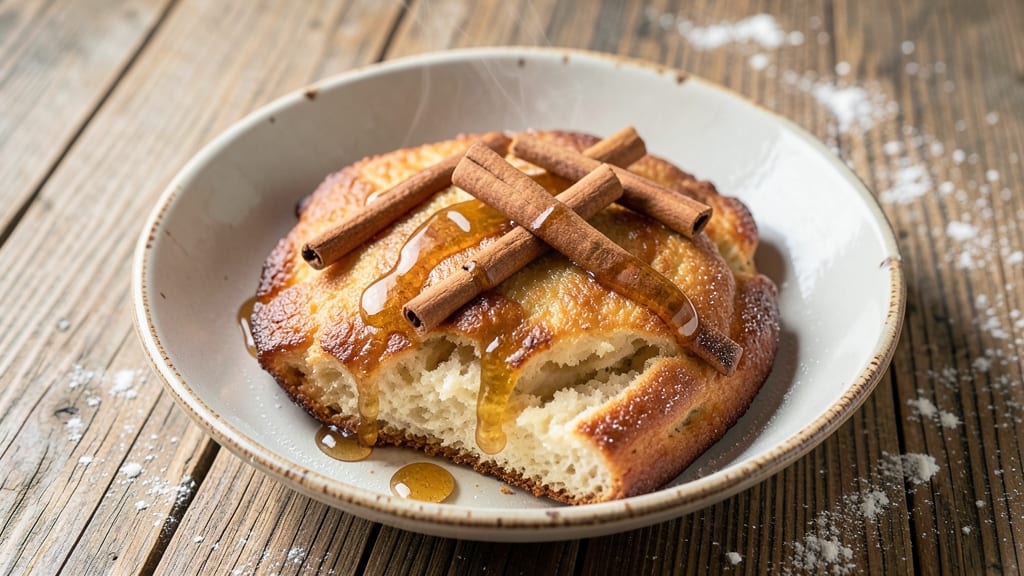
This Alaska Native fry bread recipe brings a taste of tradition to your kitchen with its golden-brown edges and fluffy interior—just like the bread served at powwows across Alaska. The dough comes together with just four simple ingredients, yet delivers a texture that’s impossible to resist.
I first learned about fry bread during a visit to a Native village, where it was served warm with honey and jam, a simple yet deeply satisfying meal.
The beauty of this recipe lies in its simplicity and cultural significance. Traditionally made with flour, water, fat, and salt, the dough is fried in hot oil until it reaches that perfect golden brown.
What makes it special is how the edges become crispy while the inside stays soft and pillowy. This technique has been passed down for generations, making it more than just a dish—it’s a piece of history.
Once fried, the possibilities are endless. Serve it warm with a drizzle of honey, a dusting of powdered sugar, or even a pat of butter for a taste of comfort.
The aroma alone will fill your kitchen with warmth, and each bite delivers that satisfying crunch followed by a tender, buttery finish. This is the kind of recipe that feels like a hug in bread form.
Perfect for breakfast, a snack, or even a dessert, fry bread is incredibly versatile. Whether you're celebrating a cultural tradition or simply craving something delicious, this recipe delivers. Let’s get started on making bread that carries a piece of Alaska’s rich heritage.
Ingredients for alaska fry bread
Four simple ingredients create a dish rich in tradition and comfort.
| Ingredient | Amount | Notes |
|---|---|---|
| All-Purpose Flour 🌾 | 2 cups | White or whole wheat preferred |
| Unsalted Butter 🧈 | ½ cup | Cold, cubed for texture |
| Water 💧 | ¾ cup | Room temperature preferred |
| Salt 🧂 | 1 tsp | Kosher or sea salt |
| Vegetable Oil 🫒 | 3 cups | For deep frying (peanut or canola works) |
| Honey 🍯 | ¼ cup | Wildflower or clover preferred |
| Powdered Sugar 🍚 | ¼ cup | For dusting |
| Jam 🍓 | ½ cup | Strawberry or raspberry preferred |
The flour is the foundation—King Arthur or Bob’s Red Mill work best for that perfect fluffy texture. If using whole wheat, add an extra 1 tbsp water to compensate for dryness. The butter should be cold and cubed (like ice cubes) to create those signature crisp edges. For the oil, vegetable or canola are neutral and work well, but peanut oil adds a subtle flavor if you're feeling adventurous. Buy butter in 1-pound packages from Whole Foods or Trader Joe's—it stays fresher longer. The water should be room temperature to help the dough come together smoothly without activating gluten too quickly.
No honey? Maple syrup works in a pinch, though it has a stronger flavor. Short on powdered sugar? A light dusting of cinnamon sugar gives a similar sweetness. For the jam, strawberry or raspberry are traditional, but apricot or blackberry add a nice twist. If you can’t find King Arthur flour, any all-purpose flour will do—just make sure it’s fresh. The dough should be sticky but manageable; if it’s too dry, add 1 tsp water at a time until it holds together. For a vegan version, swap butter for vegetable shortening or coconut oil, and use plant-based milk instead of water.
Fry bread stays best when fried fresh, but you can reheat in a 350°F oven for 5-10 minutes to restore crispiness. Store leftovers in an airtight container at room temperature for up to 2 days, or freeze for up to 1 month by wrapping individually in parchment paper. To serve, dust with powdered sugar or drizzle with honey while still warm. The butter cubes in the dough will keep it tender, but the hot oil is what creates that iconic crisp edge—don’t rush the frying process. For a make-ahead tip, prep the dough and refrigerate for up to 24 hours before frying.
Why You'll Love This Recipe
- Five-Ingredient Magic: I swear by this—just flour, butter, water, salt, and oil. No fancy pantry trips, no measuring cups that never quite fit. The dough comes together faster than I can wipe my hands on my apron, and honestly? That’s half the battle won.
- Crispy-Creamy Crunch: The secret’s in the butter—melted into the dough, then fried until golden. You get that perfect contrast: a shatteringly crisp edge with a pillowy center that begs for syrup or jam. (Yes, even on a Tuesday night.)
- Breakfast to Dessert: Serve it warm with honey for breakfast, stuff it with fried eggs and bacon for brunch, or dust it with powdered sugar for a late-night treat. My kids ask for it at all hours, and I never say no—because why would I?
- Leftovers? More Like Zero Waste: Between us, this dough keeps in the fridge for days, and the fried bread reheats like a dream. I’ve fed a crowd with one batch, packed it for lunch, and even frozen extras for lazy mornings. No sad, dried-out scraps here.
Step-by-step instructions for Alaska Native fry bread
Here's how to achieve the perfect balance of fluffy interior and crispy edges in traditional fry bread.
Prepare the Dough with Cold Butter
In a large mixing bowl, combine the 2 cups all-purpose flour and 1 teaspoon salt. Cut in the 0.5 cup cold, cubed unsalted butter using a pastry cutter or your fingers until the mixture resembles coarse crumbs with pea-sized butter pieces remaining. This texture is crucial—it creates pockets of steam that make the bread light and airy.
Gradually add the 0.75 cup room-temperature water while mixing with a wooden spoon or your hands. The dough will begin to pull away from the sides of the bowl as you work it. I like to use my hands for this step—it helps develop the gluten just enough for structure without making the bread tough. Once combined, knead the dough gently for about 2 minutes until it forms a smooth, slightly sticky ball.
Cover the dough with a clean kitchen towel and let it rest for 10 minutes at room temperature. This brief rest allows the gluten to relax slightly, making it easier to shape later. The dough should be soft but not sticky—if it's too wet, add a few extra tablespoons of flour; if too dry, add a teaspoon of water.
Shape and Heat the Oil
Divide the rested dough into 4 equal portions (about 4 ounces each) and roll each portion into a smooth ball. Place the balls on a lightly floured surface and cover again with the towel while you prepare the frying setup. The key to great fry bread is patience during shaping—take your time to create even, round balls with no cracks.
Pour the 3 cups vegetable oil into a deep, heavy skillet or Dutch oven. Heat the oil over medium heat until it reaches 350°F. Use a deep-fry thermometer to monitor the temperature—this precision ensures even cooking and prevents greasy bread. The oil should be hot enough to sizzle gently when a small piece of dough is added, but not smoking. If it smokes, reduce the heat slightly and let it stabilize.
Fry to Golden Perfection
Working in batches to avoid overcrowding, carefully place one dough ball into the hot oil. Fry for 2-3 minutes on each side, turning with a slotted spatula, until the bread is golden brown with crisp edges. The bread is ready when it releases easily from the oil and the underside has a light golden hue. Don't overcrowd the pan—frying too many pieces at once will lower the oil temperature and result in greasy bread.
Transfer the fried bread to a paper towel-lined plate to drain excess oil. I like to keep the fried bread warm in a 200°F oven while I finish the remaining pieces. This gentle heat maintains crispness without making the bread soggy. Each piece should be about 6-7 inches in diameter with a slightly puffed center that's soft to the touch.
Finish with Sweet Toppings
While the bread is still warm, brush the tops generously with the 0.25 cup honey. The heat from the bread will help the honey melt slightly, creating a sticky glaze that caramelizes beautifully. Immediately sprinkle with the 0.25 cup powdered sugar, pressing gently to adhere. This combination adds a delicate sweetness that balances the rich, buttery flavor.
Serve the warm fry bread immediately with the 0.5 cup jam spooned on top or alongside. The contrast of warm, crisp bread with cool jam creates a perfect balance of textures. For an authentic Alaska Native touch, serve with a side of honey or a dollop of whipped cream. The bread should be crisp around the edges but still soft and fluffy in the center when you bite into it.
Keep Warm and Serve Family-Style
To maintain crispness, keep any unfried bread covered with a clean towel while you finish cooking. If you need to hold the completed bread for more than 15 minutes, place it in a 200°F oven on a wire rack. This gentle heat preserves the texture without making it rubbery. Fry bread is best enjoyed immediately, but you can reheat slices in a dry skillet over medium heat for 1-2 minutes per side if needed.
The traditional way to serve fry bread is family-style, with everyone reaching for pieces from a shared platter. This recipe yields 4 large pieces, perfect for sharing. The combination of buttery richness, crisp edges, and sweet honey-sugar topping makes it a satisfying treat that's both simple to prepare and deeply comforting—just as it was meant to be in Alaska Native tradition.
Pro Tips For Making Alaska Fry Bread
- USE COLD BUTTER, NOT MELTED: I learned this the hard way—mixing softened butter into the dough makes it gummy and hard to shape. Take that butter straight from the fridge, cut it into small cubes, and let it mix into the flour naturally as you work. The cold fat creates flaky layers that crisp up perfectly.
- STIR THE DOUGH JUST UNTIL COMBINED: Overworking the dough turns it tough. Once the butter and water come together with the flour, stop stirring the second it holds shape when pressed. A few lumps are fine—this isn’t pie crust. Rough edges? That’s normal, and they’ll crisp into golden pockets.
- FRY IN BATCHES—DON’T CROWD THE PAN: I used to jam too many in at once, and they’d steam instead of brown. Keep the heat high (375°F) and fry 2-3 at a time in about 2 tablespoons of oil. The oil should sizzle but not smoke—if it’s too cool, your bread turns greasy. A slotted spatula helps flip them cleanly.
- SALT THE WATER, NOT THE DOUGH: Adding ½ teaspoon of salt to the water (not the flour) seasons the bread through the butter. I skipped this for years and wondered why my fry bread tasted bland. The salt dissolves into the dough as it cooks, giving that subtle depth without overpowering the buttery richness.
Best sauces and condiments for alaska fry bread
Honey Butter Glaze
My go-to topping is a mix of 2 tbsp melted butter and 1 tbsp wildflower honey, brushed warm over freshly fried bread. The butter softens the edges while the honey adds a caramelized sweetness. For extra richness, add a pinch of sea salt—it balances the flavors perfectly. 🍯
Powdered Sugar Dust
A simple yet elegant finish is a light dusting of powdered sugar while the bread is still warm. Use a fine-mesh sieve to avoid clumps, and tap gently to distribute evenly.
I like to add a sprinkle of cinnamon for warmth, especially if serving with coffee or tea. This works beautifully for breakfast or dessert.
Jam or Fruit Spread
Traditional pairings include strawberry or raspberry jam, served warm on top or alongside. For a modern twist, try blackberry compote with a hint of balsamic reduction. The tartness of the jam cuts through the buttery richness of the bread, creating a perfect balance.
Store-bought jams like Smucker’s work, but homemade preserves elevate the dish even more.
Cream Cheese & Berry
Spread a thin layer of cream cheese on warm fry bread, then top with fresh sliced strawberries or blueberries. The creaminess of the cheese complements the crisp edges, while the fruit adds a refreshing contrast.
I often use Philadelphia cream cheese for its smooth texture, but whipped cream cheese works too for a lighter option.
Savory Twist
For a non-sweet option, try a sprinkle of crumbled feta cheese and a drizzle of olive oil. Add a pinch of dried oregano and red pepper flakes for a Mediterranean-inspired flavor.
This works perfectly as a side dish or appetizer. The savory notes contrast beautifully with the bread’s buttery richness. 🌿
Chocolate Ganache Dip
Melt ½ cup dark chocolate with 2 tbsp heavy cream over a double boiler, then let it cool slightly. Dip warm fry bread into the ganache for a decadent dessert.
For extra flair, top with crushed pistachios or sea salt flakes. This pairing is a crowd-pleaser, especially during holiday gatherings or as a special treat. 🍫
Nutrition facts
Frequently asked questions
Can I make Alaska Native fry bread without butter?
Use ½ cup vegetable shortening or ½ cup coconut oil (solid) as a 1:1 substitute. The key is keeping the fat cold and cubed to create those signature crisp edges. For a vegan version, coconut oil works perfectly and maintains the traditional texture.
Why does my fry bread turn out greasy instead of crispy?
Greasy bread usually means the oil wasn't hot enough (350°F is ideal) or you overcrowded the pan. Fry in small batches with 2-3 minutes per side until golden brown. Use a deep-fry thermometer to monitor temperature—if it's below 350°F, let it heat up before adding more dough.
What's the cultural significance of Alaska fry bread?
Originally created during the forced relocation of Native Alaskans in the 19th century, fry bread became a symbol of resilience. Traditionally served at powwows and gatherings, it represents community and shared history. Today, it's enjoyed as both a cultural staple and delicious comfort food across Alaska.
Can I bake fry bread instead of frying it?
You can try baking, but the texture will differ. Shape the dough into balls and bake at 400°F for 12-15 minutes until golden. For crisp edges, brush with melted butter after baking. However, frying creates that signature buttery crunch that's hard to replicate in the oven.
How do I store leftover fry bread?
Keep leftovers in an airtight container at room temperature for up to 2 days. For longer storage, freeze individual pieces wrapped in parchment paper for up to 1 month. Reheat in a 350°F oven for 5 minutes or a dry skillet for 1-2 minutes per side to restore crispness.