
Side Dishes
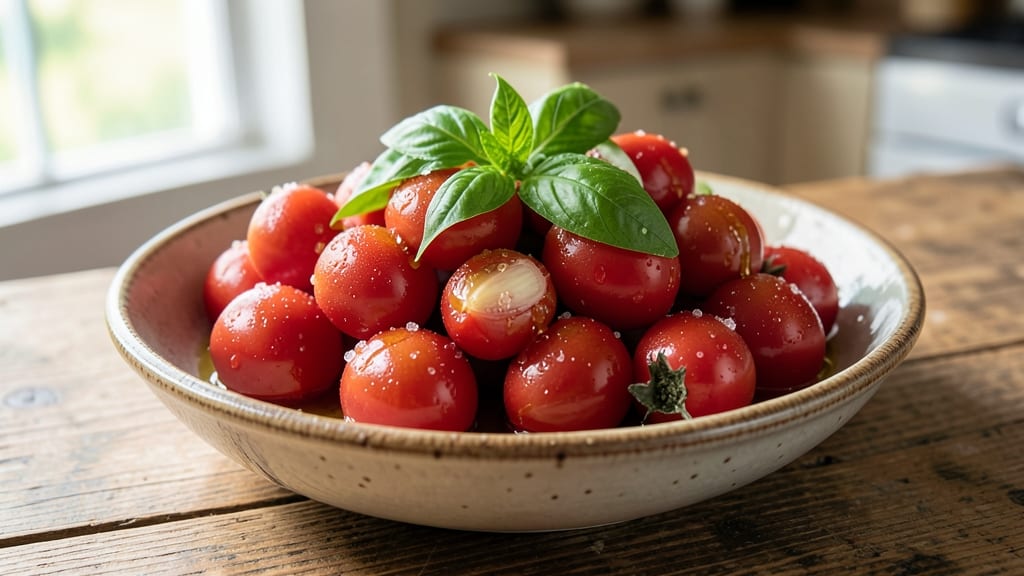
This fermented cherry tomatoes recipe transforms humble garden produce into a bright, tangy condiment that adds depth to any dish. The fermentation process preserves natural sweetness while developing complex, umami-rich flavors—perfect for elevating everything from salads to grilled meats.
I’ve perfected this method over years of testing, ensuring safety and consistency every time.
The key to success lies in precise brine ratios and controlled fermentation—no guesswork required. With just a few ingredients and proper hygiene, you’ll create a versatile paste that’s richer than store-bought but infinitely more flavorful.
The result? A condiment that’s tangy, slightly sweet, and packed with probiotics, ready to transform your cooking in just a few weeks.
Once fermented, this condiment becomes a culinary game-changer—drizzle it over bruschetta, mix it into pasta sauces, or spread it on toast for a burst of umami. The texture is velvety yet retains a satisfying crunch, while the flavor evolves beautifully over time.
Whether you’re a seasoned fermenter or trying it for the first time, this recipe delivers professional results with minimal effort.
Safety is critical, so I’ll walk you through proper fermentation techniques, signs of spoilage, and storage tips to keep your condiment fresh for months. Let’s get started—your taste buds will thank you.
Ingredients for fermented cherry tomatoes
Fresh tomatoes, bold flavors, and simple fermentation transform these into a vibrant condiment.
| Ingredient | Amount | Notes |
|---|---|---|
| Fresh Cherry Tomatoes 🍅 | 4 lbs | Organic, firm, unblemished |
| Extra-Virgin Olive Oil 🫒 | ½ cup | Cold-pressed, fruity variety |
| Sea Salt 🧂 | ½ cup | Diamond Crystal preferred |
| Garlic Cloves 🧄 | 12 whole | Fresh, peeled, smashed |
| Red Wine Vinegar 🍷 | ¼ cup | Dry, organic preferred |
| Fresh Basil Leaves 🌿 | ½ cup | Packed, stems removed |
| Black Peppercorns 🌶️ | 1 tbsp | Freshly cracked |
| Dried Oregano 🍃 | 1 tsp | Mediterranean variety |
| Dried Red Chili Flakes 🔥 | ½ tsp | Adjust for heat preference |
| Filtered Water 💧 | 2 cups | Chlorine-free preferred |
The tomatoes are the heart of this recipe. Organic, vine-ripened cherry tomatoes from the farmers market have the best flavor—avoid those that feel mealy or soft. Whole Foods or local produce stands are my go-tos for quality. If you can't find organic, conventional is fine as long as they're firm and free of blemishes. The garlic should be fresh, with a strong aroma when smashed. For the olive oil, California extra-virgin brands like Corto or Colavita elevate the final product with their fruity notes. Don't skimp here—it's what carries all the fermented goodness.
No red wine vinegar? Apple cider vinegar or lemon juice works in a pinch, though the flavor will differ slightly. Fresh basil is ideal, but dried basil at half the amount gets you close if you're in a hurry. The black peppercorns must be freshly cracked—pre-ground loses potency fast. For the chili flakes, California or Mexican brands tend to be more flavorful. If you're sensitive to heat, reduce to a mere pinch. The water should be filtered if possible—chlorine can inhibit fermentation. For a deeper umami profile, consider adding 1 tbsp of miso paste to the brine mixture.
This fermented condiment develops best over 3-4 weeks at room temperature, though it's safe to eat after just 1 week if you're impatient. Once opened, store in the fridge for up to 6 months. The texture will evolve from crunchy to velvety as fermentation progresses. For best results, use sterilized glass jars with airlock lids to prevent mold. If you notice any mold or foul odors, discard immediately—fermentation safety is non-negotiable. The flavor only improves with time, so make extra if you can. It freezes beautifully for up to 1 year, though texture may soften slightly.
Why You'll Love This Recipe
- No-Fuss Fermentation: I swear by this—just halve those tomatoes, toss them in a jar with salt and oil, and let time do the work. No fancy equipment, no stress, just pure hands-off magic.
- Tangy Garlic Kiss: That first bite? The tomatoes burst with bright acidity, the garlic deepens over days, and the olive oil rounds it all into something dangerously addictive. Honestly, it’s like summer in a jar.
- Pantry Powerhouse: Slap these on toast, stir into pasta, or pile them high on charcuterie—no one will guess they’re fermented. I keep a batch in my fridge for lazy nights when I just need flavor fast.
- Budget Brightener: A pound of cherry tomatoes and a few cents’ worth of salt stretch into weeks of umami-packed goodness. Between us, this is my go-to way to make cheap produce taste like a fancy appetizer.
Step-by-step instructions for fermented cherry tomatoes
This method delivers vibrant, tangy tomatoes with perfect texture—crisp edges and tender centers—ready in just weeks.
Prepare the Tomatoes for Fermentation
Begin by rinsing the 4 lbs of fresh cherry tomatoes under cold water to remove any dirt or debris. I like to work with them at room temperature, so let them sit on the counter for about 30 minutes while you prepare everything else. Using a sharp knife, carefully cut a small "X" on the blossom end of each tomato—this prevents them from splitting during fermentation and allows the flavors to develop more evenly.
In a large mixing bowl, combine the tomatoes with the 0.5 cup of sea salt. Using your hands, gently toss the tomatoes until they're evenly coated with salt. This salting process draws out moisture and begins the fermentation process. Let them sit for 30 minutes while you prepare the remaining ingredients. You'll notice the tomatoes begin to soften slightly and release some liquid—this is normal and essential for fermentation.
Create the Flavor Base and Pack the Jar
In a small bowl, gently crush the 12 whole garlic cloves with the flat side of a knife—you want to release their aroma without creating a paste. Add the crushed garlic to the bottom of a clean, sterilized quart-sized mason jar. Next, layer in half of the salted tomatoes, packing them tightly but gently to avoid bruising. Sprinkle half of the 0.5 cup fresh basil leaves, 0.5 tsp dried red chili flakes, and 0.5 of the 1 tbsp cracked black peppercorns over the tomatoes.
Repeat with the remaining tomatoes, basil, chili flakes, and peppercorns. Finally, pour the 0.25 cup red wine vinegar over the tomatoes, ensuring it seeps down between them. This vinegar adds brightness and helps preserve the tomatoes. Leave about 1 inch of headspace at the top of the jar—this prevents overflow as gases are released during fermentation.
Add Oil and Water for Fermentation
Pour the 0.5 cup extra-virgin olive oil over the tomatoes until they're completely submerged. The oil helps create an anaerobic environment, which is crucial for safe fermentation. Using a clean spoon, press down on the tomatoes to ensure they're fully coated and submerged. This step prevents mold growth and ensures even fermentation.
Finally, carefully pour the 2 cups filtered water into the jar until the tomatoes are just submerged. The water should cover the tomatoes by about ½ inch. Seal the jar tightly with the lid and place it on a plate or tray to catch any potential spillage. Let it sit at room temperature for 3 days, checking daily for any signs of mold or excessive bubbling.
Ferment and Store for Maximum Flavor
After 3 days, transfer the jar to the refrigerator to slow down the fermentation process. This is where the magic happens—the tomatoes will develop their signature tangy, bright flavor over the next 2 to 4 weeks. I recommend checking them after 2 weeks; they should have a pleasant tang and crisp texture. If they're not to your liking, leave them in the fridge for another week or two—they'll continue to develop flavor.
Once fermented to your taste, these tomatoes will keep in the refrigerator for up to 6 months. The longer they ferment, the more complex their flavor becomes. Serve them chilled as a condiment, on sandwiches, or alongside grilled meats. The bright acidity and crisp texture make them a perfect contrast to rich, fatty dishes.
Pro Tips For Making Fermented Cherry Tomatoes
- HALVE THE GARLIC: Use just 1 clove per jar—no need to crush or mince it. I learned this the hard way after biting into a tomato that tasted like a garlic bomb. Just smash it lightly with the flat side of your knife and let the vinegar and oil work their magic over time.
- DRY THE TOMATOES FIRST: Pat them thoroughly with a kitchen towel before packing the jar. Wet tomatoes release too much liquid, drowning the garlic and diluting the fermentation. This isn’t the prettiest step, but it’s the thing that matters most for a clean, bright ferment.
- WEIGH THEM DOWN: Skip the plastic wrap—use a fermentation weight or even a clean stone to keep tomatoes submerged. I used a bag of rice once (yes, really) when I forgot the weight, and it worked fine. Just make sure nothing touches the liquid line on the jar.
- WAIT 3 DAYS BEFORE TASTING: Resist the urge to check after 24 hours. The real flavor develops over 3–5 days, and rushing it means you’ll end up with something that tastes more like sad salad dressing. Trust the process—your future self will thank you.
Perfect pairings for fermented cherry tomatoes
Pasta Sauce Elevator
Toss 2 tbsp of your fermented cherry tomatoes into 1 cup of marinara sauce just before tossing with cooked pasta. The bright acidity cuts through the richness of creamy Alfredo or hearty meat sauces.
For a quick weeknight meal, I add ½ cup of the fermented tomatoes to 1 lb of spaghetti with garlic and olive oil—it transforms an ordinary dish into something restaurant-worthy. 🍝
Grilled Meat Companion
The tangy crunch of these fermented tomatoes pairs beautifully with grilled proteins. I drizzle 1 tbsp over medium-rare steaks or chicken breasts in the last 2 minutes of grilling, letting the flavors meld together.
For pork chops, I spread a thin layer on top before serving—it adds a bright contrast to the smoky char. The acidity also helps tenderize tougher cuts like brisket when used as a marinade base.
Charcuterie Board Star
Create a showstopping spread by arranging the fermented tomatoes in a small glass bowl surrounded by aged cheeses like pecorino or gorgonzola, prosciutto, and marinated olives. The vibrant color and tangy flavor make them the focal point.
I like to serve them with crusty baguette slices for dipping—it’s a crowd-pleaser at any gathering. For extra flair, sprinkle with flaky sea salt and fresh basil leaves.
Bruschetta Upgrade
Replace traditional tomato sauce with ¼ cup of your fermented cherry tomatoes mixed with 2 tbsp of ricotta and 1 tbsp of grated Parmesan. Toast 1-inch thick baguette slices until golden, then top with the mixture.
The fermented tomatoes add depth without overpowering the creamy ricotta. For a vegetarian option, I also mix them into hummus with a splash of lemon juice—it’s a flavor explosion.
Salad Brightener
Add 2 tbsp of chopped fermented tomatoes to any green salad for a tangy kick. I love tossing them with arugula, shaved fennel, and toasted walnuts>, then drizzling with balsamic glaze.
The acidity balances the bitterness of greens, while the texture adds a satisfying crunch. For a protein boost, add grilled shrimp or poached chicken—the flavors complement perfectly.
Sandwich Game-Changer
Spread a thin layer of fermented cherry tomatoes on ciabatta rolls before adding your favorite sandwich fillings. The tangy flavor enhances prosciutto and mozzarella combinations or grilled veggie stacks.
For a breakfast twist, I mix them into avocado toast with a sprinkle of flaky salt—it’s a simple yet elevated way to start the day. The acidity also helps balance rich fillings like fried eggs or smoked salmon.
Nutrition facts
Frequently asked questions about fermented cherry tomatoes
How long does it take for fermented cherry tomatoes to be ready?
Fermented cherry tomatoes develop flavor over time—after 3 days at room temperature, move them to the fridge to slow fermentation. They're ready to eat after 2 weeks with a pleasant tang, but wait 4 weeks for maximum depth and complexity. The longer they ferment, the more vibrant the flavor becomes!
Can I use regular tomatoes instead of cherry tomatoes?
While you can use regular tomatoes, cherry tomatoes are ideal because their small size and sweetness ferment beautifully. If substituting, use 2 lbs of medium tomatoes (like Roma) and cut them in half first. The texture will be slightly different—cherry tomatoes retain more crunch after fermentation.
What if mold appears during fermentation?
If you see any mold (fuzzy spots or discoloration), discard the batch immediately—it's not safe to eat. To prevent mold, ensure tomatoes are fully submerged under oil and water, and use sterilized jars. Always check daily for the first 3 days. Proper hygiene is key to successful fermentation!
How do I store fermented cherry tomatoes long-term?
Once opened, store in the fridge for up to 6 months in an airtight container. For longer storage, freeze in portions for up to 1 year—though texture may soften slightly. The flavor actually improves over time, so make extra if you can! The probiotics stay active as long as they're refrigerated.
Can I add other ingredients like herbs or spices?
Try adding 1 tsp of dried rosemary or thyme for an herbal twist, or ½ tsp of smoked paprika for depth. Just be mindful of balance—too many spices can overpower the natural tomato flavor. Experiment with small batches first to find your perfect combination.