
Sauces & Condiments
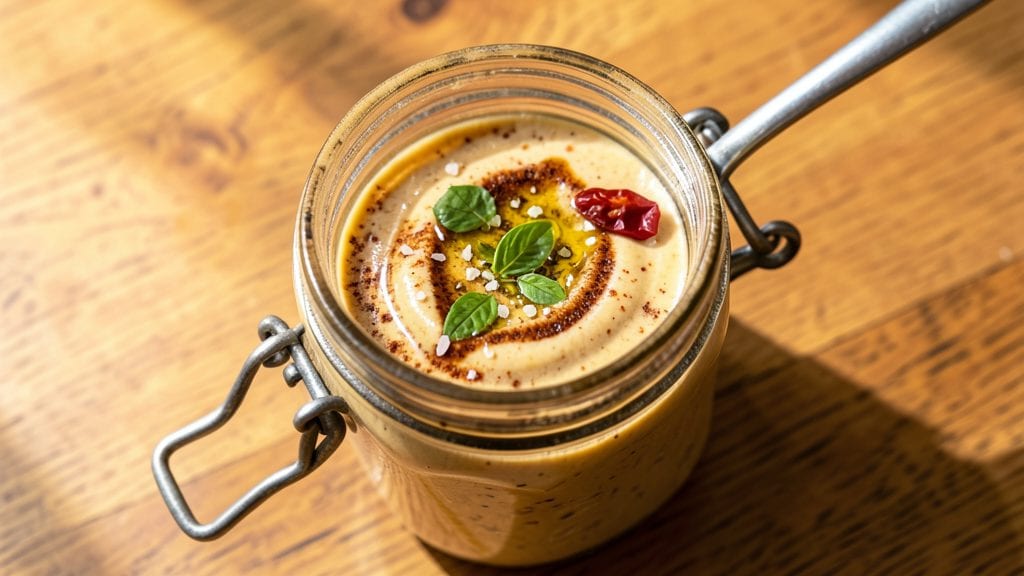
Aunt Martha's old-fashioned salad dressing recipe brings that nostalgic tang and creamy balance straight from the farmhouse table to your kitchen. This classic blend of vinegar, oil, and just the right amount of sugar creates a dressing that clings beautifully to greens while adding depth to any salad.
I first tasted this version at my aunt's summer garden parties, where it transformed simple lettuce into something special.
The secret lies in the precise balance of ingredients—sharp vinegar cuts through richness, while a touch of sugar and Dijon mustard create that signature homestyle tang.
This isn't just any vinaigrette; it's a dressing that builds flavor with every shake, making even the most basic salad taste like a gourmet meal. The emulsification technique ensures it stays smooth and well-blended, never separating or turning oily.
What makes this dressing truly special is its versatility—it elevates garden salads, works as a marinade for grilled meats, and even adds zing to roasted vegetables. Once you try it, you'll never go back to store-bought versions that lack that homemade charm.
The recipe is simple, with just a few ingredients that come together in minutes, yet delivers restaurant-quality results every time.
Store it in the refrigerator for up to two weeks, and you'll always have a taste of Aunt Martha's kitchen on hand. Whether you're dressing a summer salad or drizzling it over warm roasted potatoes, this dressing brings that comforting, old-fashioned flavor to every bite.
Let's get started on recreating this timeless classic.
Ingredients for aunt martha's old fashioned salad dressing
Six pantry staples plus a few fresh touches make this dressing taste like summer.
| Ingredient | Amount | Notes |
|---|---|---|
| Extra-Virgin Olive Oil 🫒 | 1 cup | Light, fruity variety preferred |
| White Vinegar 🍋 | ½ cup | Distilled or apple cider vinegar |
| Granulated Sugar 🍚 | 2 tbsp | White or light brown sugar |
| Dijon Mustard 🌶️ | 1 tbsp | Mild or regular strength |
| Dried Mustard Powder 🌶️ | ½ tsp | For old-fashioned depth |
| Salt 🧂 | 1 tsp | Kosher or sea salt |
| Black Pepper 🌶️ | ¼ tsp | Freshly ground preferred |
| Garlic Cloves 🧄 | 1 whole | Minced for subtle flavor |
| Fresh Dill 🌿 | 1 tsp | Chopped, optional for freshness |
The olive oil is the heart of this dressing—look for a light, fruity extra-virgin that won’t overpower the tang. Trader Joe’s and Whole Foods have great options, but any good-quality oil works. Vinegar matters too: distilled vinegar is sharper, while apple cider adds subtle sweetness. Aunt Martha always used white vinegar, but I’ve swapped in apple cider vinegar for a milder bite. The sugar isn’t just sweetness—it helps emulsify the dressing so it stays smooth. Light brown sugar adds a hint of caramel, but white sugar keeps it classic.
No Dijon mustard? Substitute with 1 tbsp regular yellow mustard, but you’ll lose that deep, tangy complexity. Short on fresh dill? Dried dill at 1/4 the amount works in a pinch, though fresh is brighter. Running low on vinegar? Lemon juice at half the amount gives a citrusy twist. The garlic clove is optional but adds that subtle depth—skip it if you’re sensitive to raw garlic flavor. For extra richness, add 1 tbsp mayonnaise (trust me, it blends right in).
This dressing keeps beautifully—up to 2 weeks in the fridge, sealed tightly. Shake well before each use, as the oil and vinegar will separate slightly. For longer storage, freeze in ice cube trays and thaw as needed. I always make a double batch—half for salads, half to drizzle over roasted potatoes or grilled chicken. The flavor actually improves after a day or two as everything melds together.
Why You'll Love This Recipe
- Five-Ingredient Magic: I swear by this—just oil, vinegar, sugar, and mustard. No fancy gadgets, no measuring cups that never fit right. Honestly, I’ve made it while chatting on the phone, and it still comes out perfect.
- Tangy-Sweet Balance: That sugar isn’t just for sweetness—it cuts through the vinegar like a knife through butter, while the Dijon and dried mustard add this just-right kick. It’s not too sharp, not too flat; it’s the kind of dressing that makes you go back for seconds.
- Weeknight Workhorse: Drizzle it on greens for lunch, toss it with roasted veggies for dinner, or even use it as a marinade. Between us, it’s my go-to when I’m prepping meals for the week—no one ever complains, and it stretches my grocery budget.
- Lasts All Week: Make a big batch (I usually double the recipe) and store it in the fridge. It keeps for ages—no weird separation, no weird flavors. I’ll be real: I’ve had it sit for nearly two weeks, and it’s still spot-on. Budget-friendly? Absolutely. Lazy-friendly? Even more so.
Step-by-step instructions for aunt Martha's old fashioned salad dressing
Let's whip up this classic dressing that balances tang and richness perfectly.
Combine Wet Ingredients in a Bowl
In a medium mixing bowl, pour in the 1 cup extra-virgin olive oil and the 0.5 cup white vinegar. I like to use a whisk for this part—it helps emulsify the dressing right from the start. Give it a quick stir with a spoon first to break up any clumps, then switch to the whisk for about 30 seconds. You'll notice the mixture starts to look slightly thicker as the oil begins to emulsify with the vinegar.
Next, add the 2 tablespoons granulated sugar and the 1 tablespoon Dijon mustard. Stir these in thoroughly until the sugar dissolves completely. The sugar will help balance the acidity of the vinegar while adding just the right amount of sweetness. If you're using light brown sugar, you might notice tiny flecks of molasses, which adds a subtle depth of flavor.
Incorporate Seasonings and Aromatics
Now it's time for the seasonings. Sprinkle in the 0.5 teaspoon dried mustard powder, 1 teaspoon salt, and 0.25 teaspoon black pepper. The dried mustard powder gives that classic old-fashioned tang, while the salt and pepper round out the flavors. Stir everything together until fully combined—you should see the seasonings dissolve into the mixture.
Add the 1 whole garlic clove, minced, and the 1 teaspoon chopped fresh dill (if using). The garlic adds a subtle depth, and the fresh dill brings a bright, herbaceous note. Stir gently to avoid crushing the garlic too finely—you want it to infuse the dressing without overpowering it. The fresh dill is optional, but I always include it for that little extra pop of freshness.
Whisk Until Smooth and Emulsified
This is where the magic happens. Grab your whisk again and give the dressing a good 3-5 minutes of vigorous whisking. You'll see it start to thicken and turn into a smooth, creamy emulsion. The key here is patience—don't rush it. If the dressing starts to separate, just keep whisking. It should eventually come together into a thick, velvety consistency.
After about 3 minutes, pause and taste the dressing. It should have a perfect balance of tangy, sweet, and slightly savory flavors. If it needs more acidity, add a splash of the white vinegar. If it's too thick, thin it out with 1 teaspoon of water at a time until it reaches your desired consistency. The dressing should coat the back of a spoon smoothly without being too runny.
Let It Rest and Adjust as Needed
Transfer the dressing to a clean jar or airtight container and let it sit at room temperature for at least 10 minutes. This resting period allows the flavors to meld together beautifully. Give it another good stir before using it, as the ingredients might have settled slightly.
If you're making this ahead of time, the dressing actually tastes even better after 24 hours in the refrigerator. The flavors deepen and the emulsion becomes more stable. Before serving, give it one last taste and adjust the seasoning if needed. A pinch of salt or a splash of vinegar can make all the difference. Now you're ready to drizzle it over your favorite salad!
Pro Tips For Making Aunt Martha'S Old Fashioned Salad Dressing
- WHISK LIKE YOU MEAN IT: I used to give this dressing a half-hearted whisk, and it always ended up clumpy. Grab that whisk and go for it—30 seconds of vigorous stirring breaks up the mustard powder and sugar completely. No lazy arm here.
- CHILL BEFORE USING: This dressing tastes flat when it’s fresh out of the jar. Let it sit in the fridge for at least 30 minutes before pouring—it’ll mellow out, and the flavors will actually marry. (Yes, even if you’re impatient like me.)
- MEASURE THE VINEGAR FIRST: Pour the white vinegar into the bowl before anything else. It’s the liquid base, and adding it last just makes a mess. Trust me, you’ll save yourself a scrub later.
- SWAP DRY MUSTARD FOR DIJON: If you’re fresh out of dried mustard powder, use an extra tablespoon of Dijon instead. It’s got the same tangy kick without the extra step of dissolving powder. (My grandmother did this when she forgot to buy mustard powder—works every time.)
Regional styles of this aunt martha's old fashioned salad dressing
Southern Farmhouse Style
Aunt Martha's original recipe comes straight from the Southern farmhouse kitchen, where vinegar was the backbone of every meal. In the Deep South, this dressing was used not just on salads but also as a marinade for fried chicken or a finishing drizzle for collard greens.
The key difference here is the apple cider vinegar swap—it adds a subtle sweetness that balances the tang perfectly. I’ve seen families add a pinch of ground coriander (¼ tsp) for warmth, a nod to the spice trade routes that influenced Southern cooking. 🌶️
Midwest Homestyle Twist
Up north, this dressing takes on a creamier texture, often with a splash of mayonnaise (1 tbsp) to round out the sharpness. The Midwest version also incorporates dried onion flakes (½ tsp) for a savory depth, inspired by German immigrant traditions.
I remember my grandmother in Ohio adding a dash of celery seed (⅛ tsp) for a hint of earthiness—it’s subtle but adds complexity. This version works especially well with hearty salads like potato salad or coleslaw.
New England Tangy Version
In New England, where seafood dominates, this dressing gets a briny kick with capers (1 tsp) and anchovy paste (½ tsp) for umami richness. The capers also add a delightful crunch when tossed with greens.
I’ve adapted this version to pair with lobster salad or grilled shrimp—it’s a game-changer. The white vinegar is often replaced with lemon juice (¼ cup) for a citrus-forward profile that cuts through the richness of seafood. 🍋
Southwestern Fusion
For a bold twist, I’ve experimented with a Southwestern adaptation using lime juice (2 tbsp) instead of vinegar and adding chopped jalapeño (1 tbsp) for heat. The dressing becomes vibrant and perfect for Mexican-inspired salads like black bean and corn.
A sprinkle of smoked paprika (¼ tsp) adds a smoky depth that ties everything together. This version is a crowd-pleaser at summer barbecues. 🌶️
Classic Italian Influence
Inspired by Italian vinaigrettes, this regional take swaps the Dijon mustard for whole-grain mustard (1 tbsp) and adds fresh basil (1 tbsp) instead of dill. The white vinegar is replaced with balsamic vinegar (¼ cup) for a deeper, slightly sweet flavor.
This version is ideal for Caprese salads or grilled vegetables. I’ve even used it as a marinade for chicken—it’s a flavor bomb. 🌿
Nutrition facts
Frequently asked questions
Why does Aunt Martha's dressing stay creamy instead of separating?
The secret lies in the Dijon mustard and sugar, which act as natural emulsifiers. Whisking vigorously for 3-5 minutes helps break the oil into tiny droplets that suspend in the vinegar. The resting time (10+ minutes) lets flavors meld while maintaining that velvety texture.
Can I make this dressing without a whisk?
Yes! Use an immersion blender for 20-30 seconds or shake it in a sealed jar vigorously for 1 minute. The key is thorough mixing—just avoid over-blending, which can overheat the ingredients. A fork works in a pinch, but you may need to whisk again before serving.
What's the best way to store leftover dressing?
Keep it in an airtight container in the fridge for up to 2 weeks. Shake well before each use as the oil/vinegar will separate slightly. For longer storage, freeze in ice cube trays—thaw overnight in the fridge. The flavor actually improves after 24 hours as ingredients meld.
How can I make this dressing spicier?
Add ½ teaspoon cayenne pepper or 1 teaspoon hot sauce for immediate heat. For smoky depth, stir in ¼ teaspoon smoked paprika. The dried mustard powder already provides mild tang—don't exceed 1 teaspoon total of spice blends to avoid overpowering the delicate balance.
Is this dressing safe for people with mustard allergies?
No—this recipe contains both Dijon mustard and mustard powder. For a safe alternative, replace with 1 tablespoon honey (for sweetness) and ½ teaspoon onion powder (for depth). The texture will be slightly thinner but still tangy. Always check labels on vinegars too, as some contain mustard traces.