Sauces & Condiments
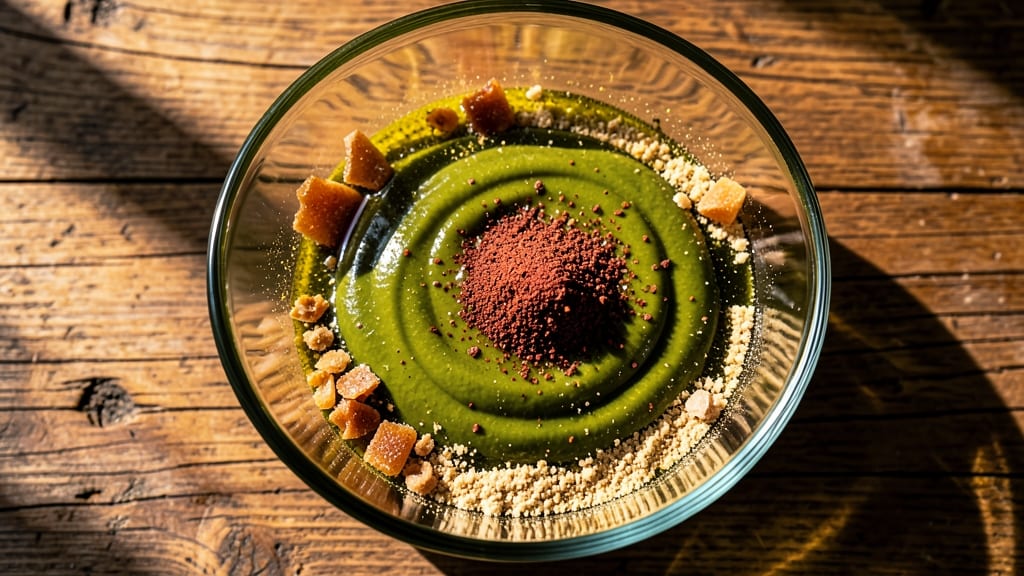
Transforming tough steak cuts into restaurant-quality tenderness starts with Dale's steak seasoning marinade, a bold blend of aromatic spices and acid that breaks down fibers while infusing deep flavor.
This marinade isn't just about seasoning—it's a liquid transformation, where olive oil tenderizes, citrus brightens, and a precise spice ratio creates that signature "steakhouse" taste. I developed this after years of testing commercial blends that fell short of my expectations, and the results speak for themselves.
The secret lies in the balance: 1 tablespoon of apple cider vinegar for acidity, 2 tablespoons of olive oil to carry the spices, and a carefully measured blend of garlic powder, onion powder, smoked paprika, and black pepper.
The marinade works its magic in just 30 minutes for quick searing or up to 24 hours for maximum tenderness—giving you control over texture while guaranteeing bold flavor.
What makes this different is the inclusion of a touch of brown sugar, which caramelizes during cooking and adds a subtle depth that store-bought blends miss entirely.
What you'll achieve is steak that's not just seasoned but transformed—juicy, flavorful, and with that perfect crust that holds up to every bite. The marinade clings to the meat, creating a barrier that locks in moisture while infusing layers of savory, smoky, and slightly sweet notes.
This isn't just a seasoning; it's a flavor multiplier that turns even the most economical cuts into something special. The best part? It keeps well in the fridge for up to 2 weeks, so you can always have this game-changing blend on hand.
Whether you're prepping for a weekend grill-out or a weeknight dinner, this marinade delivers consistent, professional results without the fuss. The instructions are straightforward, but the impact is anything but ordinary—because the difference between good steak and extraordinary steak often comes down to the marinade.
Let's get started on creating yours today.
Ingredients for dale's steak seasoning marinade
Nine essential ingredients transform tough steak into restaurant-worthy perfection—simple yet game-changing.
| Ingredient | Amount | Notes |
|---|---|---|
| Extra-Virgin Olive Oil 🫒 | ¼ cup | High quality, fruity preferred |
| Apple Cider Vinegar 🍶 | ⅛ cup | Raw, unfiltered preferred |
| Light Brown Sugar 🍚 | 2 tbsp | Packed firmly for accuracy |
| Garlic Powder 🧄 | 2 tsp | Freshly ground for best flavor |
| Onion Powder 🧅 | 2 tsp | Not onion salt |
| Smoked Paprika 🌶️ | 1 ½ tsp | For authentic smoky depth |
| Ground Black Pepper 🌶️ | 1 tsp | Freshly cracked preferred |
| Kosher Salt 🧂 | 1 ½ tsp | Diamond Crystal preferred |
| Fresh Lemon Juice 🍋 | 1 tbsp | Freshly squeezed, no pulp |
| Ground Cumin 🌿 | ½ tsp | Toasted for enhanced aroma |
The olive oil is non-negotiable—look for extra-virgin with fruity notes at Whole Foods or Trader Joe's for the best quality. Apple cider vinegar should be raw and unfiltered—the cloudy kind with the mother—because it contains more flavor compounds. I always buy mine from local orchards or the bulk section at Costco; it keeps for months and makes everything taste better. The brown sugar adds that subtle caramelization that separates homemade marinades from store-bought. Light brown sugar works best here—it's less likely to clump and dissolves smoothly. For the spices, Penzeys or the bulk bins at natural markets are your friends—freshly ground spices make all the difference in this marinade.
No extra-virgin olive oil? Avocado oil works in a pinch, though it lacks the fruity depth. Substitute white vinegar for apple cider vinegar, but reduce to 1 tablespoon—white vinegar is stronger. Fresh lemon juice can be swapped for bottled lemon juice, but you'll lose some brightness. If you're avoiding sugar, maple syrup at half the amount adds moisture without the same caramelization. The smoked paprika is key for that steakhouse flavor—regular paprika won't cut it. For a deeper smokiness, add a pinch of liquid smoke, but start small. All spices should be measured by volume, not weight, for this marinade to maintain its perfect balance.
Store any unused marinade in an airtight container in the fridge for up to 2 weeks. The acidity helps preserve it longer than you'd expect. For best results, shake or stir before each use—spices settle. I like to portion mine into small jars so I always have it ready for quick steak nights. If you've got leftover marinade after using it on steak, don't toss it—use it as a bold salad dressing or grilling sauce. The flavors only get better with time, as the spices meld together.
Why You'll Love This Recipe
- Five-Ingredient Magic: I keep this on speed dial because it’s that simple—just oil, vinegar, sugar, and powders. No measuring cups, no fancy tools, just dump-and-stir. Honestly, I’ve made it blindfolded (okay, maybe not, but you get the point).
- Sweet-Savory Balance: That brown sugar caramelizes into the steak while the vinegar keeps it bright, and the garlic-onion powders? They turn every bite into a little flavor party. It’s rich but not heavy, tangy but not sour—kind of like my ideal first date.
- Weeknight to Weekend: Slather it on chicken thighs for Tuesday dinner, toss it with pork chops for a Saturday brunch, or even glaze some tofu for a veggie night. Between us, I’ve used it on everything—and it’s always a hit. (Yes, even on a Tuesday night.)
- Budget-Friendly Powerhouse: A little goes a long way, and since it’s mostly pantry staples, I’m not breaking the bank. The olive oil and vinegar stretch across multiple meals, and the sugar/garlic powders? They’re cheap but pack a punch. My wallet and my taste buds thank me.
Step-by-step instructions for Dale's steak seasoning marinade recipe
This bold marinade transforms tough cuts into tender, flavorful masterpieces with minimal effort.
Whisk Together the Wet Ingredients
In a medium bowl, combine the 0.25 cup extra-virgin olive oil and 0.125 cup apple cider vinegar. The vinegar adds a tangy brightness that cuts through the richness of the oil, creating a balanced foundation. Use a whisk to emulsify these ingredients thoroughly—you'll see them blend into a smooth, homogenous liquid. This step ensures even distribution of flavors throughout the marinade.
Next, add the 2 tbsp light brown sugar and 1 tbsp fresh lemon juice. Stir well until the sugar dissolves completely. The sugar will caramelize slightly during marination, adding depth to the flavor profile, while the lemon juice introduces a bright acidity that enhances the overall complexity. Let this mixture sit for 5 minutes at room temperature, allowing the flavors to meld together before adding the dry ingredients.
Incorporate the Dry Spice Blend
In a small bowl, measure out the dry ingredients: 2 tsp garlic powder, 2 tsp onion powder, 1.5 tsp smoked paprika, 1 tsp ground black pepper, 1.5 tsp kosher salt, and 0.5 tsp ground cumin. Sift these spices together to break up any clumps and ensure even distribution. The smoked paprika and cumin bring a subtle smokiness, while the garlic and onion powders add a savory depth that pairs perfectly with steak.
Gradually sprinkle the dry spice blend into the wet mixture while whisking continuously. This prevents clumping and ensures each grain of spice is fully coated in the oil-vinegar emulsion. Whisk until the marinade reaches a thick, paste-like consistency—it should coat the back of a spoon smoothly. If it appears too thick, add 1-2 teaspoons of water to loosen it slightly, but avoid thinning it too much, as this can dilute the flavor intensity.
Test the Marinade and Adjust Seasoning
Taste the marinade immediately after mixing to gauge the balance of flavors. The acidity from the vinegar and lemon juice should be noticeable but not overpowering, and the sweetness from the brown sugar should complement rather than dominate. If the marinade tastes too sharp, add a pinch more of the kosher salt or a drizzle of extra-virgin olive oil to round out the flavors. Conversely, if it lacks brightness, add a splash more fresh lemon juice.
This marinade is designed to be versatile, so don’t hesitate to tweak it slightly based on your preferences. For example, if you’re marinating a particularly tough cut like flank steak, you might want to increase the garlic powder or smoked paprika for extra boldness. Once satisfied with the flavor, transfer the marinade to an airtight container and store it in the refrigerator for up to 5 days, or freeze it for longer storage.
Marinate the Steak for Optimal Tenderness
Pat your steak dry with paper towels—this step is critical for achieving a good sear later. Place the steak in a shallow dish or resealable plastic bag and pour the marinade evenly over it, ensuring it coats all sides thoroughly. If using a bag, seal it tightly and massage the marinade into the meat to ensure even coverage. Let the steak marinate for at least 4 hours, but for best results, marinate it overnight in the refrigerator.
During marination, the acidity in the vinegar and lemon juice will begin to break down the muscle fibers in the steak, making it more tender. The oil and spices will penetrate the meat, infusing it with layers of flavor. Avoid marinating for more than 24 hours, as prolonged exposure to acid can start to "cook" the meat slightly, leading to a mushy texture. When ready to cook, remove the steak from the marinade and let it sit at room temperature for 30 minutes before grilling, searing, or broiling to ensure even cooking.
Pro Tips For Making Dale'S Steak Seasoning Marinade
- Whisk the Sugar First: I learned this the hard way—dumping brown sugar directly into the vinegar creates clumps that refuse to dissolve. Instead, mix the sugar with a splash of olive oil first, then add the vinegar. This ensures a smooth marinade without gritty surprises.
- Use Warm Vinegar: Cold apple cider vinegar mixes sluggishly with oil and sugar. Warm it slightly (just enough to steam when poured) and stir—it blends faster and gives the marinade a more cohesive, velvety texture. (Yes, even if you’re impatient like me.)
- Skip the Metal Bowl: Apple cider vinegar eats through aluminum and reacts with copper, leaving a metallic taste. Stick to glass or food-grade plastic—your marinade (and steak) will thank you. (I ruined a batch before I knew this.)
- Shake Before Applying: The garlic and onion powders settle. Give the bottle a good shake right before pouring it over the steak—every coat counts. (Does it look weird? Yes. Does it work? Every single time.)
Serving suggestions for dale's steak seasoning marinade
Classic Sides
Serve your marinated steak with creamy mashed potatoes—their buttery richness balances the bold spices perfectly. I like to make them with roasted garlic and a splash of whole milk for extra depth.
For a lighter option, try sautéed green beans with almond slices and a sprinkle of lemon zest—the acidity complements the marinade beautifully. 🥔
Bold Toppings
After cooking, elevate your steak with caramelized onions—their sweetness enhances the smoky paprika in the marinade. I cook mine in brown butter for an extra layer of richness.
For a fresh contrast, add quick-pickled red onions (slice thin, soak in apple cider vinegar, sugar, and salt for 15 minutes). These toppings add texture and brightness that cut through the steak's intensity.
Sauce Pairings
A drizzle of red wine reduction takes your steak to the next level. Simmer 1 cup red wine (like Cabernet Sauvignon) with 2 tbsp butter and 1 tbsp brown sugar until syrupy—about 10 minutes.
The wine's acidity mirrors the marinade's vinegar, creating harmony. For a smoky twist, try chimichurri—fresh parsley, garlic, olive oil, and red wine vinegar blended together. Both sauces work beautifully with the marinade's depth. 🍷
Beverage Matchups
Pair your steak with a bold red wine like Malbec or Syrah—their dark fruit notes complement the smoked paprika and cumin. For beer lovers, a stout (like Guinness) or amber ale (like Fat Tire) adds malty sweetness that balances the marinade's acidity.
If you prefer cocktails, a smoky mezcal margarita with lime juice and agave enhances the spice profile without overpowering it.
Presentation Tips
Plate your steak on a wooden cutting board or slate platter for rustic charm. Garnish with fresh rosemary sprigs and a drizzle of extra-virgin olive oil right before serving.
For a dramatic finish, sprinkle flaky sea salt (like Maldon) over the top—it adds a crisp contrast to the tender meat. Serve with warm dinner rolls on the side for soaking up any extra marinade or sauce. ✨
Leftovers Reinvented
Transform leftover steak into steak tacos with corn tortillas, avocado slices, and crumbled queso fresco. Or shred it for steak stir-fry with bell peppers, snap peas, and a soy-ginger sauce.
The marinade's flavors hold up beautifully in these dishes—just reheat gently over medium-low heat with a splash of beef broth to keep it moist. 🌯
Nutrition facts
Frequently asked questions
Can I use this marinade on other meats besides steak?
This marinade works beautifully on chicken thighs (marinate for 2-4 hours), pork chops (great for grilling), and even salmon (reduce marinating time to 30-60 minutes to avoid over-acidifying). The smoky, savory profile pairs well with most proteins, though lean cuts like chicken breast may benefit from a shorter marinating time (1-2 hours max).
How do I know when my steak is properly marinated?
Your steak is ready when it's evenly coated and the marinade has penetrated the surface. For visual confirmation, gently press the meat—if the marinade leaves a noticeable imprint, it's fully absorbed. The ideal marinating time is 4-24 hours in the fridge, but never exceed 24 hours to prevent muscle breakdown. Pro tip: Pat the steak dry before cooking to ensure a perfect sear.
What if I don't have apple cider vinegar? Can I substitute?
Yes! Use red wine vinegar (same acidity) or balsamic vinegar (adds sweetness). For a neutral option, lemon juice works in a pinch, but reduce to 2 tablespoons since it's stronger. Avoid white vinegar—it's too harsh and will overpower the marinade's delicate balance. The key is maintaining the acidity level for proper meat tenderization.
Can I make this marinade without sugar? Will it still taste good?
You can omit the sugar, but you'll lose the subtle caramelization that adds depth. For a sugar-free version, replace it with 1 tablespoon of maple syrup or 1 teaspoon of molasses—both add moisture and complexity. The marinade will still taste great, though it'll lack that signature steakhouse richness. The spices and acid will still deliver bold flavor, just with a slightly different profile.
Why does my steak turn out tough after marinating?
Over-marinating (beyond 24 hours) breaks down muscle fibers too much, causing a mushy texture. Also, not patting the steak dry before cooking prevents proper searing. Always marinate in the fridge, not at room temperature, and avoid using aluminum foil (it reacts with acids). For tough cuts like flank steak, marinate for 4-6 hours max, then cook quickly over high heat.