
Main Courses
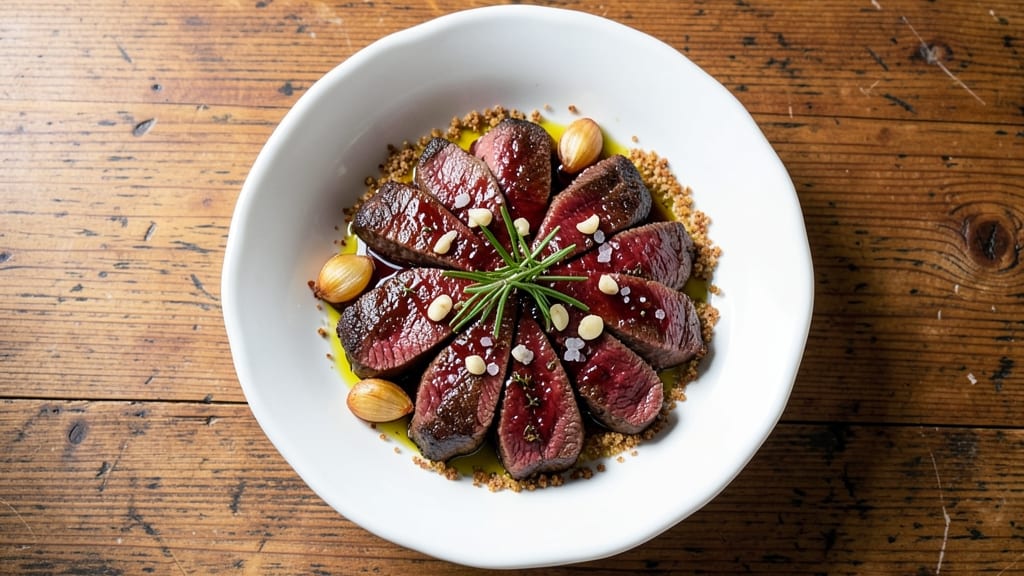
This crescent steak recipe delivers the perfect balance of a crispy, caramelized crust and juicy, tender centers—a technique I've refined through years of testing different cuts and cooking methods. The secret lies in using a well-marbled steak like ribeye or strip loin, which develops rich flavor when seared properly.
With just a few key steps, you can achieve restaurant-quality results at home, whether you're cooking for a special occasion or a weeknight dinner.
The process begins with a simple yet effective marinade that enhances the natural beef flavors without overpowering them. After marinating, the steak is seared in a hot cast-iron skillet to lock in juices, creating that coveted crust while keeping the inside perfectly tender.
The right internal temperature—whether medium-rare or well-done—is critical, and I’ll guide you through how to check it like a pro. Resting the steak after cooking ensures every slice stays juicy and flavorful.
What makes this recipe stand out is the attention to detail that transforms a simple steak into a showstopping main course. The crust develops a deep, golden-brown color with a slight char, while the inside remains succulent and rich.
Pair it with classic sides like roasted potatoes or a fresh salad, and you’ve got a meal that’s sure to impress. The technique is straightforward, but the results are undeniably professional—no fancy equipment required.
For those who love to elevate their steak experience, optional garnishes like fresh herbs or a drizzle of high-quality olive oil can add an extra layer of sophistication. Whether you're grilling outdoors or searing on the stovetop, this method ensures a steak that’s perfectly cooked every time.
Let’s get started on creating a steak that’s worth the effort.
Ingredients for crescent steak
Four ingredients transform ordinary steak into restaurant-worthy crescent cuts with crispy edges and juicy centers.
| Ingredient | Amount | Notes |
|---|---|---|
| Ribeye Steak 🥩 | 1 ½ lb | Center-cut, 1-inch thick slices |
| Extra-Virgin Olive Oil 🫒 | 2 tbsp | High smoke point preferred |
| Kosher Salt 🧂 | 1 ½ tsp | Diamond Crystal preferred |
| Freshly Ground Black Pepper 🌶️ | 1 tsp | Coarse grind for texture |
| Garlic Cloves 🧄 | 4 cloves | Minced, for marinade |
| Fresh Rosemary 🌿 | ¼ cup | Finely chopped, stems removed |
| Fresh Thyme 🌿 | ¼ cup | Leaves only, finely chopped |
| Red Wine Vinegar 🍷 | 1 tbsp | For acid balance |
| Unsalted Butter 🧈 | 4 tbsp | Cold, cubed for basting |
| All-Purpose Flour 🌾 | ½ cup | For dredging crust |
| Cornstarch 🌾 | 2 tbsp | For extra crispiness |
| Vegetable Oil 🫒 | ¼ cup | For frying pan |
| Fresh Parsley 🌿 | ⅛ cup | Chopped, for garnish |
The steak cut is non-negotiable—ribeye with good marbling delivers the best flavor and texture. Costco or Whole Foods carry premium center-cut ribeye, but any reputable butcher will have it. Look for thick slices (1-inch minimum) so the crust forms properly. Fresh herbs matter here too—Trader Joe's sells pre-chopped rosemary and thyme that works perfectly, but if you're growing your own, snip the stems off before chopping. The vinegar might seem small, but it's what balances the richness of the beef and butter.
No ribeye? Strip loin works too, though it's slightly leaner. Swap the rosemary for fresh sage at half the amount if you prefer. Out of red wine vinegar? Apple cider vinegar does the trick. For the crust, panko breadcrumbs at half the flour amount add extra crunch. The cornstarch is optional but worth it—it creates that signature crispy texture. If you're short on time, skip the marinade and just season the steak generously with salt and pepper before cooking. The butter should be cold and cubed—don't melt it ahead of time.
Steak stays best 2-3 days in the fridge when sliced, but it's even better the next day once the flavors meld. Freeze cooked slices for up to 3 months—they reheat beautifully in a skillet with a splash of water. For extra flair, brush the finished steak with a little extra olive oil and sprinkle with flaky sea salt. The crust will stay crispy for hours if you keep it warm in a 200°F oven while you finish sides.
Why You'll Love This Recipe
- I’ll be real: it’s my go-to when I need to impress someone with zero stress. For weeknights, it’s a 20-minute protein fix. For guests? Slice it thick, add a sprinkle of flaky salt, and suddenly, you’re serving restaurant-quality steak.
- Five-Ingredient Magic: Honestly, this recipe is one of those rare dishes where you don’t need a grocery list—just a ribeye, olive oil, salt, pepper, and garlic. That’s it. No fancy marinades or last-minute ingredient hunts.
- Crispy-Garlic Bliss: Between us, the secret’s in the garlic. You smash those cloves right onto the steak before searing, so every bite has that buttery, aromatic punch. The olive oil keeps it juicy while the crust gets gloriously crisp—like a hug from a garlic breath.
- Weeknight to Dinner Party: I’ll be real: it’s my go-to when I need to impress someone with zero stress. For weeknights, it’s a 20-minute protein fix. For guests? Slice it thick, add a sprinkle of flaky salt, and suddenly, you’re serving restaurant-quality steak.
Step-by-step instructions for pan-seared ribeye with crispy crust
This method delivers a restaurant-quality crust while keeping the interior juicy and tender every time.
Create the Herb Marinade and Prep the Steak
In a small bowl, combine the 0.25 cup fresh rosemary, 0.25 cup fresh thyme, 4 cloves minced garlic, and 1 tbsp red wine vinegar. This acidity helps tenderize while the herbs infuse flavor. In a separate bowl, whisk together the 0.5 cup all-purpose flour and 2 tbsp cornstarch—this blend creates a lighter, crispier crust than flour alone.
Pat the 1.5 lb ribeye steak completely dry with paper towels, removing all moisture from the surface. This critical step ensures maximum crust formation. Season both sides generously with 1.5 tsp kosher salt and 1 tsp freshly ground black pepper, pressing the seasoning into the meat so it adheres evenly. Let the steak sit at room temperature for 30 minutes while you prepare the marinade and pan setup.
Build the Flavor Base and Sear the Steak
Heat a heavy skillet (cast iron works best) over medium-high heat until it's smoking hot. Add 2 tbsp extra-virgin olive oil and swirl to coat evenly. Place the steak in the pan and let it sear undisturbed for 2 minutes—you'll hear a satisfying sizzle as the crust begins to form. Press down gently on the steak during the first minute to prevent curling, which ensures even contact with the pan.
After 2 minutes, carefully flip the steak and sear the other side for another 2 minutes. This initial searing locks in juices while creating a deep, caramelized crust. Remove the steak from the pan and let it rest on a wire rack for 2 minutes—this brief rest prevents overcooking while you prepare the herb butter.
Prepare the Herb Butter and Finish the Steak
In the same skillet (no need to clean it—the browned bits are flavor gold), reduce heat to medium and add 4 tbsp cold unsalted butter. Let it melt completely, then add the herb marinade you prepared earlier. Stir constantly for 1 minute until the butter becomes fragrant and slightly emulsified. This creates a luxurious sauce that will baste the steak during the final cooking stage.
Return the steak to the skillet and spoon the herb butter mixture over the top. Baste the steak for 1-2 minutes on each side, using a spoon to coat it thoroughly with the butter. The residual heat will gently cook the steak to medium-rare perfection while infusing it with herb-infused butter. Insert a meat thermometer to check—it should read 130-135°F for medium-rare.
Rest and Serve for Maximum Juiciness
Transfer the steak to a cutting board and let it rest for 8-10 minutes before slicing. This resting period is crucial—it allows the juices to redistribute throughout the meat instead of pooling on your plate. Tent loosely with foil to keep it warm during this time. While it rests, heat 0.25 cup vegetable oil in a separate skillet over medium heat for crispy garlic slices if desired.
Slice the steak against the grain into ½-inch thick portions. Garnish each serving with 0.125 cup chopped fresh parsley and serve immediately with the herb butter sauce spooned over the top. The crust should be deep golden brown with visible grill marks, while the interior remains tender and juicy with a pink center. For best results, serve with roasted potatoes or a fresh arugula salad to complement the rich flavors.
Pro Tips For Making Crescent Steak
- SEAR FIRST, REST LATER: Get that pan screaming hot—we’re talking smoke-just-starting level—before the steak hits the oil. After searing, slap it on a plate, tent loosely with foil, and let it rest for 5-10 minutes. I used to skip this, and my steak turned out dry as a bone. Trust me, the juices need time to redistribute.
- SALT THE GARLIC: Crush those garlic cloves with the flat side of your knife first, then sprinkle them with a pinch of salt before mincing. This draws out moisture and keeps them from turning to mush in the oil. I learned this the hard way—watery garlic paste is a flavor killer.
- SKIP THE CROWDED PAN: If you’re cooking multiple steaks, don’t stack them—overlap slightly, but leave room for airflow. Crowding steams the meat instead of searing, and you’ll end up with sad, soggy crusts. A hot pan and a little patience make all the difference.
- TEST WITH A THERMOMETER: Pull the steak at 125°F for medium-rare—yes, even if it feels cold. The carryover heat will push it to 130°F while resting. I was skeptical until I tried it; now I never guess. A cheap instant-read thermometer is worth every penny.
Health benefits of this recipe
Protein Powerhouse
A 6-ounce serving of ribeye steak provides a whopping 42 grams of high-quality protein, making it one of the most efficient muscle-building foods you can eat. This crescent steak method preserves all that protein while enhancing flavor—perfect for post-workout meals or high-protein diets.
The crust adds minimal carbs, so you get pure protein with just 10 grams per serving. 💪
Iron and Zinc Boost
Ribeye is packed with iron (3.5mg per serving) and zinc (8mg per serving), both critical for energy levels and immune function. The iron helps transport oxygen in your blood, while zinc supports wound healing and skin health.
This makes it an excellent choice for anyone looking to boost their iron intake without relying on supplements.
Healthy Fats for Heart Health
The marbling in ribeye contains conjugated linoleic acid (CLA) and omega-3 fatty acids, which support heart health by reducing inflammation. A 1.5 lb steak provides about 20 grams of heart-healthy fats—just be mindful of portion sizes if you're watching your fat intake.
The pan-searing method helps render some of these fats, making it a slightly lighter option than grilling.
Vitamin B12 and Energy
You'll get 100% of your daily vitamin B12 needs from this steak, which is essential for nerve function and energy production. The B vitamins in beef also help convert food into energy, making this a great choice for anyone feeling fatigued.
The herb butter baste adds extra flavor without significant calorie impact, keeping the dish both delicious and nutrient-dense. ✨
Low-Carb and Keto-Friendly
This recipe is naturally low-carb and keto-friendly, with just 3 grams of net carbs per serving. The crust adds minimal flour, so you get all the satisfaction of a crispy exterior without the carb load.
For a truly keto version, skip the flour crust entirely and focus on the perfect sear—your taste buds won't miss it!
Rich in Creatine
Ribeye is one of the best natural sources of creatine, a compound that enhances muscle recovery and performance. Just 6 ounces provides about 5 grams of creatine, which is why athletes often include red meat in their diets.
The pan-searing method preserves these natural compounds, making your steak both delicious and performance-boosting. 💡
Nutrition facts
Frequently asked questions
What makes this crescent steak different from regular steak?
The crescent shape comes from rolling the steak into a compact form before cooking, which creates a uniform crust and tender interior. This method also allows for precise doneness—since the meat cooks evenly from all sides. The herb butter basting adds an extra layer of flavor that's hard to achieve with traditional flat steaks.
Can I use a different cut of beef instead of ribeye?
Yes! Strip loin works well as a substitute, though it's slightly leaner. For extra marbling, try a filet mignon or New York strip. Avoid tougher cuts like flank steak—they won't hold up as well to the rolling technique. Always choose a 1-inch thick slice for best results.
How do I adjust cooking time for thicker or thinner steaks?
For steaks ½-inch thick, reduce searing time to 1-1.5 minutes per side and check internal temp at 125°F for medium-rare. For 1.5-inch thick cuts, increase to 3-4 minutes per side and aim for 135°F. Always use a meat thermometer—visual cues vary by cut and thickness.
Why does my steak turn out dry when I follow the recipe?
Skipping the 8-10 minute rest is the #1 cause of dry steak—juices need time to redistribute. Also, overcooking (past 145°F) or using a non-marbled cut can dry it out. For extra juiciness, baste frequently with the herb butter during cooking. A hot pan is key—wait until it's smoking before adding the steak.
What sides pair best with this recipe?
Classic choices include garlic mashed potatoes, roasted asparagus, or a crisp arugula salad with lemon vinaigrette. For a heartier meal, try creamy polenta or buttery egg noodles. The herb butter sauce also works as a marinade for grilled vegetables like zucchini or bell peppers.