
Sauces & Condiments
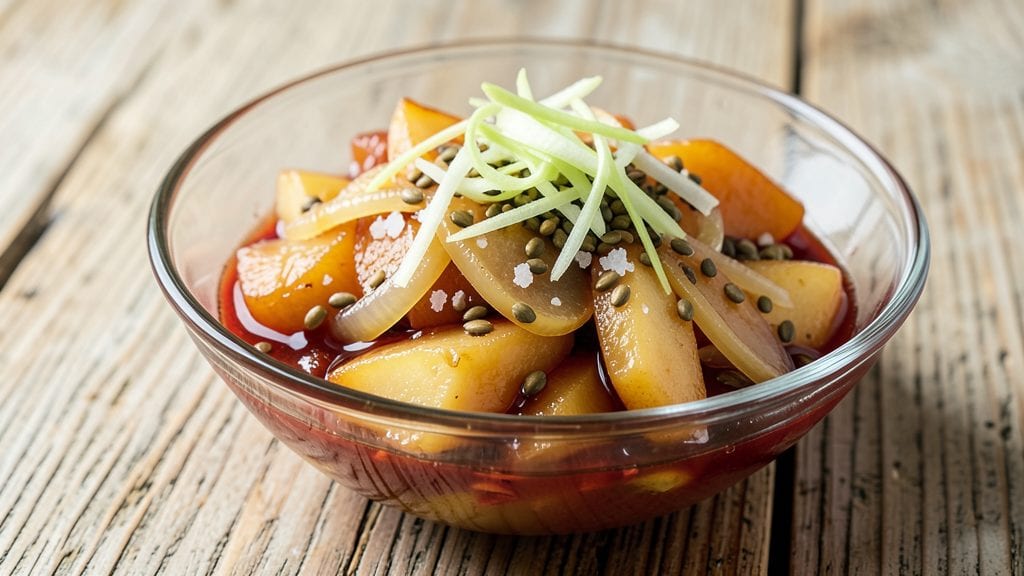
This easy pear relish recipe transforms fresh pears into a sweet-tart condiment that’s perfect for sandwiches, cheese boards, or roasted meats—all in 15 minutes. The secret lies in balancing ripe pears with vinegar and spices, creating a chunky, vibrant relish that’s effortless yet impressive.
I developed this version after craving a homemade alternative to store-bought versions that often taste artificial.
What makes this recipe truly simple is the minimal prep: just chop pears, combine with sugar, vinegar, and spices, then simmer until flavors meld. No fancy techniques or last-minute shopping—just pantry staples and fresh fruit.
The result is a bright, balanced relish with tender pear chunks and a subtle kick from mustard seeds and cinnamon, perfect for elevating everyday meals.
Once cooled, this relish keeps for up to 2 weeks in the fridge, making it ideal for meal prep or gifting. Spread it on toast, dollop alongside charcuterie, or use it as a glaze for roasted pork—its versatility ensures you’ll find plenty of ways to enjoy it.
The best part? Every bite tastes like autumn, even when summer’s still lingering.
For extra depth, try adding a pinch of ginger or a splash of orange juice to the simmering mixture. The possibilities are endless, but the base recipe remains foolproof—no advanced skills required. Let’s get started and turn simple ingredients into something extraordinary.
Ingredients for easy pear relish
Nine simple ingredients transform fresh pears into vibrant, sweet-tart relish in record time.
| Ingredient | Amount | Notes |
|---|---|---|
| Ripe Pears 🍐 | 3 medium | Firm but ripe, peeled and chopped |
| Granulated Sugar 🍚 | ¾ cup | White or brown preferred |
| Apple Cider Vinegar 🍏 | ½ cup | For tangy brightness |
| Yellow Onion 🧅 | 1 medium | Finely diced, sharp flavor |
| Fresh Ginger 🌿 | 1 tbsp | Grated, optional for depth |
| Mustard Seeds 🌶️ | 1 tsp | Whole, toasted for aroma |
| Ground Cinnamon 🌿 | 1 tsp | Warmth without overpowering |
| Salt 🧂 | ½ tsp | Kosher or sea salt |
| Fresh Lemon Juice 🍋 | 1 tbsp | Brightens the relish |
The pears are the star—look for Bosc or Anjou at your local farmers market or grocery store produce section. They hold their shape beautifully and have that perfect balance of sweetness and tartness. Whole Foods or Trader Joe's usually carry great varieties, but any ripe pear will work. Peeled and chopped into even 1/2-inch cubes, they'll soften just enough to release their juices while keeping that delightful bite. Pro tip: Toss the chopped pears in cold water while you prep the rest—keeps them from browning while you work.
No mustard seeds? Dijon mustard at half the amount works in a pinch, though it won't give that toasty aroma. Swap brown sugar for white if you prefer, but I find the molasses notes in brown sugar add a nice complexity. The ginger is optional but absolutely game-changing—if you skip it, add an extra pinch of cinnamon for warmth. For extra depth, orange zest (about 1 tsp) brightens the whole dish. And if you're feeling adventurous, try a splash of port wine instead of vinegar—just reduce the sugar slightly to balance.
This relish tastes even better the next day as flavors meld. Store in an airtight container in the fridge for up to 2 weeks. The acidity from the vinegar and lemon means it won't spoil quickly, but the texture stays perfect when kept cool. Portion into small jars for gift-giving—everyone loves homemade relish. Freezes beautifully too if you want to make a big batch for holidays. Just thaw in the fridge overnight before serving.
Why You'll Love This Recipe
- Five-Ingredient Magic: I swear by this—just pears, sugar, vinegar, onion, and ginger. No fancy techniques, no last-minute grocery runs. Honestly, I keep the ingredients in my pantry just for this.
- Sweet-Spicy Kick: That ginger? Oh, it’s the star—warm, zesty, and just sharp enough to cut through the sweetness. The vinegar ties it all together like a cozy hug in your mouth.
- Turkey Day Ready: I make a big batch every November because it’s the relish for holiday tables. But honestly? It’s just as good on grilled cheese or with charcuterie. No excuses to skip the fun.
- Lasts All Week: This stuff keeps for ages in the fridge, and honestly? I forget it’s there until I’m scrambling for a quick snack. The onions get sweeter over time—trust me, it’s a hidden upgrade.
Step-by-step instructions for sweet-tart pear relish
This relish comes together in a flash—bright, chunky, and bursting with autumnal flavors.
Prep and Toast the Mustard Seeds
Heat a small dry skillet over medium heat and add the 1 teaspoon mustard seeds. Toast them for 1-2 minutes, stirring constantly, until they turn a deep golden brown and release their nutty aroma. This step builds incredible depth—don't skip it! Remove the seeds immediately and set aside in a small bowl.
While the seeds toast, peel and chop the 3 medium ripe pears into ¼-inch cubes. You want even-sized pieces so they cook uniformly. Place them in a large mixing bowl—we'll work with them directly. I like to use a sharp paring knife for the peeling and a chef's knife for the chopping to maintain precision.
Sauté the Onion and Ginger
In the same skillet (no need to clean it—the fond adds flavor), add 1 tablespoon olive oil and set over medium heat. Add the 1 medium yellow onion, finely diced, and cook for 4-5 minutes until softened and translucent. Add the 1 tablespoon grated fresh ginger and cook for another 30 seconds until fragrant.
Here's where the magic starts: the onion should be tender but not browned—you want sweetness, not bitterness. If it starts to color too quickly, reduce the heat slightly. Add the sautéed onion and ginger mixture to the bowl with the chopped pears.
Combine Wet Ingredients
To the pear and onion mixture, add the 0.75 cup granulated sugar, 0.5 cup apple cider vinegar, 0.5 teaspoon salt, and 1 tablespoon fresh lemon juice. Stir gently but thoroughly to distribute all ingredients evenly. The mixture should look glossy and vibrant—this is when you'll see the colors really pop.
Now add the toasted mustard seeds and 1 teaspoon ground cinnamon. Give everything another stir to incorporate. The seeds will add a subtle crunch and earthy warmth that balances the sweetness perfectly. Taste the mixture at this stage—it should be sweet, tangy, and slightly spiced, with a bright acidity from the vinegar and lemon.
Simmer for Perfect Texture
Transfer the relish to a medium saucepan and bring to a gentle simmer over medium-low heat. Let it cook for 8-10 minutes, stirring occasionally, until the pears soften slightly but still maintain their shape. You're aiming for tender but still slightly firm chunks—this ensures each bite has texture.
The relish is ready when it reaches a thick, jammy consistency that coats the back of a spoon. If it thickens too quickly, add 1-2 tablespoons water to loosen it. Remove from heat immediately—you don't want the pears to turn mushy or the vinegar to cook off completely.
Cool and Serve
Transfer the relish to a clean glass jar or bowl and let it cool to room temperature. The flavors will meld beautifully as it sits. I like to serve it slightly warm or at room temperature—this way, the spices and acidity really sing.
This relish pairs perfectly with sharp cheeses like aged cheddar or goat cheese, or spread it on crusty bread for an easy appetizer. It keeps well in the refrigerator for up to 1 week, making it a great make-ahead option for holiday gatherings. The bright, sweet-tart balance makes it versatile enough for both savory and sweet applications!
Pro Tips For Making Easy Pear Relish
- Peel Ginger Thinly: DESCRIPTION: Skip the grating—use a sharp knife to slice ginger into paper-thin sheets. It dissolves evenly without turning the relish into a mushy, overpowering mess, and you’ll taste the bright, zesty kick without the texture hit.
- Cook Onions Low: DESCRIPTION: After chopping the onion, cook it on the lowest heat setting until translucent—no browning, no color. High heat makes them bitter, and bitter onions ruin the delicate balance of sweet, tangy, and spicy in this relish.
- Dice Pears Small: DESCRIPTION: Cut pears into ¼-inch cubes, not chunks. Smaller pieces soften evenly, release flavor faster, and give that classic, jam-like texture you want. Big pear bits stay crunchy and weird after hours of simmering.
- Stir Sugar Early: DESCRIPTION: Add half the sugar first, stir until dissolved, then cook 5 minutes before adding the rest. This prevents grainy spots and lets the natural pectin in the pears start working sooner—your relish will thicken faster and look pro.
Storing and reheating your easy pear relish
Fridge Storage Tips
Transfer your pear relish to an airtight glass jar or container while still warm to prevent condensation from forming inside. The acidity from the apple cider vinegar and lemon juice naturally preserves it, but proper storage extends freshness.
I use 8-ounce mason jars—they’re perfect for portion control and gift-giving. Store in the fridge at 40°F or below for up to 2 weeks. The flavors actually deepen overnight as the spices meld further. 💫
Freezer Preservation
For longer storage, divide the relish into small freezer-safe containers or silicone ice cube trays (great for single-serving portions). Leave ½-inch headspace to prevent cracking during freezing. Label with the date—this relish maintains quality for up to 3 months.
Thaw overnight in the fridge before using to preserve texture. The pears stay tender, and the acidity keeps the relish from becoming watery. ❄️
Reheating Methods
For best results, reheat pear relish gently on the stovetop. Transfer to a small saucepan and warm over low heat for 3-5 minutes, stirring occasionally, until heated through (165°F). Avoid microwaving—it can make the pears mushy.
If the relish thickens too much, add 1 teaspoon water or apple cider vinegar to restore consistency. The warm relish tastes even more aromatic, especially when paired with roasted meats. 🔥
Texture Recovery
If your relish separates or thickens excessively after storage, stir in 1-2 teaspoons of cold water while reheating. The acidity helps re-emulsify the mixture naturally. For extra freshness, add a pinch of salt or a splash of lemon juice to brighten flavors.
I’ve found that relish stored for 1-2 weeks often tastes better than fresh—it’s all about balancing the sweetness and tang. 💡
Gift-Worthy Packaging
Portion relish into small glass jars (like 4-ounce sizes) for thoughtful gifts. Tie a kitchen twine around the lid and attach a handwritten note with serving suggestions. The relish’s vibrant color and sweet-tart profile make it a standout hostess gift.
Store in a cool, dark place (like a pantry) for up to 1 week before gifting—this ensures it stays fresh for your recipient. 🎁
Reviving Stale Relish
If your relish loses brightness after long storage, revive it by adding 1 teaspoon of fresh lemon juice or a pinch of ground cinnamon. Warm it gently on the stovetop for 2 minutes to reactivate the spices.
The acidity cuts through any dullness, making it taste like it was just made. This trick works wonders for relish that’s been sitting for 2-3 weeks in the fridge. ✨
Nutrition facts
Frequently asked questions
Can I use any type of pear for this relish?
For the best results, choose firm but ripe Bosc or Anjou pears. These varieties hold their shape well during cooking and have a perfect balance of sweetness and tartness. Avoid overly soft pears—they'll turn mushy when simmered. If you can't find these, Fujis work in a pinch, though they may break down slightly faster.
What if I don't have mustard seeds?
No problem! Substitute with ½ teaspoon Dijon mustard or ¼ teaspoon ground mustard powder. While you'll lose the toasty aroma from whole seeds, the flavor will still add warmth. For extra depth, add a pinch of ground coriander—it pairs beautifully with the pear's natural sweetness.
How can I make this relish spicier?
Add ½ teaspoon cayenne pepper or 1 teaspoon hot sauce during the simmering stage. For a smoky kick, stir in ¼ teaspoon smoked paprika with the cinnamon. If you love heat, try 1-2 thin slices of fresh chili (like jalapeño) while cooking—remove them before serving. The acidity in the relish helps balance the spice beautifully.
Can I make this relish without vinegar?
While vinegar is traditional, you can substitute with lemon juice (use ½ cup plus 2 tablespoons) or orange juice (same amount). However, the relish will be less tangy and may not keep as long. For a deeper flavor, try 1 tablespoon balsamic vinegar mixed with the apple cider vinegar. The acidity is key for both flavor and preservation!
Why did my relish turn out too sweet?
This usually happens when the pears weren't ripe enough or the vinegar wasn't balanced. Next time, use 1-2 tablespoons more apple cider vinegar during cooking, or add 1 teaspoon fresh lemon juice after simmering. For future batches, taste as you go—adjust sweetness before the final simmer. The relish should be sweet-tart, not cloying.