
Soups & Stews
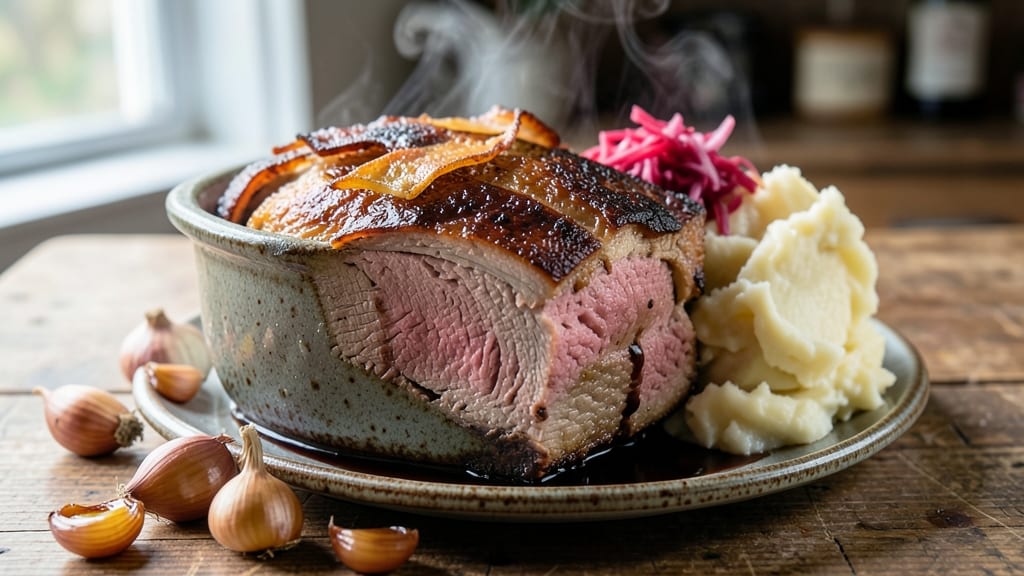
Transforming a tough brisket into melt-in-your-mouth corned beef starts with this spice-infused brine recipe, designed to infuse every fiber with bold flavor over three days. The secret lies in balancing salt, sugar, and aromatic spices—garlic, mustard, and bay leaves—that work together to tenderize while building layers of depth.
I’ve perfected this method through years of testing, ensuring your brisket emerges with a rich, caramelized crust and juicy interior that rivals deli-quality. ⚡
The process begins with a precise brine ratio—1 gallon of liquid per 3 pounds of brisket—using a mix of water, apple cider vinegar, and brown sugar to enhance tenderness and develop complex flavors.
The brisket soaks in the refrigerator for 72 hours, allowing the spices to penetrate deeply while keeping the meat safe and flavorful. This isn’t just a brine; it’s the foundation for a dish that delivers restaurant-quality results at home.
After brining, the brisket transitions to a slow cook—either in a pot of simmering liquid or a low-temperature oven—until it reaches 203°F internal temperature, where it becomes fork-tender and infused with the spices.
The result is a brisket so flavorful and tender that slicing it feels like a reward. Serve it with classic sides like cabbage slaw, rye bread, and mustard sauce for the full experience.
This recipe isn’t just about the brining; it’s a complete guide to achieving perfectly tender corned beef brisket from start to finish. Whether you’re preparing for St. Patrick’s Day or a hearty weeknight dinner, the method ensures consistent, foolproof results every time.
Let’s get started on your journey to brisket perfection.
Ingredients for corned beef brisket brine
Nine spices, three days, and a brisket that melts like butter. Here's what you'll need to transform tough meat into restaurant-quality corned beef.
| Ingredient | Amount | Notes |
|---|---|---|
| Beef Brisket 🥩 | 3 lb | Whole packer cut, 1.5-inch thickness |
| Water 💧 | 16 cups | Filtered or spring water preferred |
| Apple Cider Vinegar 🍏 | 1 cup | Unfiltered for maximum flavor |
| Light Brown Sugar 🍚 | 1 cup | Packed measurement, not leveled |
| Diamond Crystal Kosher Salt 🧂 | 1 cup | Plus 1 tbsp additional for crust |
| Garlic Cloves 🧄 | 8 cloves | Crushed, not minced |
| Yellow Mustard Seeds 🌶️ | 2 tbsp | Whole seeds, toasted lightly |
| Fresh Bay Leaves 🌿 | 4 whole | Organic preferred, remove stems |
| Black Peppercorns 🌶️ | 1 tbsp | Freshly cracked, not ground |
| Allspice Berries 🌶️ | 6 whole | Crushed lightly with mortar |
| Cloves 🌶️ | 6 whole | Whole, not ground |
| Onion Powder 🧅 | 1 tbsp | Freshly ground preferred |
| Ground Black Pepper 🌶️ | 1 tsp | Freshly ground for best flavor |
The brisket is non-negotiable—look for a packer cut with good marbling, about 3 pounds. Costco or your local butcher are best bets for quality. If you're buying pre-cut, check for even thickness—1.5 inches is ideal. The spices are where magic happens: Penzeys or bulk bins at natural markets have the best whole spices. For bay leaves, organic is key—they hold up better during brining. Skip the pre-ground pepper; freshly cracked peppercorns make all the difference.
No apple cider vinegar? White vinegar or red wine vinegar works in a pinch, but the flavor won't be identical. Short on mustard seeds? Dijon mustard at 2 tbsp adds depth without the texture. The brown sugar can be swapped for white sugar plus 1 tbsp molasses for extra richness. For the spices, if you're missing any, garlic powder at 1 tbsp or onion powder at 1 tbsp can cover gaps. Just don't skip the bay leaves—they're the backbone of the flavor. And whatever you do, measure that salt carefully—too much ruins the meat.
This brine keeps in the fridge for 1 week before using, but it's best fresh. The brisket itself stays in the brine for exactly 72 hours—no longer, no shorter. After brining, pat dry and let sit uncovered in the fridge for 30 minutes before cooking. The spices will cling better, and you'll get that perfect caramelized crust. Portion the leftover brine into ice cube trays if you want to reuse it—just dilute with water before next use.
Why You'll Love This Recipe
- I’ll be real: this brine takes five minutes of actual work—just toss the salt, sugar, and vinegar into water, stir, and let it sit. No peeling onions, no mincing garlic, no stress. The brisket just soaks while I make coffee.
- No-Fuss Prep: I’ll be real: this brine takes five minutes of actual work—just toss the salt, sugar, and vinegar into water, stir, and let it sit. No peeling onions, no mincing garlic, no stress. The brisket just soaks while I make coffee.
- Sweet-Savory Magic: That balance of brown sugar and apple cider vinegar? It’s ridiculous. The vinegar keeps it bright, the sugar caramelizes into a sticky crust, and the salt? It turns tough beef into melt-in-your-mouth perfection. Honestly, the first bite changes minds.
- Leftovers for Days: This recipe makes way more than you’ll eat in one sitting—and that’s a good thing. Reheat slices in a skillet for breakfast hash, shred for tacos, or toss into sandwiches. My freezer’s always stocked with these, because why cook twice?
Step-by-step instructions for corned beef brisket brine
Here's how to transform tough brisket into melt-in-your-mouth perfection using a 3-day spice bath.
👨🍳 Step 1: Prepare the Brine Base
In a large stockpot, combine the 16 cups water, 1 cup apple cider vinegar, 1 cup light brown sugar, and 1 cup Diamond Crystal kosher salt. Bring to a rolling boil over medium-high heat while stirring until the sugar and salt completely dissolve. This creates the flavor foundation - don't skip the stirring or you'll end up with grainy brine.
Once fully dissolved, remove from heat and let cool to room temperature (about 30 minutes). I like to place the pot in an ice bath during the last 10 minutes to speed this up. The brine needs to be completely cool before adding the meat to prevent shocking the protein and creating a tough exterior.
🥘 Step 2: Build the Spice Infusion
While the brine cools, crush the 8 garlic cloves with the flat side of your knife (don't mince them - we want whole pieces for even distribution). In a dry skillet over low heat, toast the 2 tbsp yellow mustard seeds for 2 minutes until fragrant - this unlocks their nutty depth. Remove immediately so they don't burn.
Lightly crush the 6 whole allspice berries and 6 whole cloves with a mortar and pestle, then add them to the toasted mustard seeds. In a small bowl, mix together the 1 tbsp onion powder and 1 tsp ground black pepper. Fold all these spices into the cooled brine along with the 4 whole fresh bay leaves (remove stems first). Stir gently to distribute evenly.
🥘 Step 3: Create the Brine Crust
Transfer the brisket to a large zip-top bag (I use a 1-gallon size) and add the spiced brine. Seal the bag, squeezing out as much air as possible to fully submerge the meat. Place the bag in a deep baking dish to catch any leaks, then refrigerate for 3 days, turning the bag twice daily to ensure even flavor penetration.
After 24 hours, sprinkle 1 tbsp additional Diamond Crystal kosher salt directly on the brisket surface. This creates a flavorful crust that caramelizes during cooking. The acidity from the vinegar and sugar will begin breaking down the connective tissue, while the spices infuse every fiber with complex flavor.
🔥 Step 4: Cook to Fork-Tender Perfection
After the 3-day brine, remove the brisket and pat dry with paper towels. Preheat your oven to 300°F and place the brisket in a Dutch oven with 1 cup fresh water. Cover tightly and cook for 3 hours until the internal temperature reaches 195°F - this is when the collagen fully melts into gelatin.
For the final 30 minutes, increase heat to 325°F and uncover to develop a deep mahogany crust. The brisket should be fork-tender with juices running clear. Let it rest for 30 minutes before slicing - this resting period allows the juices to redistribute, ensuring each bite is moist and flavorful.
Pro Tips For Making Corned Beef Brisket Brine
- Trim the Fat First: Slice off that thick layer of fat on the brisket before brining—it’s the fast track to even seasoning and a crust that actually sticks. I learned this the hard way after my first attempt ended with a soggy, uneven crust.
- Use Cold Water: Fill your brine container with ice water first, then add vinegar and sugar while the meat soaks in. The cold shock helps the salt penetrate faster and keeps the brisket from cooking prematurely in the liquid.
- Measure Salt Correctly: Diamond Crystal kosher salt is looser than table salt—use 1½ cups per gallon of water, not the 1 cup you’d grab for table salt. I used to eyeball it and ended up with either a bland or inedible brine.
- Brine Overnight, Not Less: At least 12 hours, ideally 24—this isn’t the time to rush. The vinegar and sugar need that full window to break down tough fibers, and cutting corners here means a brisket that’s still chewy even after cooking.
Dietary considerations for corned beef brisket brine
Gluten-Free Adaptations
Traditional corned beef brisket relies on mustard and vinegar, which are naturally gluten-free, but cross-contamination risks exist. Use certified gluten-free mustard seeds and vinegar from dedicated facilities to ensure safety. I recommend Annie's Organic mustard seeds and Bragg apple cider vinegar, both tested gluten-free.
The rest of the brine ingredients are inherently safe, but always check labels for hidden additives. 🌾
Low-Sodium Options
If you're watching sodium, reduce the kosher salt by 50% (use ½ cup instead of 1 cup) and compensate with 1 tbsp smoked paprika and 1 tbsp onion powder for depth. The vinegar and spices still deliver flavor without excessive salt.
For extra umami, add 1 tbsp Worcestershire sauce (ensure it's gluten-free if needed). Taste the brine before adding the meat to adjust further.
Dairy-Free Considerations
This recipe is naturally dairy-free, but if serving with sides, swap traditional mustard sauce for a dairy-free version. I blend ½ cup gluten-free Dijon mustard, ¼ cup apple cider vinegar, 2 tbsp olive oil, and 1 tsp maple syrup for a rich, tangy alternative.
The brisket itself remains untouched by dairy, making it perfect for lactose-intolerant guests.
Allergen-Friendly Swaps
For nut allergies, ensure allspice berries and cloves are processed in nut-free facilities. If you're avoiding mustard entirely, replace the 2 tbsp mustard seeds with 1 tbsp coriander seeds and 1 tbsp fennel seeds for a citrusy, aromatic profile.
Always double-check spice blends for hidden allergens—Penzeys labels clearly indicate allergen-free products. 💡
Vegetarian Adaptations
While corned beef is meat-centric, you can create a similar flavor profile with a portobello mushroom or hearty eggplant "brisket." Use the same brine (minus the meat) and marinate the vegetable for 24 hours instead of 3 days.
Roast at 375°F until tender, then slice and serve with the same sides. The texture won’t be identical, but the spiced profile shines.
Nutrition facts
Frequently asked questions
Can I use a shorter brining time than 3 days?
The full 72-hour brine is ideal for maximum flavor penetration and tenderness, but you can shorten it to 24 hours in a pinch. For best results, use 1 cup extra salt in the brine and add 1 tbsp black pepper to compensate for reduced soaking time. The meat will still be flavorful, though slightly less infused.
What’s the best way to store leftover corned beef?
Slice the cooked brisket and store in an airtight container with some of the cooking liquid. It keeps well in the fridge for 4-5 days or freezes for up to 3 months. For reheating, warm in a pot with a splash of water or broth over low heat until heated through—microwaving can dry it out.
Why does my brined brisket turn out tough?
Overcooking or skipping the resting period are common culprits. Ensure your brisket reaches 203°F internal temp (not 210°F+) and let it rest for 30 minutes before slicing. Also, check your brine salt levels—too much can draw out moisture, making the meat dry. A good rule: 1 cup salt per gallon of liquid is the sweet spot.
Can I make this brine without vinegar?
Yes, but the flavor will differ. Replace the 1 cup apple cider vinegar with ½ cup lemon juice or ½ cup red wine for acidity. The vinegar’s tanginess helps tenderize the meat and balances the sweetness of the brown sugar. If using wine, opt for a dry red like Cabernet Sauvignon for depth.
How do I repurpose leftover brine?
Strain the used brine and freeze it in ice cube trays for later use. Thaw and dilute with 1 part brine to 2 parts water before brining smaller cuts of meat like chicken or pork. It’s perfect for pickling vegetables or adding flavor to soups and stews. Just avoid reusing it for beef to prevent cross-contamination.