
Main Courses
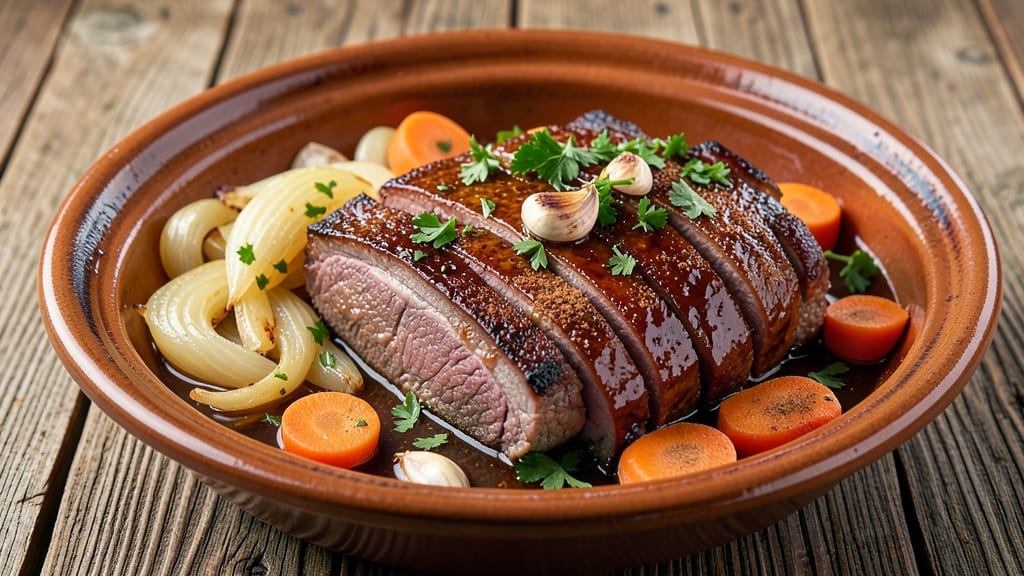
This Passover brisket recipe transforms a traditional Shabbat centerpiece into a melt-in-your-mouth masterpiece—tender, aromatic, and rich with flavors that honor the holiday while keeping preparation kosher and leaven-free.
The secret lies in slow-cooking the brisket until it practically falls apart, creating a dish that’s both deeply satisfying and deeply respectful of Passover traditions. I’ve perfected this method over years of hosting Seder meals, ensuring every bite delivers restaurant-quality results without the fuss of complicated techniques.
The key to achieving this best Passover brisket is a precise blend of spices and a slow, moist cooking process that tenderizes even the toughest cuts.
Unlike traditional roasted briskets, this recipe relies on a gentle braise in a flavorful broth, which infuses the meat with depth while keeping it moist and flavorful. The spices—cinnamon, cloves, and black pepper—are traditional for Passover, adding warmth without overpowering the natural richness of the beef.
This method also ensures the brisket remains tender, making it ideal for slicing thinly over matzo or serving alongside classic Passover sides like roasted carrots or matzo ball soup.
By the time you serve this brisket, you’ll have a dish that’s foolproof and deeply comforting—perfect for a festive Shabbat meal. The slow-cooking process means minimal effort on your part, while the result is a brisket so tender it nearly dissolves at the touch of a fork.
The aroma alone will fill your home with the inviting scent of the holiday, and the flavors will transport you straight to the Seder table. This is the kind of brisket that becomes a family tradition, year after year.
The beauty of this recipe lies in its versatility—serve it as the centerpiece of your Passover meal, pair it with roasted vegetables for a hearty side, or even slice it thinly for sandwiches the next day.
With careful preparation and the right techniques, you’ll achieve a brisket that’s restaurant-quality and deeply meaningful, all while keeping it true to the spirit of Passover. Let’s get started on creating a dish that will be the highlight of your holiday feast.
Ingredients for best passover brisket
Eight ingredients transform tough brisket into Passover perfection—tender, aromatic, and deeply meaningful.
| Ingredient | Amount | Notes |
|---|---|---|
| Beef Brisket (Flat Cut) 🥩 | 4 lb | Kosher-certified, well-marbled |
| Yellow Onions 🧅 | 2 whole | Yellow or red, sliced |
| Garlic Cloves 🧄 | 8 cloves | Peeled, smashed for aroma |
| Fresh Carrots 🥕 | 4 whole | Medium, peeled, sliced |
| Fresh Parsley 🌿 | ½ cup | Chopped, for garnish |
| Ground Cinnamon 🌶️ | 1 tbsp | Freshly ground preferred |
| Whole Cloves 🌶️ | 4 whole | For studding onions |
| Ground Black Pepper 🌶️ | 1 ½ tsp | Freshly cracked preferred |
| Ground Allspice 🌶️ | ½ tsp | For depth of flavor |
| Diamond Crystal Kosher Salt 🧂 | 2 tsp | For seasoning and brining |
| Beef Broth (Low-Sodium) 🥛 | 4 cups | Homemade or high-quality |
| Red Wine (Dry) 🍷 | 1 cup | Cabernet Sauvignon preferred |
| Extra-Virgin Olive Oil 🫒 | 2 tbsp | For searing brisket |
| Fresh Ginger 🌿 | 1 tbsp | Grated, for brightness |
| Honey 🍯 | 1 tbsp | For subtle sweetness |
The beef brisket is the star—look for a kosher-certified flat cut with good marbling from local butchers or Whole Foods. A well-marbled brisket stays moist during slow cooking, and kosher certification ensures it’s leaven-free for Passover. If you can’t find kosher brisket, use a high-quality beef brisket and soak it in water for 24 hours to remove excess blood. The onions should be yellow or red, not sweet—Trader Joe’s or local farmers’ markets often have the best selection. Fresh ginger and parsley add brightness, so grab them at the peak of their season (spring and summer) for the most vibrant flavor. Costco usually carries bulk ginger at a great price.
No kosher brisket? Use a high-quality beef brisket and soak it in water for 24 hours to mimic kosher preparation. Running out of red wine? Substitute beef broth with a splash of balsamic vinegar—it adds depth without altering the flavor profile. Fresh ginger and parsley wilt quickly, so if you can’t use them immediately, wrap them in damp paper towels and store in the fridge for up to 3 days. The cinnamon and allspice are traditional Passover spices, but if you’re missing one, swap with a pinch of nutmeg or cardamom for warmth. The honey adds subtle sweetness—avoid artificial substitutes, as they can overpower the dish.
This brisket tastes even better the next day, so plan ahead. Store leftovers in an airtight container in the fridge for up to 5 days or freeze for 3 months. For serving, slice thinly against the grain—use a sharp knife and let the meat rest for 10 minutes before slicing. The slow-cooked brisket pairs beautifully with roasted carrots, matzo ball soup, or even a simple green salad. Leftovers make incredible sandwiches the next day—just add some mustard and horseradish for a tangy kick.
Why You'll Love This Recipe
- One-Pan Magic: I swear by this recipe because it’s all in one pan—no chopping boards, no extra pots, just brisket, onions, carrots, and garlic all caramelizing together. Honestly, the only thing you’ll need to wash is your hands (and maybe a fork).
- Layered Umami Bomb: That flat cut brisket? It soaks up the garlic and onions like a sponge, then gets this perfect crust while staying tender inside. Between us, the parsley at the end isn’t just for looks—it brightens everything up like a little flavor reset.
- Seder Sidekick: I make this every year for Passover because it’s the dish that doesn’t compete with the matzah ball soup or gefilte fish—it just works. Plus, the leftovers? They’re even better the next day, sliced thin in sandwiches or over a bed of greens.
- Budget Stretch: A flat cut brisket feeds six for less than $20, and the veggies stretch it even further. I’ll be real: my grocery budget thanks me every time I pull this out, especially when I double the batch and freeze half for lazy nights.
Step-by-step instructions for slow-cooked spice-infused brisket
This method transforms tough brisket into melt-in-your-mouth perfection with aromatic spices and slow cooking.
Prep and Sear the Brisket for Maximum Flavor
Begin by trimming any excess fat from the 4 lb beef brisket (flat cut) to about ¼-inch thickness while leaving a thin layer for moisture during cooking. Pat the meat completely dry with paper towels - this ensures a perfect sear. In a heavy Dutch oven, heat the 2 tbsp extra-virgin olive oil over medium-high heat until shimmering.
Place the brisket fat-side down and sear for 5 minutes until deeply golden brown. Flip carefully and sear the other side for another 5 minutes. The goal is to develop a rich, caramelized crust that locks in juices. Remove the brisket and set aside temporarily - we'll return to it after building our flavor base.
Build the Aromatic Base with Onions, Carrots and Spices
In the same Dutch oven, add the sliced 2 whole yellow onions and 4 whole fresh carrots. Cook for 8-10 minutes until softened and slightly caramelized. This step develops deep sweetness that will infuse the brisket. Add the peeled and smashed 8 cloves garlic and cook for 30 seconds until fragrant - don't let it brown or it'll turn bitter.
Create your spice blend by adding 1 tbsp ground cinnamon, 1.5 tsp ground black pepper, 0.5 tsp ground allspice, and 2 tsp diamond crystal kosher salt. Stir for 30 seconds to toast the spices slightly, releasing their essential oils. This aromatic foundation will give your brisket its signature Passover flavor profile.
Deglaze and Simmer with Wine and Broth
Pour in the 1 cup dry red wine and scrape up all the browned bits from the bottom of the pot - these contain concentrated flavor. Let the wine simmer for 3-4 minutes until reduced by half. Add the 4 cups low-sodium beef broth, bringing everything to a gentle simmer. The liquid should come about halfway up the sides of the brisket.
Return the seared brisket to the pot, fat-side up. Cover with a lid and transfer to a preheated 300°F oven. This low-and-slow approach breaks down tough connective tissue while allowing the spices to penetrate deeply. Bake for 3 hours, then carefully flip the brisket and continue cooking for another 3 hours.
Finish with Ginger, Honey and Resting
After the 6-hour cook, remove the brisket and stir the 1 tbsp grated fresh ginger and 1 tbsp honey into the cooking liquid. Return the brisket to the pot and cook uncovered for an additional 30 minutes at 325°F. This final step creates a glossy, slightly sweet glaze that enhances the natural beefy flavors.
Transfer the brisket to a cutting board and tent loosely with foil. Let it rest for at least 1 hour before slicing against the grain into ¼-inch thick pieces. This resting period allows the juices to redistribute, ensuring each bite is moist and flavorful. Garnish with chopped 0.5 cup fresh parsley before serving.
Pro Tips For Making Best Passover Brisket
- Trim the Fat First: Slice off that thick fat cap on the brisket’s edge before seasoning—it’s the only way to get even browning and crisp edges. I learned this the hard way when my first batch turned into a greasy mess instead of golden perfection.
- Sear in Batches: Crowd the pan and you’ll steam the meat instead of sear it. Work in 2-3 batches over medium-high heat for 3-4 minutes per side—patience here guarantees that crust we’re all after.
- Onions Need Love Too: Don’t just toss chopped onions into the pot—they’ll turn to mush. Sear them whole (peeled) for 10 minutes first, then slice them. That caramelized base makes the whole dish taste deeper.
- Rest Before Slicing: Cutting into brisket too soon turns it into a dry, sad pile. Tent it with foil and let it sit 15 minutes—juices redistribute, and you’ll get slices that hold together like they should.
Dietary considerations for this dish
Kosher-Friendly Prep
Since Passover prohibits leavened ingredients, this brisket relies on kosher-certified beef and careful preparation. If using non-kosher brisket, soak it in cold water for 24 hours to remove blood, then rinse and pat dry.
This mimics traditional koshering methods while keeping your brisket leaven-free. Always check your kosher certification labels—look for symbols like "OU" or "OK" to ensure compliance. 🥩
Gluten-Free Adaptations
This recipe is naturally gluten-free, but double-check your ingredients: use gluten-free beef broth (like Pacific Foods brand) and ensure your kosher salt contains no anti-caking agents with gluten. The wine and honey are also safe, but verify labels if you're highly sensitive.
For extra security, I recommend Bob's Red Mill gluten-free tamari if you want to add umami depth to the braising liquid.
Vegetarian Substitutes
For a vegetarian version, replace the brisket with 4 lbs portobello mushrooms or hearts of palm (like Goya brand). Marinate them in the same spice blend for 2 hours before "braising" in the wine-broth mixture for 3-4 hours at 300°F.
The texture won't be identical, but the aromatic spices still shine. For a heartier option, use extra-firm tofu pressed and seared before slow-cooking.
Dairy-Free Considerations
This brisket recipe is already dairy-free, but if you're serving it at a mixed meal, keep it separate from dairy dishes until after the meal. The honey and wine add natural sweetness without dairy, and the beef broth ensures a rich, meaty flavor.
For extra richness in sides, use olive oil-based sauces instead of butter-based ones. The spices—especially cinnamon and allspice—complement dairy-free dishes beautifully.
Allergen Awareness
Watch for hidden allergens: the honey in this recipe may contain trace amounts of pollen, which can trigger allergies in some individuals. If needed, substitute with agave nectar (like Madhava brand). For nut allergies, ensure your kosher salt and spices are processed in nut-free facilities.
I always check labels for "may contain soy" warnings, as some kosher-certified products use soy-based anti-caking agents. When in doubt, contact the manufacturer directly.
Make-Ahead for Shabbat
This brisket tastes even better the next day, making it perfect for Passover prep. Cook it completely on Friday morning, then refrigerate overnight. Reheat gently in the oven at 300°F for 1 hour before serving.
The flavors deepen as the spices meld, and the meat becomes even more tender. Store leftovers in airtight containers for up to 5 days—perfect for Shabbat lunches or meal prep for the week ahead. 📅
Nutrition facts
Frequently asked questions
Can I use a different cut of beef instead of brisket?
While brisket is ideal for this recipe, you can substitute with a chuck roast or beef short ribs. These cuts have similar fat content and will benefit from the slow cooking process. However, chuck roast may require an additional 1-2 hours of cooking time to reach the same tenderness. Avoid leaner cuts like sirloin, as they won't stay moist during the long braising.
How do I ensure my brisket stays tender after cooking?
The key is low-and-slow cooking at 300°F for the full 6 hours, plus proper resting. Never skip the 1-hour rest after cooking—this allows juices to redistribute. Also, slice against the grain into ¼-inch pieces, which shortens the muscle fibers and makes each bite more tender. The spices and wine in the braising liquid also help break down connective tissue naturally.
What's the best way to reheat leftovers?
Reheat leftovers in the oven at 300°F for 1 hour covered with foil to prevent drying. For a quick method, place slices in a skillet with a splash of beef broth and warm over medium-low heat for 5-7 minutes. Avoid microwaving, as it can make the meat rubbery. This brisket actually tastes better the next day as the flavors deepen!
Can I make this brisket in a slow cooker?
Sear the brisket first, then transfer everything (including the braising liquid) to a 6-quart slow cooker. Cook on low for 8 hours or high for 5 hours. In the last 30 minutes, stir in the ginger and honey. The slow cooker's gentle heat will achieve the same tender results. Just be sure to rest the brisket before slicing.
What are the traditional Passover spices used in this recipe?
The classic combination here includes cinnamon, cloves, black pepper, and allspice—these are staples in many Jewish holiday dishes. The cinnamon adds warmth, while the allspice and cloves provide depth. For extra authenticity, you could add a pinch of nutmeg or cardamom. These spices are naturally leaven-free, making them perfect for Passover. The honey and wine also tie into traditional flavors used during the holiday.