
Soups & Stews
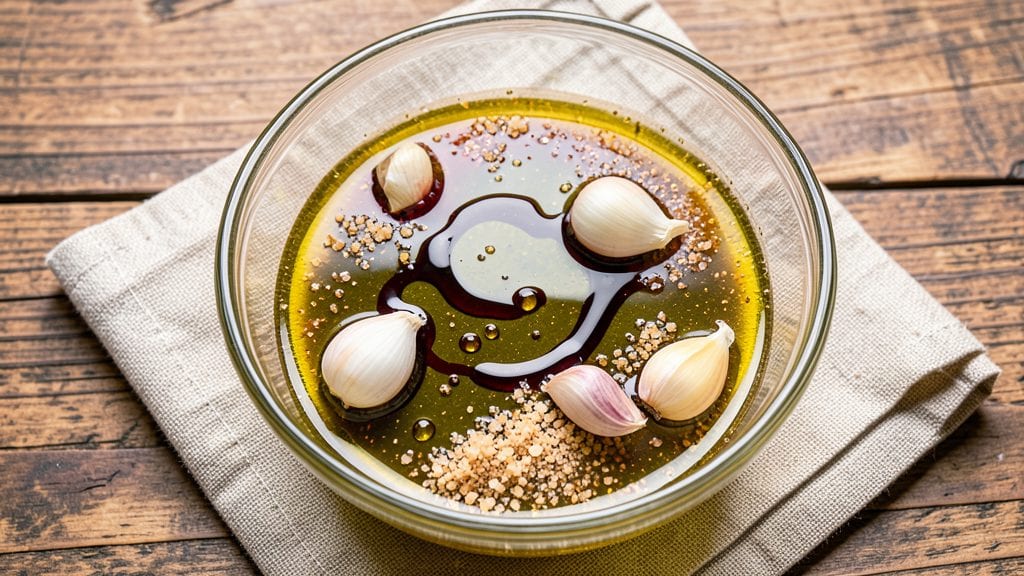
A beef loin marinade recipe transforms ordinary steak into restaurant-quality centerpieces with just a few hours of prep time. The secret lies in balancing umami-rich ingredients like soy sauce and Worcestershire with tenderizing acids and aromatic oils.
I developed this marinade after years of testing—each component plays a critical role in breaking down tough fibers while infusing deep, savory flavor.
This marinade works by using a precise ratio of oil to acid to create a harmonious blend that doesn't overpower the beef's natural taste. The key ingredients—olive oil, red wine vinegar, garlic, and a touch of brown sugar—work together to create a complex flavor profile that's both bold and balanced.
For best results, marinate the beef loin for 4 to 12 hours, allowing the flavors to penetrate deeply without breaking down the meat's texture.
The result is beef loin with a rich, caramelized crust and tender, juicy meat that practically melts in your mouth. The marinade's umami depth elevates every bite, making even simple preparations taste like a steakhouse masterpiece.
Whether you're grilling, pan-searing, or roasting, this marinade ensures your beef loin becomes the star of the meal.
Use this marinade as a base for countless variations—add a splash of bourbon for smoky notes, fresh herbs for brightness, or a dash of smoked paprika for depth.
The possibilities are endless, but the foundation remains the same: professional results with simple ingredients. Let's get started on creating steakhouse-quality flavor at home.
Ingredients for beef loin marinade
Ten essential components blend to create a steakhouse-worthy marinade for beef loin.
| Ingredient | Amount | Notes |
|---|---|---|
| Extra-Virgin Olive Oil 🫒 | ½ cup | High-quality, fruity variety preferred |
| Red Wine Vinegar 🍷 | ¼ cup | Dry, full-bodied vinegar |
| Soy Sauce 🍶 | ¼ cup | Japanese-style preferred |
| Worcestershire Sauce 🧂 | 2 tbsp | Lea & Perrins brand ideal |
| Garlic Cloves 🧄 | 8 cloves | Fresh, minced or finely chopped |
| Brown Sugar 🍯 | 2 tbsp | Light or dark variety |
| Dijon Mustard 🥫 | 1 tbsp | High-quality, smooth Dijon |
| Black Peppercorns 🌶️ | 1 tsp | Freshly cracked preferred |
| Diamond Crystal Kosher Salt 🧂 | 1 ½ tsp | Fine grain preferred |
| Fresh Rosemary 🌿 | 1 tbsp | Finely chopped, stems removed |
The foundation begins with extra-virgin olive oil—seek out California or Italian varieties for their robust, fruity profiles. Red wine vinegar should be dry and aged, not sweet; Whole Foods or Trader Joe's carry excellent options. Soy sauce demands attention: Japanese-style brands like Kikkoman or Hondashi deliver superior umami depth. Worcestershire sauce is non-negotiable—Lea & Perrins remains the gold standard. Fresh garlic cloves must be plump and firm, with no green shoots; Costco sells pre-peeled cloves in bulk for convenience. Brown sugar should be lightly packed when measuring—dark varieties add molasses notes that may overpower the delicate balance.
Substitutions require precision. Balsamic vinegar replaces red wine vinegar at a 1:1 ratio, though it introduces slight sweetness. Tamari works for soy sauce but lacks the depth of traditional soy. Honey can substitute brown sugar, though it lacks the caramelization potential. Smoked paprika adds depth when fresh rosemary isn't available, but reduce to 0.5 tbsp to avoid overpowering. Fresh thyme works alongside rosemary, but halve the amount—its lemony notes contrast differently. Ground black pepper replaces cracked peppercorns, though texture will differ. Diamond Crystal kosher salt is ideal, but Morton works in a pinch—just level carefully as grain size varies.
This marinade remains potent for up to 1 week when refrigerated in an airtight container. Glass jars preserve flavor best, while plastic containers may absorb odors. For long-term storage, freeze in ice cube trays—thaw overnight in the refrigerator before use. Acidic components (vinegar, soy) may separate; stir vigorously before each application. Fresh herbs should be added just before marinating to preserve their aromatic compounds. Meat safety: discard any unused marinade that has contacted raw beef after 2 hours at room temperature.
Why You'll Love This Recipe
- Five-Ingredient Magic: The pantry already has these—no special shopping needed. I swear by this combo because it’s the kind of marinade that turns a simple cut of beef into something restaurant-worthy without extra fuss.
- Garlic Bomb: That minced garlic? It’s the secret weapon here. The moment the oil hits the heat, your kitchen smells like a charcuterie board exploded—and the beef? It’s got that irresistible aroma that makes everyone lean in closer.
- Weeknight to Dinner Party: Same marinade, endless uses. Slap it on steaks for a quick weeknight dinner, or let it sit longer for a summer BBQ. Honestly, I’ve even used the leftovers to glaze roasted potatoes—because why waste good flavor?
- Budget-Friendly Luxury: You’re getting steakhouse taste without the steakhouse price. The red wine vinegar and soy sauce cut costs while packing serious punch, and the Worcestershire adds that umami depth that makes it feel like a splurge.
Step-by-step instructions for beef loin marinade
This marinade delivers steakhouse-quality depth with balanced umami, acidity, and aromatic complexity.
Combine the Base Ingredients
In a medium mixing bowl, whisk together the 0.5 cup extra-virgin olive oil, 0.25 cup red wine vinegar, and 0.25 cup soy sauce. The vinegar will initially separate, but whisking vigorously for 30 seconds creates a stable emulsion—this ensures even distribution of flavors throughout the marinade.
Next, add 2 tablespoons Worcestershire sauce and 1 tablespoon Dijon mustard. Stir well to incorporate completely. The Worcestershire sauce introduces its signature umami depth while the Dijon mustard adds subtle tang and helps emulsify the mixture. At this stage, the marinade should have a rich, dark amber color with a glossy sheen.
Incorporate Sweetness and Aromatics
Add the 2 tablespoons brown sugar and 1.5 teaspoons Diamond Crystal kosher salt to the bowl. Stir until fully dissolved—this sweet-salty combination enhances caramelization during cooking while balancing the acidity. The salt also begins to break down muscle fibers, allowing the marinade to penetrate more effectively.
Finely mince the 8 cloves garlic using a knife or garlic press, then add them to the mixture along with the 1 teaspoon freshly cracked black peppercorns and 1 tablespoon finely chopped fresh rosemary. The rosemary should be cut into very small pieces to avoid any fibrous texture. Stir thoroughly to distribute all ingredients evenly.
Verify Consistency and Flavor Balance
Taste the marinade and adjust seasoning if needed—this is critical for achieving the perfect balance. The acidity from the vinegar should be noticeable but not overpowering, while the umami from soy sauce and Worcestershire should dominate. If the flavor feels too sharp, add a touch more brown sugar. If it lacks depth, add a splash of soy sauce.
The marinade should now have a thick, syrupy consistency—similar to a well-emulsified vinaigrette. If it appears too thin, let it sit at room temperature for 10-15 minutes to allow the starches to fully hydrate. This resting period also lets the flavors meld more completely, creating a more cohesive taste profile.
Marinating the Beef Loin
Place the beef loin in a resealable plastic bag or shallow dish and pour the marinade evenly over it, ensuring all surfaces are coated. For best results, marinate for 4-6 hours at refrigerator temperatures. The acid in the vinegar begins breaking down proteins immediately, but longer marinating enhances tenderness without compromising texture.
Turn the beef occasionally during marinating to ensure even exposure to the marinade. If using a bag, gently press out air before sealing to maximize contact. For optimal results, remove the beef from the refrigerator 30 minutes before cooking to allow it to come to room temperature—this ensures more even cooking and better searing.
Pro Tips For Making Beef Loin Marinade
- MINCE THAT GARLIC: The difference between "meh" and "wow" often comes down to texture. Smash those garlic cloves with the flat side of your knife before mincing—it releases more flavor and prevents clumping in the marinade. (Yes, even if you’re in a hurry, take the extra 30 seconds.)
- LET IT BREATHE: Don’t dump the marinade on the beef and shove it in the fridge. First, pat the loin completely dry with paper towels—wet meat won’t absorb the flavors. Then, let it sit uncovered in the fridge for 15 minutes before adding the marinade. Trust me, the crust will be worth it.
- DILUTE THE VINEGAR: Red wine vinegar is potent, and dumping it straight from the bottle can turn your marinade into a mouth-puckering mess. Mix it with the olive oil first, then add the soy and Worcestershire. This also prevents the vinegar from breaking down the meat fibers too fast.
- DOUBLE THE GARLIC: I used to skimp on garlic in marinades, thinking it’d overpower the beef. Wrong. Add double the amount listed (so 12 cloves for 4 servings) and let it sit for at least 4 hours. The extra garlic mellows out in the marinade but leaves a lingering depth that cuts through the richness of the beef. (Your guests will ask for the recipe.)
Creative variations of this recipe
Herb-Infused Bright Version
Swap the rosemary for 1 tbsp fresh thyme leaves and 1 tbsp fresh parsley, plus add 1 tbsp minced shallots for subtle sweetness. Increase the red wine vinegar to 0.35 cup to brighten the profile.
This variation works exceptionally well for lighter, summer-style preparations where you want vibrant herbaceous notes to shine through. 🌿
Spicy Smoked Paprika Twist
Replace the rosemary with 1 tbsp smoked paprika and add 1 tsp cayenne pepper for heat. Reduce the brown sugar to 1 tbsp to balance the smokiness. This marinade creates a bold, slightly spicy crust perfect for grilled beef loin.
I recommend pairing it with a cool, creamy chimichurri sauce to cut through the heat. 🌶️
Bourbon-Infused Southern Style
Add 2 tbsp bourbon (like Maker's Mark) and 1 tsp liquid smoke (optional but recommended) to the base marinade. Reduce the Worcestershire sauce to 1 tbsp to prevent overpowering the bourbon's caramel notes. This variation delivers deep, smoky-sweet flavors reminiscent of Southern barbecue traditions. 🥃
Asian-Inspired Soy-Ginger Fusion
Replace the red wine vinegar with 0.25 cup rice vinegar and add 1 tbsp fresh ginger (grated), 1 tbsp sesame oil, and 1 tsp toasted sesame seeds. Use Kikkoman soy sauce for this variation.
This marinade transforms beef loin into a tender, aromatic dish with subtle Asian influences. Serve with steamed jasmine rice for a complete meal. 🌏
Garlic-Honey Glaze Option
Substitute the brown sugar with 2 tbsp honey and add an extra 4 cloves garlic (minced). Reduce the soy sauce to 0.2 cup to balance the sweetness.
This creates a sticky, caramelized glaze that clings beautifully to the beef during grilling. Perfect for those who prefer a sweeter, more viscous marinade. 🍯
Citrus-Zest Brightener
Add zest from 1 lemon and 1 orange along with 1 tbsp fresh orange juice. Reduce the red wine vinegar to 0.2 cup to maintain balance. The citrus zest adds a refreshing, bright contrast to the umami-rich base.
This variation works exceptionally well for quick grilling sessions where you want a lighter, more vibrant flavor profile. 🍊
Nutrition facts
Frequently asked questions
Can I use this marinade for other cuts of beef?
This marinade works beautifully on beef tenderloin, ribeye, and sirloin as well. The balanced acidity and umami profile tenderize tougher cuts while enhancing flavor. For thicker cuts like ribeye, marinate for 6-8 hours to ensure deep penetration. Thin cuts like sirloin can handle 2-4 hours without becoming mushy.
Will the beef become too acidic if I marinate longer than 6 hours?
While this marinade is designed for 4-12 hours, marinating beyond 8 hours risks breaking down the meat's texture, especially with beef loin. The acid in vinegar and soy sauce begins to "cook" the meat at the surface. For optimal results, stick to 6-8 hours and avoid leaving it overnight in the refrigerator.
Can I reuse leftover marinade?
Never reuse marinade that has touched raw beef due to potential bacteria contamination. If you have extra marinade before adding beef, you can save it for up to 1 week in the fridge. Use it as a sauce for grilled vegetables or as a base for stir-fries. Always boil unused marinade for 5 minutes before reusing to kill any bacteria.
How do I adjust this marinade for grilling vs. pan-searing?
For grilling, add 1 extra tablespoon of brown sugar to enhance caramelization from the grill's heat. For pan-searing, reduce the sugar to 1 tablespoon and increase the garlic to 10 cloves for a more aromatic crust. The oil content in this marinade ensures excellent browning in both methods.
What's the best way to remove excess marinade before cooking?
Pat the beef dry with paper towels after marinating to remove excess liquid. This creates a better sear and prevents steaming. For extra crispiness, let the beef sit uncovered in the fridge for 10-15 minutes before cooking. The dry surface will brown beautifully while retaining all the infused flavors.