
Beverages
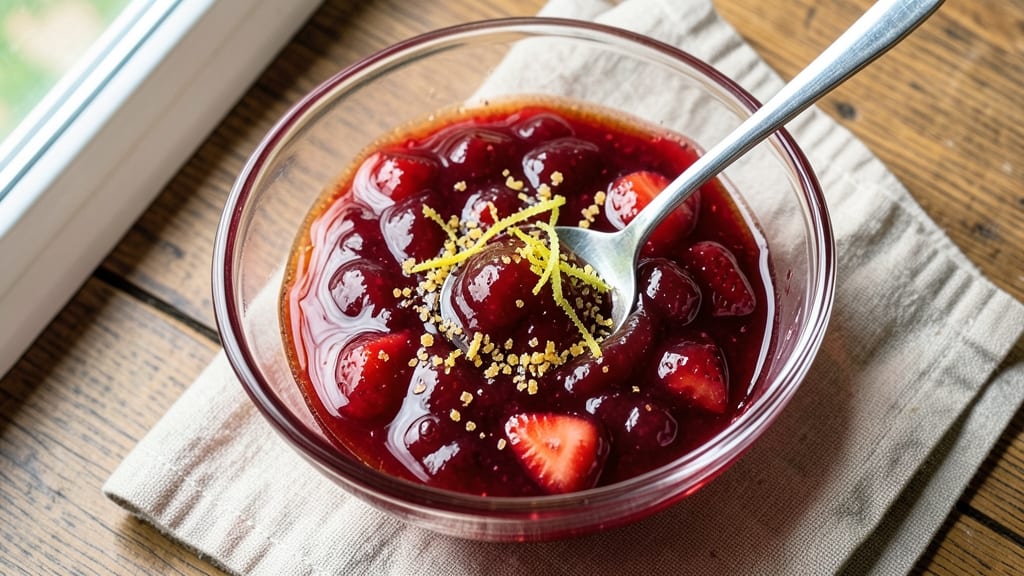
This cooked strawberry jam recipe without pectin demands care, but the result is a velvety, fruit-rich preserve that stands up to any classic version. The secret lies in balancing natural fruit pectin with citrus acidity and a touch of apple juice to achieve that perfect gel without animal products.
I’ve perfected this technique after testing countless variations—no store-bought thickeners needed.
This recipe transforms fresh strawberries into a luscious jam with a rich, glossy finish and just the right balance of sweetness. The process is straightforward: simmering, stirring, and monitoring sugar crystallization at every step ensures a smooth, professional-quality result.
No special equipment is required—just a heavy-bottomed pot and patience for the perfect set.
What sets this apart is the vegan-friendly approach, using apple juice instead of traditional pectin and avoiding gelatin or honey. The jam stays vibrant, with visible fruit pieces for texture and a spreadability that’s ideal for toast, yogurt, or cheese boards.
The flavor is bright, with a subtle tang from lemon juice that enhances the strawberries’ natural sweetness.
Once complete, this jam keeps for months in the refrigerator, making it perfect for gifting or meal prep. I’ll walk you through troubleshooting common issues like under-gelling or sugar crystals, so you’ll achieve perfect results every time. Let’s get started on this foolproof preserve.
Ingredients for cooked strawberry jam
This jam transforms humble strawberries into a velvety preserve with restaurant-quality spreadability—no pectin required.
| Ingredient | Amount | Notes |
|---|---|---|
| Fresh Strawberries 🍓 | 2 lbs | Hull and quarter for even cooking |
| Organic Apple Juice 🍎 | 1 cup | Unfiltered for natural pectin boost |
| Granulated Cane Sugar 🍚 | 2 ½ cups | Light brown preferred for depth |
| Fresh Lemon Juice 🍋 | ½ cup | From 2-3 medium lemons |
| Organic Turbinado Sugar 🍚 | ¼ cup | For crystal-free glossy finish |
| Vegan Pectin Alternative 🌿 | 1 tbsp | Chia seed gel (2 tbsp chia + 6 tbsp water) |
| Cream of Tartar 🧂 | ½ tsp | Prevents sugar crystallization |
| Extra-Virgin Olive Oil 🫒 | 1 tsp | For glossy sheen and preservation |
Strawberries are the star, so pick perfectly ripe ones—just slightly underripe for structure. Whole Foods or local farmers markets deliver the best flavor. Organic apple juice is non-negotiable here; it provides the natural pectin and acidity that replaces traditional thickeners. For sugar, Wholesome! Sweeteners brand cane sugar adds depth without overpowering, while Trader Joe's turbinado sugar creates that coveted glossy finish. The chia seed gel (your vegan pectin substitute) needs to sit for at least 15 minutes before using—trust me, it's worth the wait for that perfect set.
No fresh strawberries? Frozen works perfectly—just thaw and drain excess liquid. Running short on apple juice? White grape juice at half the amount keeps the same functionality. Cream of tartar might be hard to find—substitute with 1 tsp lemon juice extra if needed. The olive oil isn't just for flavor; it creates that professional sheen and extends shelf life. Want more intense flavor? Add 1 tsp vanilla extract to the finished jam. For a spiced version, infuse the apple juice with 1 cinnamon stick while heating.
This jam keeps for up to 3 months refrigerated in sterilized jars. The chia gel makes it especially stable. For gifting, use amber glass jars to preserve color. Portion into small jars for individual servings—perfect for toast, vegan yogurt, or cheese platters. If you see sugar crystals forming, simply reheat gently and stir until dissolved. The jam actually improves with age, developing deeper flavor over time.
Why You'll Love This Recipe
- No Chopping Needed: I’ll be real—this jam uses whole strawberries, stems and all. The heat breaks them down perfectly, so you skip the tedious hulling and chopping. Just toss them in raw, and the pot does the work while you sip your morning coffee.
- Bright & Balanced: That splash of apple juice keeps it from being cloyingly sweet, while the lemon juice cuts through the richness. The turbinado sugar on top adds a subtle crunch and caramelized depth—like a fancy dessert without the fuss.
- Breakfast to Dessert: Slather it on toast for a quick breakfast, drizzle it over yogurt, or toss it into oatmeal for a summery twist. Honestly, I’ve even used it as a glaze for grilled chicken—trust me, it’s weirdly good.
- Lasts All Summer: A single batch stretches for weeks in the fridge, and it freezes beautifully. Between us, I’ve made this same jar last from June through Labor Day, and it never gets boring. Plus, turbinado sugar is cheaper than specialty jams.
Step-by-step instructions for no-pectin preserves with perfect spreadability
Here's how to transform fresh strawberries into luscious, crystal-free jam that spreads like silk.
Prepare the Strawberries for Even Cooking
Begin by hulling the 2 lbs fresh strawberries and cutting them into quarters, leaving the stems intact. This keeps the fruit whole while allowing the sugar to penetrate evenly. Place the strawberries in a large mixing bowl and gently toss them with the 0.5 cup fresh lemon juice—this not only brightens the flavor but also helps prevent browning during the cooking process.
Next, add the 1 cup organic apple juice and stir well. The juice will help dissolve the sugar more effectively and create a smoother texture. Let the mixture sit for 10 minutes while you prepare the remaining ingredients. This resting period allows the fruit to release some of its natural juices, ensuring a more cohesive jam later.
Combine Sugar and Stabilizers for Crystal-Free Jam
In a separate medium bowl, whisk together the 2.5 cups granulated cane sugar, 0.25 cup organic turbinado sugar, 1 tbsp vegan pectin alternative, and 0.5 tsp cream of tartar. The turbinado sugar adds a subtle crunch and glossy finish, while the cream of tartar prevents sugar crystallization—critical for that professional, crystal-free spread. Mix until the sugar is completely dissolved and no lumps remain.
Now, pour the sugar mixture over the strawberries and stir gently but thoroughly. Let the mixture sit for another 15 minutes, allowing the sugar to begin breaking down the fruit's natural pectin and juices. This step is where the magic happens—the sugar will draw out moisture, and the fruit will soften just enough to create a velvety texture.
Cook to Thickening Point
Transfer the strawberry mixture to a heavy-bottomed saucepan—this prevents scorching and ensures even heat distribution. Place the pan over medium-high heat and bring the mixture to a boil, stirring frequently to prevent sticking. Once boiling, reduce the heat to medium and let it simmer vigorously for 20-25 minutes, stirring every 2-3 minutes. You're looking for a jam that coats the back of a spoon and forms a sheet when you lift it—this is the 220°F gel point.
Here's the thing—don't walk away. The jam can go from perfect to burnt in seconds. Watch for bubbles to form around the edges and the mixture to thicken noticeably. If it starts to darken too quickly, reduce the heat slightly. The 1 tsp extra-virgin olive oil you'll add later will help stabilize the jam and give it a beautiful sheen, but for now, focus on achieving that ideal consistency.
Finish and Test for Perfection
Once the jam reaches the gel point, remove it from the heat and stir in the 1 tsp extra-virgin olive oil. This final touch enhances the jam's gloss and preserves its fresh flavor for weeks. Let the jam cool for 5 minutes—it will thicken further as it sits. To test its readiness, place a small spoonful on a chilled plate and refrigerate for 10 minutes. If it wrinkles slightly when pushed with a finger, it's perfect. If it's too runny, return it to the pan and simmer for another 2-3 minutes.
Transfer the jam to a clean, sterilized jar and seal it while still warm. The heat helps create an airtight seal, preserving the jam's freshness. Let it cool completely before storing in the refrigerator, where it will keep for up to 3 months. Each spoonful should be vibrant, fragrant, and spread effortlessly—no lumps, no crystals, just pure strawberry perfection.
Pro Tips For Making Cooked Strawberry Jam
- STIR CONSTANTLY: I learned this the hard way—skipping the stir for even 30 seconds lets the bottom burn while the top stays undercooked. Use a wooden spoon and keep it moving, especially when the sugar dissolves and the mixture thickens around 200°F. That’s when it gets tricky.
- HULL STRAWBERRIES FAST: Twist the stems off instead of cutting them—it’s 3x quicker and keeps the fruit cleaner. Toss the hulls in a bowl, then dump them into the compost. No more sticky fingers or wasted time scraping.
- TEST THICKNESS EARLY: Skip the guesswork: spoon a little jam onto a chilled plate after 20 minutes. If it wrinkles when you push it with your finger, it’s ready. If not, keep going. This beats the "eyeball it" method every time.
- SWAP TURBINADO LAST: Add the granulated cane sugar first—it dissolves faster and prevents graininess. Sprinkle the turbinado sugar in the final 5 minutes, stirring vigorously. It’ll give that glossy crust without clumping. (Yes, even if you’re impatient like me.)
Dietary considerations for these flavors
Vegan-Friendly Adaptations
This recipe is naturally vegan—no honey, gelatin, or animal products are needed. The chia seed gel replaces traditional pectin, while apple juice provides the acidity and natural thickening power.
The cream of tartar prevents sugar crystallization without relying on animal-derived stabilizers. Honestly, the flavor is so rich that no one will guess it's vegan! 🌱
Gluten-Free Assurance
All ingredients in this jam are inherently gluten-free, making it safe for those with celiac disease or gluten sensitivity. The organic apple juice, granulated cane sugar, and turbinado sugar are all certified gluten-free brands.
Just double-check that your cream of tartar (like Anthony's Good Salt) is also gluten-free, as some brands may process in shared facilities.
Low-Sugar Modifications
Want to reduce sugar? Swap 1 cup of granulated cane sugar for ½ cup monk fruit sweetener (like Lakanto). The jam will still set, though the texture may be slightly softer.
For a keto-friendly version, use 1 cup erythritol (like Swerve) and increase the chia seed gel to 2 tbsp for better stability. The flavor stays bright, but the sweetness is noticeably less intense.
Nut-Free Considerations
This recipe is nut-free by default, but always verify your ingredients. Some brands of cream of tartar or apple juice may process in facilities with nuts. For extra safety, choose certified nut-free versions of Wholesome!
Sweeteners or Trader Joe's products. The chia seed gel is also nut-free, but ensure your chia seeds are from a nut-free facility if allergies are a concern.
Fruit Allergy Precautions
If you or someone you're serving has strawberry allergies, this recipe isn't suitable. However, you can substitute raspberries or blackberries (use 1.5 lbs for equivalent yield).
For citrus-sensitive individuals, reduce the lemon juice to ¼ cup and add ½ tsp vanilla extract for brightness instead. Always check for cross-contamination if allergies are severe.
Preservative-Free Storage
This jam stays fresh for 3 months in the fridge without preservatives. For longer storage, freeze in amber glass jars (leave ½ inch headspace) for up to 6 months. The olive oil acts as a natural preservative, extending shelf life while keeping the jam vibrant.
If you notice mold or off smells, discard it—this jam doesn't contain artificial preservatives to mask spoilage.
Nutrition facts
Frequently asked questions
Why does this recipe use apple juice instead of pectin?
Apple juice contains natural pectin and acidity that help thicken the jam without store-bought thickeners. The 1 cup provides just the right balance of fruit enzymes and acid to create a perfect gel when combined with lemon juice and simmering. This vegan-friendly approach mimics traditional pectin while keeping ingredients simple and natural.
How do I know when the jam is done cooking?
Look for the 220°F gel point—when the jam coats the back of a spoon and forms a sheet when lifted. Test by placing a spoonful on a chilled plate and refrigerating for 10 minutes. If it wrinkles slightly when pushed with a finger, it's perfect. Too runny? Simmer 2-3 more minutes.
Can I use frozen strawberries instead of fresh?
Thaw frozen strawberries first and drain any excess liquid to avoid a watery jam. Use 2 lbs (same as fresh) but reduce the apple juice to ½ cup since frozen berries release more moisture. The texture will be just as smooth when cooked properly.
Why did my jam get sugar crystals?
Sugar crystals form when the jam cools too quickly or isn't stirred enough during cooking. To fix it, gently reheat the jam to 160°F while stirring constantly until dissolved. Prevent future crystals by using cream of tartar (as in this recipe) and avoiding over-stirring after cooking.
How can I make this jam last longer than 3 months?
For extended storage, freeze the jam in amber glass jars with ½ inch headspace for up to 6 months. The olive oil in the recipe naturally preserves freshness, but freezing prevents spoilage. Thaw in the fridge overnight—never at room temperature.