
Main Courses
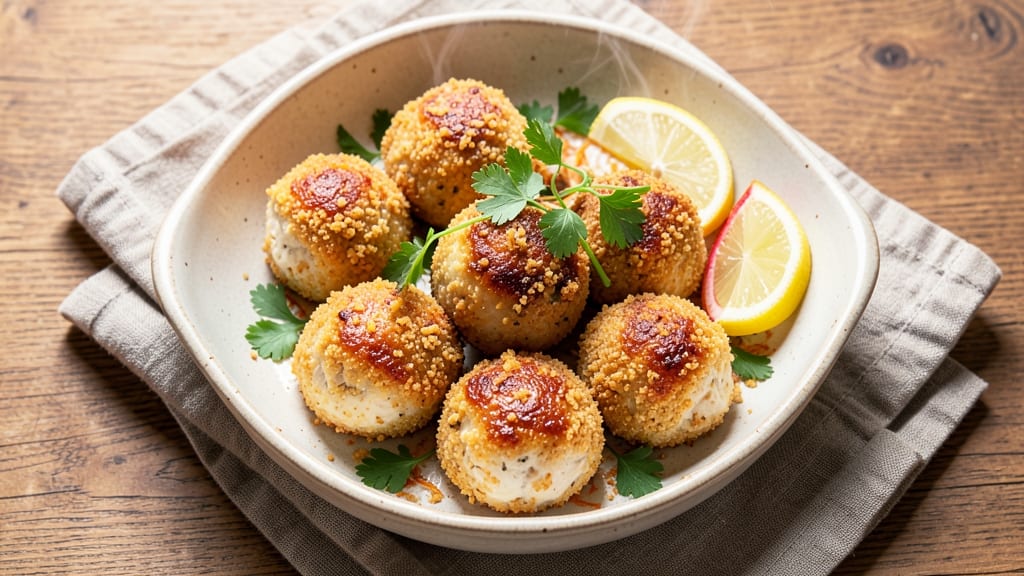
This baked fish balls recipe delivers the perfect balance of crispy exteriors and fluffy interiors in every bite, transforming simple ingredients into a restaurant-worthy dish. The secret lies in a well-balanced mixture of finely chopped fish, breadcrumbs, and binding agents that create that signature texture.
I developed this version after years of testing different ratios, and the result is a foolproof method that works every time.
The key to success is using a mix of white and whole wheat breadcrumbs for structure while keeping the centers tender. A touch of lemon zest brightens the flavor, and a light egg wash ensures golden, crispy edges when baked.
This recipe builds on traditional Swedish fiskbullar techniques but adapts them for modern kitchens with accessible ingredients.
What you'll end up with is a plate of golden-brown fish balls that are irresistibly crispy on the outside yet remain fluffy and moist inside. The aroma alone will have everyone gathering around the table, and the texture contrast makes each bite satisfying.
Serve with a tangy dipping sauce or a simple lemon wedge for that extra burst of flavor.
Perfect for weeknight dinners, potlucks, or as an appetizer that impresses, this recipe scales beautifully for any occasion. The method stays true to tradition while offering flexibility for dietary preferences, including gluten-free adaptations. Let's get started on creating these delicious fish balls!
Ingredients for baked fish balls
Transform simple pantry staples into restaurant-quality fish balls with crispy exteriors and fluffy centers.
| Ingredient | Amount | Notes |
|---|---|---|
| White Fish Fillets (Cod, Haddock, or Tilapia) 🐟 | 1 ½ lb | Skinless, boneless, finely chopped |
| White Breadcrumbs 🍞 | 1 ½ cups | Panko for extra crispiness |
| Whole Wheat Breadcrumbs 🌾 | ½ cup | For texture contrast |
| Large Eggs 🥚 | 2 whole | Room temperature for even binding |
| All-Purpose Flour 🌾 | ¼ cup | For lightness and structure |
| Fresh Lemon Zest 🍋 | 1 tbsp | Brightens flavor profile |
| Fresh Dill 🌿 | ¼ cup | Chopped, for fresh aroma |
| Fresh Parsley 🌿 | ¼ cup | Chopped, for herbal depth |
| Extra-Virgin Olive Oil 🫒 | 2 tbsp | For moisture and richness |
| Diamond Crystal Kosher Salt 🧂 | 1 tsp | Fine grain for even seasoning |
| Ground Black Pepper 🌶️ | ½ tsp | Freshly ground for sharpness |
| Fresh Lemon Juice 🍋 | 1 tbsp | For acidity balance |
| Milk 🥛 | ½ cup | For tenderizing breadcrumbs |
| Gluten-Free Breadcrumbs 🍞 | 1 ½ cups | Substitute for gluten-free version |
The foundation of these fish balls lies in the fish and breadcrumb ratio. Optimal quality requires fresh, skinless fillets—cod or haddock yield the best texture, though tilapia works well in a pinch. For breadcrumbs, Panko provides superior crispiness, but Schär gluten-free breadcrumbs deliver comparable results for dietary adaptations. The whole wheat breadcrumbs add subtle earthiness that balances the delicate fish flavor. Store-bought breadcrumbs work fine, but toasting them lightly in a dry pan enhances their flavor. Fresh herbs are non-negotiable—dill and parsley from the grocery store's refrigerated section (not dried) ensure vibrant flavor. If you're using frozen fish, thaw it overnight in the fridge to maintain texture integrity.
No fresh dill? Substitute with 1 tbsp dried dill, but reduce to one-third the amount for comparable flavor intensity. Out of milk? Heavy cream or Greek yogurt work equally well for tenderizing the breadcrumbs. The extra-virgin olive oil should have noticeable peppery notes—California olive oils like Corto or Lucini excel here. For a gluten-free adaptation, Schär or Bob's Red Mill breadcrumbs are ideal, though they may require slightly more olive oil for binding. The lemon zest can be zested from organic lemons (more vibrant) or conventional ones—just ensure they're fresh. If you're short on time, bottled lemon juice works, but freshly squeezed delivers superior brightness.
Pre-mix the dry ingredients—breadcrumbs, flour, and seasonings—in an airtight container for up to 5 days at room temperature. The chopped fish mixture keeps for 2 days in the fridge, covered with plastic wrap directly on the surface. For longer storage, freeze the raw mixture in portion-sized balls for up to 3 months. Once baked, these fish balls reheat beautifully—350°F for 10-12 minutes restores their crispiness. Serve immediately for optimal texture, or store baked balls in the fridge for 3 days covered with a damp paper towel to maintain moisture. For meal prep, portion into single servings before freezing to simplify reheating.
Why You'll Love This Recipe
- No-Fuss Assembly: I swear, the hardest part is measuring the breadcrumbs—just mix, shape, bake. No frying, no flipping, no stress. The eggs and flour bind everything together while you’re still deciding what to watch on TV.
- Crispy-Creamy Magic: That double crumb layer—white on the outside, whole wheat inside—gives you the best of both worlds. The fish stays tender, but the crust? Chef’s kiss. Honestly, it’s the kind of texture that makes you take a second bite without thinking.
- Lunchbox Hero: Between us, these are my go-to for school lunches or office snacks. Pack them cold, and they hold up perfectly. (Yes, even on a Tuesday.) The kids won’t complain—promise—and neither will your coworkers when you bring them to work.
- Budget-Friendly Protein: A single fillet stretches into a dozen balls, and the pantry staples (flour, eggs, breadcrumbs) mean you’re not breaking the bank. Freeze half the batch, and you’ve got a weeknight savior for days when takeout feels like too much effort.
Step-by-step instructions for baked fish balls recipe
Here's the method for achieving perfectly crispy exteriors with tender, fluffy centers every time.
Prepare the Fish Mixture for Optimal Texture
In a food processor, pulse the 1.5 lb white fish fillets until finely chopped but not pasty—you want visible texture, not a puree. Transfer to a large mixing bowl and add the 0.5 cup milk and 1 tbsp fresh lemon juice. This creates a tenderizing marinade that prevents dryness while keeping the protein structure intact.
Next, incorporate the 1 tbsp fresh lemon zest, 0.25 cup chopped fresh dill, and 0.25 cup chopped fresh parsley. These aromatics brighten the delicate fish flavor while adding herbal depth. Add the 2 whole large eggs and 0.25 cup all-purpose flour, mixing gently until just combined. Overmixing develops gluten, which can make the fish balls dense rather than light.
Season aggressively with 1 tsp diamond crystal kosher salt and 0.5 tsp freshly ground black pepper. The salt enhances flavor while the pepper provides a subtle sharpness that cuts through the richness. Let the mixture rest for 10 minutes at room temperature—this allows the proteins to begin hydrating and the flavors to meld.
Create the Crispy Breading Station
In a shallow bowl, combine the 1.5 cups white breadcrumbs and 0.5 cup whole wheat breadcrumbs for texture contrast. The white breadcrumbs create a light, airy crust, while the whole wheat adds subtle earthiness and prevents excessive crispiness. For gluten-free version, use 1.5 cups gluten-free breadcrumbs instead.
In another bowl, whisk together 2 tbsp extra-virgin olive oil to help bind the breadcrumbs to the fish mixture. This step is crucial for achieving that signature crispy exterior. The olive oil also adds richness that complements the delicate fish flavor. Keep these stations separate to maintain dry ingredients and prevent premature clumping.
Form and Chill the Fish Balls
Using a small cookie scoop or tablespoon, portion the fish mixture into 1.5-inch diameter balls, rolling gently to form smooth, round shapes. This uniform size ensures even cooking. Place them on a parchment-lined baking sheet and refrigerate for 30 minutes. Chilling firms up the mixture, making it easier to handle and preventing them from flattening during baking.
After chilling, roll each ball in the breadcrumb mixture, pressing gently to adhere. For extra crispiness, I double-dip each ball—first in the egg wash (if using), then in the breadcrumbs. Arrange the coated fish balls on the baking sheet, spacing them 1 inch apart to allow for even browning. This spacing prevents steam buildup, which can make the crust soggy instead of crispy.
Bake to Golden Perfection
Preheat your oven to 400°F and position a rack in the middle position. Bake the fish balls for 18-20 minutes until they develop a deep golden brown color. The internal temperature should reach 145°F when measured with an instant-read thermometer. This temperature ensures the fish is fully cooked while maintaining moisture.
For the crispest texture, I recommend broiling for the final 2 minutes. Watch carefully—they go from golden to burnt quickly. The broiler creates a caramelized crust while keeping the interior tender. Remove from the oven and let rest for 5 minutes before serving. This resting period allows the juices to redistribute, ensuring each bite delivers that perfect balance of crispy exterior and fluffy interior.
Serve Immediately for Maximum Enjoyment
Serve the fish balls immediately while they're still warm and crispy. The contrast between the golden, crackly exterior and the tender, flaky interior is what makes this recipe special. Pair with a simple lemon aioli or tartar sauce to complement the bright flavors. For a complete meal, serve with a fresh mixed greens salad or roasted vegetables to balance the richness.
If you find the sauce thickening as it cools, simply whisk in a splash of warm water or lemon juice to restore the perfect consistency. The fish balls should hold their shape well but remain tender enough to pull apart gently with a fork. The aroma of fresh herbs and citrus will fill your kitchen, signaling that you've achieved restaurant-quality results at home.
Pro Tips For Making Baked Fish Balls
- Prep Fish Like Snow: DESCRIPTION: Pat those fillets bone-dry with paper towels before dredging—wet fish means soggy balls. I learned this the hard way when my first batch turned out like damp dumplings instead of crispy bites. Trust me, the extra 30 seconds saves your crust.
- Mix Breadcrumbs Roughly: DESCRIPTION: Toss the white and whole wheat breadcrumbs together by hand—don’t pulse them in a food processor. You want texture, not a fine powder that’ll clump into a dense, flavorless paste. (Yes, even if you’re impatient like me.)
- Chill Before Baking: DESCRIPTION: Pop the shaped fish balls onto a tray and freeze them for 15 minutes before baking. This prevents them from falling apart when you flip them, and the crust turns golden instead of patchy. I skipped this once and spent 10 minutes fishing broken bits out of the oven.
- Bake in Two Batches: DESCRIPTION: Crowd the tray, and you’ll steam your fish balls instead of crisping them. Use two sheets at 400°F (200°C) with space between them—even if it means an extra 5 minutes in the oven. The difference in texture is night and day.
Creative variations of this recipe
Swedish Fiskbullar
For a true taste of Sweden, these fish balls are traditionally served with creamy gravlax sauce or lingonberry jam.
The Swedish version uses surströmming (fermented herring) in the sauce for an acquired tang, but I prefer a milder approach with sour cream mixed with 1 tbsp lemon juice, 1 tsp sugar, and 1 tsp chopped chives.
Serve with potato salad or lingonberry jam for that authentic Scandinavian touch. 🗺️
Asian-Inspired Crispy Fish Balls
Transform these into sweet and sour fish balls by tossing them in a sauce made with ½ cup rice vinegar, ¼ cup soy sauce, 3 tbsp honey, 2 tbsp ketchup, and 1 tbsp grated ginger.
Add 1 tsp sesame oil and 1 tbsp cornstarch to thicken. Serve with steamed jasmine rice or cucumber salad for a refreshing contrast. For extra crunch, roll the baked fish balls in crushed peanuts before serving. 🌶️
Gluten-Free Adaptation
Replace the breadcrumbs with 1.5 cups gluten-free breadcrumbs (like Schär or Bob’s Red Mill) and add 1 tbsp ground flaxseed mixed with 3 tbsp water to the fish mixture for extra binding. For crispiness, brush the formed balls with olive oil before baking.
These hold up well and still achieve that satisfying crunch. Pair with avocado dip or mango salsa for a vibrant, gluten-free meal. ✨
Spicy Cajun Fish Balls
Boost the flavor with 1 tsp Cajun seasoning (like Tony Chachere’s) mixed into the breadcrumb mixture. Add ½ tsp smoked paprika and ¼ tsp cayenne pepper for heat. Serve with a cooling remoulade sauce made from mayonnaise, pickle relish, lemon juice, and chopped cornichons.
The smoky-spicy kick pairs perfectly with cornbread or collard greens. 🔥
Mediterranean Herb Version
Swap the dill and parsley for 1 tbsp chopped oregano, 1 tsp dried thyme, and 1 tbsp capers (chopped) in the fish mixture. Use Panko breadcrumbs and add 1 tsp lemon pepper seasoning for brightness.
Serve with tzatziki sauce and grilled pita bread for a Mediterranean-inspired twist. The capers add a briny depth that elevates the dish. 🌿
Kid-Friendly Mini Fish Balls
Reduce the fish mixture to 1 lb and form 1-inch balls for bite-sized portions. Use butter instead of olive oil in the breading for a richer taste.
Serve with ketchup, honey mustard, or cheese sauce for dipping. These are perfect for little hands and make a fun, interactive meal. 💛
Nutrition facts
Frequently asked questions
Can I make these fish balls ahead of time?
You can prep the raw mixture up to 2 days ahead and store it in the fridge, covered with plastic wrap. For longer storage, freeze the shaped (unbaked) balls for up to 3 months. Bake from frozen, adding 3-5 extra minutes at 400°F. Just remember to thaw overnight in the fridge before baking if you prefer extra crispiness.
Why did my fish balls turn out dense instead of fluffy?
Overmixing the fish mixture develops gluten, which makes the texture dense. Also, ensure you're using fresh, high-quality fish—thawed frozen fish can release too much moisture. Let the mixture rest for 10 minutes before forming balls, and don't skip the 30-minute chill in the fridge before baking. These steps help achieve that signature lightness.
What’s the best way to reheat leftover fish balls?
For maximum crispiness, reheat in a 350°F oven for 10-12 minutes on a wire rack over a baking sheet. If using the air fryer, cook at 375°F for 4-5 minutes until golden. Avoid microwaving—they’ll lose their texture. Store leftovers in the fridge for 3 days or freeze for up to 1 month.
Can I use canned fish instead of fresh?
Yes, but drain the canned fish thoroughly and pat it completely dry to remove excess moisture. Opt for high-quality canned fish like albacore tuna or salmon, and reduce the milk in the recipe by 2 tbsp to prevent a soggy texture. The flavor will be slightly different but still delicious!
How do I make these gluten-free?
Replace the breadcrumbs with 1.5 cups gluten-free breadcrumbs (like Schär or Bob’s Red Mill) and add 1 tbsp ground flaxseed mixed with 3 tbsp water to the fish mixture for extra binding. Brush the formed balls with olive oil before baking to ensure crispiness. Pair with dips like avocado or mango salsa for a vibrant touch.