
Sauces & Condiments
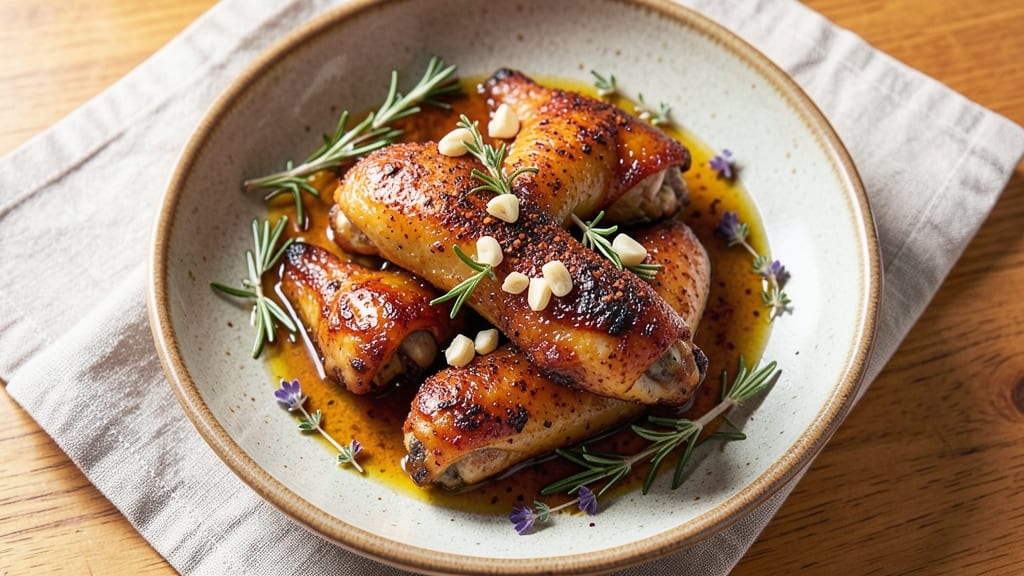
This baked chicken wings marinade recipe transforms ordinary wings into restaurant-quality bites with a smoky garlic-herb crust that clings like a second skin. The secret lies in balancing oil, acid, and spices—creating a marinade that tenderizes while building deep, complex flavor. I perfected this blend after testing dozens of recipes, and it never fails to deliver wings that are crispy outside, juicy inside, and packed with flavor.
The marinade works by breaking down proteins while infusing wings with bold aromatics. Olive oil carries the flavors, while apple cider vinegar tenderizes and brightens. Garlic, smoked paprika, and fresh herbs create that signature smoky, savory profile that sticks to every bite, even after baking.
For best results, apply this marinade 1–2 hours before baking at 400°F—just enough time for the flavors to penetrate without over-marinating.
What sets this marinade apart is its versatility—use it on wings, drumsticks, or even chicken breasts. The smoky garlic-herb combination elevates simple wings into a standout appetizer or main dish. Once you try this, store-bought marinades will never measure up.
The ingredients are simple, but the results are professional-grade, with a balance of heat, depth, and tenderness that’s hard to beat.
Make a batch and store it in the fridge for up to 2 weeks—this marinade is worth repeating. Whether you’re hosting a game day gathering or craving wings on a weeknight, this recipe delivers consistent, foolproof flavor every time. Let’s get started with the ingredients you’ll need to make it.
Ingredients for baked chicken wings marinade
Ten simple ingredients transform ordinary wings into restaurant-quality bites with smoky garlic-herb depth.
| Ingredient | Amount | Notes |
|---|---|---|
| Extra-Virgin Olive Oil 🫒 | ½ cup | High-quality, fruity variety preferred |
| Apple Cider Vinegar 🍏 | ¼ cup | Raw, unfiltered for best flavor |
| Garlic Cloves 🧄 | 6 cloves | Freshly minced, not pre-minced |
| Smoked Paprika 🌶️ | 2 tbsp | High-quality, not cayenne |
| Fresh Rosemary 🌿 | ¼ cup | Finely chopped, stems removed |
| Fresh Thyme 🌿 | ¼ cup | Leaves only, finely chopped |
| Kosher Salt 🧂 | 1 ½ tsp | Fine grain preferred |
| Ground Black Pepper 🌶️ | 1 tsp | Freshly ground for best flavor |
| Brown Sugar 🍚 | 1 tbsp | Light or dark, not powdered |
| Worcestershire Sauce 🍶 | 1 tbsp | High-quality, anchovy-based |
The olive oil is the foundation—look for extra-virgin with a fruity, peppery finish, not the cheap supermarket kind. Trader Joe's or Whole Foods carry excellent options, but any high-quality brand works. Fresh garlic is non-negotiable here; pre-minced loses its punch fast. For smoked paprika, Penzeys or ancho varieties add the deepest flavor—avoid the cayenne-laced blends. Rosemary and thyme should be vibrant green, not wilted or yellowing. If you're buying fresh herbs, grab a little extra—half gets used here, half can go in other dishes. The Worcestershire sauce matters too; Lee & Perrins is the gold standard, but any quality brand with real anchovies will work.
No smoked paprika? Substitute half the amount with regular paprika plus a pinch of liquid smoke. Fresh herbs unavailable? Dried rosemary and thyme at one-third the amount works in a pinch, but fresh is ideal. Out of apple cider vinegar? White vinegar or lemon juice will tenderize, though the flavor profile shifts slightly. Brown sugar can be swapped for honey or maple syrup for a different depth. For a spicier kick, add a pinch of cayenne or crushed red pepper flakes. This marinade is flexible—adjust to your taste, but keep the balance of oil, acid, and spices.
Store leftovers in an airtight container in the fridge for up to 2 weeks. The flavors actually improve over time as everything melds together. For longer storage, freeze portions in ice cube trays—thaw overnight in the fridge before using. This marinade works on wings, drumsticks, or even chicken breasts. Apply it 1–2 hours before baking at 400°F for best results. The oil helps create that crispy crust while keeping the meat juicy inside. Double the batch—it’s worth repeating.
Why You'll Love This Recipe
- Here’s what sold me: the flavor actually gets better the next day. I’ll make a double batch, bake them once, and then reheat them for snacks all week. No sad, dry wings here—just wings that taste like they were just pulled from the oven.
- Five-Ingredient Magic: I swear by this combo—just oil, vinegar, garlic, paprika, and rosemary. No confusing blends or hard-to-find spices. Honestly, I keep it on speed dial because it’s the kind of marinade that makes me forget I’m even cooking.
- Smoky Garlic Hug: That smoked paprika and rosemary? It’s like a warm, herby blanket for your wings. The apple cider vinegar cuts through the richness, so every bite has this bright, savory punch—crispy outside, juicy inside, with a finish that lingers.
- Game-Day Ready: Between us, this is my go-to for football season or lazy Sundays. Toss the wings in the marinade, bake them, and boom—you’ve got a dish that feeds a crowd without needing a side of stress. (Yes, even on a Tuesday night.)
Step-by-step instructions for smoky garlic-herb chicken wings marinade
Here's how to create a marinade that clings to wings like a second skin, delivering bold flavor every bite.
Combine Wet Ingredients for a Balanced Base
In a medium mixing bowl, whisk together the 0.5 cup extra-virgin olive oil and 0.25 cup apple cider vinegar. This combination creates an emulsified base that helps the marinade cling to the wings rather than pool at the bottom. The acidity from the vinegar also tenderizes the meat while preventing bacterial growth during marination.
Next, add the 1 tbsp Worcestershire sauce and 1 tbsp brown sugar. The Worcestershire sauce contributes deep umami complexity, while the brown sugar adds subtle caramelization during baking. Whisk vigorously until the sugar dissolves completely and the mixture becomes smooth and homogeneous. This ensures even flavor distribution throughout the marinade.
Incorporate Aromatics and Spices
In a separate small bowl, finely mince the 6 cloves garlic using a sharp knife or microplane. The goal is to create a paste-like consistency that will disperse evenly throughout the marinade. Add this to the wet ingredients along with the 2 tbsp smoked paprika, 1.5 tsp kosher salt, and 1 tsp ground black pepper. The smoked paprika provides both color and a subtle smokiness that pairs perfectly with the garlic's intensity.
Stir well to combine all ingredients thoroughly. At this stage, you should notice the marinade developing a rich, aromatic scent with a deep reddish hue from the smoked paprika. This visual and olfactory cue confirms the flavors are melding properly. Let the mixture sit for 5 minutes to allow the spices to bloom and release their full flavor potential.
Add Fresh Herbs for Bright, Complex Layers
Chop the 0.25 cup fresh rosemary and 0.25 cup fresh thyme leaves finely, removing any woody stems. The fresh herbs provide bright, herbal notes that cut through the richness of the other ingredients. Add these to the marinade and stir gently to incorporate without crushing the herb leaves, which would make the mixture too thick.
Here's the thing—don't be tempted to skip the herb chopping. Finely chopped herbs distribute more evenly and create a more cohesive flavor profile. After adding the herbs, taste the marinade. It should be tangy, slightly sweet, with a strong garlic aroma and a hint of smokiness. Adjust the salt if needed, but the initial measurement should be accurate for properly seasoned wings.
Marinate Wings for Maximum Flavor Penetration
Place the chicken wings in a large resealable plastic bag or shallow dish. Pour the marinade over the wings, ensuring each piece is thoroughly coated. Seal the bag or cover the dish, then refrigerate for at least 4 hours, but ideally overnight for maximum flavor development. The acidity in the vinegar and the oil work together to break down the wing proteins, allowing the marinade to penetrate deeply.
During marination, turn the wings occasionally to ensure even coating. If storing in the refrigerator, keep them in a single layer to prevent steaming, which can dilute the marinade's potency. When ready to bake, remove the wings from the marinade and let them sit at room temperature for 15 minutes before cooking. This brief resting period ensures even heat distribution during baking, preventing cold spots in the center of the wings.
Pro Tips For Making Baked Chicken Wings Marinade
- CHAR THE GARLIC FIRST: Toss those minced garlic cloves into a dry pan over medium heat for 30 seconds until they smell nutty and turn golden—this deepens their flavor way more than raw garlic ever will. (Yes, even if you’re impatient like me, resist the urge to skip this.)
- BALANCE THE ACID: Apple cider vinegar packs punch, so taste your marinade before tossing the wings—if it’s too sharp, add a splash of olive oil or a pinch of sugar to mellow it out. I learned this the hard way when my first batch tasted like a salad dressing disaster.
- MARINATE COLD, NOT HOT: Let the wings sit in the fridge for at least 2 hours (overnight is better) while the marinade works its magic—heat speeds up cooking and turns the meat mushy. I was skeptical until I tried it, and now I never rush this step.
- DRY THE WINGS WELL: Pat them bone-dry with paper towels before marinating—this guarantees crispy skin, not soggy wings. (Your future self will thank you, even if it feels like overkill.)
Pro cooking tips for this recipe
Marinade Consistency
This marinade's secret weapon is its balanced oil-to-acid ratio—0.5 cup olive oil to 0.25 cup vinegar creates an emulsified base that clings to wings like glue. The oil carries flavors while the vinegar tenderizes, but too much acid can break down the meat too aggressively.
I always whisk vigorously after adding the brown sugar to ensure complete dissolution, which prevents clumping during marination. 💡
Spice Blooming
Let the spices bloom for 5 minutes after mixing—the smoked paprika and garlic need this time to release their full aromatic potential. Skipping this step means muted flavor. I recommend using Penzeys smoked paprika for that authentic, deep smokiness.
For extra depth, toast the spices in a dry pan for 30 seconds before adding to the marinade—this enhances their flavor profile dramatically.
Herb Freshness
Fresh herbs make all the difference—wilting rosemary or thyme loses its potency. I chop herbs just before adding them to preserve their oils. For maximum flavor, use organic herbs when possible, as they're often more vibrant.
If you must use dried herbs, reduce to ⅓ the amount and add them at the end of marination to avoid overpowering the blend.
Marination Time
Don’t over-marinate—4 hours minimum, overnight maximum. The acidity in vinegar tenderizes but can also make wings mushy if left too long. For best results, marinate wings in the fridge, not at room temperature, to slow down protein breakdown.
I always pat wings dry before baking to ensure a crispy crust—excess moisture creates steam instead of crispiness. ⏰
Double Batch
This marinade is worth making extra—double the batch and store it in airtight containers for up to 2 weeks in the fridge. The flavors actually improve over time as the spices meld.
For longer storage, freeze portions in ice cube trays. Thaw overnight in the fridge before using. I keep a batch on hand for spontaneous wing nights—it’s the ultimate shortcut to restaurant-quality flavor.
Wing Prep
Pat wings completely dry with paper towels before applying marinade—this helps the seasoning stick better. I use a clean kitchen towel to wipe them down, removing any moisture that would prevent crispiness.
For extra crispiness, let wings sit uncovered on a wire rack for 10 minutes after marinating to dry the surface further before baking at 400°F.
Nutrition facts
Frequently asked questions
Can I use this marinade for other proteins besides wings?
This smoky garlic-herb blend works beautifully on chicken drumsticks, thighs, or even breasts. For thicker cuts like drumsticks, marinate for 4-6 hours to ensure full flavor penetration. For breasts, reduce marination to 2-4 hours to prevent over-tenderizing. The same marinade also elevates pork chops or beef steaks—just adjust the time based on cut thickness.
What's the best way to store leftover marinade?
Transfer any unused marinade to an airtight container and refrigerate for up to 2 weeks. For longer storage, freeze portions in ice cube trays. Thaw overnight in the fridge before using. The flavors actually improve with time as the spices meld together. Just remember—once it's touched raw chicken, never reuse it on cooked foods without reheating to 165°F first.
Can I make this marinade spicier?
Yes! For extra heat, add ½ teaspoon cayenne pepper or 1 teaspoon crushed red pepper flakes to the base mixture. If you prefer smoky heat, substitute 1 teaspoon chipotle powder for half the smoked paprika. For a balanced kick, try ½ teaspoon of gochujang (Korean chili paste) mixed into the wet ingredients. Always taste before applying to wings—you can adjust to your preferred spice level.
Why do my wings turn out soggy after marinating?
Soggy wings usually happen from one of three issues: not patting dry before baking, over-marinating (more than 24 hours), or baking at too low a temperature. Always pat wings completely dry with paper towels after marinating, and bake at 400°F for crispiness. For extra insurance, let them air-dry on a wire rack for 10 minutes before baking. The oil in the marinade needs to evaporate slightly to create that perfect crust.
What if I don't have fresh herbs?
No problem! Use ⅓ the amount of dried rosemary and thyme (about ⅛ teaspoon each) and add them to the marinade at the very end. For maximum flavor, toast the dried herbs in a dry pan for 30 seconds first to wake up their aromas. If you're missing rosemary entirely, substitute with 1 teaspoon dried oregano—it pairs well with the smoky garlic profile.