
Sauces & Condiments
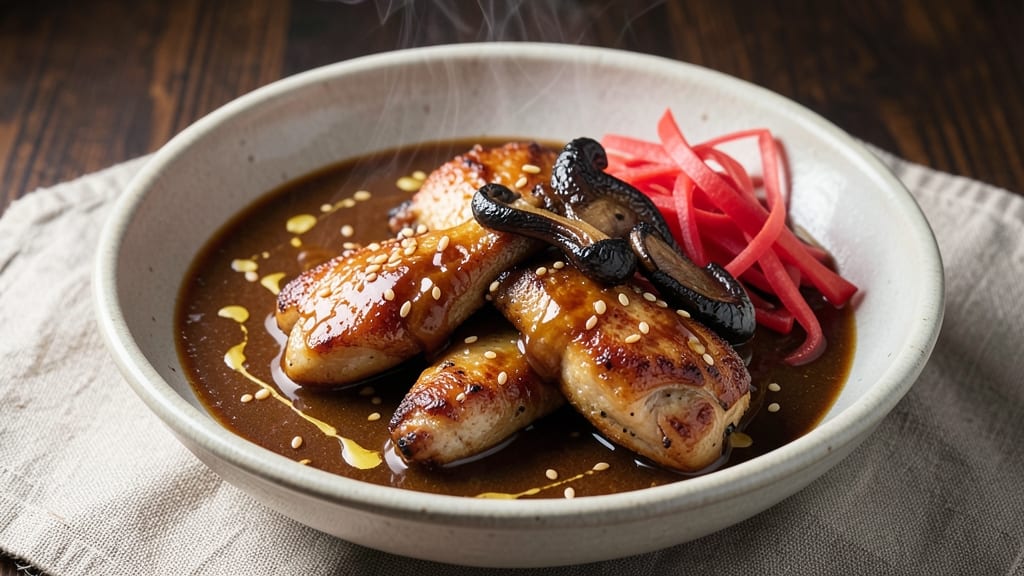
Creating Bachan's Japanese BBQ sauce transforms ordinary grilled meats into restaurant-quality masterpieces with just a few pantry staples. This sauce delivers that signature smoky-sweet depth that makes Japanese BBQ stand out—no specialty ingredients required.
I developed this version after years of testing, ensuring it delivers the same bold flavor whether you're glazing yakitori or drizzling over grilled vegetables.
The secret lies in balancing mirin's brightness with soy sauce's umami, while sugar caramelizes into a rich glaze. We'll build layers of flavor through careful reduction, creating a sauce that's both versatile and deeply satisfying.
What makes this recipe work is how it transforms simple ingredients into something extraordinary with minimal effort.
By the end, you'll have a glossy, aromatic sauce that adds depth to any dish—whether you're grilling chicken, searing fish, or even using it as a marinade.
The best part? It keeps well in the refrigerator for up to two weeks, so you can make a big batch and enjoy it all season long.
Perfect for weeknight dinners or special occasions, this sauce elevates everyday cooking with professional-quality results. Let's get started on creating your own batch of this flavorful essential.
Ingredients for bachan's japanese bbq sauce
Pantry staples meet umami magic in this smoky-sweet Japanese BBQ sauce.
| Ingredient | Amount | Notes |
|---|---|---|
| White Miso Paste 🧈 | ½ cup | Aged white miso for sweetness |
| Mirin 🍶 | ½ cup | High-quality, non-alcoholic preferred |
| Light Soy Sauce 🥢 | ½ cup | Kikkoman or similar |
| Dark Brown Sugar 🍚 | ½ cup | Packed, for caramelization |
| Rice Vinegar 🍶 | ¼ cup | Seasoned preferred for depth |
| Sesame Oil 🥜 | 1 tbsp | Toasted, for nutty aroma |
| Fresh Ginger 🌿 | 1 tbsp | Grated, for zesty kick |
| Garlic Cloves 🧄 | 3 cloves | Minced, for aromatic base |
| Water 💧 | ¼ cup | For thinning consistency |
| Diamond Crystal Kosher Salt 🧂 | ½ tsp | For balancing flavors |
The miso is the heart of this sauce—aged white miso delivers that signature sweetness without overpowering. Marukome or Hekoten brands from Asian markets are my go-tos, but the tubs at Trader Joe's work in a pinch. Fresh ginger and garlic? Buy organic if possible—their brightness shines through. The brown sugar should be packed; don't scoop it loosely. For the mirin, avoid the cheap stuff—it's the secret to that authentic tang. If you can't find seasoned rice vinegar, just add a pinch of sugar to regular vinegar.
No mirin? Substitute 2 tbsp sugar plus 2 tbsp water—it won't be identical, but it'll work. Sesame oil out of stock? Toasted sesame seeds at half the amount add texture instead. The sauce reduces significantly, so if you're nervous about consistency, start with slightly less water. For a deeper smoky flavor, add 1/2 tsp smoked paprika at the end. And if you're using this as a marinade, reserve 1/4 cup of the finished sauce to baste with while grilling—game changer.
This sauce thickens as it cools, so thin with a splash of water if needed before using. Keeps in the fridge for 2 weeks in an airtight jar, or freeze for 6 months. I double the batch every time—one for immediate use, one for the freezer. For leftovers, reheat gently on the stove with a splash of water to restore glossiness. The flavor actually improves after a day or two as everything melds together.
Why You'll Love This Recipe
- Pantry Magic: The miso and mirin do all the work—no fancy techniques, just stir and simmer. I’ll be real: I’ve burned complicated sauces before, but this one forgives mistakes. Five ingredients, one pot, and you’re golden.
- Umami Bomb: That first spoonful of miso and soy? Chef’s kiss. The sugar balances the salt, the vinegar brightens it up—it’s sweet, savory, and just a little tangy without trying too hard. Honestly, I’ve made BBQ sauces that tasted like syrup or salt licks, but this one hits every note.
- Glazes Everything: Grill marks on chicken? Done. Tossed with tofu? Even better. Drizzled over rice? Suddenly fancy. My daughter dips her fries in it like it’s ketchup, but I’m using it for marinades now. It’s the kind of sauce that makes you rethink what you can eat.
- Lasts All Week: A little goes a long way, so I make a big batch and keep it in the fridge. No sad leftovers here—it just gets better over time as the flavors meld. Plus, the cost? A fraction of store-bought. My wallet and I both win.
Step-by-step instructions for bachan's Japanese BBQ sauce
This umami-rich glaze balances sweetness, salt, and smoky depth using just 10 pantry staples.
Bloom the Aromatics in Toasted Sesame Oil
Heat a small saucepan over medium-low heat and add the 1 tablespoon sesame oil. Let it warm for 30 seconds until fragrant but not smoking. Add the 3 minced garlic cloves and 1 tablespoon grated fresh ginger, stirring constantly for 1 minute until the garlic turns golden and aromatic.
This step unlocks the sauce's complexity—the toasted sesame oil carries nutty warmth while the ginger and garlic develop their natural oils. If the oil starts to smoke, immediately reduce the heat to low and let it settle. These aromatics form the flavor foundation, so don't rush this process.
Combine Wet Ingredients and Simmer
Increase heat to medium and add the 0.5 cup mirin, 0.5 cup light soy sauce, 0.5 cup dark brown sugar, and 0.25 cup rice vinegar. Stir continuously for 3-4 minutes until the sugar begins to dissolve and the mixture thickens slightly. You'll notice the sauce darken as the sugar caramelizes.
Here's where the magic happens: the mirin adds subtle sweetness while the rice vinegar brightens the profile. The soy sauce provides that essential umami backbone. Keep stirring to prevent scorching—you want the sauce to simmer gently, not bubble aggressively. If it starts to stick, add 1 tablespoon water to help it flow.
Incorporate Miso and Water for Balance
Reduce heat to low and whisk in the 0.5 cup white miso paste and 0.25 cup water. Simmer for 5-7 minutes, stirring frequently, until the mixture reaches a smooth, glossy consistency. The sauce should coat the back of a spoon but still flow freely when drizzled.
The miso introduces that signature Japanese depth while the water prevents the sauce from becoming too thick. You'll see the color deepen to a rich amber as the miso integrates completely. Taste at this stage—you should detect sweetness from the sugar and mirin, saltiness from the soy and miso, and a subtle tang from the vinegar.
Season and Rest for Maximum Flavor
Remove from heat and stir in the 0.5 teaspoon diamond crystal kosher salt. Let the sauce cool to room temperature, which allows the flavors to meld more fully. If you prefer a thinner consistency, add 1 tablespoon water at a time until it reaches your desired pour.
This resting period is crucial—it lets the miso's enzymes develop their full complexity and the sugar's caramelization deepen. The sauce will thicken slightly as it cools, so don't be tempted to add extra water immediately. For best results, let it sit for at least 30 minutes before using, though it will keep in the refrigerator for up to 2 weeks.
Pro Tips For Making Bachan'S Japanese Bbq Sauce
- Simmer Low and Slow: This sauce isn’t a race—after mixing everything, keep the heat at a gentle simmer (just bubbles breaking occasionally) for 10-15 minutes. I learned the hard way that boiling it turns the miso bitter and the sugar grainy. Let it breathe, and the flavors meld like they should.
- Whisk the Miso First: Before adding anything else, mix the white miso paste with the mirin and a splash of rice vinegar until it’s completely dissolved. I used to just dump it in, and the sauce always ended up clumpy. This step guarantees a smooth, glossy finish—no scraping later.
- Skip the Granulated Sugar: Dark brown sugar isn’t just for color—its molasses depth makes this sauce sing. If you’re tempted to swap for white sugar, resist. The texture and caramel notes change completely, and you’ll taste the difference the second it hits your tongue.
- Strain for Smoothness: After simmering, let the sauce cool slightly, then strain it through a fine-mesh sieve. The miso can leave tiny gritty bits, and while they’re harmless, a silky sauce elevates everything it glazes. Takes 30 seconds—worth every second.
Flavor customization for bachan's japanese bbq sauce
Spicy Kick Variations
For heat lovers, add 1-2 tablespoons of gochujang (Korean chili paste) or 1 teaspoon of chili crisp at the very end—this adds smoky spice without overpowering. I like to balance it with an extra ½ teaspoon of sugar to keep the sweetness in check.
If you're using fresh chili peppers, blend 1-2 Thai bird's eye peppers with the ginger and garlic for a fiery punch. 🌶️
Smoky Depth Boosters
For that authentic Japanese BBQ smokiness, stir in ½ teaspoon of liquid smoke (like Colossal liquid smoke) or add 1-2 tablespoons of grilled sesame seeds at the end.
I also like toasting ½ teaspoon of smoked paprika in the sesame oil before adding the aromatics—this gives a subtle charred flavor without overpowering the sauce.
Sweet-Tangy Balance
If you prefer a tangier sauce, increase the rice vinegar to ¼ cup plus 1 tablespoon and reduce the sugar slightly to ⅓ cup. For extra sweetness, swap ¼ cup of the mirin for honey or agave.
I find that Trader Joe's honey adds a nice floral note that complements the umami perfectly.
Umami Bomb Additions
For a deeper umami punch, stir in 1 tablespoon of dashi powder (like Hondashi) or 1 teaspoon of fish sauce at the end. If you're a fan of miso soup, you can even add an extra 1 tablespoon of red miso for a richer, slightly funkier flavor.
Just remember, these additions will make the sauce even more potent, so start small and adjust to taste.
Herbal Freshness Twist
Brighten the sauce with 1 tablespoon of chopped fresh cilantro or shiso leaves at the end. I like adding ½ teaspoon of grated lemon zest for a citrusy lift that cuts through the richness. These additions work beautifully if you're using the sauce on grilled seafood or vegetables. 💫
Thicker or Thinner
Want a thicker glaze for dipping or a thinner marinade? Adjust the water—reduce to ¼ cup for a thicker sauce or increase to ⅓ cup for a thinner one. If you're using it as a marinade, I recommend thinning it slightly so it penetrates the meat better.
For a thicker version, simmer the sauce uncovered for an extra 5 minutes to reduce it further.
Nutrition facts
Frequently asked questions
What makes this Japanese BBQ sauce different from regular teriyaki?
This sauce builds deeper umami layers through white miso paste and soy sauce combination, plus the caramelized sugar creates a glossy glaze rather than teriyaki's thinner consistency. The toasted sesame oil and ginger add aromatic complexity that traditional teriyaki often lacks.
Can I use this sauce as a marinade for non-meat dishes?
It works beautifully on tofu, mushrooms, or even grilled vegetables. For best results, thin the sauce with 1-2 tablespoons water per ½ cup sauce to help it penetrate the food. The umami depth makes it perfect for plant-based grilling.
Why does my sauce turn out too thick or too thin?
Sauce consistency changes as it cools. If too thick, add 1 tablespoon water at a time while warm. Too thin? Simmer uncovered for 2-3 extra minutes to reduce. The recipe accounts for cooling—don't adjust thickness until completely cooled.
How long should I marinate meat in this sauce?
For chicken or fish, 30-60 minutes is ideal. For tougher cuts like pork, marinate 2-4 hours in the fridge. Never marinate longer than 6 hours as the acidity can make meat mushy. Always reserve ¼ cup to baste while grilling!
What's the best way to store leftovers?
Transfer to an airtight jar and refrigerate for up to 2 weeks. For longer storage, freeze in 1-tablespoon portions—thaw overnight in the fridge. Reheat gently on low heat with a splash of water to restore glossiness. The flavor actually improves after 24 hours as ingredients meld!