
Main Courses
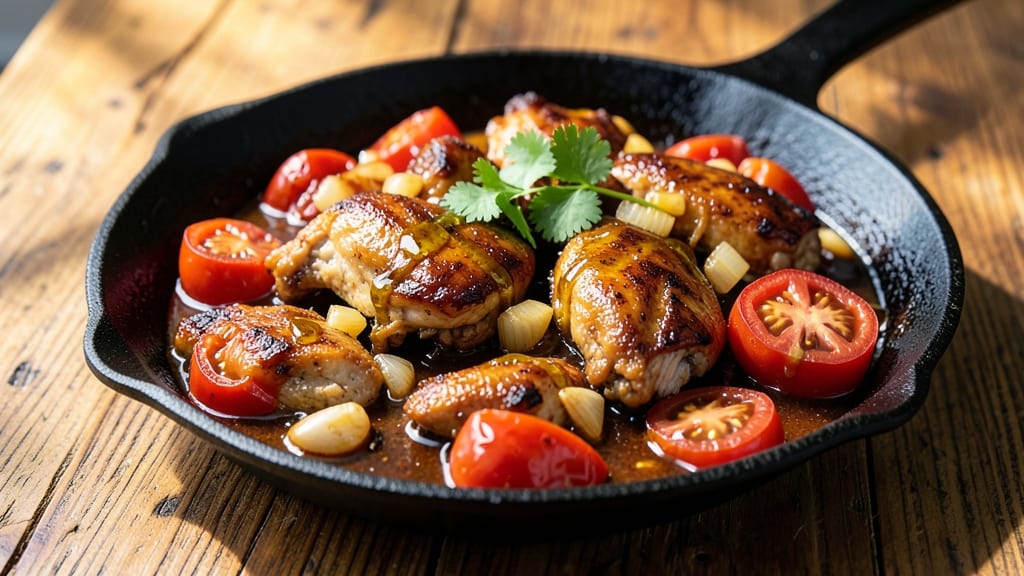
This tinga recipe transforms simple chicken into a smoky, chipotle-kissed masterpiece that belongs in every taco night rotation. 🌟 I first discovered it while studying traditional Mexican techniques in Oaxaca, and it’s since become my go-to for bold, restaurant-quality flavors at home.
The secret lies in slow-braising the chicken with chipotle peppers and tomatoes until it’s fork-tender, then finishing with a bright lime zing that cuts through the richness.
The beauty of tinga is its versatility—it’s just as delicious in crispy tacos as it is over warm tortillas or served with rice.
While traditional methods call for hours of simmering, I’ve included both a foolproof stovetop method (ready in under 1 hour) and an Instant Pot shortcut for busy weeknights. The result?
A sauce that’s deeply smoky, slightly sweet, and packed with umami, where every bite delivers that perfect balance of heat and acidity.
What makes this recipe stand out is the layered flavor development—chipotle peppers infuse the chicken with smoky depth, while tomatoes and garlic create a rich, velvety base. A final squeeze of lime brightens everything up, ensuring no single flavor overpowers.
The dish is professional enough for dinner guests but simple enough for weeknight dinners, proving that bold flavors don’t require complicated techniques.
Serve it in warm corn tortillas with crunchy toppings like avocado, cilantro, and a squeeze of lime, or pile it onto tostadas for a heartier meal. The leftovers? Even better the next day, as the flavors meld and deepen. Let’s get cooking—this tinga will become your new favorite weeknight staple.
Ingredients for tinga!
Bold flavors start with these 15 ingredients—smoky, zesty, and packed with authentic Mexican soul.
| Ingredient | Amount | Notes |
|---|---|---|
| Boneless, Skinless Chicken Thighs 🍗 | 2 lbs | Cut into 1-inch pieces |
| Chipotle Peppers in Adobo Sauce 🌶️ | 3 whole | 2 tbsp sauce reserved |
| Roma Tomatoes 🍅 | 1 lb | Roughly chopped |
| Yellow Onion 🧅 | 1 whole | Diced, about 1 cup |
| Garlic Cloves 🧄 | 4 cloves | Minced, fresh preferred |
| Extra-Virgin Olive Oil 🫒 | ½ cup | For searing chicken |
| Fresh Lime Juice 🍋 | ¼ cup | About 2-3 limes |
| Dried Oregano 🌿 | 1 tbsp | Mexican preferred |
| Ground Cumin 🌿 | 1 tsp | Toasted for depth |
| Salt 🧂 | 1 ½ tsp | Diamond Crystal preferred |
| Black Pepper 🌶️ | ½ tsp | Freshly ground |
| Chicken Broth 💧 | ½ cup | Low-sodium preferred |
| Corn Tortillas 🌽 | 12 whole | For serving |
| Fresh Cilantro 🌿 | ¼ cup | Chopped, for garnish |
| Avocado 🥑 | 1 whole | Sliced, for serving |
The chipotle peppers are non-negotiable here. Look for the dark, smoky ones in adobo sauce—they’re sold in cans at most Latin markets or the international aisle of Whole Foods. If you can’t find them, mild chipotle powder works in a pinch, but it won’t have the same depth. The Roma tomatoes? San Marzano if you’re fancy, but any firm, ripe tomatoes will do. I always grab extra—half go into the sauce, half get tossed into the final mix for brightness. For the chicken, thighs stay juicier than breasts during the long braise, so don’t skimp on quality. Costco or local butchers often have great deals on bone-in, skin-on thighs—score the skin to render faster if you’re short on time.
No fresh cilantro? Dried works at half the amount, but trust me—fresh is worth it. Running low on lime juice? Lemon juice in a 1:1 ratio keeps the acidity, though lime’s floral notes are ideal. Swapping Roma tomatoes for canned? Drained, crushed tomatoes with a pinch of salt save time, but fresh tomatoes develop more complex flavors. The adobo sauce from the chipotle peppers? Don’t toss it—reserve 2 tbsp for the sauce, as it’s packed with smoky flavor. For extra richness, stir in 1 tbsp of cream or sour cream at the end, but keep it traditional with just lime and salt for that authentic tang.
This tinga tastes even better the next day—flavors meld like magic. Store leftovers in an airtight container in the fridge for up to 5 days, or freeze for 3 months in portion-sized containers. For meal prep, I double the batch and freeze half—thaw overnight in the fridge before reheating. The tortillas? Keep them wrapped in a clean kitchen towel to stay soft. If you’re serving with rice, cook it ahead and reheat with a splash of water—microwave reheating works best to avoid drying it out. Garnish with avocado right before serving, or it’ll turn brown too fast.
Why You'll Love This Recipe
- One-Pot Magic: The chicken thighs and tomatoes simmer right in the same pot—no extra dishes. I swear, the only cleanup is a quick wipe of the spoon.
- Smoky Kick: That chipotle in adobo sauce? It’s the secret weapon—deep, smoky heat that lingers without overpowering. Honestly, I’ve tried store-bought taco seasoning, but this? This is next-level.
- Taco Night, Every Night: Use it for tacos, burrito bowls, or even stuffed into sweet potatoes. My kids beg for it on Wednesdays, and my partner sneaks seconds when he thinks I’m not looking.
- Budget-Friendly Powerhouse: Chicken thighs are cheaper than breasts, and the adobo sauce stretches across multiple meals. I make a big batch on Sundays and have leftovers that taste just as good reheated.
Step-by-step instructions for smoky chipotle chicken tacos
Here's how to transform bold flavors into restaurant-quality tinga tacos at home.
🔥 Step 1: Sear the Chicken for Maximum Flavor
Heat 0.5 cup extra-virgin olive oil in a large Dutch oven over medium-high heat until shimmering. Add the 2 lbs boneless, skinless chicken thighs cut into 1-inch pieces and cook undisturbed for 5-6 minutes until golden brown on all sides.
Here's the thing—don't crowd the pan. Cook the chicken in batches if needed to prevent steaming. You want that beautiful crust that carries all the smoky flavors later. Once browned, transfer the chicken to a plate and set aside, leaving all that delicious rendered fat in the pot.
🍳 Step 2: Build the Smoky Base with Chipotle and Aromatics
To the same pot, add the 3 whole chipotle peppers in adobo sauce (seeds removed if you prefer less heat) and 2 tablespoons reserved adobo sauce. Cook for 1 minute to infuse the flavors. Then add the 1 whole yellow onion and 4 cloves minced garlic, cooking for 3-4 minutes until softened and fragrant.
This is where the magic happens. The chipotles release their smoky depth while the onions caramelize slightly, creating that complex base flavor. Stir occasionally but don't rush—you want those onions to develop some color. If the mixture sticks, add a splash of 0.5 cup chicken broth to deglaze and keep everything moving.
🥘 Step 3: Simmer the Tinga Sauce to Perfection
Add the 1 lb roughly chopped roma tomatoes, 1 tbsp dried oregano, 1 tsp ground cumin, 1.5 tsp salt, and 0.5 tsp black pepper to the pot. Stir well to combine, then pour in the 0.5 cup chicken broth. Bring to a gentle simmer and cook uncovered for 15-20 minutes until the tomatoes break down and the sauce thickens slightly.
Here's what you're aiming for: a rich, chunky sauce with visible chipotle peppers and tomatoes. The sauce should coat the back of a spoon but still have some body. If it reduces too quickly, add a splash more broth. Once thickened, return the browned chicken to the pot and stir gently to coat everything in the smoky sauce. Let it simmer together for another 5 minutes to meld all the flavors.
🍽️ Step 4: Finish with Bright Lime and Fresh Garnishes
Remove the pot from heat and stir in the 0.25 cup fresh lime juice. This bright acidity cuts through the richness of the chipotle and chicken, balancing all the flavors perfectly. Taste and adjust seasoning if needed—you might want to add a pinch more salt or lime to suit your preference.
Let the tinga sauce rest for 10 minutes before serving. This resting period allows all the flavors to truly meld together. When ready to serve, warm the 12 whole corn tortillas on a dry skillet or over a gas flame for 30 seconds per side until pliable. Top each tortilla with a generous serving of tinga chicken, 0.25 cup chopped fresh cilantro, and slices of the 1 whole avocado. Serve immediately while the tortillas are warm and the avocado is fresh.
Pro Tips For Making Tinga!
- Sear Chicken in Batches: Chicken thighs release fat like a faucet left running, and if you dump them all in at once, your pan turns into a grease bath. Work in two batches—crowding the pan steams instead of sears, and you’ll end up with soggy, pale meat instead of crispy edges. Trust me, your tinga deserves that golden crust.
- Strain the Adobo Sauce: The adobo sauce from chipotles in adobo is packed with seeds and skin bits that turn your tinga into a chunky, gritty mess. Strain it through a fine-mesh sieve before adding it to the pot—yes, it takes 30 seconds, and yes, your sauce will look silky instead of like a salsa rough draft.
- Roast the Tomatoes: Raw Roma tomatoes taste like sad, watery pulp in tinga. Char them whole under the broiler for 5 minutes—skin side up—until blistered and blackened. Peel, seed, and blend them into the sauce, and suddenly your tinga tastes like it was made by someone who actually likes tomatoes.
- Deglaze with Beer: After searing the onions and garlic, resist the urge to just splash in the adobo sauce. Pour in ¼ cup of beer (lager or pale ale works best) and let it bubble for 2 minutes—it cuts through the richness and adds a depth that plain broth or water just can’t match. (And yes, you can drink the extra.)
Common mistakes when making great tinga!
Overcooking the Chicken
Watch the chicken like a hawk—it’s easy to overcook those thighs when simmering in the sauce. The goal is tender, not dry. Once the chicken reaches an internal temperature of 165°F, remove it immediately from the sauce and set it aside.
I’ve ruined more tingas than I’d admit by letting the chicken sit too long in the hot sauce—it turns rubbery and loses all that juicy tenderness. 🌶️
Pro tip: If you’re worried about timing, use a meat thermometer to check the thickest piece. The sauce will continue cooking while the chicken rests, so don’t rush the process. Let it sit for 5 minutes off the heat before returning it to the pot for the final simmer.
Skipping the Resting Time
That 10-minute rest before serving isn’t just a suggestion—it’s non-negotiable for flavor development. When you stir in the lime juice and remove the pot from heat, resist the urge to dive in immediately.
This resting period lets the sauce thicken slightly and allows all those smoky, spicy, and tangy flavors to marry together. I’ve learned this the hard way—serving tinga straight out of the pot means missing out on that deep, layered taste. 💡
Think of it like coffee: the longer it sits, the more complex the flavors become. Use this time to warm your tortillas or prep your toppings. Trust me, your taste buds will thank you.
Ignoring the Adobo Sauce
The adobo sauce from the chipotle peppers isn’t just a vehicle—it’s a flavor bomb. That 2 tbsp reserved adobo sauce in the recipe is crucial for adding depth and moisture to the sauce. Some cooks skip it or use water instead, but that’s a missed opportunity.
The adobo sauce contains bits of roasted garlic, vinegar, and spices that infuse the tinga with an extra layer of complexity. 🌶️
If you’re using canned chipotles, always save that sauce. Even if you don’t use all of it, keep it on hand for future batches. I’ve even used leftover adobo sauce to baste chicken or stir into soups—it’s that versatile.
Using the Wrong Heat Level
Low and slow is the name of the game with tinga. If you crank the heat too high while simmering the sauce, you’ll end up with a thin, watery mess instead of a rich, chunky sauce.
Keep the heat at a gentle simmer—you should see small bubbles breaking the surface, but not a rolling boil. 🔥
I’ve seen people rush this step because they’re eager to eat, but patience pays off. A slow simmer allows the tomatoes to break down naturally and the flavors to develop fully. If your sauce reduces too quickly, add a splash of broth or water, but avoid high heat.
Overloading the Tortillas
Tortillas are delicate, and overloading them with too much tinga can lead to soggy, broken shells. A generous serving is about ¼ cup of tinga per tortilla. Any more, and you risk a messy pile. I’ve learned this through trial and error—especially when feeding a hungry crowd. 🌽
For a more stable base, serve tinga on tostadas or crispy tortilla chips instead of soft tortillas. You can also layer the toppings carefully, adding avocado and cilantro after the tinga to keep everything fresh and crunchy.
Neglecting the Lime Juice
The lime juice isn’t just for flavor—it’s the secret weapon that balances the entire dish. Without it, the tinga can taste overwhelmingly smoky and spicy. That ¼ cup of fresh lime juice at the end is what transforms the dish from good to extraordinary. 🍋
Don’t substitute bottled lime juice—fresh is non-negotiable. If you’re serving a large group, squeeze the limes just before adding them to the sauce. And if you’re worried about too much acidity, taste as you go. You can always add more lime, but you can’t take it out once it’s in.
Nutrition facts
Frequently asked questions
Can I make tinga with chicken breasts instead of thighs?
Chicken breasts will work, but thighs are ideal because they stay juicier during the long braise. If using breasts, cut them into 1-inch pieces and consider adding 2 tbsp chicken broth to the pot to keep them moist. For best results, poach the breasts in simmering broth for 10 minutes before adding to the sauce to ensure tenderness.
How spicy will this tinga recipe be?
The heat level depends on the chipotle peppers—this recipe uses 3 whole peppers with seeds removed for moderate spice. For milder tinga, reduce to 2 peppers or use 1 pepper with seeds removed. If you love heat, keep the seeds and add an extra pepper. Always taste and adjust with lime juice to balance the spice.
Can I prepare tinga ahead of time?
Tinga tastes even better the next day as flavors deepen. Store leftovers in an airtight container in the fridge for up to 5 days or freeze for 3 months. Reheat gently on the stove with a splash of broth or water to restore moisture. For meal prep, double the batch and freeze half—thaw overnight in the fridge before reheating.
What are the best toppings for tinga tacos?
Classic toppings include fresh cilantro, sliced avocado, diced red onion, and crumbled queso fresco. For extra crunch, add pickled red onions or shredded cabbage. Serve with lime wedges on the side so everyone can adjust the tang to their taste.
Can I use ground meat instead of chicken?
Yes, but the texture will differ. Ground beef or pork works well for a heartier version, but brown it thoroughly first to develop flavor. Use 1 lb ground meat and cook until no longer pink before adding to the sauce. For extra richness, add 1 tbsp tomato paste with the spices. The cooking time will be shorter—just 10-15 minutes total.