
Desserts
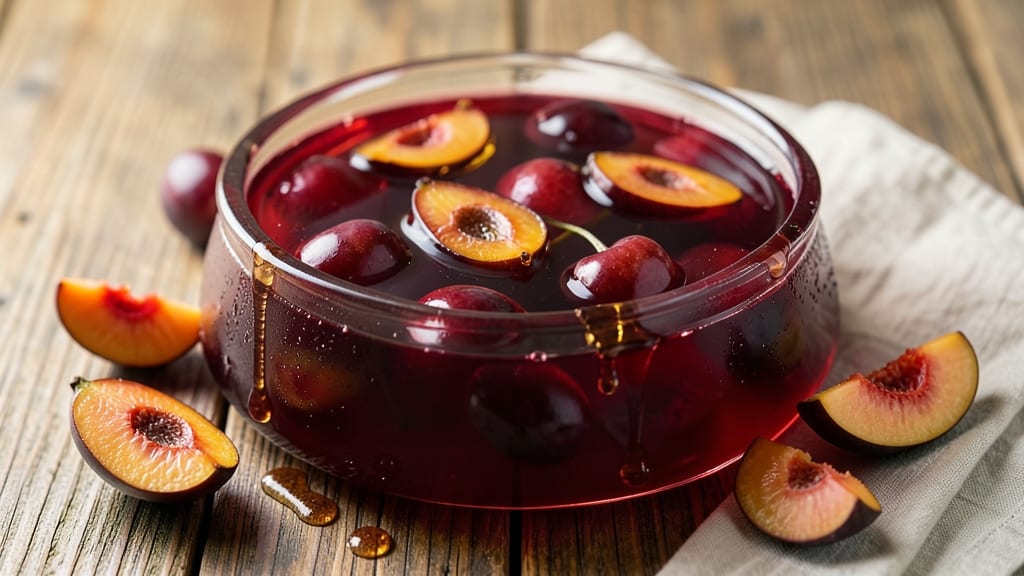
Creating a sugar plum jelly recipe for holiday pastries transforms ordinary desserts into showstopping masterpieces. The delicate balance of tart cherries and sweet plums creates a vibrant glaze that adds elegance to cakes, trifles, and even cheese boards.
This traditional method requires no added pectin—just ripe fruit, sugar, and time to develop that signature glossy finish.
The process begins with simmering fruit until it breaks down into a luscious puree, then straining to achieve a smooth, seed-free texture.
A slow reduction on the stove ensures the jelly thickens properly without crystallizing, while proper storage in the refrigerator preserves its vibrant color and delicate flavor for up to two weeks. The result is a jewel-toned glaze that drizzles like liquid holiday magic.
This jelly isn’t just for show—it enhances every bite with its natural tartness and subtle spice notes. Use it to glaze holiday cookies, layer in trifles, or drizzle over vanilla ice cream for a sophisticated dessert experience.
The recipe scales perfectly for both small batches and large gatherings, making it equally ideal for family traditions or festive entertaining.
What makes this recipe truly special is its versatility beyond the kitchen. The jelly’s rich color and fruity depth elevate even simple pastries, while its natural sweetness balances rich holiday flavors.
Whether you’re a seasoned baker or new to jelly-making, this method delivers professional results with minimal effort—just time and patience.
Ingredients for sugar plum jelly
Ripe fruit and simple spices create this jewel-toned holiday glaze for pastries.
| Ingredient | Amount | Notes |
|---|---|---|
| Fresh Plums 🍑 | 1 ½ lb | Pitted, ripe, and firm |
| Fresh Tart Cherries 🍒 | 1 lb | Pitted, dark red variety |
| Granulated Sugar 🍚 | 3 cups | White or light brown |
| Lemon Juice 🍋 | ½ cup | Freshly squeezed |
| Water 💧 | 1 cup | Filtered preferred |
| Vanilla Bean 🌿 | 1 whole | Split lengthwise for seeds |
| Ground Cinnamon 🌶️ | ½ tsp | Freshly ground preferred |
| Ground Cloves 🌿 | ¼ tsp | Lightly toasted |
| Salt 🧂 | ¼ tsp | Fine sea salt |
| Unsalted Butter 🧈 | 2 tbsp | Cold, cubed for finishing |
The fruit quality is everything here. Look for plums and cherries at their peak ripeness—slightly soft to the touch but not mushy. Local farmers markets often have the freshest fruit in late summer and early fall, but grocery store varieties like Santa Rosa plums or Bing cherries work beautifully. Avoid overripe fruit with fermented smells—it’ll make your jelly taste off. For the spices, Penzeys Spices sells pre-ground cinnamon and cloves that stay potent longer than grocery store options. Toast the cloves lightly in a dry pan for 30 seconds to deepen their aroma—trust me, it makes a difference.
No vanilla bean? Pure vanilla extract at half the amount works in a pinch, though it lacks those little specks of magic. Running short on cherries? Substitute blackberries or raspberries—they’ll bring a different tartness but still shine. The sugar can be swapped for turbinado or coconut sugar for subtle flavor variations, though white sugar gives the cleanest, most professional finish. If you’re making this ahead, pre-pit the fruit and store it in the fridge for up to 3 days before using—saves time later. The butter at the end adds a luxurious sheen, so don’t skip it (even if it’s just for show).
This jelly keeps beautifully in the fridge for up to 2 weeks when stored in a clean, airtight jar. For longer storage, freeze it in ice cube trays—each cube makes a perfect single-serving drizzle. The color will darken slightly over time, but the flavor stays vibrant. Reheat gently in a small saucepan or microwave until just warm—never boil, or it’ll skin over. The jelly thickens as it cools, so if it seems too runny when warm, let it sit at room temperature for 10 minutes before using. Perfect for gifting too—just tie a ribbon around the jar and call it a day.
Why You'll Love This Recipe
- Fruit Pairs Like Magic: I swear, the combo of ripe plums and tart cherries—just simmered with sugar and lemon—creates this perfect balance. Sweet enough to satisfy, but that bright cherry tang keeps it from tasting cloying. (Honestly, I’ve made plum jelly before, but this? This is next-level.)
- No-Fuss Simmering: You don’t need fancy tools—just a big pot, a wooden spoon, and about 20 minutes of hands-off time. Toss in the fruit, add water and sugar, and let it bubble until it’s thick enough to coat a spoon. That’s it. (Yes, even on a Tuesday night.)
- Jars Full of Versatility: Slather it on toast for breakfast, drizzle it over yogurt, or serve it with cheese at a picnic—this jelly works everywhere. I’ve even used it as a glaze for roasted chicken, and suddenly, everything feels a little more special.
- Budget-Friendly Luxury: Fresh fruit can be pricey, but when you’re using plums and cherries at their peak (or even frozen in a pinch), you’re stretching every bit. A big batch costs less than store-bought, and it tastes like summer in every jar. (Between us, I make it twice a year and still can’t resist buying more.)
Step-by-step instructions for sugar plum jelly
Transform seasonal fruit into a rich, aromatic glaze perfect for holiday pastries and desserts.
Prepare the Fruit Base
In a large, heavy-bottomed pot, combine the 1.5 lb fresh plums and 1 lb fresh tart cherries. Cut them into quarters, removing any remaining pits. Add the 0.5 cup lemon juice and 1 cup water to the pot. The acidity from the lemon juice helps preserve color and brighten the fruit flavors.
Bring the mixture to a boil over medium-high heat, then reduce to a simmer. Let it cook uncovered for 20-25 minutes, stirring occasionally, until the fruit breaks down into a thick, jam-like consistency. You'll know it's ready when the mixture reduces significantly and the fruit releases its juices freely. This step is crucial for developing the jelly's depth of flavor and texture.
Sweeten and Spice the Mixture
Once the fruit has broken down, gradually whisk in the 3 cups granulated sugar. Stirring constantly prevents grainy sugar from forming at the bottom of the pot. Return the mixture to a boil over medium heat, then reduce to a gentle simmer again.
Add the split vanilla bean and its seeds, along with the 0.5 tsp ground cinnamon, 0.25 tsp ground cloves, and 0.25 tsp salt. Simmer for 20-25 minutes, stirring frequently to prevent sticking. The spices will infuse the jelly with warm, aromatic notes that complement the fruit perfectly. You'll see the mixture thicken further as it cooks, and the aroma will fill your kitchen with a festive scent.
Refine the Texture
After simmering, remove the vanilla bean from the mixture using a slotted spoon. Discard the bean or save the seeds for another recipe. Transfer the jelly to a blender or food processor and blend until completely smooth. This step ensures a silky, glossy finish that will coat pastries beautifully.
Return the jelly to the pot and continue cooking over low heat for an additional 10-15 minutes. You're looking for a thick, syrupy consistency that coats the back of a spoon. If it thickens too much, add 1-2 tablespoons of water to adjust the texture. The jelly should be glossy and hold its shape when drizzled, but still pourable for easy application.
Finish and Store
Remove the pot from heat and stir in the 2 tbsp cold, cubed unsalted butter. This adds richness and helps stabilize the jelly for a smoother finish. Let the mixture cool slightly, then transfer it to a clean, airtight container. The jelly will thicken further as it cools, so don't worry if it looks slightly runny while warm.
Allow the jelly to cool completely at room temperature, then refrigerate for at least 2 hours before using. This resting period ensures the flavors meld perfectly and the texture is ideal for drizzling over pastries, cakes, or fruit tarts. The jelly will keep in the refrigerator for up to 2 weeks, making it a perfect make-ahead treat for holiday gatherings.
Pro Tips For Making Sugar Plum Jelly
- STRAIN TWICE, PATIENCE ONCE: The first strain catches big chunks, but the second—after simmering 10 minutes longer—grabs the fine pulp that turns cloudy jelly into crystal-clear perfection. I learned this the hard way when my first batch looked like peach-colored soup.
- PIT THE PLUMS: Cut a shallow X on the bottom of each plum—just deep enough to expose the pit without breaking the skin. This lets the fruit soften faster and release more juice, so you’re not left scraping the bottom of the pot like a frustrated archaeologist.
- SUGAR IN STAGES: Add half the sugar upfront, then the rest only after the fruit’s broken down. Dumping all 2 cups at once risks grainy jelly, and trust me, you don’t want to fish out sugar crystals with a fork later.
- LEMON JUICE NOW, NOT LATER: Squeeze that lemon juice into the hot mixture immediately after straining. The acid works best when the pectin’s still active—wait too long, and you’re just flavoring lukewarm syrup. (Yes, even if you’re impatient like me.)
Regional styles of this sugar plum jelly
German Christmas Tradition
In Germany, sugar plum jelly is a staple during the Christmas season, often drizzled over Stollen or Lebkuchen cookies. The Germans call this jelly "Zwetschgenmarmelade" when made with plums, and it’s traditionally flavored with cinnamon and cloves—just like this recipe.
I’ve noticed that German bakers often add a splash of rum or brandy (about 1 tbsp) for depth, though I keep it optional here for flexibility. 🎄
French Macaron Glaze
French pastry chefs use a similar plum-cherry glaze to elevate macarons, particularly those with raspberry or pistachio fillings. The key difference? They often strain the jelly through a fine-mesh sieve twice for an ultra-smooth finish, then tint it with natural beet juice for a vibrant pink hue.
I’ve found that adding ½ tsp almond extract to the jelly before the final reduction enhances the nutty undertones that pair beautifully with macarons. 🍰
Italian Panettone Drizzle
In Italy, this jelly is called "gelatina di prugne" and is a must-have for Panettone during the holiday season. Italians often infuse the jelly with orange zest (about 1 tsp) and a pinch of cardamom for a bright, citrusy twist.
The jelly is typically served at room temperature, so I recommend reheating it gently in a small saucepan with 1 tbsp water to restore its glossy texture before drizzling. 🍊
Scandinavian Julbord Spread
During Sweden’s Julbord (Christmas smorgasbord), this jelly is served as a sweet accompaniment to cheese plates and cold cuts. The Scandinavians prefer a slightly tart-leaning version, so they reduce the sugar to 2.5 cups and add an extra 0.25 cup lemon juice.
I’ve also seen them top the jelly with crushed almonds or toasted hazelnuts for crunch. The jelly’s natural acidity cuts through rich cheeses like Gouda or Brie perfectly. ❄️
American Holiday Cookie Drizzle
In the U.S., this jelly is a holiday cookie staple, especially for sugar cookies, gingerbread, and shortbread. American bakers often add a pinch of nutmeg (about ¼ tsp) and a dash of vanilla bean paste for extra richness.
The jelly is typically warmed slightly before drizzling to create a glossy finish. I’ve found that pairing it with white chocolate shavings or candied pecans takes it to the next level. 🍪
British Trifle Layer
In the UK, this jelly is a trifle essential, layered between sponge cake, custard, and whipped cream. The British version often includes a splash of port wine (about 2 tbsp) for depth, and they prefer a slightly thicker consistency for clean layers.
To achieve this, I recommend reducing the jelly by an extra 5 minutes after blending. The jelly’s vibrant color contrasts beautifully with the trifle’s creamy layers. 🏴
Nutrition facts
Frequently asked questions
Can I substitute frozen plums or cherries in this recipe?
Frozen fruit works in a pinch, but thaw it first and drain excess liquid to avoid a watery jelly. For best results, use fresh fruit—it develops deeper flavor during the 20-25 minute simmer. If using frozen, reduce simmering time by 5 minutes since frozen fruit starts softer.
Why did my jelly turn out too runny?
Runny jelly usually means it didn't reduce enough. Next time, simmer longer (up to 30 minutes total) or reduce sugar slightly to 2.75 cups for better thickening. For immediate fixes, mix 1 tsp cornstarch with 1 tbsp cold water, stir into warm jelly, and simmer 2 minutes more. Always test consistency by chilling 1 hour before finalizing.
How do I use this jelly beyond holiday pastries?
This versatile jelly works as a glaze for meatloaf or ham (reduce sugar to 2 cups for savory balance), a filling for crepes, or a sauce for pancakes. Try drizzling over vanilla ice cream with crushed amaretti cookies for dessert. The spices pair well with cheese boards—especially aged Gouda or blue cheese.
Can I make this jelly without a blender?
Yes! After simmering, press the fruit through a fine-mesh sieve using a spoon to extract all the juice. For ultra-smooth texture, rub the puree through a food mill or cheesecloth. The jelly will be slightly less glossy but still delicious. For best results, strain twice for finer consistency.
How do I adjust the sweetness for kids?
Reduce sugar to 2.5 cups and add 1 extra cup of fruit (plums or cherries) for natural sweetness. For extra kid appeal, stir in ½ tsp vanilla extract after cooling. Test sweetness before serving—kids' palates often prefer less sugar than adults. The jelly's natural tartness balances well with vanilla pudding or yogurt for serving.