
Side Dishes
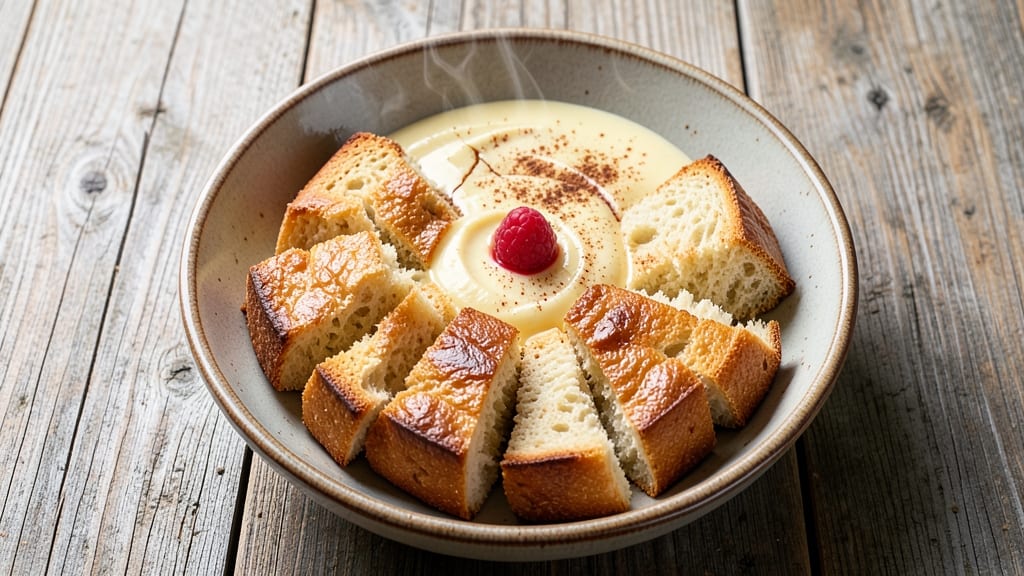
This Amish friendship bread recipe with vanilla pudding brings the warmth of tradition to your kitchen, combining layers of spiced dough with a creamy custard that feels like a homemade hug.
The bread's signature cinnamon-sugar swirls and buttery crust pair perfectly with silky vanilla pudding, creating a dessert that's both nostalgic and comforting.
I developed this version after years of perfecting the balance between the bread's tender crumb and the pudding's velvety texture—it's the kind of dessert that disappears quickly at gatherings.
The beauty of this recipe lies in its simplicity and tradition. The bread comes together with basic pantry staples and a yeast-based dough that rises beautifully, while the vanilla pudding requires just a few ingredients but delivers restaurant-quality creaminess.
Baking the bread at 350°F for about 30 minutes yields a golden loaf with crisp edges and soft centers, ready to be sliced and served warm alongside chilled pudding. This combination is a testament to Amish baking traditions, adapted for modern kitchens.
What makes this pairing truly special is the contrast of temperatures and textures—warm, spiced bread cutting through cool, creamy pudding creates a sensory experience that's hard to resist. The vanilla pudding, made with a simple custard base, is light enough to complement the bread's richness without overpowering it.
This dessert is perfect for family dinners, holiday gatherings, or whenever you need a taste of homestyle comfort.
The best part? You can prepare the pudding ahead of time and let it chill, so all you need to do is bake the bread fresh. Serve with a scoop of vanilla ice cream or a sprinkle of cinnamon for extra flair.
This recipe is a celebration of tradition, simplicity, and the joy of homemade desserts that bring people together.
Ingredients for amish friendship bread recipe with vanilla pudding
Basic pantry staples transform into nostalgic Amish friendship bread and velvety vanilla pudding.
| Ingredient | Amount | Notes |
|---|---|---|
| All-Purpose Flour 🌾 | 4 cups | Sifted for light texture |
| Granulated Sugar 🍚 | ½ cup | White or light brown |
| Unsalted Butter 🧈 | 1 cup | Cold, cubed for dough |
| Large Eggs 🥚 | 2 whole | Room temperature |
| Instant Yeast 🍞 | 2 ½ tsp | Freshly opened |
| Milk 🥛 | ½ cup | Warm, not hot |
| Salt 🧂 | 1 ½ tsp | Fine sea salt |
| Ground Cinnamon 🌿 | 1 tbsp | Freshly ground preferred |
| Vanilla Extract 🍯 | 1 tbsp | Pure, not imitation |
| Cinnamon-Sugar Mix 🍬 | ½ cup | Equal parts sugar and cinnamon |
| Heavy Cream 🥛 | 1 ½ cups | Full-fat for creaminess |
| Granulated Sugar (Pudding) 🍚 | ¾ cup | For custard base |
| Cornstarch 🌾 | 2 tbsp | For thickening |
| Vanilla Bean Paste 🍯 | 1 tbsp | Or 1 tsp vanilla extract |
| Pinch of Salt (Pudding) 🧂 | ¼ tsp | Enhances flavor |
The flour and butter are your foundation. King Arthur or Gold Medal flour gives the best rise, but any all-purpose works. Grab European-style butter if you want extra richness—it's worth the splurge for this recipe. The vanilla extract? Pure Madagascar bourbon from Trader Joe's or Penzeys makes all the difference. For the cinnamon-sugar mix, I like to toast the cinnamon sticks first (just 1 minute in a dry pan) for deeper flavor. The yeast should be fresh—check the date on the package, and if it's been sitting there for months, grab a new one.
No vanilla bean paste? Double the vanilla extract works in a pinch, though the seeds add that extra je ne sais quoi. Short on heavy cream? Whole milk plus 1 tbsp butter mimics the texture pretty well. The bread dough can handle a little extra flour if it feels sticky—just don't overdo it or you'll kill the rise. For the pudding, if you're in a rush, instant vanilla pudding mix (like Jell-O) is a lazy but tasty shortcut. The cinnamon-sugar topping? Feel free to add a pinch of nutmeg if you've got it—it plays so nicely with the vanilla.
The bread dough keeps 2 days in the fridge wrapped tightly, and the pudding stays fresh for 4 days in the fridge. For the bread, bake it fresh for the best texture—it's not something you want to reheat. The pudding, though? It actually gets better after 4 hours in the fridge as the flavors meld. I like to make the pudding the night before so all I have to do is bake the bread in the morning. Both keep well for 3 months frozen if you're prepping ahead for a big gathering.
Why You'll Love This Recipe
- No-Knead Magic: Honestly, this bread takes zero effort—just mix the flour, sugar, butter, and yeast with warm water, then let it rise overnight. I swear, my lazy Sunday mornings now include fresh bread with zero guilt.
- Vanilla Pudding Perfection: That creamy vanilla pudding swirled into the warm bread? Chef’s kiss. The sugar in the dough caramelizes just enough to soak up the pudding like a dream—sweet, buttery, and impossible to resist.
- Weeknight Crowd-Pleaser: Between us, this is my go-to for book club nights or unexpected company. The dough’s simple, the pudding’s foolproof, and everyone leaves happy—no fancy plating, just pure comfort.
- Budget-Friendly Leftovers: Flour, sugar, butter, eggs—these are pantry staples you already have. Plus, the bread keeps for days (or freeze it!), so you’re always covered without breaking the bank. My wallet and taste buds win.
Step-by-step instructions for Amish friendship bread with vanilla pudding
Here's how to make this comforting duo—flaky, buttery bread and velvety pudding—that tastes like home.
Mix the Bread Dough for Perfect Texture
In a large mixing bowl, combine the 4 cups all-purpose flour, 1.5 teaspoons salt, and 2.5 teaspoons instant yeast. Whisk to remove any lumps—this ensures your bread rises evenly. In a separate bowl, melt the 1 cup unsalted butter and let it cool slightly.
Add the 0.5 cup granulated sugar and 1 tablespoon vanilla extract to the butter mixture. Pour the warm 0.5 cup milk into the bowl and whisk until smooth. Gradually add this liquid mixture to the dry ingredients while stirring with a wooden spoon. Mix until a shaggy dough forms.
Turn the dough out onto a lightly floured surface and knead for about 5 minutes until smooth and elastic. If it feels sticky, add just enough flour to make it manageable—you want it soft but not wet. This kneading step develops the gluten, which gives your bread that tender, pull-apart texture.
Shape and Proof the Dough for Flaky Layers
Divide the dough into 8 equal portions (about 6 ounces each). Roll each portion into a smooth ball and place them in a greased 9x13-inch baking dish. Cover the dish with a clean kitchen towel and let the dough rise in a warm place for 1 hour or until doubled in size.
While the dough rises, preheat your oven to 350°F. This warm environment is key—it helps the yeast activate properly and creates that signature Amish bread texture. If your kitchen is cold, you can place the dish in a slightly warm oven (turned off) with a bowl of hot water on the bottom rack to create steam.
Once the dough has risen, gently press your finger into the surface of one ball. If it springs back slowly, it's ready. If it springs back quickly, give it another 15 minutes. Over-proofing can make your bread dense, so timing matters here.
Bake the Bread Until Golden and Fragrant
Bake the risen dough in the preheated 350°F oven for 25-30 minutes until the tops are golden brown and the bread smells heavenly. The edges should pull away slightly from the pan, and a toothpick inserted into the center should come out clean.
Here's a pro tip: If you want extra crispy edges, sprinkle the 0.5 cup cinnamon-sugar mix evenly over the tops right before baking. This adds sweetness and a beautiful crunch. Let the bread cool in the pan for 10 minutes before transferring it to a wire rack to cool completely.
While the bread cools, you can prepare the pudding. The warm bread pairs perfectly with the creamy vanilla pudding—imagine the contrast of that soft, buttery loaf with the smooth, velvety custard.
Make the Creamy Vanilla Pudding
In a medium saucepan, whisk together the 1.5 cups heavy cream, 0.75 cup granulated sugar (pudding), 2 tablespoons cornstarch, and 0.25 teaspoon pinch of salt (pudding). Cook over medium heat, stirring constantly with a wooden spoon, until the mixture thickens enough to coat the back of the spoon—about 5-7 minutes.
Remove the pan from heat and stir in the 1 tablespoon vanilla bean paste. Let the pudding cool slightly, then pour it into individual serving dishes or a single large bowl. Refrigerate for at least 2 hours (or overnight) until completely chilled and set. This step is crucial for that perfect, creamy texture.
The pudding should be thick but still smooth, almost like a custard. If it sets too firmly, you can gently reheat it with a splash of milk to loosen it up before serving. The vanilla flavor should be rich and aromatic, with just a hint of the vanilla bean's natural depth.
Serve Warm Bread with Chilled Pudding
Slice the cooled bread into thick wedges and serve it warm alongside the chilled pudding. The contrast of the warm, slightly sweet bread with the cool, creamy pudding is what makes this pairing so special. For an extra touch, drizzle a little extra vanilla extract or a sprinkle of cinnamon over the pudding before serving.
This combination is perfect for breakfast, dessert, or even a cozy snack. The bread stays moist for days, and the pudding keeps its creamy texture for up to 3 days in the fridge. Store any leftovers in airtight containers to keep them fresh.
Pro Tips For Making Amish Friendship Bread Recipe With Vanilla Pudding
- Measure Yeast Precisely: Use a kitchen scale for that ¼ teaspoon of instant yeast—don’t eyeball it. I learned this after my first batch failed to rise properly; the yeast was either too old or too little, and I couldn’t tell which. A scale takes 2 seconds and guarantees consistency.
- Cream Butter and Sugar Slowly: Beat the butter and sugar at medium speed until light and fluffy—about 3-4 minutes. If you rush this, the bread will turn out dense. I used to stop too soon, thinking it was "done enough," but the texture suffers when the gluten doesn’t get properly aerated.
- Skip Overmixing the Dough: Once you add the flour, mix just until combined—no need for a smooth batter. Overmixing develops too much gluten, making the bread tough. I’ve ruined batches by kneading it like bread dough; this recipe relies on a tender, cake-like texture.
- Bake Until Golden, Not Just Set: Pull the bread out when the edges are golden and a toothpick comes out with moist crumbs—not wet batter. I’ve taken it out too early (underbaked, gummy center) and too late (dry, burnt top). The pudding layer needs a stable, fully set base, so don’t cut corners here.
Common mistakes when making perfect results
Overproofing the Dough
The most common mistake I see is letting the dough rise too long. If your dough balls spring back quickly when poked, it's overproofed. This leads to dense, flat bread instead of the light, airy texture you want.
The ideal test is when the dough springs back slowly—about 1-2 seconds. Set a timer for 1 hour maximum, and check every 15 minutes during the final 30 minutes. 🕒
Skipping the Warm Proofing
Many home cooks forget that yeast loves warmth! If your kitchen is chilly, place the dough in a slightly warm oven (turned off) with a bowl of hot water on the bottom rack.
This creates a 90°F environment—perfect for yeast activation. Without this, your bread may rise slowly or unevenly, resulting in a less tender crumb.
Underbaking the Bread
Pulling the bread out too soon is another frequent error. The internal temperature should reach 190°F, and the edges should pull away from the pan slightly. A toothpick should come out clean or with just a few moist crumbs.
Underbaked bread will be gummy and dense. I recommend baking for 25-30 minutes at 350°F—don't rush it! 🍞
Incorrect Pudding Thickness
For the vanilla pudding, many people either undercook or overcook the mixture. The pudding should coat the back of a spoon but still be pourable when hot. If it's too thin, simmer for another 1-2 minutes until slightly thicker.
If it's too thick, whisk in 1 tablespoon cold milk to loosen it. Overcooking can cause a grainy texture, while undercooking leaves it too runny.
Using Old Yeast
Expired yeast is a silent killer of good bread. Always check the package date—yeast loses potency after 3-4 months. For best results, use fresh instant yeast (like Red Star) and store it in the freezer to extend its shelf life.
Old yeast won't activate properly, leading to weak rise and flat bread. A simple test: Mix 1 tsp yeast with ¼ cup warm water and 1 tsp sugar. If it bubbles within 5 minutes, it's good to go!
Uneven Cinnamon-Sugar Distribution
Sprinkling the cinnamon-sugar mix unevenly can ruin the visual appeal and flavor distribution. Use a fine-mesh sieve or sift it directly over the dough balls for an even coat. I like to tap the sieve gently to ensure no clumps remain.
Uneven topping means some bites will be overly sweet or spicy while others are bland. For extra flair, add a pinch of nutmeg to the mix—it enhances the vanilla flavor beautifully. 🌟
Nutrition facts
Frequently asked questions
Can I make this Amish bread without yeast?
This recipe relies on yeast for its signature tender, airy texture. For a yeast-free version, you could try making a quick bread using baking powder instead, though the flavor and texture will differ significantly. The traditional Amish style depends on the yeast rise for its pull-apart quality and light crumb.
How do I store leftovers to keep them fresh?
Wrap the cooled bread tightly in plastic wrap or foil, then store it in an airtight container at room temperature for up to 3 days. For longer storage, freeze the bread for up to 3 months. The vanilla pudding keeps well in the fridge for 4-5 days in a sealed container. Both can be reheated gently if needed.
What's the secret to getting extra crispy edges on the bread?
For maximum crispiness, bake the bread until the edges are deep golden brown. Brush the tops with a little melted butter before baking, then sprinkle generously with the cinnamon-sugar mix. Baking at 350°F for 30 minutes with a pan of water on the bottom oven rack creates steam that helps develop crisp edges.
Can I substitute vanilla extract for vanilla bean paste?
Yes, you can use 2 teaspoons of pure vanilla extract instead of the vanilla bean paste. For the best flavor, look for high-quality bourbon or Madagascar vanilla extracts. The bean paste adds subtle flecks and deeper flavor, but good-quality extract works perfectly in a pinch.
What's the best way to serve this dessert pairing?
Serve warm slices of the Amish bread alongside chilled vanilla pudding for the perfect contrast. For extra elegance, drizzle the pudding with a little extra vanilla extract or sprinkle with toasted cinnamon. This combination works beautifully for breakfast, dessert, or even as a cozy afternoon treat with tea or coffee.