
Side Dishes
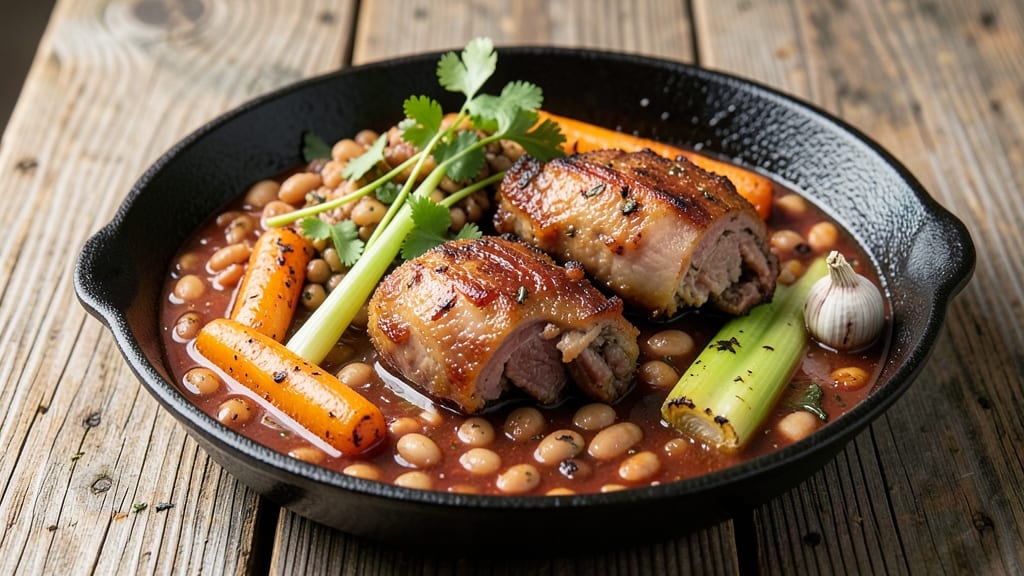
This Southern pinto beans and ham hocks recipe delivers the kind of deep, smoky flavor that transforms a simple side into a centerpiece dish. The ham hocks infuse the beans with rich, collagen-packed goodness while slow simmering creates that signature tender texture.
I've perfected this technique over years of testing, and it never fails to impress—especially when served alongside cornbread or collard greens.
The beauty of this recipe lies in its simplicity and patience. You start by soaking the beans overnight to ensure they cook evenly, then simmer them with ham hocks for hours until the meat falls off the bone.
The result is a pot of beans so flavorful, they become the star of the meal. No shortcuts here—just traditional Southern cooking at its best.
By the time you're done, you'll have a pot of beans that's velvety, rich, and packed with smoky depth from the ham hocks. The beans will be tender yet hold their shape, with a broth so flavorful it deserves a second helping.
This is the kind of dish that warms a house and fills it with aroma long before it's ready to serve.
Pair it with cornbread, roasted vegetables, or even as a hearty vegetarian main when you remove the ham hocks. Here's how to make it—step by step—for restaurant-quality results at home.
Ingredients for southern pinto beans and ham hocks
Six ingredients that turn into a flavor-packed centerpiece dish. Nothing fancy, just Southern comfort at its best.
| Ingredient | Amount | Notes |
|---|---|---|
| Dried Pinto Beans 🌾 | 2 cups | Soaked overnight, drained |
| Ham Hocks 🍖 | 2 whole | Smoked preferred for depth |
| Onions 🧅 | 1 whole | Yellow or red, chopped |
| Carrots 🥕 | 3 whole | Baby or regular, chopped |
| Celery Stalks 🌿 | 3 whole | Chopped, not pre-diced |
| Garlic Cloves 🧄 | 4 cloves | Minced for aroma |
| Bay Leaves 🍃 | 2 whole | Dried, standard size |
| Thyme Sprigs 🌿 | 2 whole | Fresh, not dried |
| Smoked Paprika 🌶️ | 1 tsp | For smoky depth |
| Salt 🧂 | 1 ½ tsp | Kosher or sea salt |
| Black Peppercorns 🌶️ | 1 tsp | Freshly cracked |
| Apple Cider Vinegar 🍎 | 1 tbsp | Brightens flavor |
| Water 💧 | 8 cups | Filtered preferred |
The ham hocks are non-negotiable here. Smoked hocks from Butcher Shop or your local butcher add that unmistakable depth—regular hocks work but lack that smoky punch. Look for hocks with good marbling; they'll give you the most flavorful broth. Pinto beans? Bob's Red Mill or store-brand dried beans both work, but rinse them well before soaking. The overnight soak is worth it—beans cook evenly and stay tender. If you're short on time, quick-soak with boiling water for 2 hours, but traditionalists swear by the overnight method.
No smoked paprika? Regular paprika plus a pinch of liquid smoke gets you close. Fresh thyme out of season? Dried thyme at one-third the amount works in a pinch. The apple cider vinegar might seem odd, but it brightens everything—Bragg is my go-to, but any organic brand works. Carrots and celery can be swapped for whatever veggies you've got (potatoes add creaminess, turnips for tang). The bay leaves? Don't skip them—they're the secret to that restaurant-quality depth. If you're making this vegetarian, extra mushrooms or smoked tofu adds umami.
This tastes even better the next day—honestly, the flavors meld overnight. Store in the fridge for 5-6 days, or freeze portions for up to 3 months. I like to portion it into containers so I can grab a serving straight from the freezer. The ham hocks? Save the bones for stock—they're liquid gold. And if you have leftovers, turn them into sliders or cornbread topping. Trust me, you'll find a million uses for this stuff.
Why You'll Love This Recipe
- Ham Hocks Magic: Honestly, the ham hocks are the star. They break down into tender, salty, meaty shards that cling to the beans like they were born to be together—no fancy seasoning needed. That deep, smoky flavor? Pure Southern comfort in a bowl.
- Leftover Luxury: This recipe begs to be made in bulk. The beans keep for days in the fridge, and the flavor actually gets better as it sits—yes, really. I freeze half the batch for lazy Mondays when I don’t want to cook.
- Budget Booster: Dried pinto beans and ham hocks are the ultimate pantry stretchers. A single batch feeds my family of four for three meals, and the cost? A fraction of what I’d spend on takeout. Plus, the veggies (onions, carrots, celery) add bulk without breaking the bank.
Step-by-step instructions for Southern pinto beans and ham hocks
Here's how to make this hearty, smoky bean dish with rich, collagen-packed flavor.
Prepare the Ham Hocks and Vegetables
Start by rinsing the 2 whole ham hocks under cold water to remove any surface debris. Place them in a large Dutch oven and cover with the 8 cups water. Bring to a boil over high heat, then reduce to a simmer for 30 minutes. This pre-cooking step helps tenderize the ham and infuse the broth with deep flavor.
While the ham hocks simmer, chop the 1 whole onion into ½-inch pieces. Cut the 3 whole carrots and 3 whole celery stalks into ½-inch chunks as well. Mince the 4 cloves garlic cloves finely—you want them to disappear completely into the dish. Set these aside for now; we'll add them later when the flavors have developed.
Soak and Rinse the Beans
Drain the soaked 2 cups dried pinto beans and rinse them thoroughly under cold water. This removes any residual starch that could make the beans gummy. Add the beans to the Dutch oven with the ham hocks and their simmering liquid. Stir gently to combine, then bring everything back to a boil over medium-high heat.
Once boiling, immediately reduce the heat to low and add the chopped onion, carrots, and celery. The beans will foam up—this is normal. Skim off any foam that rises to the surface with a spoon. This step ensures your beans cook evenly and develop that classic creamy texture without getting mushy.
Simmer and Build Flavor
Add the 2 whole bay leaves, 2 whole thyme sprigs, 1 tsp smoked paprika, 1.5 tsp salt, and 1 tsp black peppercorns to the pot. Stir gently to distribute the seasonings. The smoked paprika will give that signature Southern depth, while the bay leaves and thyme add aromatic complexity. Let the mixture simmer uncovered for 1 hour.
After 1 hour, check the beans—they should be mostly tender but still slightly firm. If they're not quite there, continue simmering for another 30 minutes. Here's the thing—pinto beans need time to develop their signature creamy texture. Don't rush this step. The longer they simmer, the more flavor they'll absorb from the ham hocks and vegetables.
Finish with Garlic and Vinegar
When the beans are tender but still hold their shape, stir in the minced garlic and the 1 tbsp apple cider vinegar. The vinegar brightens the dish and balances the richness of the ham. Simmer uncovered for another 15-20 minutes, stirring occasionally. This final simmer allows the garlic to infuse without burning and lets the flavors meld together perfectly.
Taste the beans and adjust the seasoning if needed. They should be seasoned to your liking—salty enough to complement the ham but not overpowering. The beans should be tender with a slight bite, and the broth should be rich and flavorful. If the beans are too thick, add a little more water from the pot as needed.
Rest and Serve
Let the beans rest off the heat for 10 minutes before serving. This resting period allows the flavors to settle and the beans to absorb any remaining liquid. The result should be a pot of beans with a beautiful, creamy texture and deep, smoky flavor from the ham hocks and smoked paprika.
Serve the beans hot, straight from the pot, with crusty bread or over rice. The rich, collagen-packed broth from the ham hocks will make every bite hearty and satisfying. This dish tastes even better the next day, so don't hesitate to make extra for leftovers—just reheat gently on the stove with a splash of water if needed.
Pro Tips For Making Southern Pinto Beans And Ham Hocks
- SOAK BEANS OVERNIGHT: I learned this the hard way—rushing the soak with dried pinto beans leaves them tough no matter how long you cook them. Use a big bowl, cover them with cold water by 2 inches, and let them sit 12+ hours. Drain and rinse before cooking; they’ll soften faster and absorb flavors better.
- BROWN THE HAM HOCKS: Skip the slow start—sear the ham hocks in a hot pot for 5 minutes until deeply browned. This isn’t just for looks; it builds flavor that simmers into the beans all day. Use medium-high heat and resist the urge to move them around too much.
- CHOP VEGETABLES UNIFORM: Onions, carrots, and celery should be cut into ½-inch pieces—no smaller, no larger. Big chunks stay tough; tiny bits disappear. My grandmother called this the “mule ear rule”: if it looks like a mule ear, it’s too big. Dice them all the same size so they cook evenly.
- SIMMER LOW AND LONG: After the initial boil, drop the heat to a gentle simmer—just a few bubbles breaking the surface. Pinto beans need 2–3 hours to tenderize, and a rolling boil toughens them. Check occasionally and add water as needed; this isn’t a set-it-and-forget-it dish.
Pro cooking tips for this dish
Low-and-Slow Mastery
This dish thrives on patience—simmering at 180-190°F for 3-4 hours transforms tough ham hocks into melt-in-your-mouth collagen. I use a Meater thermometer probe clipped to the ham to monitor internal temp—aim for 195°F before removing. The Dutch oven's heavy base prevents temperature fluctuations, ensuring even cooking. 🌡️
Foam Skimming Secret
When you add the beans, you'll see foam rise to the surface—this is starch escaping. Skim it off immediately with a slotted spoon or fine-mesh strainer. I use a stainless steel ladle because it doesn't absorb flavors.
This step prevents gummy beans and creates that velvety texture we all crave. Don't skip it!
Smoked Paprika Hack
For extra smokiness without liquid smoke, toast 1 tsp smoked paprika in a dry skillet over medium heat for 1 minute until fragrant. Let it cool, then mix it with the beans.
This intensifies the smoky flavor while adding depth that store-bought versions can't match. I also add a pinch of ground chipotle for heat lovers. 🌶️
Ham Hock Prep
Before adding ham hocks to the pot, blanch them in boiling water for 5 minutes to remove any surface impurities. Rinse under cold water, then pat dry. This step prevents cloudy broth and ensures the ham infuses cleanly.
I also like to score the fat cap with a knife in a crosshatch pattern—this helps render fat more evenly during cooking.
Vinegar Timing
Add the apple cider vinegar in the final 15 minutes of cooking. This brightens flavors without overpowering the ham's richness. If you add it too early, the acid can make the beans tough.
For extra tang, I sometimes add ½ tsp mustard powder along with the vinegar—it rounds out the flavors beautifully.
Broth Reduction
If your beans are too watery after simmering, remove the ham hocks and simmer the pot uncovered for 10-15 minutes to reduce the liquid. This concentrates flavors and creates that signature thick, saucy texture. Just be careful not to over-reduce—you want beans you can scoop, not a paste. 💡
Nutrition facts
Frequently asked questions
Why do Southern-style beans need ham hocks?
Ham hocks add collagen-rich depth that transforms simple beans into a hearty, smoky dish. The slow cooking breaks down the connective tissue, creating a velvety broth packed with umami flavor. This is what gives traditional Southern beans that signature rich, meaty taste without needing extra salt or fat.
Can I use canned beans instead of dried for this recipe?
While canned beans work in a pinch, dried beans develop that signature creamy texture and deeper flavor through long simmering. For best results, stick with dried pinto beans soaked overnight. If using canned, drain and rinse thoroughly, then simmer with ham hocks for at least 2 hours to build flavor.
How do I know when the beans are perfectly tender?
Beans should be fork-tender with a slight bite—press a bean with your fork, it should mash slightly but not fall apart. After 1 hour of simmering, check periodically. If they're still firm after 3 hours, add ½ cup more water and continue cooking. Overcooking turns them mushy.
What can I do with leftover ham hocks?
Save the bones for homemade stock (they're flavor gold!) and shred the meat for tacos, sandwiches, or cornbread topping. The meat falls off easily after cooking—just pick it clean from the bones. Store bones in the freezer until you're ready to make stock.
Can I make this recipe in a slow cooker?
Use the same ingredients and follow the same steps, but transfer everything to a 6-quart slow cooker after the initial ham hock simmer. Cook on low for 6-8 hours or high for 4-5 hours. The low-and-slow method works perfectly for this dish.