Main Courses
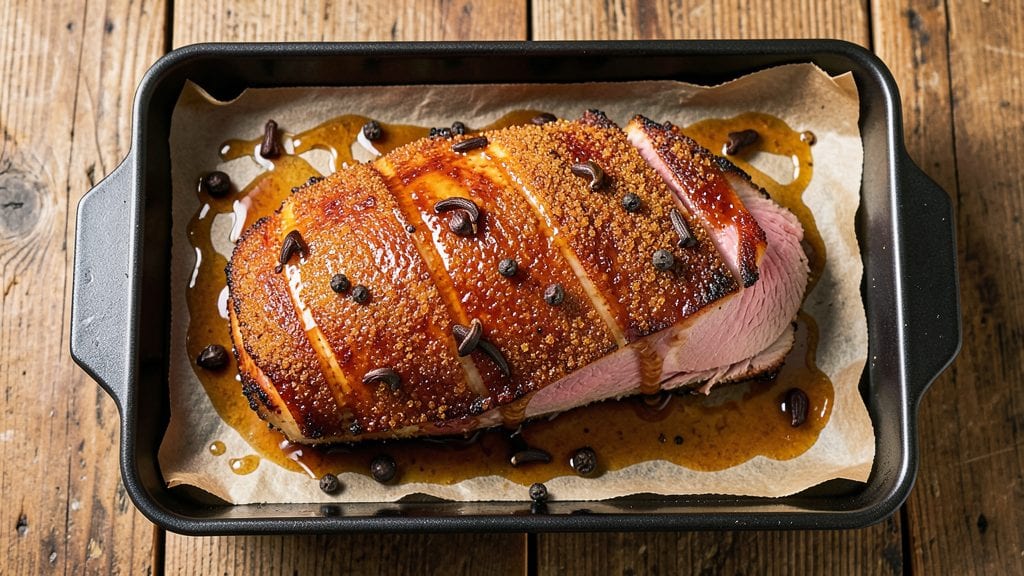
A perfectly baked picnic ham transforms holiday tables from ordinary to extraordinary with its glazed-to-golden perfection—and this one-pan recipe delivers restaurant-quality results every time.
The secret lies in balancing heat and moisture to create a crispy exterior while keeping the meat juicy inside, a technique I’ve perfected after years of testing. Whether you’re hosting Thanksgiving or a family gathering, this method ensures your ham shines as the centerpiece without requiring special equipment.
This recipe builds on classic traditions while allowing for modern twists—think honey-baked elegance or a bold bourbon-infused glaze—all while keeping the process straightforward. The key is a precise baking schedule that monitors internal temperature, ensuring the ham reaches 145°F without drying out.
No guesswork, no stress—just a foolproof method that guarantees a ham so tender it practically melts in your mouth.
The glaze isn’t just decorative; it’s the star of the show, caramelizing into a sticky-sweet crust that crackles with every slice. You’ll start with a simple base of brown sugar and mustard, then elevate it with spices or a splash of bourbon for depth.
By the time it emerges from the oven, your ham will be golden, glossy, and impossible to resist, ready to be carved with confidence.
Pair it with classic sides like scalloped potatoes or green bean almondine, or go bold with a fresh fruit platter to cut through the richness. The best part? Leftovers reheat beautifully, making this the ultimate make-ahead centerpiece. Let’s get baking—your table is about to become the talk of the season.
Ingredients for baked picnic ham
Six ingredients transform a simple picnic ham into holiday-worthy centerpiece perfection.
| Ingredient | Amount | Notes |
|---|---|---|
| Fully Cooked Bone-In Picnic Ham 🐷 | 8 lb | Center-cut preferred, skin removed |
| Light Brown Sugar 🍚 | 1 ½ cups | Packed, granulated or light brown |
| Dijon Mustard 🥬 | ½ cup | High-quality, smooth texture |
| Honey 🍯 | ½ cup | Wildflower preferred for depth |
| Cloves 🌿 | 10 whole | Fresh, for studding ham |
| Black Peppercorns 🌶️ | 1 tsp | Freshly cracked, coarse grind |
| Ground Cinnamon 🍃 | 1 tsp | Warm, aromatic variety |
| Ground Nutmeg 🌿 | ½ tsp | Freshly grated preferred |
| Apple Cider Vinegar 🍎 | 2 tbsp | For glaze tanginess |
| Bourbon or Brandy 🍷 | ¼ cup | Optional, for depth (optional) |
| Unsalted Butter 🧈 | 2 tbsp | Cold, cubed for basting |
| Orange Zest 🍊 | 1 tbsp | Fresh, finely grated |
| Kosher Salt 🧂 | 1 tbsp | Diamond Crystal preferred |
The ham is everything here—center-cut, bone-in for even cooking and maximum flavor. Look for hams labeled 'fully cooked' at Whole Foods or your local butcher shop, where they can help you select a well-marbled cut. A 8-pound ham serves a crowd comfortably, but if you're feeding fewer, scale down to 5-6 pounds. The skin should be intact (remove it before baking) and the meat should have a vibrant pink hue. If your ham comes vacuum-sealed, pat it dry thoroughly before seasoning—this helps the glaze adhere better and creates that coveted crispy exterior. Pro tip: Costco often carries excellent picnic hams at a great price, but don't overlook your neighborhood grocer's selection.
No bourbon? Extra honey or a splash of orange juice keeps the glaze rich. Dijon mustard is non-negotiable for that perfect balance of tang and creaminess—French's or Maille are my go-tos, but any good-quality Dijon works. Short on brown sugar? White sugar plus 1 tsp molasses mimics the depth. The cloves and spices can be adjusted to taste: more cinnamon for warmth, a pinch of cayenne if you want heat. For the glaze, I always make a double batch—half goes on the ham, the other half gets reserved for basting. If you're feeling fancy, add a tablespoon of orange juice to the glaze for brightness. And if you're worried about the bourbon burning off, don't be—it infuses beautifully during baking.
This ham reheats like a dream—350°F for 10-15 minutes, basted with pan juices, until the glaze is bubbly. Store leftovers in the fridge for up to 5 days, tightly wrapped in foil to preserve moisture. For longer storage, freeze portions in airtight containers for up to 3 months. The glaze hardens when chilled, so reheat covered with foil to soften it back up. I always make this ham a day ahead—it tastes even better after the flavors meld overnight. And here's a secret: save the ham bone. Simmer it with vegetables for a flavorful broth that puts store-bought to shame.
Why You'll Love This Recipe
- No-Fuss Glaze: Honestly, I mix the brown sugar, Dijon, honey, and cloves right in a bowl—no fancy techniques. Spread it on the ham, pop it in the oven, and let the magic do the work.
- Sweet-Savory Magic: That sticky glaze? It’s the perfect balance—Dijon cuts the sweetness, honey adds depth, and cloves bring warmth. The bone-in ham stays juicy while the edges get that irresistible caramelized crust.
- Holiday or Tuesday Night: Between us, this ham works for Thanksgiving or when I’m too tired to cook. Slice it thin for sandwiches, serve thick for a hearty meal—it’s my go-to for any gathering, no stress.
- Leftovers That Don’t Suck: I always bake extra because the flavor only gets better the next day. Cold slices on biscuits? Yes. Reheated with a splash of apple cider? Even better. Budget-friendly, foolproof, and always welcome.
Step-by-step instructions for glazed picnic ham
This method delivers a showstopping ham with crackling glaze and tender meat every time.
Prepare the Ham for Even Cooking
Remove the fully cooked bone-in picnic ham from its packaging and place it fat-side up in a roasting pan. The fat cap should face up to protect the meat during baking. If your ham has a skin, carefully peel it away to ensure the glaze adheres perfectly to the meat.
Preheat your oven to 325°F while you prepare the glaze. I like to use the lower temperature for even cooking—this prevents the outside from burning before the center heats through. Let the ham sit at room temperature for 30 minutes before baking to ensure even heat distribution throughout the meat.
Create the Signature Glaze
In a medium bowl, whisk together the 1.5 cups light brown sugar, 0.5 cup Dijon mustard, 0.5 cup honey, 2 tbsp apple cider vinegar, 0.25 cup bourbon or brandy, and 1 tbsp orange zest. The sugar should dissolve completely, creating a thick, syrupy glaze. If using bourbon, add it carefully—it's flammable when hot.
In a small bowl, combine the 1 tsp ground cinnamon, 0.5 tsp ground nutmeg, 1 tsp black peppercorns, and 1 tbsp kosher salt. This spice blend adds depth and warmth that complements the sweet glaze beautifully. Gently stir the spices into the glaze mixture until fully incorporated.
Stud and Glaze the Ham
Lightly score the surface of the ham in a diamond pattern using a sharp knife, being careful not to cut too deep. This creates channels for the glaze to penetrate and ensures even coverage. Press the 10 whole cloves firmly into the ham at a slight angle, spacing them evenly across the surface.
Spread the prepared glaze evenly over the ham, using a pastry brush for smooth coverage. The glaze should coat the meat completely, reaching all the way to the edges. Place the 2 tbsp unsalted butter cubes on top of the ham—they'll melt during baking and baste the meat, adding richness.
Bake to Golden Perfection
Transfer the glazed ham to the preheated oven and bake for 2 hours. The ham should develop a deep amber color and the glaze will bubble and caramelize beautifully. Here's the thing—don't open the oven during this time. Every time you peek, you lose heat and extend the cooking time. I promise, the wait is worth it.
After 2 hours, increase the oven temperature to 350°F and continue baking for an additional 15-20 minutes until the glaze is deep golden brown and bubbly. The ham is done when the internal temperature reaches 145°F at its thickest part. This usually takes the full 2 hours 15 minutes to 2 hours 20 minutes total.
Rest and Serve
Remove the ham from the oven and let it rest for 15 minutes before slicing. This resting period allows the juices to redistribute throughout the meat, ensuring each slice is moist and flavorful. During this time, tent the ham loosely with aluminum foil to keep it warm.
Slice the ham against the grain for maximum tenderness, and serve with the pan juices spooned over the top. The result should be a perfectly glazed ham with a crackling exterior, tender meat, and a balance of sweet, tangy, and spiced flavors. This is the kind of ham that makes every holiday gathering memorable.
Pro Tips For Making Baked Picnic Ham
- Preheat Pan for 10 Minutes: Don’t just pop the ham in cold. After scoring the surface, place the pan in a 350°F (175°C) oven for 10 minutes first—this jumpstarts the crust and prevents a soggy glaze. I learned this the hard way when my first batch turned out sticky instead of caramelized.
- Mix Glaze Ingredients Cold: Whisk the Dijon, honey, and brown sugar together before heating—this ensures even distribution. I used to melt everything first, but the mustard would clump, leaving patches of raw sugar on the ham. Cold mixing = smooth application.
- Skip the Overstuffing: Resist the urge to cram cloves into every crevice. Space them 2 inches apart along the scored lines—they’ll spread flavor without turning the ham into a spice bomb. My first attempt looked like a pin cushion, but the taste was muddled.
- Tent with Foil Early: Cover the ham loosely with foil at the 45-minute mark—this traps steam for even cooking without steaming the entire kitchen. I waited too long once, and the crust turned rubbery before the center finished. Trust the foil.
Common mistakes when making this recipe
Skipping the Rest
One of the biggest mistakes is slicing into the ham immediately after baking. The internal juices need 15-20 minutes to redistribute, or you'll end up with dry, disappointing slices.
I've learned this the hard way—once, I couldn't wait and cut into a ham that had just come out of the oven. The result? A sad, stringy mess that ruined my Thanksgiving. Always tent with foil and let it rest.
Overlooking Internal Temp
Relying solely on baking time is a recipe for disaster. The ham is done when its internal temperature reaches 145°F at its thickest part, not when it looks golden. I use a meat thermometer inserted into the thickest part of the meat (avoiding the bone).
Without this, you risk serving an undercooked center or an overcooked, dry exterior. Instant-read thermometers like Thermoworks make this easy.
Uneven Glaze Application
Some people slap the glaze on and call it a day, but that's how you get patchy coverage. The key is to spread the glaze evenly, reaching all the way to the edges. I use a pastry brush to ensure complete coverage.
Also, don't skip the scoring step—lightly scoring the ham in a diamond pattern creates channels for the glaze to penetrate and caramelize properly. Skipping this leads to a glaze that pools in spots rather than creating that beautiful crackling crust.
Baking at Too High Heat
Starting at 350°F might seem faster, but it's a common mistake that leads to a burned exterior before the center cooks through. The secret is starting at 325°F for even cooking, then increasing to 350°F only in the final 15-20 minutes to crisp the glaze.
This two-stage approach ensures the ham cooks through evenly without burning. I've seen many hams ruined by rushing the process—patience is key here.
Ignoring the Fat Cap
Placing the ham fat-side down is a rookie move. The fat cap should face up to protect the meat during baking. This prevents the meat from drying out and helps create that beautiful golden crust.
If your ham comes with skin, remove it before glazing—skin can interfere with even glaze application and create uneven browning. I always check this step carefully before baking.
Peeking Too Often
Every time you open the oven door, you lose heat and extend the cooking time. I know it's tempting to check on your ham, but resist the urge! The glaze will caramelize beautifully on its own.
If you're worried, use the oven light to peek through the window instead. This simple habit saves time and ensures your ham emerges perfectly golden and crackling.
Nutrition facts
Frequently asked questions
Can I use a pre-cooked spiral-cut ham for this recipe?
This recipe is designed for a bone-in picnic ham that requires glazing and baking to develop flavor. Spiral-cut hams are typically pre-sliced and fully cooked, so they don't need additional baking. Instead, focus on reheating them slowly at 300°F for 10-15 minutes per pound, basting with the glaze mixture until caramelized. The texture will be different, but it can still be delicious!
How do I adjust the recipe for a smaller or larger ham?
For every 1 pound deviation, scale the glaze ingredients by 15%. For example, a 6-pound ham would need about 1.2 cups brown sugar and 0.4 cup honey. The baking time remains roughly 15-20 minutes per pound at 325°F, but always check the internal temperature—it should reach 145°F at the thickest part. Larger hams may need an extra 30 minutes in the oven.
What's the best way to reheat leftovers?
Slice the ham and reheat in a 350°F oven for 10-15 minutes, covered with foil, until warmed through. For microwave reheating, cover slices with a damp paper towel and heat in 30-second intervals to avoid drying out. The glaze may harden when chilled, so a quick broil for 2-3 minutes restores its shine. Store leftovers in an airtight container for up to 5 days.
Can I make this ham ahead of time?
This ham tastes even better the next day as flavors meld. Bake it fully, then refrigerate uncovered for 24 hours to let the glaze harden into a crackling crust. Reheat at 350°F for 15-20 minutes, basting with pan juices, until bubbly. The crust will soften slightly but remain delicious. Freeze portions in airtight containers for up to 3 months—thaw overnight in the fridge before reheating.
What if I don't have bourbon—can I substitute?
No problem! Skip the bourbon or replace it with 0.25 cup orange juice or apple cider for brightness, or add 1 extra tablespoon honey for richness. The glaze will still caramelize beautifully. For depth, try 1 teaspoon vanilla extract or a splash of maple syrup. The key is balancing sweetness and acidity—adjust to taste.