
Main Courses
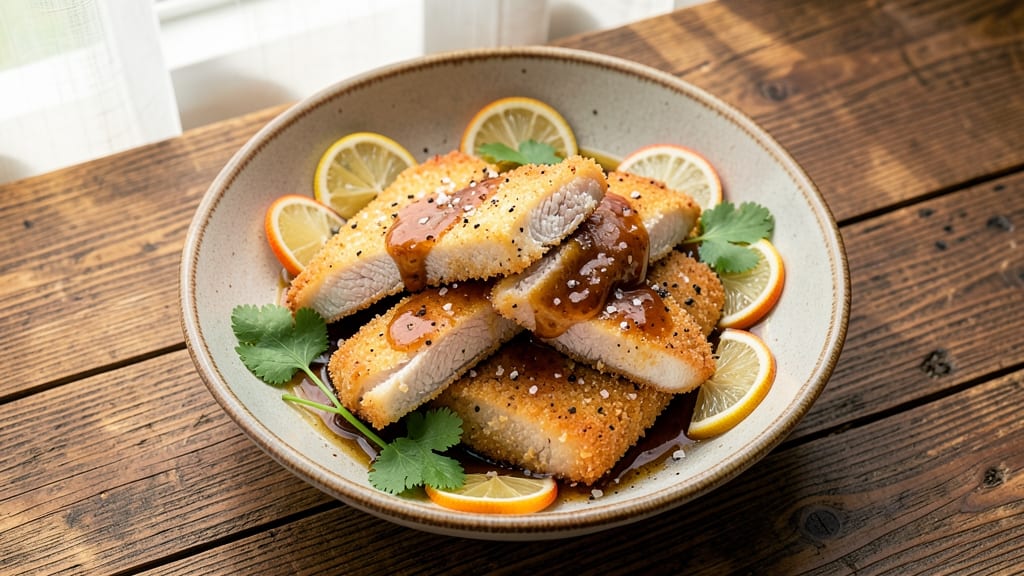
Mastering a shark fish fry recipe that delivers crispy golden bites with a perfectly tender interior requires precision and proper technique. I’ve refined this method over years of testing, ensuring the meat stays moist while achieving that coveted crunch—something many home cooks struggle with.
The key lies in pre-treatment and careful frying, which transforms tough shark fillets into restaurant-worthy bites.
This recipe starts with a simple marinade to tenderize the meat and lock in moisture, followed by a light batter that creates an irresistible crust.
Unlike traditional fried fish, shark benefits from a slightly longer cooking time to break down its denser texture, resulting in a dish that’s both satisfying and elegant. Safety is critical when handling raw shark, so we’ll cover proper preparation to ensure a flawless outcome.
The final result is a plate of crispy golden shark fillets with a delicate, airy interior—each piece perfectly seasoned and ready to be served with classic sides like tartar sauce, lemon wedges, or a crisp green salad.
The technique is straightforward but demands attention to detail, making it ideal for home cooks who want restaurant-quality seafood without the fuss.
Whether you’re serving this as a main course for a dinner party or treating yourself to a special meal, this recipe delivers professional results. Let’s get started with the step-by-step process that guarantees success every time.
Ingredients for shark fish fry
Precision ingredients transform tough shark fillets into restaurant-quality crispy golden bites with tender interiors.
| Ingredient | Amount | Notes |
|---|---|---|
| Fresh Shark Fillets 🦈 | 1 ½ lb | Skinless, cut into 1-inch pieces |
| All-Purpose Flour 🌾 | 1 cup | For light batter coating |
| Cornstarch 🌽 | ¼ cup | Ensures extra crispiness |
| Granulated Sugar 🍚 | 1 tbsp | Balances batter sweetness |
| Kosher Salt 🧂 | 1 tsp | Diamond Crystal preferred |
| Ground Black Pepper 🌶️ | ½ tsp | Freshly ground for best flavor |
| Garlic Powder 🧄 | ½ tsp | Enhances marinade depth |
| Lemon Juice 🍋 | ¼ cup | Freshly squeezed, for marinade |
| Extra-Virgin Olive Oil 🫒 | ½ cup | For marinade and frying |
| Beer 🍺 | ½ cup | Light lager preferred |
| Vegetable Oil 🫒 | 3 cups | For deep frying (peanut oil alternative) |
| Ice ❄️ | 2 cups | For post-fry temperature control |
| Fresh Parsley 🌿 | ¼ cup | Chopped, for garnish |
| Lemon Wedges 🍋 | 4 whole | For serving |
The shark fillets are the foundation—opt for sushi-grade quality from a trusted seafood purveyor like Whole Foods or Sushi Mart. Look for fillets with minimal dark muscle tissue, as this can affect tenderness. Pre-cutting into uniform 1-inch pieces ensures even cooking. The extra-virgin olive oil in the marinade should be high-quality, with a fruity aroma—California-grown brands like Corto elevate the dish. For the beer, a light lager like Miller Lite or Coors Light works best, as its mild profile won't overpower the delicate shark flavor.
Substitutions require attention to texture. If you lack cornstarch, all-purpose flour at double the amount works, though the crust may be slightly less crisp. For the beer, sparkling water with a splash of lemon juice mimics the lightness, though the marinade will lack depth. Fresh parsley is ideal, but dried parsley at one-third the amount suffices in a pinch. The vegetable oil can be swapped for peanut oil if preferred, though it may impart a slight nutty flavor. Always ensure your frying oil reaches 350°F—a thermometer is non-negotiable for perfect results.
Store raw shark fillets on ice until ready to use, then marinate for no longer than 30 minutes to prevent over-tenderizing. The batter components—flour, cornstarch, and seasonings—keep indefinitely in a sealed container. Post-fry, maintain crispiness by serving immediately over a bed of ice. Leftover cooked shark reheats poorly, so plan for fresh consumption. Garnish with lemon wedges and parsley just before serving to preserve presentation.
Why You'll Love This Recipe
- No-Fuss Crispy Magic: I swear by the flour-cornstarch mix here—it’s the secret to that perfect crunch without frying in oil. Just pat the fillets dry, toss in the seasoned coating, and let the heat work its magic. Five minutes of prep, zero stress.
- Sweet-Savory Surprise: That sugar in the flour blend? Total game-changer. It caramelizes just enough to balance the salt, giving you a crispy exterior with a subtle sweetness that makes every bite addictive. Honestly, it’s the kind of flavor that lingers.
- Tailgate-Ready Hero: Between us, this is my go-to for game days, beach trips, or when my college kids bring friends over. The fillets hold up perfectly cold in a cooler, and the fry stays crispy even hours later—no sad, soggy fish here.
- Budget-Friendly Catch: Shark fillets are often cheaper than snapper or grouper, and this recipe stretches them far. A single bag of flour and cornstarch covers multiple batches, so you’re not breaking the bank for a restaurant-quality meal. (Yes, even on a Tuesday night.)
Step-by-step instructions for crispy shark fish fry
Master this technique and you'll achieve restaurant-quality crispy shark with a delicate interior every time.
Prepare the Marinade and Shark
In a medium bowl, combine the 0.5 cup extra-virgin olive oil, 0.5 cup beer, 0.25 cup lemon juice, 0.5 teaspoon garlic powder, 1 teaspoon kosher salt, and 0.5 teaspoon ground black pepper. Whisk until fully emulsified—the mixture should have a smooth, homogeneous texture. This balance of acidity, fat, and seasoning ensures maximum flavor penetration while tenderizing the shark's firm texture.
Place the 1.5 lb fresh shark fillets (cut into 1-inch pieces) in a shallow dish and pour the marinade over them. Gently turn the pieces to coat evenly, then cover and refrigerate for at least 2 hours, or preferably overnight. The acid in the lemon juice and beer will work together to break down proteins, while the olive oil adds moisture that prevents drying during frying. Turn the pieces occasionally to ensure even marination.
Create the Batter for Extra Crispiness
In a separate large bowl, whisk together the 1 cup all-purpose flour, 0.25 cup cornstarch, 1 tablespoon granulated sugar, 1 teaspoon kosher salt, and 0.5 teaspoon ground black pepper. The cornstarch is crucial here—it creates a lighter, more delicate crust that shatters beautifully when fried. The sugar adds a subtle caramelization that enhances the golden color and depth of flavor.
Remove the shark from the marinade (reserve the marinade for later use) and let any excess drip off. Working in batches to avoid overcrowding, dip each piece of shark into the batter, allowing any excess to drip off before placing on a wire rack set over a baking sheet. The double-dip technique ensures an even, crackly coating. Let the battered pieces rest for 10 minutes at room temperature—this allows the cornstarch to fully hydrate and creates a more stable crust during frying.
Deep Fry to Perfect Crispiness
Fill a deep fryer or heavy pot with 3 cups vegetable oil and heat to 375°F. Use a deep-fry thermometer to monitor the temperature—this precision is critical for achieving that signature golden-brown crust without cooking the interior too quickly. The oil should shimmer gently but not smoke when a wooden chopstick is inserted.
Working in small batches (no more than 4 pieces at a time), carefully lower the battered shark into the hot oil using tongs. Fry for 2-3 minutes per side until the pieces are deep golden brown and the coating is crisp and shatterable. The internal temperature should reach 145°F when checked with an instant-read thermometer. Remove the pieces and place them on a wire rack set over a bowl of 2 cups ice—this rapid cooling stops the cooking process instantly and helps maintain the tender interior.
Finish and Serve Immediately
Once the shark has cooled for 2-3 minutes (just until it's no longer sizzling), transfer it to a serving platter. Sprinkle generously with 0.25 cup chopped fresh parsley and serve immediately with the 4 whole lemon wedges on the side. The parsley adds a fresh contrast to the rich, crispy exterior, while the lemon wedges provide a bright acidity that cuts through the richness of the fried shark.
Serve with the reserved marinade reduced by half in a small saucepan over medium heat (simmer for 3-4 minutes until slightly thickened) for dipping. The combination of crispy exterior, tender interior, and bright citrus flavors creates a perfect balance that highlights the shark's natural sweetness without overpowering it. For best results, serve immediately while the coating is at its crispiest and the interior remains moist.
Pro Tips For Making Shark Fish Fry
- PAT THE FILLETS DRY: DESCRIPTION:
- USE 3:1 FLOUR RATIO: DESCRIPTION:
- FRIED IN BATCHES: DESCRIPTION:
- SALT THE BATTER WELL: DESCRIPTION:
Troubleshooting this dish
Uneven Cooking Fix
If your shark pieces emerge with some undercooked centers while others are overdone, the issue is likely batch size or oil temperature fluctuations. Fry in batches of no more than 3 pieces at a time—overcrowding drops the oil temperature, leading to greasy rather than crispy results.
Maintain oil at 375°F using a deep-fry thermometer like the Thermoworks Smoke, which has a 0.1°F accuracy—small variations make a big difference with delicate proteins like shark. 🔥
Batter Too Heavy
A thick, gloopy batter that clumps instead of coating evenly usually means overmixed flour or insufficient cornstarch. Whisk the batter just until combined—no more than 15 strokes—to avoid developing gluten. If your batter feels too dense, add 1 tablespoon cold beer (or sparkling water) to lighten it.
For extra crispiness, chill the batter for 15 minutes before dipping—this firms up the coating for better adhesion. ✨
Soggy Crust Solution
Shark’s high protein content can absorb moisture quickly, leading to a soggy crust. To prevent this, pat the battered pieces dry with paper towels before frying, and avoid resting them on a plate—use a wire rack to allow air circulation.
Another trick? Add 1 teaspoon baking powder to the batter for a lighter, airier crust. Serve immediately over hot sauce or lemon wedges to maintain that crispy texture. 💡
Oily or Greasy Shark
Oily shark often results from overcrowding the fryer or frying at too low a temperature. Ensure your oil stays at 375°F and work in small batches (2-3 pieces max).
For extra insurance, double-dip the shark in the batter: first in a beer-marinade mixture (equal parts beer and water), then in the flour-cornstarch batter. This creates a barrier that locks in juices and reduces oil absorption. 🌟
Marinade Not Working
If your shark remains tough after marinating, the issue is likely acid exposure time or improper protein breakdown. The lemon juice and beer need at least 2 hours to tenderize the meat—don’t rush this step!
For extra tenderness, score the fillets lightly (¼-inch deep) before marinating. If using frozen shark, thaw it slowly in the fridge (overnight) to prevent uneven cooking. 💪
Frying Oil Smoking
Smoking oil means it’s too hot, which burns the batter and creates a bitter flavor. Keep your oil at 375°F—any higher and the cornstarch in the batter will burn before the shark cooks through.
If your oil smokes excessively, reduce heat immediately and let it stabilize. For deep frying, a heavy-bottomed pot (like a Lodge cast iron) distributes heat more evenly than lightweight pans. ⚡
Nutrition facts
Frequently asked questions
Why does shark need marinating before frying?
Shark’s dense, fibrous texture requires acid-based marinades (like lemon juice and beer) to break down proteins and tenderize the meat. This 2-hour minimum marinade time ensures a fork-tender bite while preventing dryness during frying. The olive oil in the marinade also adds moisture that keeps the interior juicy.
Can I use frozen shark for this recipe?
Yes, but thaw it slowly in the fridge overnight—never at room temperature. Frozen shark can release moisture unevenly when thawed quickly, leading to soggy crusts. For best results, pat thawed pieces very dry before marinating to improve batter adhesion.
What’s the best oil for frying shark?
Use vegetable oil or peanut oil (both have high smoke points of 400°F+). Avoid olive oil—its low smoke point (325°F) burns the batter. Maintain oil at 375°F using a thermometer; fluctuations cause greasy results.
How do I keep the crust crispy after frying?
Serve immediately over hot sauce or lemon wedges to maintain crispness. Avoid resting on paper towels—use a wire rack to allow air circulation. For leftovers, reheat in a 400°F oven for 3-4 minutes (but expect slightly softer texture).
What sides pair well with fried shark?
Classic choices include tartar sauce, lemon-dill yogurt dip, or spicy remoulade. For a full meal, serve with crisp green salads, roasted potatoes, or grilled asparagus. The acidity cuts through the richness while balancing the dish.