
Appetizers
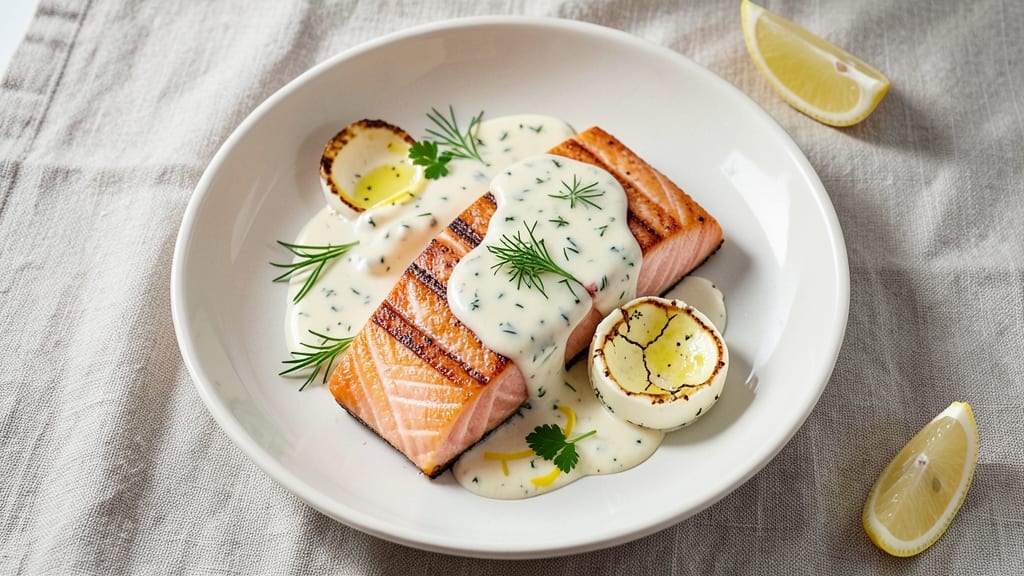
The perfect salmon and Boursin cheese recipe transforms simple ingredients into a restaurant-worthy dish that balances creamy richness with delicate fish flavor. This technique ensures the salmon stays moist while developing a golden, buttery crust from the herb-infused Boursin.
I developed this method after years of testing—it’s the one that finally delivers that ideal harmony of textures and flavors.
The key to success lies in the preparation: a light marinade of herbs and citrus brightens the salmon before it meets the Boursin, which adds depth without overpowering. Pan-searing creates a crisp exterior while keeping the inside tender, and the herb crust locks in moisture for every bite.
This recipe is designed for precision, ensuring you achieve professional results without advanced techniques.
By the time you serve this dish, you’ll have perfectly seared salmon with a golden, buttery crust that encases a creamy Boursin center—each bite delivers a perfect balance of savory, herby, and slightly tangy notes.
The technique is straightforward, but the flavor is anything but basic. Pair it with roasted asparagus or a simple arugula salad to complete the meal.
Whether you’re hosting a dinner party or treating yourself to a special weeknight meal, this recipe delivers restaurant-quality results at home. The method is foolproof, and the flavor is unforgettable—exactly what you need to elevate your cooking game. Let’s get started!
Ingredients for salmon and boursin cheese
Twelve ingredients, restaurant-quality results. The secret lies in balancing delicate salmon with rich Boursin.
| Ingredient | Amount | Notes |
|---|---|---|
| Center-Cut Salmon Fillets 🐟 | 4 whole | Skin-on, 6-8 oz each |
| Boursin Herb Cheese 🧀 | ½ cup | Herb-infused, softened |
| Extra-Virgin Olive Oil 🫒 | 2 tbsp | High-quality, fruity |
| Fresh Dill 🌿 | ¼ cup | Chopped, stems removed |
| Fresh Parsley 🌿 | ¼ cup | Chopped, flat-leaf preferred |
| Garlic Cloves 🧄 | 4 cloves | Minced, fresh preferred |
| Lemon Zest 🍋 | 1 tbsp | Freshly grated |
| Lemon Juice 🍋 | 1 tbsp | Freshly squeezed |
| Unsalted Butter 🧈 | 2 tbsp | Cold, cubed |
| Salt 🧂 | 1 ½ tsp | Kosher or sea salt |
| Black Pepper 🌶️ | ½ tsp | Freshly ground |
| Panko Breadcrumbs 🍞 | ¼ cup | For extra crunch |
| Dijon Mustard 🍯 | 1 tsp | For marinade adhesion |
The salmon is non-negotiable—center-cut fillets with skin ensure even cooking and crispiness. Most seafood counters carry them pre-portioned, but if buying whole, ask for the thickest part of the fillet. Whole Foods or high-end grocery stores often have the freshest options, but don’t overlook your local fishmonger—they’ll know exactly what you need. For Boursin, look for the herb-infused variety (not the plain) at specialty cheese counters or well-stocked supermarkets—it’s worth hunting for. Fresh herbs like dill and parsley should be vibrant green with no wilting—if they’re past their prime, dried will work at half the amount, though texture suffers.
No Boursin? Cream cheese mixed with chopped fresh herbs and a pinch of garlic powder mimics the flavor, though it lacks the depth. Running short on fresh dill? Substitute with 1 tbsp dried dill, but toast it first in a dry pan for 30 seconds to deepen the flavor. The Dijon mustard in the marinade is crucial—it helps the herbs cling to the salmon and prevents slipping during searing. For olive oil, avoid the cheap stuff—look for extra-virgin with a peppery finish, like California or Italian varieties. If you can’t find panko, regular breadcrumbs toasted in a dry pan work in a pinch, though they won’t be as crispy.
Salmon keeps best covered in the fridge for up to 2 days—use within that window for peak freshness. The Boursin herb cheese can be stored in an airtight container for up to 1 week, though it softens over time. For meal prep, sear the salmon ahead and refrigerate, then finish with the Boursin just before serving to maintain texture. The herb marinade can be made 1 day in advance and stored in the fridge, but add fresh lemon zest and juice just before using for brightness. Leftovers reheat beautifully—gentle warming in a skillet with a splash of water prevents drying out.
Why You'll Love This Recipe
- One-Pan Magic: I swear by this trick—just toss the salmon and Boursin on a single sheet pan, drizzle with olive oil, and let the oven do the work. No chopping, no fuss, and honestly? That crispy skin with the melty cheese inside is worth every minute of zero effort.
- Herb-Packed Umami Bomb: Between us, the Boursin’s garlic and chives plus fresh dill and parsley create this addictive balance—rich, tangy, and bright all at once. It’s the kind of flavor that makes you reach for seconds without even thinking.
- Weeknight to Dinner Party: This recipe works whether I’m microwaving leftovers for lunch or plating it elegantly for guests. (Yes, even on a Tuesday night.) The Boursin adds that restaurant-worthy touch, but the prep stays simple—no one has to know how easy it was.
- Leftovers That Don’t Suck: Cold salmon and Boursin? Surprisingly good. I’ll portion it out after cooking, and it keeps for days without drying out. My kids grab it for school lunches, and my husband eats it straight from the fridge—proof it’s a winner every time.
Step-by-step instructions for buttery herb-crusted pan-seared salmon
Here's how to achieve perfectly crispy skin and tender fillets with a rich boursin crust every time.
Prepare the Herb Butter Marinade
In a small bowl, combine the softened boursin herb cheese, cold cubed unsalted butter, minced garlic cloves, chopped fresh dill, chopped fresh parsley, lemon zest, lemon juice, dijon mustard, salt, and black pepper. Mix thoroughly until you achieve a smooth, spreadable consistency that coats all ingredients evenly.
This marinade is the secret to both flavor and texture. The boursin cheese provides that signature creamy richness, while the cold butter ensures it stays firm enough to create a golden crust. Let the mixture sit at room temperature for 10 minutes while you prepare the salmon—this allows the flavors to meld and the butter to soften slightly for better adhesion.
Create the Crust Mixture
In a separate shallow dish, mix the panko breadcrumbs with 1 teaspoon of the salt from your marinade mixture. This extra salt enhances the crust's flavor and helps prevent the breadcrumbs from becoming bland. The panko should be evenly coated but not clumpy—break up any large pieces with your fingers.
Here's the thing—this crust is what transforms ordinary salmon into restaurant-quality perfection. The panko provides that satisfying crunch while the salted marinade ensures every bite delivers maximum flavor. Keep this mixture ready as you'll need it immediately after searing the salmon.
Season and Sear the Salmon
Pat the center-cut salmon fillets completely dry with paper towels, pressing firmly to remove all moisture. Season both sides generously with any remaining salt and black pepper from your marinade. Place the fillets skin-side down in a cold, dry skillet and refrigerate for 10 minutes—this chilling step is crucial for preventing the skin from sticking.
Remove the skillet from the refrigerator and place it over medium-high heat. Add 1 tablespoon of the extra-virgin olive oil and let it heat for 2 minutes until shimmering. Carefully add the salmon fillets, skin-side down, and cook undisturbed for 4-5 minutes until the skin is deep golden brown and crispy. You'll know it's ready when it releases easily from the pan.
Apply the Herb Butter and Crust
Using a fish spatula, carefully flip each fillet to the skin-up position. Immediately spread an even layer of the herb butter marinade over each fillet, pressing gently to ensure good contact. Then, working quickly, press the panko crust mixture firmly onto the top of each fillet, covering the entire surface. The crust should adhere well to the buttery surface.
Return the skillet to medium heat and cook for an additional 2-3 minutes until the crust is golden brown and the salmon reaches an internal temperature of 135°F at its thickest point. The crust should be crispy enough to stand up to a gentle touch—if it crumbles too easily, it needs just 30 more seconds of cooking.
Rest and Serve with Precision
Transfer the salmon fillets to a serving platter and let them rest for 3-4 minutes. This resting period allows the juices to redistribute throughout the fish, ensuring each bite remains moist and flavorful. The crust will maintain its crispiness during this time, but the salmon's temperature will rise slightly to a perfect 140°F.
Garnish with additional chopped fresh dill and a sprinkle of flaky sea salt if desired. Serve immediately with lemon wedges on the side for squeezing over each fillet. The combination of crispy crust, creamy boursin, and tender salmon creates a perfect balance of textures and flavors that will impress even the most discerning diners.
Pro Tips For Making Salmon And Boursin Cheese
- PAT THE SALMON DRY: Wrap your salmon fillets in paper towels and press firmly for 10 minutes before cooking—this prevents the boursin from sliding off and ensures a proper sear. I learned this the hard way when my first batch turned into a sad, greasy mess.
- SPREAD CHEESE THIN: Don’t go overboard with the boursin—about 1 tablespoon per fillet is enough. Too much will make it runny and lose its creamy texture when cooked. Trust me, you’ll regret the globby disaster.
- LOW AND SLOW FINISH: After searing, transfer the salmon to a 300°F oven for 8–10 minutes instead of blasting it with high heat. This keeps the boursin melty and the salmon tender, not rubbery. (Yes, even if you’re impatient like me.)
- CHOP HERBS LAST: Save the fresh dill and parsley for the final plate—tossing them in while cooking turns them to mush. A quick sprinkle at the end keeps their bright flavor and pretty green color. No one wants sad, wilted garnishes.
Essential equipment for salmon and boursin cheese
Pan Essentials
The right pan makes all the difference with salmon. I swear by a 10-inch cast iron skillet like the Lodge Pre-Seasoned—its heavy base distributes heat evenly, preventing hot spots that could cook the salmon unevenly. The natural non-stick properties develop over time, reducing the need for excessive oil.
For a lighter option, a well-seasoned stainless steel pan (like All-Clad Stainless) works beautifully, though you’ll need to use slightly more oil to prevent sticking. 🔥
Temperature Control Tools
Precision is key when searing salmon, so invest in a good instant-read thermometer—I recommend the ThermoWorks ThermoPop. It’s fast, accurate, and gives me confidence that my salmon reaches the perfect internal temperature of 135°F before adding the crust.
For the skillet itself, a kitchen thermometer probe (like the Meater) lets me monitor pan temperature, ensuring it stays between 350-375°F during searing.
Crust Creation Kit
Don’t overlook the small tools that make crust application effortless. A fish spatula (like the OXO Good Grips) is a game-changer for flipping delicate fillets without tearing them.
For pressing the panko crust, I use a small metal roller (or even the back of a spoon) to ensure even coverage. A fine-mesh sieve helps sift panko breadcrumbs for a lighter, more even texture—just toss them in before mixing with salt.
Herb Prep Station
Fresh herbs make all the difference in this recipe, so having the right tools speeds up prep. A sharp herb knife (like Victorinox 8-inch) lets me chop dill and parsley in seconds.
For zesting, a microplane (not a grater!) gives you fine, even strips of lemon zest without the bitter pith. Store herbs in a glass jar with a lid in the fridge—they’ll stay fresher longer, and the jar doubles as a measuring cup for your marinade ingredients.
Resting and Serving
While not strictly cooking equipment, a wire cooling rack (placed on a baking sheet) is perfect for resting the salmon. It allows air circulation to keep the crust crisp while the fish finishes cooking.
For serving, I love a slate board or wooden platter—it adds a restaurant-worthy touch and keeps the dish warm longer. A small squeeze bottle (like the ones for hot sauce) comes in handy for drizzling any extra herb butter or lemon juice at the table. ✨
Nutrition facts
Frequently asked questions
Can I use this recipe with frozen salmon?
Fresh salmon is ideal for this dish, but if you must use frozen, thaw it completely in the refrigerator (not at room temperature) for 24 hours. Pat it completely dry before seasoning—any moisture will prevent proper crust adhesion. For best results, use center-cut fillets with skin, just like the recipe specifies.
What if I don't have Boursin cheese?
No problem! Mix ½ cup softened cream cheese with 1 tbsp chopped fresh dill, 1 tsp minced garlic, and a pinch of salt to mimic the flavor. For extra richness, add 1 tbsp melted butter. The texture won't be identical, but it'll still taste delicious.
How do I prevent the crust from falling off?
Ensure your salmon is completely dry before searing—moisture causes the crust to stick to the pan instead of the fish. Press the panko firmly onto the buttery surface while the salmon is still warm from cooking. If it starts to lift, gently press it back down with the back of a spoon. A 3-4 minute rest after cooking also helps the crust set.
Can I bake this instead of pan-searing?
Yes, but the texture will differ. Preheat oven to 425°F, place salmon on a parchment-lined tray, and bake skin-side down for 8-10 minutes. Spread the herb butter and press panko on top, then broil for 2-3 minutes until golden. The crust won't be as crispy, but it's still flavorful. For best results, stick with pan-searing for that perfect crunch.
What sides pair best with this dish?
This rich salmon pairs beautifully with bright, acidic, or crunchy sides. Try roasted asparagus with lemon zest, a simple arugula salad with balsamic glaze, or buttery mashed potatoes. For extra flair, serve with crusty baguette slices to soak up any leftover herb butter. A glass of crisp white wine (like Sauvignon Blanc) complements the flavors perfectly.