
Beverages
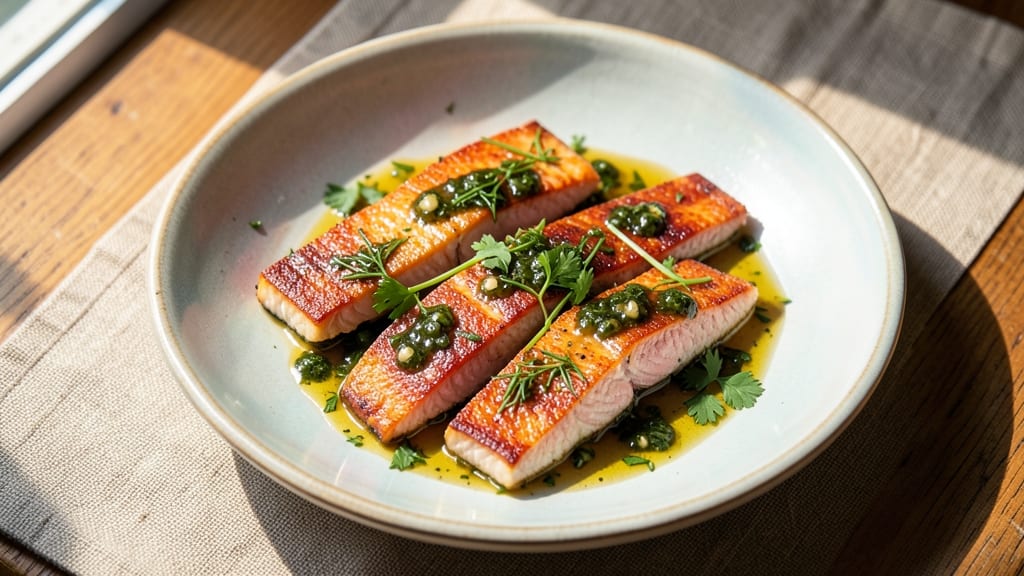
This Mediterranean lemon-garlic crispy red mullet transforms a simple fish into a restaurant-worthy centerpiece with just a few key techniques. The secret lies in the marinade—bright lemon, aromatic garlic, and fresh herbs create a crispy skin while keeping the delicate flesh tender inside.
I first discovered this method while cooking in a Greek taverna, where the owner swore by the same process to achieve that perfect golden crust.
The beauty of this recipe is its simplicity: no complicated techniques, just precise timing and a well-prepared marinade. You'll start by cleaning and scoring the fish, then letting it soak in the lemon-garlic mixture for at least 30 minutes—this ensures maximum flavor absorption.
The result is a dish that's elegant enough for a dinner party but easy enough for a weeknight, with a crispy exterior that shatters at the first bite and a moist interior that melts in your mouth.
What makes this red mullet truly special is how versatile it is—serve it with a side of roasted Mediterranean vegetables, a fresh Greek salad, or crusty bread to soak up every last bit of that zesty garlic sauce.
The aroma alone will have everyone at the table anticipating the first bite, and the presentation is effortlessly impressive with just a sprinkle of fresh parsley. This is the kind of dish that makes cooking feel like a celebration, not a chore.
Pair it with a crisp white wine like Assyrtiko or a refreshing lemon-infused cocktail to complete the Mediterranean experience. The crispy skin and bright flavors make this recipe perfect for any occasion, whether you're cooking for two or hosting a dinner for friends.
Let's get started on creating this crispy delight that will have everyone asking for seconds.
Ingredients for red mullet
Bright lemon, aromatic garlic, and crispy skin—just these ingredients make this Mediterranean fish shine.
| Ingredient | Amount | Notes |
|---|---|---|
| Fresh Red Mullet 🐟 | 1 whole | Cleaned, scaled, skin-on |
| Extra-Virgin Olive Oil 🫒 | ¼ cup | High quality, fruity |
| Fresh Lemon Juice 🍋 | ½ cup | Freshly squeezed |
| Garlic Cloves 🧄 | 6 cloves | Minced, fresh preferred |
| Fresh Parsley 🌿 | ¼ cup | Chopped, for garnish |
| Fresh Dill 🌿 | ¼ cup | Chopped, for marinade |
| Sea Salt 🧂 | 1 tsp | Fine grain preferred |
| Ground Black Pepper 🌶️ | ½ tsp | Freshly ground |
| All-Purpose Flour 🌾 | 2 tbsp | For dredging |
| Panko Breadcrumbs 🍞 | ¼ cup | For extra crunch |
| Fresh Oregano 🌿 | 1 tbsp | Chopped, optional |
The red mullet is the star, so pick one with vibrant color and firm flesh. Local fish markets or Whole Foods usually have the freshest options—ask for it to be cleaned and scaled for you. If you're buying whole, look for a fish that's bright red with no fishy odor. The key is to use it within 2 days for best texture. For the marinade, fresh herbs make all the difference—Trader Joe's often has great pre-washed parsley and dill, but nothing beats the flavor of fresh from the garden.
No fresh dill? Substitute with basil or marjoram at half the amount. Short on panko? Regular breadcrumbs work too, but they won't be as crispy. The lemon juice can be bottled if you're in a pinch, but fresh is always better. For extra crispiness, double the flour and breadcrumbs—just be careful not to over-dredge or the skin won't get crispy. The garlic can be roasted for a sweeter flavor, but fresh minced works perfectly fine. If you're feeling fancy, add a pinch of red pepper flakes to the marinade for a subtle kick.
Marinate the fish for at least 30 minutes—this ensures maximum flavor absorption. Store any leftover marinade in an airtight container for up to 3 days in the fridge, perfect for drizzling over salads or grilled veggies. The cooked fish reheats beautifully—just pop it in a 350°F oven for 10 minutes to restore crispiness. If you have leftovers, they're great in Mediterranean-style grain bowls or wraps the next day.
Why You'll Love This Recipe
- Here’s what sold me: the contrast of that golden, shatteringly crisp skin with the tender, buttery flesh inside. The garlic and parsley mingle into the olive oil like a hug, while the lemon cuts through everything—bright, zesty, and ridiculously satisfying. It’s the kind of bite that makes you close your eyes.
- I’ll be real: the first night, you’ll devour it all. But the second? That’s when it gets good. The mullet stays moist, the oil soaks into the fish, and the flavors deepen. Pack it for lunch or reheat it gently—it’s still the star. And honestly? That’s a win for my wallet and my sanity.
Step-by-step instructions for Mediterranean lemon-garlic crispy delight
Here's how to achieve that perfect crispy exterior with juicy, flavorful mullet every time.
Create the Lemon-Garlic Marinade
In a medium bowl, combine the 0.5 cup fresh lemon juice, 6 cloves minced garlic cloves, 0.25 cup chopped fresh dill, 1 tbsp chopped fresh oregano, 1 tsp sea salt, and 0.5 tsp ground black pepper. Stir until everything is well mixed and the garlic is fully incorporated. This bright, aromatic marinade will infuse the mullet with Mediterranean flavors.
Place the whole fresh red mullet in a shallow dish and pour the marinade over it, making sure it coats all sides thoroughly. Cover and refrigerate for at least 30 minutes—this lets the flavors penetrate deeply. For even more flavor, you can marinate it up to 2 hours, but don't exceed that or the acidity might start to break down the fish.
Prepare the Crispy Coating
In a separate bowl, mix the 2 tbsp all-purpose flour with 0.25 cup panko breadcrumbs. This combination creates a light, crispy crust that won't weigh down the delicate mullet. If you want extra flavor, you can add a pinch of sea salt and freshly ground black pepper to the breadcrumb mixture.
Remove the mullet from the marinade (let any excess drip off) and pat it dry with paper towels. This step is crucial—moisture prevents the coating from sticking properly. Working quickly, dredge the mullet in the flour mixture first, then press it gently into the panko breadcrumbs, ensuring an even layer all over. The coating should adhere well without falling off when you lift the fish.
Sear the Mullet to Golden Perfection
Heat 0.25 cup extra-virgin olive oil in a large skillet over medium-high heat until it shimmers but doesn't smoke. Place the coated mullet in the skillet, skin-side down, and cook for 3-4 minutes without moving it. You'll see the skin start to turn golden brown and crispy—that's your signal to flip carefully using a fish spatula.
Cook the other side for another 3-4 minutes until it's golden brown and the coating is crispy all over. The internal temperature should reach 145°F when checked with a meat thermometer. If the coating starts to brown too quickly, reduce the heat slightly to prevent burning. The goal is a perfectly crispy exterior with tender, flaky fish underneath.
Rest and Garnish for Serving
Transfer the cooked mullet to a plate and let it rest for 5 minutes. This brief resting period allows the juices to redistribute, ensuring every bite is moist and flavorful. While it rests, wipe out the skillet with a paper towel to remove any excess oil, then return it to low heat.
Add a splash of the reserved marinade to the skillet and let it simmer for 1 minute to create a quick pan sauce. Spoon this sauce over the mullet and garnish with 0.25 cup chopped fresh parsley for a pop of color and freshness. Serve immediately with lemon wedges on the side for squeezing over the top—this brightens the dish and cuts through the richness of the crispy coating.
Pro Tips For Making Red Mullet
- Pat the Fish Dry: Red mullet’s skin won’t crisp properly if it’s damp—rub it with paper towels until the surface is almost powdery. I learned this the hard way after slapping fish into a hot pan and ending up with sad, soggy skin instead of golden, shatteringly crisp edges.
- Sear Skin-Side Down: Lay the mullet skin-side down in a very hot pan with olive oil—no moving it for at least 4-5 minutes. After burning three batches, I finally figured out that patience here means the difference between a restaurant-worthy crust and a mealy mess.
- Use Whole Garlic Cloves: Smash the garlic with the flat side of your knife instead of mincing it—this prevents burning and adds a deeper, nuttier flavor. My grandmother swore by this, and she was right: the cloves caramelize just enough to perfume the oil without turning bitter.
- Finish with Lemon Zest: Toss in a strip of lemon zest at the very end—it brightens the dish instantly without overpowering. I was skeptical until I tried it: the citrusy aroma hits you as soon as you plate it, making the whole thing feel fresher. (Yes, even if you’re impatient like me.)
Regional styles of this recipe
Greek Taverna Style
In Greece, red mullet is often prepared with a simple yet bold approach: grilled whole over olive wood with just lemon, oregano, and olive oil. The Greeks call it avgotaracho and serve it with crusty bread to soak up the juices.
I’ve seen it cooked in a clay oven for extra smoky depth, but a cast-iron skillet works just as well. The key is to keep the marinade minimal—just 3 tbsp olive oil, 1 lemon (juiced), 1 tsp dried oregano, and salt—to let the fish’s natural flavor shine. 🌿
Spanish Sofrito Technique
Spain’s coastal regions transform red mullet using a sofrito base—a slow-cooked mix of onions, garlic, tomatoes, and smoked paprika. The fish is often pan-fried in olive oil until the skin crisps, then finished in the sofrito for 5-7 minutes to absorb those deep, smoky flavors.
I love adding a splash of white wine to deglaze the pan, creating a light sauce. Serve with alioli (garlic mayo) for dipping or a side of roasted peppers.
Italian Lemon-Caper Crisp
Italy’s Adriatic coast elevates red mullet with a lemon-caper crust—a mix of breadcrumbs, capers, lemon zest, and parsley pressed onto the fish before baking. The capers add a briny tang that cuts through the richness, while the lemon zest brightens every bite.
I’ve seen this method in Venetian trattorias, where the mullet is baked at 400°F for 12-15 minutes until the crust is golden and shatters. Pair with a white wine reduction made from the pan drippings. 🍋
French Beurre Blanc Finish
French chefs often pan-sear red mullet and finish it with a beurre blanc sauce—a silky emulsion of butter, white wine, and shallots. The sauce clings to the crispy skin, adding a luxurious richness.
I’ve adapted this by adding a pinch of tarragon to the marinade for an extra layer of aroma. Serve with sautéed green beans and a crusty baguette to mop up the sauce. This version feels restaurant-worthy but is surprisingly simple to execute at home.
Turkish Yogurt-Marinated
In Turkey, red mullet is sometimes marinated in yogurt mixed with garlic, mint, and red pepper flakes before being grilled or baked. The yogurt tenderizes the fish while adding a cool, creamy contrast to the crispy skin.
I’ve tried this method and found that Greek-style yogurt works best—just ½ cup yogurt, 2 minced garlic cloves, 1 tbsp mint, and ½ tsp red pepper flakes. Grill the fish skin-side down for 4-5 minutes per side until golden.
Serve with a cool cucumber-tomato salad to balance the heat. 🌶️
Nutrition facts
Frequently asked questions
How do I know if red mullet is fresh?
Look for bright red gills and firm, shiny flesh that springs back when pressed. The eyes should be clear and bulging slightly, not sunken. A fresh fish will have a mild ocean scent—never strong or ammonia-like. Always buy from trusted seafood markets or stores with high turnover rates.
Can I substitute red mullet with another white fish?
Yes, but texture differs. Try sea bass or branzino for similar delicate flesh. Avoid flaky fish like cod—they won't hold up as well with crispy coatings. For best results, choose a fish with a slightly firmer texture and similar size.
Why did my mullet skin stay soggy instead of crispy?
Three likely causes:
- Not patting dry before coating,
- Overcrowding the pan, or
- Cooking at too low heat. Always dry thoroughly, cook in batches, and use medium-high heat for that perfect golden crust. The skin needs direct, even heat to crisp properly.
What's the best way to reheat leftover red mullet?
For crispy skin, broil for 3-4 minutes at 425°F with a splash of lemon juice. For a softer texture, warm in a 350°F oven for 8-10 minutes with foil. Microwaving is not recommended—it makes the skin rubbery. Store leftovers in an airtight container for up to 2 days.
How can I make this dish more flavorful without extra ingredients?
Double the garlic in the marinade and add 1 tsp smoked paprika to the breadcrumb mix. For extra brightness, zest 1 lemon over the finished dish. The key is to let the marinade work longer—try 2 hours instead of 30 minutes for deeper flavor infusion.