
Soups & Stews
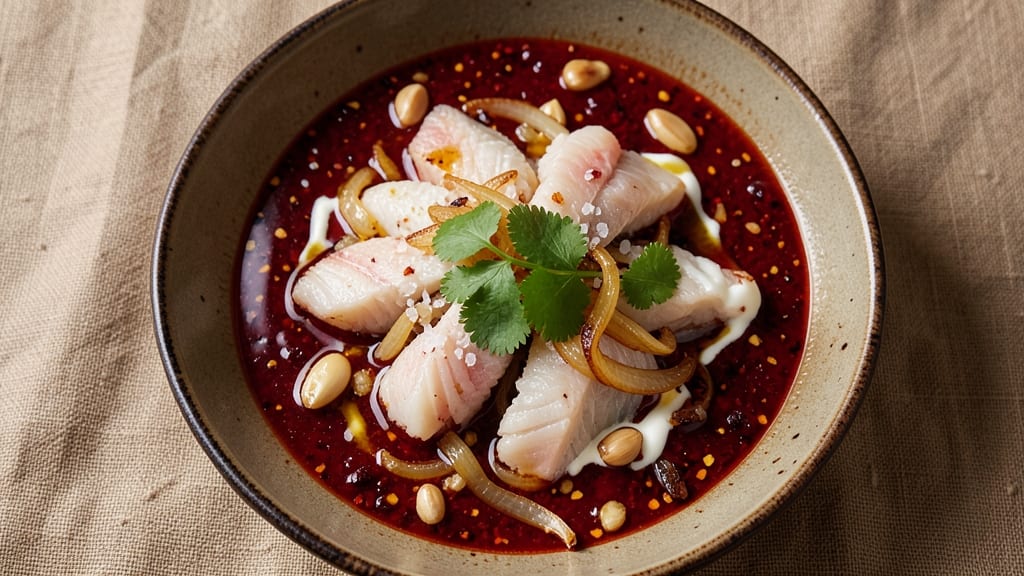
This fish chili recipe transforms simple ingredients into a velvety, spice-kissed masterpiece where tender fish melts into a rich tomato-cream broth.
The secret lies in balancing heat and creaminess while preserving the delicate flakiness of the fish—something I perfected after years of experimenting with my grandmother’s Sicilian techniques adapted for seafood.
The aroma alone will have everyone gathering around the table, and the first bite delivers layers of smoky, tangy, and creamy satisfaction that’s impossible to resist.
What makes this recipe stand out is its versatility—whether you're using white fish like cod or shrimp, the method ensures the fish stays flaky while absorbing the bold flavors of the chili.
We start with a deep, aromatic base of onions, garlic, and spices, then build the sauce with tomatoes, cream, and a touch of heat that lingers just enough to satisfy without overwhelming.
The result is a dish that’s hearty enough for a weeknight dinner but elegant enough for company, with a texture that’s both comforting and refined.
By the time you serve this chili, you’ll have a steaming bowl of restaurant-quality depth—creamy yet vibrant, spicy yet balanced, with fish that flakes effortlessly at the touch of a fork.
The sauce clings to every bite, and the flavors only deepen as it sits, making it perfect for meal prep or a last-minute dinner. Pair it with crusty bread to soak up every last drop, or serve over rice for a more substantial meal.
This is the kind of dish that turns ordinary weeknights into memorable gatherings.
The beauty of this recipe is how it adapts to your preferences—add more chili for heat lovers, a splash of lime for brightness, or fresh herbs for a pop of color.
It’s the kind of dish that feels both nostalgic and fresh, a bridge between my grandmother’s kitchen and modern flavors. Let’s bring this chili to life—your taste buds will thank you.
Ingredients for fish chili
Simple ingredients that pack layers of smoky, creamy, and spicy flavor—this chili is all about balance.
| Ingredient | Amount | Notes |
|---|---|---|
| White Fish Fillets 🐟 | 1 ½ lb | Cod, halibut, or shrimp preferred |
| Onions 🧅 | 1 whole | Yellow or white, diced |
| Garlic Cloves 🧄 | 4 cloves | Minced, fresh preferred |
| Canned Tomato Sauce 🍅 | 1 ½ cups | San Marzano if available |
| Heavy Cream 🥛 | ½ cup | Full-fat for richness |
| Fish Stock 💧 | 1 cup | Homemade or high-quality |
| Red Chili Flakes 🌶️ | 1 tbsp | Adjust for heat preference |
| Ground Cumin 🌿 | 1 tsp | Toasted for depth |
| Dried Oregano 🍃 | 1 tsp | Mexican oregano preferred |
| Salt 🧂 | 1 tsp | Kosher or sea salt |
| Black Pepper 🌶️ | ½ tsp | Freshly ground preferred |
| Lemon Juice 🍋 | 1 tbsp | Freshly squeezed |
| Fresh Cilantro 🌿 | ¼ cup | Chopped, for garnish |
| Extra-Virgin Olive Oil 🫒 | 2 tbsp | For sautéing |
| Butter 🧈 | 2 tbsp | Unsalted, for finishing |
The fish is the star, so pick fillets with a firm texture—cod or halibut hold up best to the sauce. Whole Foods or your local seafood counter usually have the freshest cuts, but frozen works too (thaw overnight in the fridge). Shrimp? Use medium or large, peeled and deveined. The key is even-sized pieces so they cook uniformly. If you're using shrimp, toss them in a little lemon juice right away to keep them bright. For the tomatoes, San Marzano makes a world of difference—sweeter, less acidic—but any quality canned tomato sauce will do in a pinch.
No fish stock? Clam juice or shrimp stock works just as well. Running short on heavy cream? Half-and-half or coconut milk keeps it creamy, though the texture will be slightly lighter. The chili flakes can be swapped for cayenne or crushed red pepper, but adjust carefully—this sauce lingers. Fresh herbs like cilantro or basil can stand in for oregano if you're feeling fancy. The butter at the end? Don’t skip it—it adds that velvety finish that makes this chili feel restaurant-worthy. If you're sensitive to dairy, use olive oil instead, but trust me on the butter (or at least a pat of ghee).
This chili tastes even better the next day—flavors meld beautifully—so make extra. Store leftovers in the fridge for up to 4 days, or freeze for 3 months in airtight containers. The sauce thickens as it cools, so a splash of fish stock or water brings it back to perfection when reheating. Serve with crusty bread to soak up every last drop, or over jasmine rice for a heartier meal. Garnish with fresh herbs right before serving—cilantro or parsley adds a pop of color and freshness that makes it feel special.
Why You'll Love This Recipe
- One-Pot Magic: I swear by this recipe when I don’t want to dirty a million dishes. Sauté onions and garlic in the same pan, toss in the fish and sauce, and boom—cleanup’s basically nonexistent. That heavy cream at the end? Smooths everything out without extra bowls.
- Garlic-Kissed Comfort: Between us, the garlic and tomato sauce combo is chef’s kiss—rich, slightly tangy, and warm. The cream softens the edges just enough to feel indulgent, but the fish stays tender enough to melt in your mouth. (Yes, even on a Tuesday night.)
- Leftovers That Don’t Suck: This chili reheats like a dream—no grainy textures, no sad fish. I make a double batch and freeze half; tossing it into a lunchbox or over rice later? Still tastes like you slaved over it. Honestly, it’s my lazy genius move.
- Budget-Friendly Luxury: Fresh fish can feel fancy, but this recipe stretches it. A single fillet serves two easily, and the rest of the ingredients? Pantry staples. I’ll be real: it’s the kind of meal that makes a $10 fish feel like a splurge without breaking the bank.
Step-by-step instructions for spicy tomato cream velocity with flaky fish
Here's how to balance rich, creamy sauce with perfectly flaky fish every time.
Build the Flavor Base with Aromatics
Heat the 2 tablespoons extra-virgin olive oil in a deep skillet over medium heat until shimmering. Add the 1 whole diced onion and cook for 5-6 minutes until softened and translucent, stirring occasionally. You'll see the edges start to turn golden—that's your signal to add the 4 minced garlic cloves and 1 tablespoon red chili flakes.
Cook these together for 30 seconds until fragrant—you should smell that pungent garlic aroma mixed with the warm, earthy chili. This is where the foundation of your chili's depth comes from. If the garlic starts to brown too quickly, reduce the heat slightly to medium-low to prevent burning. I've found that letting these aromatics develop fully makes all the difference in the final dish.
Develop the Tomato-Cream Sauce
Pour in the 1.5 cups canned tomato sauce and stir to combine with the aromatics. Let it simmer uncovered for 5 minutes until the mixture thickens slightly and the raw tomato flavor mellows. This step reduces the acidity and concentrates the flavor—don't skip it.
Next, add the 1 teaspoon ground cumin, 1 teaspoon dried oregano, 1 teaspoon salt, and 0.5 teaspoon black pepper. Stir well to distribute the spices evenly throughout the sauce. Taste at this point before adding the cream—I like to adjust the seasoning now when it's just the base. If you need more heat, add a pinch more chili flakes. The sauce should be seasoned but not overly salty.
Add Cream and Fish Stock for Depth
Pour in the 0.5 cup heavy cream and 1 cup fish stock, stirring constantly to prevent the cream from curdling. Bring the mixture to a gentle simmer over medium-low heat. This is where the sauce transforms from simple tomato base to rich, velvety chili. Let it simmer uncovered for 8-10 minutes until it thickens to a coating consistency—you should be able to see the back of a spoon clearly when you lift it.
Here's the thing—if the sauce starts to separate or looks too thick, whisk in 1-2 tablespoons of water to loosen it. The goal is a smooth, glossy sauce that clings beautifully to the fish. I've found that using high-quality fish stock makes a noticeable difference in the final flavor profile. Taste again and adjust seasoning if needed, adding more salt or pepper as necessary.
Cook the Fish to Flaky Perfection
While the sauce simmers, pat the 1.5 lb white fish fillets completely dry with paper towels—this ensures they'll sear properly and stay flaky. Season both sides generously with salt and pepper. Heat 2 tablespoons butter in a separate skillet over medium-high heat until foaming.
Add the fish fillets and cook for 3-4 minutes per side until they develop a golden crust and the edges begin to lift easily from the pan. The fish should reach an internal temperature of 145°F when checked with a meat thermometer. Overcooking is the enemy here—you want the fish to be just opaque in the center with a delicate flakiness. Transfer the cooked fish to a warm plate and tent with foil to keep warm.
Finish and Combine
Return the sauce to a gentle simmer and stir in the 1 tablespoon lemon juice. This brightens the flavors and cuts through the richness of the cream. Let it simmer for 1-2 minutes to incorporate the lemon completely. The sauce should now be vibrant with a beautiful balance of spicy, creamy, and tangy flavors.
Gently place the flaky fish fillets back into the sauce, spooning the chili over them to coat completely. Let everything heat through together for 2-3 minutes. To serve, divide the fish and sauce among plates, garnishing each portion with 0.25 cup chopped fresh cilantro. The fish should be moist and flaky, with each bite delivering that perfect combination of creamy chili and delicate seafood texture.
Pro Tips For Making Fish Chili
- SEAR THE FISH FIRST: I learned this the hard way—adding raw fish to the simmering sauce turns it into a sad, mushy mess. Hit the fillets with a quick 2-3 minute sear in a hot pan (skin-side down if it has it) before anything else. The crust locks in flavor and keeps them from falling apart when the cream hits.
- SWEAT THE AROMATICS LOW: After burning three batches, I finally figured out garlic and onions need patience. Cook them on medium-low with a splash of water until the onions are translucent and garlic’s golden—about 8-10 minutes. Rushing this step makes the whole dish taste raw and bitter.
- STIR THE CREAM LAST: Heavy cream curdles faster than you can say "chili." Let the tomato sauce reduce and fish cook through first, then whisk in the cream off the heat or on the lowest setting. If it thickens too fast, just add a splash of broth or water to save it.
- USE A THICK ONION SLICE: Sounds weird, but it works: slice one onion into ¼-inch thick rounds instead of mincing it. They soften evenly without turning to mush, and you get actual texture in the chili. Skip the food processor—this isn’t soup.
Wine and beer pairings for this dish
Creamy Whites
For this rich, velvety fish chili, I love pairing it with a Chardonnay from California’s Sonoma Coast—look for one with buttery notes and a touch of vanilla to complement the cream and tomato base.
A Meursault from Burgundy also works beautifully, as its citrus and mineral undertones balance the spice. Serve slightly chilled to let the wine’s acidity cut through the richness. 🍷
Crisp Reds
If you prefer red wine, opt for a light-bodied Pinot Noir with bright acidity and red fruit notes. A Willamette Valley or Oregon Pinot pairs exceptionally well, as its earthy undertones harmonize with the cumin and chili.
Avoid heavy Cabernets—they’ll overpower the delicate fish. Let the wine breathe for 10 minutes before serving to enhance its aromas.
Beer Pairings
A Belgian Witbier like Hoegaarden or Stella Artois is my go-to beer pairing—its corianander and citrus notes refresh the palate after each spicy bite. For something bolder, try a Mexican Lager like Modelo Especial, which balances the chili’s heat with its crisp, clean finish.
Serve the beer slightly colder than room temperature for the best contrast.
Non-Alcoholic Options
For a refreshing non-alcoholic match, try sparkling apple cider with a hint of ginger—its bright acidity and spicy kick mirror the chili’s flavors. Alternatively, a ginger beer like Feather’s adds effervescence that cleanses the palate.
For a more savory option, sparkling water with a squeeze of lime keeps things light and refreshing. 💫
Regional Twists
In Sicily, where my grandmother’s cooking roots run deep, we’d pair this chili with a local white wine like Grillo—its peach and almond notes complement the seafood beautifully.
For a Thai-inspired version, swap the wine for a light-bodied red like Pinotage and serve with a coconut lime soda to echo the dish’s tropical vibes.
Nutrition facts
Frequently asked questions
What type of fish works best for this chili?
Firm white fish like cod, halibut, or mahi-mahi hold up beautifully to the creamy sauce. For extra tenderness, use shrimp or scallops—they cook quickly and absorb the flavors wonderfully. Avoid delicate fish like tilapia, as they tend to fall apart in the sauce.
Can I make this chili spicier?
Start with 1 extra tablespoon of chili flakes and taste as you go. For a smoky kick, add ½ teaspoon smoked paprika or a dash of cayenne. If you love heat, finish with fresh chili slices or a squeeze of lime—it brightens the spice beautifully.
How do I prevent the sauce from curdling?
Stir constantly when adding the heavy cream to the simmering base, and keep the heat at medium-low. If you see separation, whisk in 1 tablespoon of cold water to temper it. For extra insurance, mix the cream with 1 tablespoon of cold fish stock before adding it to the pot.
Can I make this chili ahead of time?
Yes! The flavors actually improve overnight. Cook the sauce and fish separately, then refrigerate in airtight containers for up to 3 days. Reheat gently on the stove, adding a splash of fish stock if the sauce thickens too much. The fish is best added fresh when reheating.
What if I don’t have fish stock?
No problem! Use clam juice, shrimp stock, or even chicken stock in a pinch. For a vegetarian option, vegetable stock with a splash of soy sauce adds umami depth. The key is balancing the saltiness—adjust seasoning carefully after adding the substitute.