
Main Courses
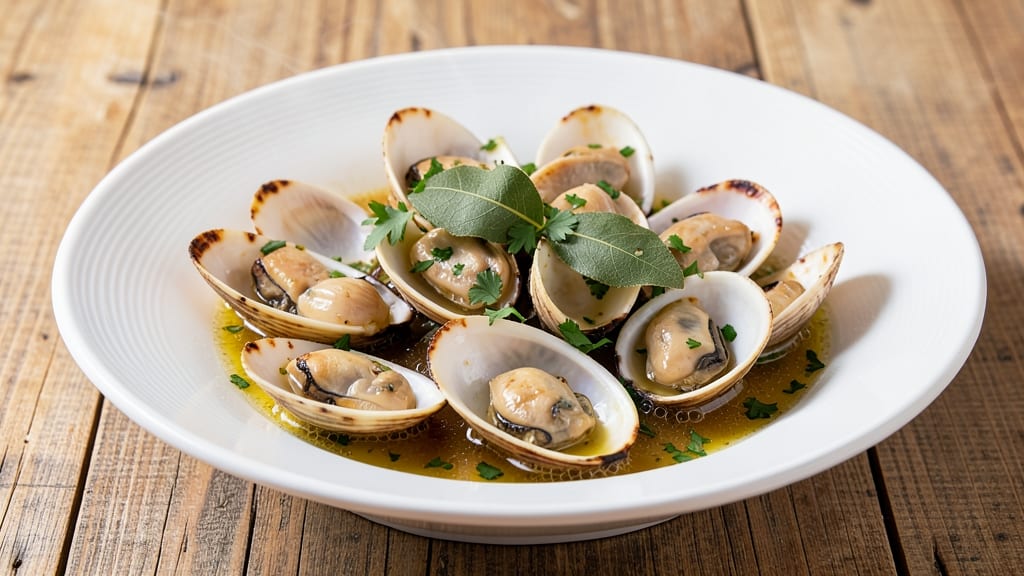
This Portuguese clams recipe transforms simple seafood into a restaurant-worthy dish with just white wine, garlic, and fresh herbs. Standing on a step stool in my grandmother’s kitchen in Sicily, I learned how to coax flavor from humble ingredients—this recipe does the same, but with clams instead of pasta.
The secret lies in steaming them just until they open, preserving their natural brininess while absorbing the bright, garlicky wine broth.
The process begins with cleaning and degorging the clams—a step that separates home cooks from the pros, but I’ll walk you through it. Once prepped, the clams steam in a fragrant broth of white wine, garlic, and bay leaf for just 5-7 minutes, until they’re plump and juicy.
The result? A dish so simple yet so satisfying that it feels like a coastal Portuguese feast, even on a weeknight.
What you’ll end up with is a plate of perfectly steamed clams nestled in a rich, aromatic broth—juicy, tender, and bursting with flavor. The garlic and wine infuse every bite, while the herbs add a fresh finish.
This is the kind of meal that makes you want to linger at the table, savoring each delicate bite.
Pair it with crusty bread to soak up the broth or serve alongside a simple green salad for a complete meal. The recipe delivers restaurant-quality results with minimal effort, proving that sometimes the simplest dishes are the most impressive. Let’s get cooking!
Ingredients for portuguese clams
Nine ingredients, coastal flavors—just clams, wine, and herbs do the heavy lifting here.
| Ingredient | Amount | Notes |
|---|---|---|
| Fresh Clams 🦪 | 2 lb | Live, medium-sized, cleaned and degorged |
| Dry White Wine 🍷 | 1 cup | Sauvignon Blanc or Vinho Verde preferred |
| Garlic Cloves 🧄 | 6 cloves | Thinly sliced, not minced |
| Fresh Parsley 🌿 | ¼ cup | Chopped, stems removed |
| Fresh Bay Leaves 🍃 | 2 whole | Dried works in pinch |
| Extra-Virgin Olive Oil 🫒 | 2 tbsp | High quality, fruity |
| Lemon Juice 🍋 | 1 tbsp | Freshly squeezed |
| Salt 🧂 | 1 tsp | Kosher or sea salt |
| Ground Black Pepper 🌶️ | ½ tsp | Freshly ground preferred |
| Red Chili Flakes 🔥 | ¼ tsp | Optional, for heat |
| Crusty Bread 🍞 | 4 slices | For serving, optional |
Clams are the star, so grab the freshest you can find. Whole Foods or your local seafood market will have the best selection—look for clams that are tightly closed and smell briny, not fishy. Medium-sized clams (about 1.5 to 2 inches) steam perfectly in 5-7 minutes. If you're unsure about cleaning them, most seafood markets will do it for you (or I'll walk you through it in the instructions). The white wine? Sauvignon Blanc or Portuguese Vinho Verde adds the perfect acidity, but any dry white will work. Avoid sweet wines—they’ll throw off the balance.
No fresh bay leaves? Dried works at half the amount, but fresh is ideal. Short on parsley? Fresh cilantro or basil works in a pinch, though parsley’s bright flavor is classic. Running out of wine? Dry vermouth or even clam juice keeps the dish on track. The olive oil matters here—use something you’d drizzle on bread, not the cheap stuff. And if you’re feeling adventurous, swap the red chili flakes for a pinch of smoked paprika for a different twist. The lemon juice is non-negotiable though—it brightens everything up.
Prepped clams keep in the fridge for 1 day max—they’re best used fresh. The wine broth can be made ahead and reheated gently, but add the clams just before serving so they stay tender. Store any leftover broth in an airtight container for up to 3 days—it’s perfect for soups or risotto. The crusty bread? Grab a baguette from the bakery section—it’ll soak up every last drop of that garlicky wine broth.
Why You'll Love This Recipe
- One-Pot Magic: I swear by this—just clams, wine, garlic, and a splash of water. No fancy gadgets, no last-minute grocery runs. The wine and bay leaves infuse in minutes while you chop parsley (which, honestly, I often buy pre-washed to save time).
- Garlic-Wine Bomb: That first sip of the simmering liquid—bright, briny, with garlic so mellow it’s almost sweet—is what makes me reach for this every time. The clams steam open in their own broth, so tender they practically melt. (Yes, even my picky husband doesn’t fake it.)
- Weeknight to Date Night: Same recipe, totally different vibes. Serve it over crusty bread with a side salad for a lazy Tuesday, or drizzle with olive oil and extra parsley for a restaurant-worthy plate. The wine cuts through the richness, so it’s light enough for summer but hearty enough for winter.
- Leftovers? No Problem: The broth reduces into a rich, clammy sauce that’s way better the next day. I freeze it in portions for quick pasta sauces or rice bowls—just reheat and add a splash of water. (Between us, I’ve used it to revive dry croutons. Don’t judge.)
Step-by-step instructions for Portuguese clams recipe
Here's how to transform simple clams into restaurant-quality perfection with just a few key techniques.
Prepare the Clams and Aromatics
Start by thoroughly cleaning the 2 lb fresh clams under cold running water, scrubbing each shell with a stiff brush to remove any debris. Discard any clams that are open and don't close when tapped gently - only use those that snap shut tightly. This ensures you end up with plump, juicy clams ready for cooking.
While you prepare the clams, finely chop the 6 cloves garlic into thin slices (not minced) and roughly chop the ¼ cup fresh parsley, removing any tough stems. Tear the 2 whole fresh bay leaves into smaller pieces - they'll infuse the wine with their earthy aroma as it steams. Keep all your aromatics together in a small bowl until ready to use.
Sauté the Garlic in Olive Oil
Heat the 2 tablespoons extra-virgin olive oil in a large, deep skillet over medium heat until shimmering but not smoking. Add the sliced garlic and sauté for 1-2 minutes until it becomes fragrant and just begins to turn golden - you want that nutty aroma without letting it burn. This quick cooking preserves the garlic's sweetness rather than turning bitter.
Here's where it gets important: immediately add the 2 whole fresh bay leaves and ¼ teaspoon red chili flakes (if using) to the garlic. Stir everything together for 30 seconds to combine the flavors. The heat will release the essential oils from the bay leaves, creating the aromatic base for your clams. Remove the skillet from heat briefly to prevent burning while you prepare the next components.
Deglaze with Wine and Lemon
Return the skillet to medium-low heat and carefully pour in the 1 cup dry white wine, scraping up any browned bits from the bottom with a wooden spoon. These bits contain concentrated flavor that will elevate your dish. Let the wine simmer gently for 3-4 minutes until it reduces by about one-third, creating a fragrant, slightly syrupy liquid.
Stir in the 1 tablespoon lemon juice and 1 teaspoon salt, then add the ½ teaspoon ground black pepper. Taste the liquid - it should be bright, garlicky, and slightly acidic. This is your flavor base that will steam the clams to perfection. If you're using the 4 slices crusty bread, lightly toast them in the oven at 375°F while you finish cooking the clams.
Steam the Clams to Juicy Perfection
Working quickly, add the prepared clams to the skillet, arranging them in a single layer if possible. Cover immediately with a tight-fitting lid and cook over medium-low heat for 5-7 minutes. You'll see steam rising from the clams as they release their briny liquid and absorb the wine's flavors. The key is patience - resist the urge to peek or stir, as this disturbs the even cooking process.
After 5 minutes, check for doneness by opening one clam carefully. The clams are done when their shells open completely and the meat is just beginning to curl at the edges. If any clams remain closed, they're still cooking - continue for another 1-2 minutes. Discard any clams that don't open during cooking as they're not fresh.
Finish and Serve Immediately
Once all clams are open, remove the lid and let the clams steam for another 1-2 minutes to allow any remaining liquid to evaporate slightly. This creates a more concentrated sauce that clings beautifully to the clams. Discard any bay leaves that remain in the pan and sprinkle the chopped parsley over the clams just before serving.
Serve the clams immediately in their steaming skillet, accompanied by the toasted crusty bread for soaking up the delicious juices. Each bite should deliver perfectly cooked clams with tender, juicy meat that's infused with garlic, white wine, and lemon. The sauce should coat the clams lightly, enhancing their natural brininess without overpowering it.
Pro Tips For Making Portuguese Clams
- Steam First, Then Sear: Start by covering the clams with just enough water to steam them for 2-3 minutes—this loosens the grit and preps them for the wine. After they open, drain them and hit the pan with high heat to crisp the edges. I learned this the hard way: skipping the steam step means fighting gritty clams later, and low heat ruins the texture.
- Use Aged Wine, Not Cooking Wine: That cheap "cooking wine" is a crime in this dish—it tastes like vinegar and overpowers the clams. Grab a dry white wine you’d actually drink (like a Vinho Verde or Sauvignon Blanc) and use at least ½ cup per pound of clams. The alcohol burns off, but the flavor lingers, and it’s worth the splurge.
- Smash Garlic, Don’t Mince: Whole cloves burn before they release flavor, and minced garlic turns to mush. Smash 4-5 cloves with the flat side of your knife first, then finely chop—this gives you aromatic oil without bitterness. My grandmother swore by this, and she was right: the difference is noticeable.
- Taste the Wine Before Adding Clams: After deglazing the pan with wine, taste it—it should be bright and clean, not flat. If it’s dull, add a splash of lemon juice or a pinch of sugar to balance. I was skeptical until I tried it: this step guarantees the wine’s acidity cuts through the richness of the clams instead of getting lost.
Essential equipment for perfect results
Steaming Skillet Essentials
Your large, deep skillet is the star here—I swear by a 12-inch cast iron skillet from Lodge for even heat distribution and durability. The deep sides prevent spills when steaming, and cast iron retains heat beautifully.
If you don’t have cast iron, a heavy stainless steel skillet like All-Clad works too, but avoid nonstick—it can’t handle the wine’s acidity without leaching flavors. 🔥
Wooden Tools Matter
Use a wooden spoon (I keep my Nonna’s cherry wood one) to stir the wine and scrape up flavorful browned bits—metal spoons can scratch your skillet or react with the acidity.
A wooden spatula helps gently lift clams without breaking their shells. Avoid plastic tools near heat, and never use metal utensils when the pan is hot to prevent damage.
Tight-Fitting Lid
A tight-fitting lid is non-negotiable for steaming—it traps moisture and cooks the clams evenly. I prefer a glass-lidded skillet (like Le Creuset) so I can peek without losing steam.
If your lid doesn’t fit snugly, prop a small towel around the edges to seal any gaps. A steamer basket isn’t needed—clams steam perfectly in the pan with the aromatics.
Heat Control Tools
Invest in a kitchen thermometer (I love the Thermoworks Thermapen) to monitor your stovetop heat—medium-low should be around 275–300°F. A heat-resistant silicone spatula helps check clam doneness without burning your hands.
For the garlic, a microplane creates thin slices faster than a knife, but a sharp chef’s knife works too.
Freshness Checkers
Before cooking, a small hammer or mallet tests clam freshness—tap open clams gently; they should snap shut. A stiff brush (like OXiClean’s) cleans shells thoroughly. For aromatics, a garlic press speeds up mincing, but I prefer slicing thinly with a knife for better texture.
A fine-mesh strainer catches any debris when rinsing clams.
Nutrition facts
Frequently asked questions
How do I know if my clams are fresh enough for this recipe?
Fresh clams should be tightly closed and smell briny, not fishy. Tap open clams gently—they should snap shut. If any clams are open and don't close, discard them. For extra safety, soak them in saltwater (1/4 cup salt per gallon of water) for 20 minutes before cooking to let them purge any sand. This recipe works best with medium-sized clams (1.5-2 inches).
Can I substitute the white wine with something else?
Use dry vermouth, clam juice, or even low-sodium chicken broth in a pinch. Avoid sweet wines or juices—they’ll throw off the dish’s bright acidity. For a non-alcoholic version, use apple cider vinegar + water (1:3 ratio) and add a pinch of sugar to balance. The key is acidity and depth of flavor.
What if my clams don't open while cooking?
Discard any clams that remain closed after 7-8 minutes of steaming—they’re likely bad. The good news? Fresh clams should open completely with plump, tender meat. If you’re unsure, cut into one: the meat should be opaque and firm, not translucent or slimy. Never eat clams that stay closed or smell sour.
How can I make this recipe ahead of time?
Prep the wine-garlic broth up to 1 day ahead and store it in an airtight container. Reheat gently on the stove, then add the clams fresh for steaming. For the clams themselves, keep them raw in the fridge (in a bowl of ice) for up to 12 hours max—they’re best used the same day. The parsley should always be added fresh right before serving.
What’s the best way to serve this dish?
Serve immediately in the steaming skillet with crusty bread for soaking up the broth. For a complete meal, pair with a simple mixed greens salad (tossed with olive oil and lemon) or roasted potatoes. The wine-infused juices make this perfect for sharing—just grab extra bowls for the sauce! Leftovers? The broth freezes well for up to 3 months.