
Main Courses
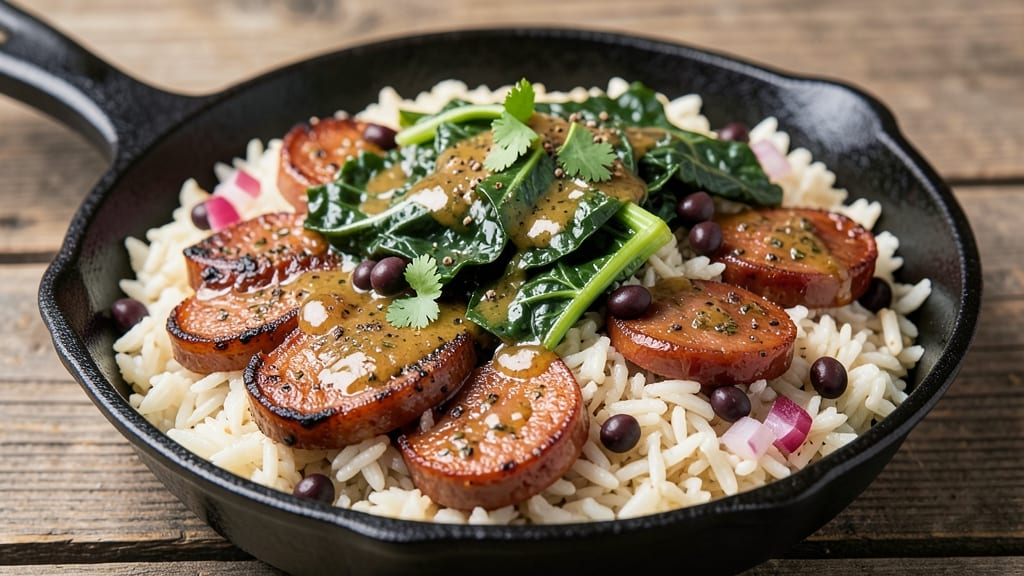
This Pioneer Woman Hoppin John recipe brings the soul-warming tradition of Southern comfort to your table with its signature smoky black-eyed peas, tender sausage, and rich collard greens. The dish isn’t just a meal—it’s a celebration of heritage, often served on New Year’s Day for its promise of prosperity.
I’ve perfected the balance of textures and flavors, ensuring every bite delivers that hearty, satisfying crunch of black-eyed peas and the deep, savory notes of slow-cooked pork.
The secret to authentic Hoppin John lies in the slow cooking process, where the flavors meld together over hours, creating a dish that’s both rustic and refined.
You’ll start with black-eyed peas soaked overnight for maximum tenderness, then simmer them with smoked sausage and ham hocks until the liquid reduces into a thick, flavorful broth.
The collard greens wilt into submission, absorbing all that smoky goodness, while the rice absorbs the essence of the pot, becoming the perfect vessel for every bite.
What you’ll end up with is a dish that’s rich, hearty, and deeply comforting—perfect for gathering loved ones around the table. The smoky aroma alone will fill your kitchen with warmth, while the flavors deliver on that classic Southern promise of satisfaction.
This isn’t just a recipe; it’s a tradition you can make your own, whether you stick to the classic or add a modern twist like smoked sausage or vegan substitutions.
Serve it with cornbread to soak up every last drop of that smoky, savory broth, and prepare for compliments that’ll make you the star of the meal. Here’s how to bring this timeless dish to life in your own kitchen.
Ingredients for pioneer woman hoppin john
Six core ingredients that transform into a legendary Southern dish—smoky, hearty, and full of tradition.
| Ingredient | Amount | Notes |
|---|---|---|
| Black-Eyed Peas (Dried) 🌱 | 1 ½ cups | Soaked overnight for tenderness |
| Smoked Sausage 🥓 | 1 ½ lb | Kielbasa or andouille preferred |
| Ham Hocks 🍖 | 2 whole | Or substitute smoked ham bones |
| Collard Greens 🥬 | 1 lb | Fresh, stems removed |
| Long-Grain White Rice 🍚 | 2 cups | Uncooked, jasmine or basmati |
| Onion 🧅 | 1 whole | Yellow or red, chopped |
| Garlic Cloves 🧄 | 4 cloves | Minced for depth of flavor |
| Bay Leaves 🍃 | 2 whole | Fresh for best aroma |
| Dried Thyme 🌿 | 1 tsp | Or 1 tbsp fresh thyme |
| Salt 🧂 | 2 tsp | Kosher or sea salt |
| Black Pepper 🌶️ | ½ tsp | Freshly ground for heat |
| Smoked Paprika 🌶️ | 1 tsp | For authentic smoky flavor |
| Water 💧 | 8 cups | For soaking and cooking |
| Chicken Broth 🍲 | 4 cups | Low-sodium preferred |
The black-eyed peas are the soul of this dish. Look for dried peas at Southern grocery stores or the bulk section of natural markets—they hold up better than canned. Soak them overnight (or at least 8 hours) in plenty of water—this cuts cooking time dramatically. For the sausage, Kielbasa or andouille from Trader Joe's or Costco add that perfect smoky kick. Ham hocks can be pricey, but they're worth it—they melt into the broth and infuse it with deep, savory flavor. If you can't find them, smoked ham bones work too, though they'll take longer to render fat. The collard greens should be vibrant and fresh—Heirloom varieties from a farmers market have the best texture.
No smoked sausage? Substitute smoked turkey sausage or even extra ham hocks for a similar effect. Running short on bay leaves? Dried thyme at double the amount works in a pinch, but fresh is always better. The rice can be jasmine or basmati—both absorb the broth beautifully. For a modern twist, swap half the rice for quinoa or brown rice. The smoked paprika is key for that authentic flavor—Penzeys or McCormick brands are reliable. If you don't have any, a pinch of liquid smoke (just a teaspoon) can mimic it, but use sparingly. The broth should be low-sodium—you'll be adding plenty of salt during cooking.
This dish tastes even better the next day, so make a double batch if you're feeding a crowd. Store leftovers in the fridge for up to 5 days or freeze for 3 months. The peas and greens soften further when reheated, so keep an eye on them. For serving, I like to portion the rice and peas together with a scoop of cornbread—the perfect ratio is 2:1 peas to rice. The broth left in the pot? Save it for soup or gravy—it's packed with flavor.
Why You'll Love This Recipe
- One-Pot Magic: I swear by this recipe because it’s literally dump-and-simmer. Soak those dried black-eyed peas overnight (or use canned if you’re in a rush), toss everything—sausage, ham hocks, collards, rice—into one pot, and let it work its flavor while you fold laundry. Less dishes, more time for the good stuff.
- Smoky, Savory Soul: Between the smoky sausage, the deep umami from ham hocks, and the earthy collards, this dish is ridiculously flavorful without needing fancy tricks. The rice soaks up all the juices, turning every bite into a little burst of comfort. Honestly, my picky-eater husband goes back for thirds—high praise.
- Leftovers for Days: This recipe practically begs to be made in bulk. The flavors get richer overnight (yes, even better the next day), and it reheats like a dream. I freeze portions for lazy Mondays or last-minute game-day snacks. Plus, the ham hocks add so much flavor you’ll want to save them for the next batch.
- Budget-Friendly Feast: Dried peas and pork bones stretch this meal into a full spread without breaking the bank. It’s the kind of dish that makes grocery bills feel less painful—especially when you’re feeding a crowd. Between us, I’ve fed eight people for under $15 with this recipe. That’s a win.
Step-by-step instructions for smoky black-eyed peas and sausage comfort
Here's how to create this soul-warming dish that brings classic Southern flavors to your table.
Prepare the Black-Eyed Peas and Sausage
Begin by rinsing the 1.5 cups black-eyed peas (dried) under cold water to remove any debris. Place them in a large pot and cover with 8 cups water. Bring to a boil, then reduce heat to a simmer and cook for 2 minutes. Drain and set aside.
While the peas soak, cut the 1.5 lb smoked sausage into ½-inch thick slices or rounds. In a large Dutch oven, combine the sausage with the 2 whole ham hocks, 1 whole chopped onion, 4 cloves minced garlic, 2 whole bay leaves, 1 tsp dried thyme, 1 tsp smoked paprika, 2 tsp salt, and 0.5 tsp black pepper. Cook over medium heat for 10 minutes, stirring occasionally, until the sausage begins to brown and the onions soften.
Simmer the Base Ingredients
Add the drained black-eyed peas to the Dutch oven along with 4 cups chicken broth. Stir well to combine, then bring the mixture to a boil. Once boiling, reduce heat to low and let it simmer uncovered for 30 minutes. This allows the flavors to meld and the peas to begin softening.
After 30 minutes, check the peas for tenderness. They should be soft but still hold their shape. If they're not quite tender, continue simmering for another 10-15 minutes. The liquid should reduce slightly but still cover the ingredients. If it gets too low, add a little water or broth to maintain the level.
Add Collard Greens and Rice
While the peas simmer, prepare the 1 lb collard greens by removing the stems and chopping the leaves into 1-inch strips. Add the collard greens to the Dutch oven and stir to combine. They'll wilt down as they cook.
Next, rinse the 2 cups long-grain white rice under cold water to remove excess starch. Stir the rice into the pot, spreading it evenly over the top of the peas and greens. The rice should be submerged just below the surface of the liquid. Bring the mixture back to a gentle boil, then reduce heat to low, cover the pot with a tight-fitting lid, and let it simmer for 25-30 minutes.
Steam and Rest for Perfect Texture
After 25-30 minutes, check the rice for doneness. It should be tender with a slight bite in the center. If it's not quite done, cover the pot and cook for another 5-10 minutes. The peas should be fully tender and the collard greens should be soft and tender.
Once the rice is perfectly cooked, remove the pot from heat and let it rest, covered, for 10 minutes. This resting period allows the rice to absorb any remaining liquid and the flavors to fully meld together. Fluff the rice gently with a fork before serving, ensuring every bite is packed with smoky sausage, tender peas, and rich broth.
Pro Tips For Making Pioneer Woman Hoppin John
- Soak the Peas Overnight: I learned this the hard way—rushing the black-eyed peas by just boiling them dry leads to tough, mealy results. Soak them in plenty of water (at least 4 cups per pound) for 8–12 hours before cooking. The Pioneer Woman recipe calls for a long simmer, but soaked peas absorb flavor better and stay creamy, not mushy.
- Render the Ham Hocks First: Skip the urge to toss everything in the pot at once. Brown the ham hocks in a cold skillet over medium heat until they release fat and deepen in color—this takes 10–15 minutes. That rendered fat becomes the base for the rice, adding richness without extra oil. (Yes, even if you’re impatient like me.)
- Chop Collards Small and Tender: The recipe might say "chopped," but I’ve seen collards turn to sludge when left in big chunks. Strip them into 1-inch pieces, then blanch them for 2 minutes in boiling water before adding to the pot. This softens them just enough to melt into the rice without turning to mush—no one wants a bowl of green paste.
- Use a 1:2 Rice-to-Liquid Ratio: The Pioneer Woman version works, but I’ve found the rice often dries out if you follow the recipe’s liquid measurements exactly. For every cup of rice, use 2 cups of liquid (broth + ham hock/peas liquid). The smoky sausage and ham hocks contribute flavor, but not enough moisture—this guarantees fluffy, not gummy, rice. (Your future self will thank you.)
Dietary considerations for this recipe
Gluten-Free Adaptations
Traditional Hoppin John uses rice, which is naturally gluten-free, but the smoked sausage and broth often contain hidden gluten. Opt for gluten-free smoked sausage from brands like Applegate or Field Turf, which are certified gluten-free.
For broth, use gluten-free chicken broth like Imagine or Pacific Foods to avoid cross-contamination. The collard greens and black-eyed peas are inherently gluten-free, so no substitutions are needed there. 🌱
Vegetarian/Vegan Options
Skip the smoked sausage and ham hocks entirely for a plant-based version. Replace them with smoked tofu or mushrooms (like shiitake or cremini) for umami depth. Use vegetable broth instead of chicken broth, and add liquid smoke (½ tsp) to mimic the smoky flavor.
For protein, toss in lentils or white beans—they absorb flavors beautifully and add heartiness. The collard greens and black-eyed peas remain the star ingredients.
Low-Carb Modifications
Swap the rice for cauliflower rice (fresh or frozen) to cut carbs while keeping the dish’s texture. Use 1 cup cauliflower rice per 2 cups traditional rice—it cooks faster and absorbs the smoky broth just as well.
For extra flavor, sauté the cauliflower rice with a pinch of garlic powder and smoked paprika before adding it to the pot. The black-eyed peas and collard greens stay unchanged, ensuring the dish remains satisfying without the carb overload. ✨
Protein Swaps
If you’re avoiding pork, try turkey sausage or chicken sausage for a lighter option. For a seafood twist, add smoked salmon or shrimp in the last 5 minutes of cooking—they’ll infuse the dish with briny depth.
Another great swap is andouille sausage, which brings a Cajun-inspired kick. Just ensure any substitute you choose has a smoky or savory profile to honor the dish’s traditional flavors.
Allergen-Friendly Tips
For nut allergies, avoid cross-contamination by using separate utensils and cookware. If dairy is a concern, skip any added butter (though this recipe doesn’t typically include it). For soy allergies, check smoked sausage labels—some brands use soy as a binder.
Always opt for certified allergen-free products when in doubt. The black-eyed peas, collard greens, and rice are naturally free of common allergens, making this dish surprisingly adaptable. 💡
Nutrition facts
Frequently asked questions
Why is Hoppin John traditionally served on New Year's Day?
Hoppin John carries deep cultural significance in Southern traditions, symbolizing prosperity and good luck for the coming year. The peas represent coins (for wealth), the rice stands for abundance, and the collard greens symbolize paper money. Many families believe eating it on New Year's Day brings financial success and protection throughout the year.
Can I substitute canned black-eyed peas instead of dried?
While dried peas create the most authentic texture, you can use canned peas in a pinch. Drain and rinse them well, then add them with the sausage and broth. However, they won't develop the same rich, smoky flavor as properly soaked dried peas. For best results, soak dried peas overnight—it's worth the extra time!
How do I know when the rice is perfectly cooked?
The rice should be tender with a slight bite in the center—it should feel firm but not hard. Test it by inserting a fork: if it slides in easily but holds its shape, it's done. If it's still crunchy, cover the pot and cook for another 5 minutes. Never overcook or the peas will become mushy.
What if my Hoppin John tastes too salty?
This happens when using store-bought broths with high sodium content. To fix it, add 1 cup of water or unsalted broth and simmer uncovered for 10 minutes to dilute the salt. For prevention, use low-sodium broth and taste as you go—you can always add more salt later, but you can't remove it!
Can I make this dish in a slow cooker?
Brown the sausage and onions first, then transfer everything to a 6-quart slow cooker. Cook on low for 6-7 hours or high for 3-4 hours. The slow cooking enhances the smoky flavors even more. Just check the rice doneness at the end—it may need a few extra minutes covered on the stove.