
Sauces & Condiments
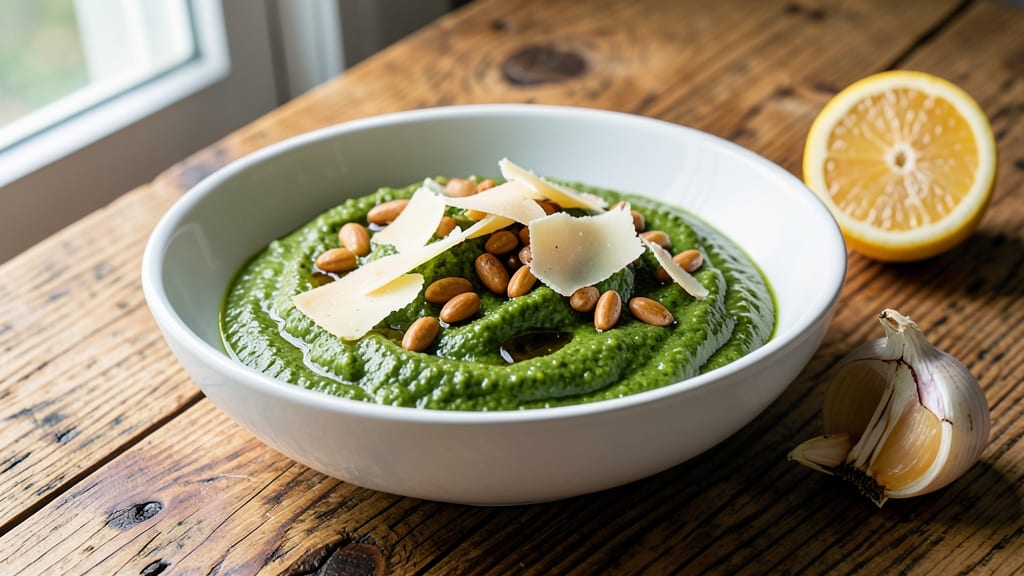
Marcella Hazan’s pesto recipe transforms simple ingredients into a vibrant sauce that captures the essence of Italian tradition. Standing on a step stool in my grandmother’s kitchen in Sicily, I learned how fresh basil, garlic, and Parmesan create a sauce that’s far more than just green paste—it’s liquid sunshine.
The key lies in the basil’s peak freshness and the slow infusion of olive oil, a technique Nonna insisted on for that signature depth.
This recipe delivers a foolproof method that balances bold flavors with simplicity. No food processor? No problem—Marcella’s original technique uses a mortar and pestle, but a high-powered blender works just as well.
The sauce comes together in minutes, yet the flavor develops over time, making it perfect for last-minute meals or ahead preparation. The texture should be velvety, with just enough body to cling to pasta or coat grilled meats without overwhelming.
What makes this pesto truly special is its versatility—use it immediately on fresh pasta, or store it in the refrigerator for up to five days, where the flavors deepen like a fine wine.
The optional variations (walnuts for nuttiness or sun-dried tomatoes for tang) let you adapt it to your taste while keeping the essence of Marcella’s original intact. This isn’t just a sauce; it’s a taste of Tuscany in every spoonful.
The secret weapon here is the basil-infused oil, which carries the sauce’s vibrant green color and aromatic punch. I always taste it with the same wooden spoon Nonna gave me—it’s the only way to truly appreciate how fresh ingredients elevate this classic. Let’s make pesto that tastes like home.
Ingredients for marcella hazan pesto
Fresh basil, olive oil, and Parmesan transform into Marcella's iconic pesto with just eight ingredients.
| Ingredient | Amount | Notes |
|---|---|---|
| Fresh Basil Leaves 🌿 | 2 ½ cups | Packed, stems removed, vibrant green |
| Extra-Virgin Olive Oil 🫒 | 1 cup | High-quality, fruity, cold-pressed |
| Parmesan Cheese 🧀 | 1 cup | Freshly grated, aged 24+ months |
| Garlic Cloves 🧄 | 4 cloves | Peeled, rough chopped |
| Pine Nuts 🥜 | ½ cup | Toasted lightly for richness |
| Lemon Juice 🍋 | 1 tbsp | Freshly squeezed, seedless |
| Sea Salt 🧂 | ½ tsp | Fine grain, kosher preferred |
| Freshly Ground Black Pepper 🌶️ | ¼ tsp | Freshly cracked, not pre-ground |
The basil must be at its peak—bright green, fragrant leaves from a trusted source like a local farmers market or a Whole Foods produce section. Marcella insisted on Parmigiano-Reggiano for its depth, so avoid pre-grated cheese (it loses flavor fast). For the olive oil, Italian extra-virgin brands like Filippo Berio elevate the dish, but any high-quality oil with fruity notes works. Pine nuts are traditional, but walnuts or cashews can substitute if needed—they just bring a different texture. The garlic should be fresh, never pre-minced, as it loses its punch quickly.
No mortar and pestle? A high-powered blender works just as well, but pulse in stages to avoid over-processing. If you're short on basil, parsley can replace up to half, though the flavor will differ slightly. For a tangier pesto, add sun-dried tomatoes or a splash of balsamic vinegar. The lemon juice is non-negotiable—it brightens the entire sauce. If you prefer less acidity, reduce to 1/2 tablespoon. Marcella's method calls for slow infusion of oil to create that signature velvety texture, so resist the urge to rush it.
Store the pesto in an airtight container with a thin layer of olive oil on top to preserve its vibrant color and freshness. It keeps in the refrigerator for 5-7 days, though the flavor deepens over time. For longer storage, freeze in ice cube trays—perfect for single-serving portions. Reheat gently in a saucepan or microwave, stirring occasionally. The basil-infused oil can be separated after a few days, so always shake well before using.
Why You'll Love This Recipe
- No Blender Needed: I’ll be honest—this version skips the food processor. You just pulse the basil, garlic, and pine nuts in a mini chopper or even smash them with a mortar and pestle (yes, I’ve done it both ways). The texture’s perfect either way—no pulverized mush, just bright, chunky goodness that tastes like summer in a jar.
- Umami Bomb: That Parmesan isn’t just cheese—it’s the secret weapon. Marcella’s method calls for freshly grated (no pre-shredded, please) and a generous handful, which melts into the olive oil like a creamy, salty hug. The garlic? Roasted just until soft—no bite, all sweetness—and the pine nuts add a buttery crunch that makes every bite feel like a reward.
- Pasta Party or Not: Slather it on linguine for a classic, but here’s the thing: this pesto begs to be used elsewhere. Toss it into risotto halfway through cooking, dollop it on grilled chicken, or mix it into scrambled eggs for a lunch that feels fancy. I’ve even used it as a marinade for shrimp—trust me, it’s a game-changer there too.
- Lasts All Week: Between us, I make a big batch on Sundays and it’s still vibrant by Friday. The olive oil preserves the basil’s color and flavor, and the Parmesan keeps it from turning bitter. Store it in the fridge with a thin layer of oil on top, and it’ll be your go-to for quick meals or last-minute guest dinners. No waste, all flavor.
Step-by-step instructions for Marcella Hazan's pesto recipe
This is Marcella Hazan's legendary pesto—where fresh basil transforms into vibrant, aromatic oil magic.
Toast the Pine Nuts for Richness
Heat a dry skillet over medium-low heat and add the 0.5 cup pine nuts. Toast them for 2-3 minutes, stirring constantly, until they turn a golden brown and release their nutty aroma. Watch closely—they burn quickly and become bitter if left unattended. Remove from heat immediately once toasted and let them cool for 1 minute before transferring to a food processor.
The pine nuts should be fragrant and slightly crisp when done. This step is crucial—it enhances their flavor and prevents them from becoming greasy in the final pesto. If you don't have pine nuts, toasted walnuts work as a substitute, but the texture will differ slightly.
Pulse the Garlic and Cheese
Add the 4 cloves rough-chopped garlic and 1 cup freshly grated Parmesan cheese to the food processor. Pulse them together for 10-15 seconds until the garlic is finely chopped but not yet paste-like. This ensures the garlic distributes evenly without overpowering the basil's delicate flavor.
At this stage, the mixture should look like coarse crumbs with visible garlic flecks. The cheese should be broken down but still retain some texture. If your processor is powerful, work in quick bursts to avoid overheating the ingredients.
Add the Basil and Process Until Smooth
Add the 2.5 cups packed fresh basil leaves to the processor. Pulse the mixture for 30-45 seconds until the basil is finely chopped but not yet pureed. Stop occasionally to scrape down the sides of the bowl with a spatula to ensure everything combines evenly.
You're aiming for a vibrant green color with visible flecks of garlic and pine nuts. The basil should be broken down but still retain some texture—this prevents the pesto from becoming too thick. If the mixture seems too dry, add 1-2 tablespoons of the extra-virgin olive oil to help it blend smoothly.
Slowly Incorporate the Olive Oil
With the processor running on low speed, slowly drizzle in the 1 cup extra-virgin olive oil through the feed tube. This gradual addition prevents the oil from splattering and ensures it emulsifies perfectly with the other ingredients. Process for an additional 1-2 minutes until the mixture is completely smooth and well combined.
The pesto should now have a thick, creamy consistency with a vibrant green hue. If it's too thick, add 1-2 tablespoons of water to loosen it slightly. The oil should be fully incorporated, giving the pesto its signature rich, velvety texture.
Finish with Seasonings and Adjust Consistency
Remove the lid and add the 1 tablespoon lemon juice, 0.5 teaspoon sea salt, and 0.25 teaspoon freshly ground black pepper. Pulse the mixture a few times to distribute the seasonings evenly. Taste and adjust the salt if needed—Marcella Hazan's pesto should be bold and well-seasoned.
For a smoother pesto, transfer it to a blender and blend for an additional 30 seconds. If you prefer a rustic texture, leave it slightly chunky. Store any unused pesto in an airtight container in the refrigerator for up to 3 days, or freeze for up to 3 months. This pesto is best used fresh, so plan to use it within a few days for maximum flavor.
Pro Tips For Making Marcella Hazan Pesto
- Toast Pine Nuts Fast: Toss them in a dry skillet over medium heat for 30 seconds—just until they’re fragrant, not browned. I learned this the hard way: burned nuts taste bitter, and you’ll waste good olive oil trying to cover it up.
- Pulse, Don’t Grind: Use the food processor’s pulse button to chop the basil, not continuous blend. Over-blending turns pesto into a sad, watery paste—you want texture, not soup. Stop when it’s just combined, not smooth.
- Freeze Garlic First: Smash the garlic cloves with the flat side of your knife before adding them to the processor. Frozen garlic is easier to crush and releases flavor more evenly—no more chasing cloves stuck to the blade.
- Salt the Cheese Early: Grate the Parmesan directly into the processor with a pinch of salt (about ¼ teaspoon). The salt dissolves into the cheese’s oils first, making the pesto richer right from the start—no afterthought seasoning needed.
Wine and beer pairings for marcella hazan pesto
Italian White Wine
Marcella’s pesto pairs beautifully with crisp Italian whites that complement its bright, herby notes. I always reach for a Vermentino from Sardinia—its citrusy acidity and mineral finish cut through the richness without overpowering the basil.
A Pinot Grigio from Alto Adige works too, especially if you’ve added sun-dried tomatoes to your pesto. For something lighter, try a Gavi di Gavi, made from Cortese grapes—its floral aromas enhance the pesto’s freshness. 🍷
Lighter Red Options
If you prefer red wine, go for something light and fruity like a Chianti Classico or Sangiovese. The acidity in these wines mirrors the lemon in the pesto, while their bright cherry notes balance the garlic and Parmesan.
Just avoid heavy, tannic reds—they’ll clash with the sauce’s delicate texture. I once paired this pesto with a Valpolicella Ripasso at a family dinner, and the velvety texture of the wine made the pesto taste even more luxurious.
Beer Pairings
A crisp Italian lager like Peroni or Moretti is perfect for casual meals—its clean, refreshing profile lets the pesto shine. For something bolder, try a Belgian witbier, like Hoegaarden, with its coriander and citrus notes.
The effervescence cleanses your palate between bites of pesto-drizzled pasta. If you’re feeling adventurous, a light Italian IPA from breweries like Birra del Borgo adds a hoppy contrast that’s surprisingly delicious. 🍺
Non-Alcoholic Options
For a refreshing non-alcoholic pairing, reach for a sparkling blood orange soda like San Pellegrino Aranciata Rossa. The sweet-tart flavor echoes the lemon in the pesto while the bubbles keep things lively.
A cucumber-mint infused water with a squeeze of lemon also works beautifully—it’s like a palate cleanser that highlights the pesto’s freshness. I often serve this at summer gatherings when alcohol isn’t an option.
Wine Storage Tips
If you’re opening a bottle to pair with pesto, store it properly to preserve its flavors. White wines should be chilled to 45-50°F—I use an ice bucket with a towel for quick cooling. Red wines can sit at 60-65°F for 1-2 hours before serving.
Never refrigerate reds long-term, as it dulls their fruitiness. For beer, serve at 45-50°F—too cold and the flavors get muted. The right temperature makes all the difference in how well the wine or beer complements the pesto’s vibrant profile. 💡
Nutrition facts
Frequently asked questions
Can I substitute walnuts for pine nuts in Marcella Hazan's pesto?
Walnuts work beautifully and add a richer, earthier flavor. Use the same 0.5 cup measurement, but toast them for 3-4 minutes until fragrant. They'll make the pesto slightly nuttier and heartier—perfect for pairing with hearty dishes like grilled meats or roasted vegetables.
How do I prevent my pesto from turning brown or losing its vibrant green color?
Freshness is key! Use basil at its peak (bright green, fragrant leaves) and store pesto properly. Keep it in an airtight container with a thin layer of olive oil on top to preserve color. If it starts browning, add a splash of fresh lemon juice and mix well—this helps maintain the bright hue.
What's the best way to use leftover pesto?
Leftover pesto is incredibly versatile! Toss it with fresh pasta, spread it on sandwiches, or mix it into soups and stews. For extra flavor, add a pinch of red pepper flakes or a drizzle of balsamic glaze. It also freezes well in ice cube trays for single-serving portions.
Can I make this pesto without a food processor?
Yes! Marcella Hazan originally used a mortar and pestle for this recipe. Start by crushing the garlic and pine nuts together, then add the basil and cheese, working in stages. Gradually add olive oil while mixing—this method takes 10-15 minutes but creates a more rustic texture that some find even more flavorful.
Why does Marcella Hazan's pesto taste different from store-bought versions?
The difference lies in freshness and technique. Store-bought versions often use dried herbs and pre-grated cheese, which lack depth. Marcella's method emphasizes fresh basil, freshly grated Parmesan, and slow oil infusion—this creates a vibrant, aromatic sauce that's far more complex than commercial alternatives.