
Main Courses
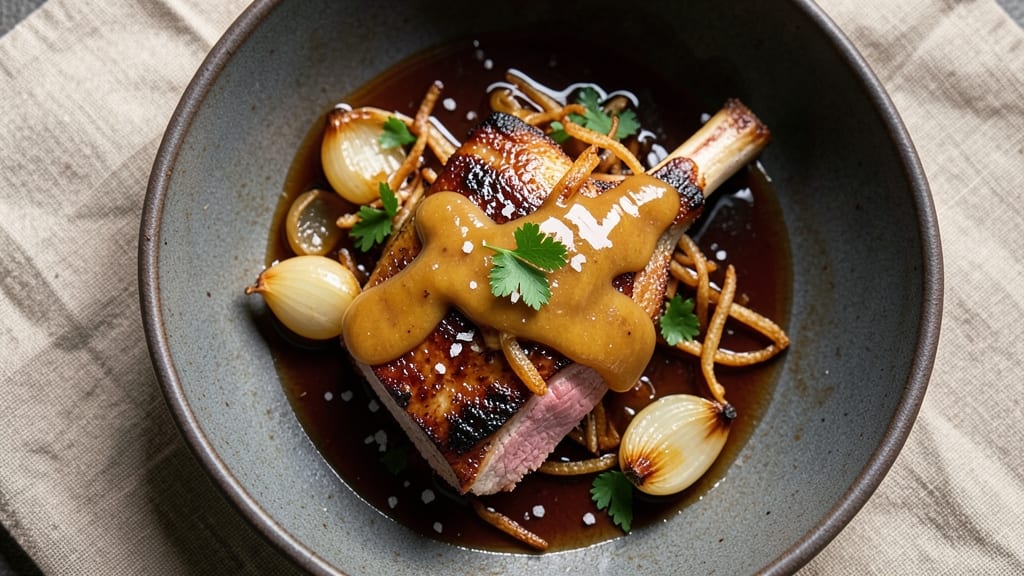
This Lipton onion pork chop recipe transforms simple ingredients into restaurant-worthy bites that’ll have your kitchen smelling like a Southern diner in 30 minutes. Growing up in small-town Georgia, I learned pork chops deserved more than basic seasoning—this method delivers deep, savory flavor without fuss.
The secret? A quick marinade using Lipton onion soup mix, which adds umami richness while keeping prep minimal.
The recipe starts with bone-in pork chops seared in a cast-iron skillet until golden, then finished with a glaze made from the soup mix and a splash of broth. This technique ensures tender meat with a caramelized crust, while the onion powder infuses every bite with aromatic depth.
Even beginners will nail this—just watch the internal temperature reach 145°F for perfect doneness.
What you’ll end up with is juicy, flavorful pork chops that pair beautifully with creamy mashed potatoes or roasted green beans. The glaze clings to the meat, creating a sticky-sweet contrast that balances the savory notes.
It’s the kind of weeknight dinner that feels special without requiring hours in the kitchen.
For extra crispiness, pat the chops dry before cooking and sear them skin-side down first. Serve with a simple salad to round out the meal—this combination is foolproof and always a crowd-pleaser. Let’s get cooking!
Ingredients for lipton onion pork chop
Six simple ingredients elevate these pork chops to Southern diner perfection in minutes.
| Ingredient | Amount | Notes |
|---|---|---|
| Bone-In Pork Chops 🥩 | 4 whole | 1-inch thick, center-cut preferred |
| Lipton Onion Soup Mix 🧅 | 2 tbsp | Granulated, for marinade and glaze |
| Unsalted Butter 🧈 | 2 tbsp | Cold, for searing |
| Extra-Virgin Olive Oil 🫒 | 2 tbsp | For skillet coating |
| Chicken Broth 💧 | ¼ cup | Low-sodium, for deglazing |
| Brown Sugar 🍯 | 1 tbsp | Light or dark, for glaze |
| Garlic Cloves 🧄 | 2 cloves | Minced, for aromatic depth |
| Fresh Thyme Leaves 🌿 | ¼ tsp | Dried thyme if unavailable |
| Kosher Salt 🧂 | 1 tsp | For seasoning and finishing |
| Ground Black Pepper 🌶️ | ½ tsp | Freshly cracked for heat |
| All-Purpose Flour 🌾 | 1 tbsp | For dusting chops |
| Apple Cider Vinegar 🍎 | 1 tsp | For marinade brightness |
| Honey 🍯 | 1 tsp | For glaze sweetness |
The Lipton onion soup mix is the flavor backbone here—grab the granulated kind from the soup aisle, not the instant packet. Walmart and Kroger stock it year-round, but check the spice aisle if you can't find it. For extra depth, toast the mix in the skillet for 30 seconds before adding broth. The pork chops? Bone-in, center-cut (like those from Costco) stay juicier than boneless. Pat them very dry with paper towels—this ensures a perfect sear. If your chops are thicker than 1-inch, pound them gently to even thickness.
No Lipton mix? Substitute with 1 tbsp onion powder + 1 tsp garlic powder + 1/2 tsp sugar—it won’t be identical, but close. Short on butter? Use olive oil only, but reduce to 1 tbsp to avoid greasiness. The chicken broth can be swapped for beef broth or even water + 1 tsp bouillon, though flavor will differ. Fresh thyme? Penzeys sells it in small jars—worth it for the aroma. Dried works at 1/4 tsp, but fresh is brighter. The apple cider vinegar adds tang; if you’ve only got white vinegar, use half the amount—it’s sharper.
Marinate the chops for at least 30 minutes (overnight is ideal) to maximize flavor. The glaze keeps for 3 days in the fridge—reheat gently in a saucepan. Store cooked chops airtight for 4 days or freeze for 3 months. For make-ahead meals, prep the marinade and glaze ingredients separately, then assemble when ready to cook. The skillet retains heat well, so preheat it 2 minutes on medium-high before adding butter. Leftovers reheat beautifully—10 seconds in the microwave or 5 minutes in a skillet with a splash of broth.
Why You'll Love This Recipe
- Pantry Magic: I swear by this one—no fancy ingredients, just the soup mix in your cabinet and a few basics. That onion soup blend? It’s like a flavor bomb waiting to happen.
- Caramelized Crisp Perfection: Butter and olive oil seared pork chops with that crispy edge? Yes, please. The broth keeps them juicy while the edges turn golden—no fancy sauce needed.
- Weeknight Hero: Between us, this feeds a family of four in under 40 minutes. Toss the leftovers in a sandwich the next day, and suddenly, you’ve got lunch too.
- Budget-Friendly Feast: Bone-in pork chops stretch further than you’d think, and the soup mix cuts costs without sacrificing taste. Honestly, it’s my go-to when I’m trying to make dinner stretch.
Step-by-step instructions for savory sautéed pork chops
Here's how to transform simple ingredients into restaurant-quality pork chops with a rich onion glaze.
Create the Onion Marinade and Season the Chops
In a small bowl, combine the 2 tablespoons Lipton Onion Soup Mix, 1 teaspoon apple cider vinegar, and 0.25 cup chicken broth until fully dissolved. This creates a flavorful marinade that will infuse the pork chops with deep onion notes. Transfer half of this mixture to another small bowl and set aside for later use.
Pat the 4 whole bone-in pork chops dry with paper towels—this is crucial for achieving crispy skin. Season both sides generously with 1 teaspoon kosher salt and 0.5 teaspoon ground black pepper. Pour the remaining marinade over the chops and let them sit at room temperature for 15 minutes while you prepare the cooking station. The marinade will penetrate the meat, ensuring every bite is packed with flavor.
Sear the Chops for Maximum Flavor
Heat a large skillet over medium-high heat and add 2 tablespoons extra-virgin olive oil. Once the oil shimmers, add 2 tablespoons cold unsalted butter—it should foam slightly. Working in batches if needed, carefully place the pork chops in the skillet. Cook for 3-4 minutes per side until they develop a deep golden-brown crust. This searing step locks in juices and creates the foundation for a flavorful crust.
I press down gently on the chops during the first minute to prevent curling and ensure even contact with the pan. You'll know they're ready to flip when they release easily from the skillet. Transfer the cooked chops to a warm plate and tent loosely with foil to keep them warm while you prepare the glaze.
Build the Sweet-Onion Glaze
Reduce the heat to medium and add the 2 minced garlic cloves and 0.25 teaspoon fresh thyme leaves to the same skillet. Sauté for 30 seconds until fragrant—this step builds aromatic depth that will carry through the entire dish. Sprinkle the 1 tablespoon all-purpose flour over the garlic and thyme, stirring constantly for 1 minute to cook off the raw flour taste.
Pour in the reserved marinade and scrape up any browned bits from the bottom of the pan with a wooden spoon. This deglazing step captures all the flavorful fond that would otherwise be lost. Stir in the 1 tablespoon brown sugar and 1 teaspoon honey, then bring the mixture to a gentle simmer. Cook for 3-4 minutes until the glaze thickens slightly and coats the back of a spoon.
Finish with the Perfect Glaze
Return the pork chops to the skillet and spoon the onion glaze evenly over the top. Cover the skillet and let the chops cook for 2-3 minutes to absorb the flavors. The internal temperature should reach 145°F when measured with a meat thermometer in the thickest part of the chop. If the glaze becomes too thick during this time, add 1-2 tablespoons water to loosen it.
Transfer the pork chops to a serving platter and let them rest for 5 minutes before serving. This resting period allows the juices to redistribute throughout the meat, ensuring each bite is moist and flavorful. The finished chops should have a beautiful caramelized glaze with a perfect balance of sweet, savory, and tangy flavors.
Pro Tips For Making Lipton Onion Pork Chop
- Sear First, Braise Later: Get that pan screaming hot—bone-in pork chops need a good crust before they go in the oven. I used to rush this, and the meat just absorbed grease instead of developing flavor. Two minutes per side, until golden, then pull them out and let the pan cool just a beat before deglazing with broth.
- Bloom the Soup Mix: Don’t just toss those Lipton packets into the pan like confetti. Melt the butter first, then sprinkle the mix in and let it sizzle for 30 seconds—it’ll wake up those onion and garlic flavors. Skipping this step makes the sauce taste like sad, wet seasoning.
- Deglaze Aggressively: After searing, immediately add the chicken broth and scrape the browned bits off the bottom with a wooden spoon. Those bits are pure flavor, and ignoring them means you’re basically throwing away half the taste. Use a splash of olive oil if the broth doesn’t cut through the fond.
- Cover for Crispiness: Once the pork chops are back in the pan with the sauce, resist the urge to peek. Cover the pan with a lid (or foil) for the last 10 minutes of cooking—this traps steam and keeps the meat moist while the sauce thickens. I learned this the hard way when my chops turned out dry and sad.
Pro cooking tips for this recipe
Sear Like a Pro
That golden crust on your pork chops? It’s all about high-heat searing with proper fat control. I use a 12-inch cast-iron skillet from Lodge—it retains heat like nobody’s business.
Heat it until smoking hot (about 2 minutes on medium-high), then add 2 tbsp cold butter and 2 tbsp olive oil. The butter should foam but not burn. Working in batches if needed, sear the chops 3-4 minutes per side—don’t rush this step. 🔥
Here’s my secret: Press down gently on the chops during the first minute to prevent curling. This ensures even browning and maximum crust formation. If your skillet isn’t hot enough, the butter will turn greasy instead of foamy.
I’ve ruined more chops than I’ll admit by skipping this step—trust me, patience pays off.
Glaze Thickness Matters
The glaze should coat the back of a spoon but still flow smoothly—not runny, not thick like syrup. If it’s too thick after simmering, add 1 tbsp water and stir. I’ve seen home cooks over-reduce the glaze, turning it into a dry paste that clings like glue.
The sweetness from brown sugar and honey should balance the savory onion notes, not overpower them. Taste as you go—adjust with a pinch more sugar or a splash of vinegar if needed.
Resting Prevents Dryness
Skipping the 5-minute rest is the fastest way to end up with dry pork chops. The residual heat continues cooking the meat even after it leaves the pan. Tent the chops loosely with foil and let them rest on a warm plate.
This allows juices to redistribute, ensuring every bite is moist. I’ve seen people slice into chops immediately—big mistake. Even a 2-minute rest makes a noticeable difference. 💡
Thermometer Accuracy
Never guess the doneness of pork chops—use a meat thermometer. The USDA recommends 145°F internal temperature for pork, measured in the thickest part. I use a Thermoworks Smoke—it’s precise and has a built-in probe.
If your chop hits 145°F but feels cool to the touch, it’s because the glaze is insulating it. Let it rest anyway; the residual heat will carry it to perfection.
Butter vs. Oil
Butter adds flavor but has a lower smoke point than oil. For extra crispiness, I sear the chops in olive oil first, then add butter in the last 30 seconds of cooking. This creates a two-toned crust: crispy from the oil, rich and caramelized from the butter.
If you’re short on butter, use ghee—it has a higher smoke point and similar richness. Just don’t skip the fat entirely; dry-heat cooking needs it for that Maillard reaction magic. 🌟
Nutrition facts
Frequently asked questions
Can I use boneless pork chops instead of bone-in?
Yes, but adjust your cooking time! Boneless chops cook faster—aim for 2-3 minutes per side instead of 3-4. They’ll also be thinner, so check the internal temperature with a thermometer at 140°F (5°F lower than bone-in). The glaze method works the same, but boneless chops benefit from a quick broil for 1 minute at the end to crisp up the edges.
What if I don’t have Lipton Onion Soup Mix?
No problem! Mix 1 tbsp onion powder, 1 tsp garlic powder, and ½ tsp sugar as a substitute. For extra depth, add ¼ tsp smoked paprika. The flavor won’t be identical, but it’ll still give you that savory onion punch. The glaze will be slightly less complex, but the technique remains the same.
How do I keep the pork chops from drying out?
Three key steps:
- Don’t overcook—remove chops when they hit 145°F internal temp.
- Rest for 5 minutes before serving to redistribute juices.
- Use a meat thermometer—guessing leads to dryness. If your chops are still juicy but the glaze is too thin, reduce the heat and simmer uncovered for 1-2 extra minutes to thicken it.
Can I make this recipe ahead of time?
Prep the glaze ingredients separately and store them in the fridge for up to 3 days. Cook the chops fresh (they’re best served immediately), but you can reheat leftovers in a skillet with 1 tbsp butter for 2-3 minutes until warmed through. For make-ahead meals, freeze cooked chops (without glaze) for 3 months, then reheat in the oven at 350°F for 10 minutes and add glaze when hot.
What sides pair best with these chops?
Classic Southern sides work perfectly: creamy garlic mashed potatoes, roasted green beans with bacon, or a crisp apple salad with walnuts. For a lighter option, try sautéed spinach with garlic or cornbread. The sweet-savory glaze balances rich sides beautifully—just avoid heavy, creamy dishes that might overpower the pork’s flavor.