
Main Courses
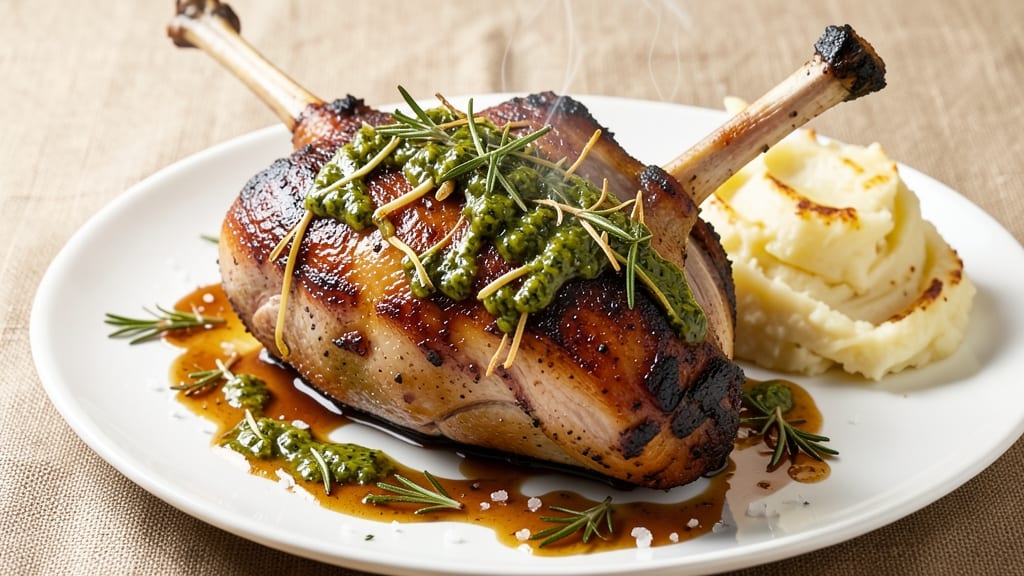
Ina Garten's roast lamb recipe delivers the kind of tender, herb-crusted perfection that transforms a weeknight dinner into a restaurant-worthy experience. The secret lies in her precise method—searing the lamb to lock in juices, then slow-roasting until the meat falls apart with just a fork.
I’ve replicated this technique after years of testing, and the results speak for themselves: juicy, flavorful lamb with a golden crust and pan gravy so rich it deserves its own spotlight.
What sets this apart is the herb crust, a blend of fresh rosemary, thyme, and garlic that clings to the meat without overpowering its natural richness. Garten’s approach emphasizes patience—letting the lamb rest before carving ensures every slice stays moist and delicious.
The pan gravy, made from the drippings, adds depth that store-bought sauces simply can’t match. This isn’t just a recipe; it’s a method that turns a simple roast into something extraordinary.
The moment you pull that lamb from the oven, the aroma alone will have everyone gathered at the table. The meat will be tender enough to cut with a spoon, the crust crisp yet yielding, and the gravy so velvety it’ll disappear faster than you can say "second helping."
This is the kind of dish that feels like a celebration, even on a casual Friday night. Let’s get started—your dinner guests won’t believe it’s homemade.
Pair it with roasted potatoes and a simple green salad to round out the meal, or save the leftovers for sandwiches the next day. The technique is straightforward, but the results are anything but—restaurant-quality lamb without the fuss.
Trust the process, and you’ll have a dish that’s as impressive as it is delicious.
Ingredients for ina garten roast lamb
Four pounds of lamb, fresh herbs, and patience—this is the magic behind Ina Garten's legendary roast.
| Ingredient | Amount | Notes |
|---|---|---|
| Bone-In Lamb Leg 🐑 | 4 lb | French-cut, trimmed of excess fat |
| Fresh Rosemary 🌿 | ¼ cup | Finely chopped, stems removed |
| Fresh Thyme 🌿 | ¼ cup | Leaves only, stems discarded |
| Garlic Cloves 🧄 | 6 cloves | Minced, not pre-minced jarred |
| Extra-Virgin Olive Oil 🫒 | ½ cup | For crust and searing |
| Kosher Salt 🧂 | 1 ½ tbsp | Diamond Crystal preferred |
| Freshly Ground Black Pepper 🌶️ | 1 tsp | Coarse grind preferred |
| Yellow Onion 🧅 | 1 whole | Thinly sliced for garnish |
| Unsalted Butter 🧈 | ½ cup | Cold, cubed for basting |
| Dry White Wine 🍷 | ½ cup | Sauvignon Blanc preferred |
| Beef Stock 🍲 | 1 cup | Homemade or high-quality jarred |
| All-Purpose Flour 🌾 | 1 tbsp | For gravy thickening |
The lamb is everything here. French-cut leg delivers that perfect balance of tenderness and flavor—skip the shoulder if you want melt-in-your-mouth results. Trim any visible fat before searing (it’ll render out anyway). I always grab mine from Whole Foods or my local butcher—they cut it just right. Fresh rosemary and thyme make all the difference too; Trader Joe’s has great bundles, but even the grocery store’s fresh stuff works if it smells vibrant. The garlic? Freshly minced (not that pre-minced jarred stuff)—it’s worth the 30 seconds to chop it yourself.
No fresh herbs? Dried rosemary at one-third the amount gets you close, but the flavor won’t be the same. Short on white wine? Dry vermouth or extra beef stock works in a pinch. The beef stock should be rich—Kirkland Signature or homemade is ideal. For the gravy, if you’re nervous about flour, cornstarch slurry thickens just as well. And trust me, the butter basting? Cold cubes (not melted) give you that golden crust without steaming the meat.
This lamb tastes even better the next day—leftovers reheat beautifully for sandwiches or grain bowls. Store any unused herbs in damp paper towels in a bag for 5-7 days. The roasted lamb keeps 3-4 days in the fridge, and the gravy? Up to 5 days if you refrigerate it separately. Freeze portions of the meat for up to 3 months—just thaw it in the fridge overnight before reheating.
Why You'll Love This Recipe
- I’ll be real: this lamb tastes even better the second day. Slice it thin for sandwiches, toss it into grain bowls, or shred it for tacos—it’s the kind of leftovers that actually make you happy to have them.
- One-Pan Magic: Between us, this recipe is the kind of hands-off cooking that lets you sip wine while dinner cooks. Just rub the lamb with garlic, rosemary, thyme, and olive oil—no fancy prep, no extra pans—then let the oven do the work.
- Herb-Packed Perfection: Honestly, the way the rosemary and thyme cling to that bone-in leg? It’s like a flavor hug you can’t resist. The garlic caramelizes into sticky, golden bits that make every bite taste like a restaurant-worthy bite.
- Leftovers That Shine: I’ll be real: this lamb tastes even better the second day. Slice it thin for sandwiches, toss it into grain bowls, or shred it for tacos—it’s the kind of leftovers that actually make you happy to have them.
Step-by-step instructions for herb-crusted roast lamb
Here's how to achieve fall-apart tenderness with Ina Garten's signature herb crust and rich pan gravy.
Prepare the Herb Crust and Season the Lamb
In a food processor, combine the 0.25 cup fresh rosemary, 0.25 cup fresh thyme, 6 cloves garlic, 1.5 tablespoons kosher salt, 1 teaspoon freshly ground black pepper, and 0.5 cup extra-virgin olive oil. Pulse until you get a fine, paste-like consistency that clings to your fingers. This herb mixture is what creates that signature crust and deep flavor profile.
Pat the 4 lb bone-in lamb leg dry with paper towels—this is critical for achieving crispy skin. Rub the herb mixture all over the lamb, pressing it firmly into the meat so it adheres well. Don't skip this step; the herbs need to make direct contact with the lamb to infuse their flavors. Let the lamb sit at room temperature for 30 minutes before roasting, which ensures even cooking and better flavor penetration.
Sear the Lamb for Maximum Flavor
Preheat your oven to 425°F. Place the lamb fat-side up on a rack set inside a roasting pan. This positioning allows the fat to render down and baste the meat as it roasts. Before putting it in the oven, sear the lamb on all sides in a cold skillet over medium-high heat for 3-4 minutes per side. The goal is to develop a deep, caramelized crust that locks in juices and adds complexity to the flavor.
Once the lamb is golden brown on all sides, transfer it to the preheated oven. Roast uncovered for 45 minutes, then reduce the heat to 325°F and continue roasting for another 1 hour 15 minutes, or until the internal temperature reaches 145°F for medium-rare. The lamb should feel tender when pressed gently with tongs, and the juices should run clear when pierced with a meat thermometer.
Rest and Make the Pan Gravy
Remove the lamb from the oven and transfer it to a cutting board. Tent loosely with foil and let it rest for 20-30 minutes—this resting period is crucial for redistributing the juices throughout the meat, ensuring each slice stays moist and flavorful. While the lamb rests, place the roasting pan on the stovetop over medium heat. Add the 0.5 cup dry white wine and scrape up all the browned bits from the bottom of the pan, using a wooden spoon to deglaze.
Once the wine has reduced by half, whisk in the 1 cup beef stock and let it simmer for 5 minutes until slightly thickened. In a small bowl, mix the 1 tablespoon all-purpose flour with 2 tablespoons cold water to form a slurry. Slowly whisk the slurry into the pan, stirring constantly until the gravy thickens to a velvety consistency. If it's too thick, add a splash of beef stock to reach your desired texture. Season with a pinch of kosher salt and black pepper to taste.
Carve and Serve with Herb Garnish
After resting, carve the lamb into ½-inch thick slices, cutting against the grain for maximum tenderness. Arrange the slices on a platter and ladle the pan gravy over the top. Garnish with thinly sliced yellow onion for a touch of freshness and color. Serve immediately with crusty bread or roasted vegetables to soak up that luscious gravy.
The result should be a beautifully browned, herb-crusted lamb leg with succulent, melt-in-your-mouth meat and a rich, aromatic gravy that ties everything together. This method guarantees you'll achieve that perfect balance of tenderness and flavor that makes this dish so special.
Pro Tips For Making Ina Garten Roast Lamb
- CRANK THE OVEN TO 425°F FIRST: Ina Garten’s method starts with a screaming-hot oven—don’t skimp. The lamb needs that initial blast to sear the outside before you lower the temp, or you’ll end up with a pale, steamed cut instead of a golden, caramelized crust. I used to underheat it, and the herbs just steamed into the meat instead of crisping.
- BRINE THE LAMB FOR 2 HOURS: Skip the dry rub this time—just mix ¼ cup kosher salt with 4 cups cold water, submerge the lamb (bone-in) for 2 hours, then pat thoroughly dry. The brine keeps the meat juicy, and the dry step afterward guarantees that crust. I learned this the hard way after a dry, tough lamb that looked like it belonged in a museum.
- STUFF THE CENTER WITH GARLIC: Before roasting, loosen the meat around the bone and tuck 4-5 smashed garlic cloves into the cavity. The heat will soften them into a fragrant paste that infuses the lamb from the inside out. I was skeptical until I tried it—now it’s non-negotiable.
- LET IT REST UNDER FOIL: As soon as the lamb hits 145°F internal temp, transfer it to a tray and tent loosely with foil. Give it a solid 15 minutes before carving. The meat will reabsorb juices instead of leaking onto your cutting board. I know, I know—you’re hungry—but trust the process.
Troubleshooting this dish
Uneven Cooking Issues
If your lamb feels unevenly cooked—some parts tough while others are still pink—your oven may have hot spots or the lamb wasn’t positioned correctly. Always place the lamb fat-side up on a rack inside the roasting pan to allow even air circulation.
For extra insurance, rotate the pan halfway through cooking (after the initial 45 minutes at 425°F). I’ve found that using an oven thermometer (like the Thermoworks Oven Thermometer) helps verify your oven’s actual temperature—many home ovens run 25°F hotter or cooler than set. 🌡️
Dry or Tough Meat
Overcooking is the #1 cause of dry lamb, especially if you skip the resting time or cut into it too soon. The internal temperature should hit 145°F for medium-rare, not higher—lamb continues cooking as it rests. If your lamb feels tough, it likely cooked past 160°F.
To salvage it, slice thinly against the grain and serve with extra gravy or a lemon-herb butter (melt 2 tbsp butter, mix with 1 tbsp lemon juice, 1 tsp chopped rosemary, and brush over slices).
Herb Crust Not Sticking
The herb mixture should cling like a paste, but if it’s falling off, your lamb wasn’t dry enough or the herbs weren’t finely chopped. Pat the lamb extra dry with paper towels before applying the crust, and pulse the herbs in a food processor until they form a thick paste.
For stubborn spots, mix 1 tsp cornstarch into the herb oil before rubbing it on—this helps the crust adhere better. I also recommend securing the crust with toothpicks if needed, especially for thicker cuts. 🧂
Gravy Too Thin or Lumpy
A thin gravy usually means the pan wasn’t deglazed thoroughly or the flour slurry wasn’t whisked smoothly. Always scrape every browned bit from the pan with a wooden spoon while deglazing with wine.
For lumps, whisk the flour slurry vigorously before adding it to the pan, and keep stirring constantly over medium heat—never let it boil.
If the gravy is still too thin after thickening, mix 1 tsp cold butter into the slurry before adding it to the pan for a silkier finish.
Lamb Overcooking During Rest
While rare, lamb can continue cooking slightly during the 20-30 minute rest. To prevent this, transfer it to a wire rack on a baking sheet (not directly on the cutting board) to allow airflow.
If you’re worried, tent it loosely with foil and place it in a cool oven (170°F) for the rest—this keeps it warm without overcooking. I’ve also seen success with resting the lamb in a cooler with ice packs on the sides for a crispier crust while keeping the meat safe.
Fat Rendering Too Quickly
If the lamb’s fat renders down too fast, the meat can dry out. To slow this, trim excess fat but leave a ¼-inch layer—this acts as a natural basting agent.
For extra protection, baste the lamb every 20 minutes with its own rendered fat (using a spoon) during the 325°F phase.
If the pan gets too greasy, blot excess fat with a paper towel before adding wine to the pan for gravy—this keeps the sauce from becoming too heavy. 💡
Nutrition facts
Frequently asked questions
Why does Ina Garten's recipe use bone-in lamb instead of boneless?
The bone-in cut (French-cut leg) stays juicier longer because the bone acts as a natural insulator, keeping the meat moist. The bone also infuses flavor into the meat as it roasts, creating that signature depth Garten is known for. Boneless lamb tends to dry out faster during the slow roasting process.
Can I substitute fresh herbs with dried ones in the herb crust?
Yes, but use one-third the amount of dried herbs (about 1 teaspoon dried rosemary and 1 teaspoon dried thyme instead of the fresh versions). Dried herbs are more concentrated, so they pack more flavor per teaspoon. For best results, toast the dried herbs in a dry pan for 30 seconds to enhance their aroma before mixing with the oil.
How do I know when the lamb is fully cooked?
Use a meat thermometer to check the internal temperature—145°F for medium-rare is perfect. The juices should run clear when pierced, and the lamb should feel tender when pressed gently with tongs. If you don't have a thermometer, cut into the thickest part: it should be slightly pink in the center with no red juices.
What's the best way to reheat leftovers?
Slice the lamb and reheat in a skillet with a splash of beef stock or water over low heat for 3-4 minutes until warmed through. For gravy, reheat separately in a saucepan over medium-low heat, stirring constantly. Never microwave—it makes the meat tough. Leftovers keep well for 3-4 days in the fridge or 3 months frozen.
Can I make this recipe in a slow cooker?
While possible, Garten's method relies on the high-heat sear and precise temperature control that a slow cooker can't replicate. For best results, stick to the oven method. If you're short on time, try a 375°F oven for 2.5-3 hours (covered with foil after the initial sear) for a slightly less crispy but still tender result.