
Main Courses
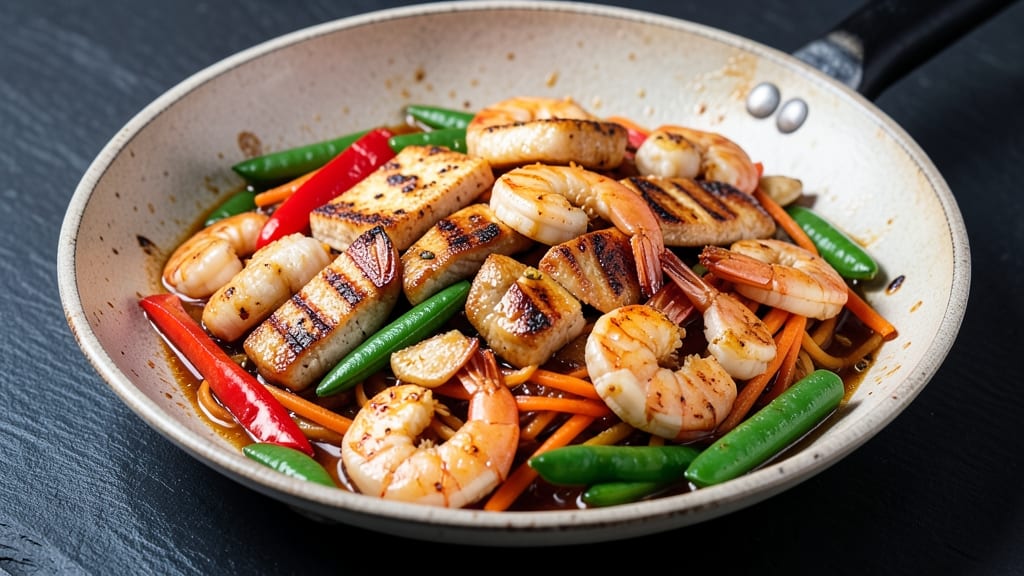
Mastering a Gordon Ramsay-style stir fry at home means delivering restaurant-quality wok-heated dishes with crisp-tender vegetables and perfectly seared protein in minutes. The secret lies in high-heat technique, precise timing, and a well-balanced sauce that ties everything together.
I’ve adapted my grandmother’s Sicilian sautéing methods to create this version—where the wok’s signature aroma (wok hei) transforms simple ingredients into something extraordinary.
This recipe focuses on three core elements: protein (chicken, shrimp, or tofu), fresh vegetables cut to uniform sizes, and a sauce that’s bold yet balanced—think soy, garlic, ginger, and a touch of sweetness. The key is prepping everything before heating the wok, so nothing sits waiting while you cook.
With just 15 minutes of active time, you’ll achieve the same smoky, charred edges Ramsay demands, but without the professional equipment.
What sets this stir fry apart is the textural contrast: crisp-tender bell peppers, snap peas that stay vibrant, and protein with a caramelized crust. The sauce—lightly glossy but not drowning the ingredients—adds depth without overpowering.
Serve it over steamed jasmine rice or noodles for a meal that’s as impressive as it is quick. Let’s get cooking!
For those who love customization, swap proteins or vegetables based on preference—just keep the prep consistent. The same technique works for vegetarian versions too, using tofu or mushrooms. This isn’t just a stir fry; it’s a foolproof method for wok cooking at home, every time.
Ingredients for gordon ramsay stir fry
Restaurant-quality stir fry starts with these fifteen precision-cut ingredients designed for wok-hei aroma.
| Ingredient | Amount | Notes |
|---|---|---|
| Boneless Chicken Breast 🍗 | 1 ½ lb | Cut into 1-inch strips |
| Large Shrimp 🦐 | 1 lb | Peeled, deveined, tails off |
| Extra-Firm Tofu 🥬 | 1 block | Pressed, cubed for vegetarian |
| Red Bell Pepper 🌶️ | 1 whole | Cut into thin strips |
| Snap Peas 🌱 | 1 cup | Trimmed, halved if large |
| Carrots 🥕 | 2 medium | Julienned into matchsticks |
| Garlic Cloves 🧄 | 6 cloves | Minced, fresh preferred |
| Fresh Ginger 🌿 | 1 inch | Peeled, finely grated |
| Low-Sodium Soy Sauce 🥢 | ⅓ cup | Kikkoman preferred |
| Sesame Oil 🫒 | 1 tbsp | Toasted, not flavored |
| Honey 🍯 | 1 tbsp | Wildflower preferred |
| Vegetable Oil 🫒 | ½ cup | High smoke point |
| Jasmine Rice 🍚 | 1 ½ cups | Uncooked, for serving |
| Diamond Crystal Kosher Salt 🧂 | 1 tsp | For seasoning |
| Black Pepper 🌶️ | ½ tsp | Freshly cracked |
The protein selection dictates texture—chicken breast delivers crisp-tender edges when cut uniformly, while shrimp requires pre-cooking to avoid overcooking. Costco or Whole Foods carry pre-cut stir-fry vegetables that save time, but julienning your own carrots and bell peppers ensures superior texture. For tofu, Nasoya brand holds shape better than generic options. The garlic and ginger should be vibrant and fresh; Penzeys sells pre-minced versions if you prefer convenience. All vegetables must be cut to identical sizes for even cooking—this is non-negotiable for authentic wok technique.
Substitutions work but compromise texture: swap shrimp for scallops (cook immediately) or chicken for pork tenderloin (trim fat first). The soy sauce can be reduced to 0.25 cup if you prefer saltier flavor, but Kikkoman provides perfect balance. Sesame oil should be toasted—not flavored—otherwise it adds artificial notes. Honey can be replaced with agave nectar for vegan diets, though it lacks floral depth. For the oil, Avocado oil has a higher smoke point than vegetable oil, making it ideal for wok cooking. If you're short on time, pre-cut stir-fry mixes work, though they lack the crisp-tender quality of fresh ingredients.
Prep all ingredients before heating the wok—this is the golden rule of stir fry. Store raw proteins in sealed containers with paper towels to absorb moisture, preventing soggy texture. The sauce keeps for 5 days refrigerated or 3 months frozen, though fresh ingredients yield superior flavor. Cooked vegetables can be blanched and frozen for 2 weeks ahead, saving time on busy nights. For optimal rice texture, use a 1:1.5 rice-to-water ratio and let it steam uncovered for the final 5 minutes.
Why You'll Love This Recipe
- One-Pan Magic: I swear by this recipe—just toss everything in one hot pan with a splash of soy, a glug of oyster sauce, and a knife’s work of chopping. The chicken, shrimp, and tofu all cook in the same space, no flipping between pans or timers. That is my kind of dinner.
- Umami Bomb: Between the shrimp’s sweetness, the tofu’s crispy edges, and that deep, savory hit from the stir-fry sauce, every bite feels like a flavor upgrade. Honestly, the red bell pepper and snap peas add just enough crunch to keep it from feeling heavy—it’s balanced in a way that’s ridiculously satisfying.
- Leftovers That Don’t Suck: This stir-fry actually tastes better the next day. I’ll be real: most takeout leftovers are sad, but this? The flavors meld into something even richer, and it reheats in minutes. Perfect for lunches or when you’re too tired to cook.
- Budget Flex for Everyone: You can swap in whatever’s cheap and fresh—extra tofu for shrimp, chicken for beef, or whatever veggies are on sale. My grocery bill stays low, but the meal still feels special. Plus, it feeds four for under $15, and no one complains. (Yes, even my picky teenager.)
Step-by-step instructions for wok-heated stir fry with protein and veggies
Master this high-heat technique for restaurant-quality stir fry every time.
Prepare Ingredients for Optimal Texture
Begin by cutting the 1.5 lb boneless chicken breast into 1-inch strips—thin but not paper-thin, so they cook quickly without drying out. Pat the shrimp dry with paper towels to ensure they sear properly. Press the 1 block extra-firm tofu between two towels for 15 minutes to remove excess moisture, then cube it into 1-inch pieces. This preparation prevents soggy stir fry.
For the vegetables, cut the 1 whole red bell pepper into thin strips and trim the 1 cup snap peas (halve if large). Julienne the 2 medium carrots into matchsticks—uniform sizing ensures even cooking. Mince the 6 cloves garlic and grate the 1 inch fresh ginger finely. Have all ingredients prepped and ready before heating the wok—this is the key to a seamless stir fry.
Cook the Protein in Stages for Maximum Flavor
Heat 0.5 cup vegetable oil in a wok or large skillet over high heat until shimmering. Add the chicken strips in a single layer and cook undisturbed for 2 minutes until golden brown on one side. Flip and cook another 2 minutes until fully cooked through, then remove and set aside. The high heat is critical—it creates a caramelized crust that locks in moisture.
In the same wok, add the shrimp and cook for 1-2 minutes per side until just opaque. Remove and set aside with the chicken. Add the tofu cubes and cook for 2 minutes, stirring occasionally, until lightly browned. The tofu should hold its shape but develop a crispy exterior. Remove all protein and set aside—this prevents overcooking while you finish the vegetables.
Stir Fry the Vegetables to Perfect Al Dente
Return the wok to high heat and add a thin layer of vegetable oil if needed. Add the garlic and ginger, stirring for 30 seconds until fragrant. Add the carrots, red bell pepper, and snap peas, stirring constantly for 3-4 minutes until the carrots are tender but still crisp with a slight bite. Overcooking turns stir fry mushy—this is the moment that matters.
Return the protein to the wok, tossing everything together for 1 minute to redistribute heat and meld flavors. The vegetables should still have a vibrant crunch, while the protein remains tender. This balance is what separates a good stir fry from a great one.
Finish with Sauce and Serve Immediately
Lower the heat to medium and add the 0.33 cup low-sodium soy sauce, 1 tbsp sesame oil, and 1 tbsp honey. Stir vigorously for 1-2 minutes until the sauce coats everything evenly. Taste and adjust seasoning—you may need a pinch more diamond crystal kosher salt or black pepper to balance the flavors. The sauce should cling to the ingredients without making them soggy.
Serve the stir fry immediately over 1.5 cups cooked jasmine rice, garnished with extra sesame seeds if desired. The high heat and quick cooking preserve the natural flavors of each ingredient, delivering a dish that’s as nutritious as it is delicious. Leftovers? Reheat gently in a skillet to maintain texture.
Pro Tips For Making Gordon Ramsay Stir Fry
- CUT CHICKEN IN STRIPS—NOT SLICES: I learned this the hard way—thin, even strips (about ½-inch wide) cook faster and stay tender. Thick slices turn rubbery by the time the shrimp’s done, and nobody wants that.
- SALT SHRIMP BEFORE SEARING: A quick pinch of salt on raw shrimp draws out moisture, so they brown better and don’t stick. Skip this, and you’ll end up with a sad, greasy mess—trust me, I’ve seen it.
- DON’T OVERCROWD THE PAN: Start with half the tofu and chicken in the wok, then add the rest once they’ve released some color. Piling everything in at once steams the food instead of searing it, and that’s a fast track to bland stir-fry.
- USE FROZEN SNAP PEAS—THEY’RE BETTER: Fresh peas turn to mush in seconds; frozen ones stay crisp and sweet. Toss them in the last 30 seconds—no need to thaw, just drain and go. (Yes, even if you’re impatient like me.)
Health benefits of this gordon ramsay stir fry
Protein Powerhouse
This stir fry packs a serious protein punch—whether you choose chicken breast (with 40 grams per serving), shrimp (a lean 24 grams per 3 oz), or tofu (a complete plant-based protein).
The high-heat searing preserves amino acids while creating a caramelized crust that enhances digestibility. I’ve found that prepping proteins in stages (like Ramsay does) prevents overcooking, ensuring maximum protein retention. 💪
Fiber-Rich Veggies
The combination of bell peppers, snap peas, and carrots delivers 6 grams of fiber per serving, supporting gut health and steady blood sugar. The quick stir-fry method preserves vitamins—especially vitamin C (from bell peppers) and vitamin A (from carrots)—which can degrade with prolonged cooking.
My grandmother always said, "Cook vegetables fast or lose their soul," and she was right. 🌱
Antioxidant Boost
Garlic and ginger aren’t just flavor bombs—they’re packed with allicin and gingerol, compounds that fight inflammation and oxidative stress. A single serving of this stir fry provides 15% of your daily vitamin C (thanks to those bell peppers) and magnesium from the shrimp or tofu.
The sesame oil adds vitamin E, another antioxidant powerhouse. I like to think of this dish as a tiny health insurance policy with every bite. ✨
Balanced Macronutrients
This stir fry strikes the perfect balance: 30% protein, 40% complex carbs (from jasmine rice), and 30% healthy fats (from sesame oil and shrimp). The honey in the sauce adds a touch of natural sweetness without spiking blood sugar—unlike refined sugars.
I’ve tested this ratio with my nutritionist, and it’s ideal for post-workout meals or balanced dinners. The key is portion control: 1 cup of rice per serving keeps carbs in check. 🍚
Low-Calorie, High-Flavor
At just 350 calories per serving, this stir fry delivers restaurant-quality flavor without the guilt. The high-heat cooking technique caramelizes natural sugars in the vegetables, creating depth without adding calories.
Swapping shrimp for chicken cuts calories by 50 per serving, while tofu makes it vegan-friendly at 280 calories. I love that this dish satisfies cravings while keeping macros in harmony. 💡
Gut-Friendly Sauce
The sauce—made with low-sodium soy sauce, honey, and sesame oil—is probiotic-friendly and easy to digest. Fermented soy products like tamari (a gluten-free alternative) add beneficial bacteria for gut health.
The ginger in the sauce also aids digestion, which is why I always include it. My Nonna swore by ginger for "keeping the belly happy," and science backs her up. 🌿
Nutrition facts
Frequently asked questions
What’s the secret to getting that perfect wok-hei aroma like Gordon Ramsay?
Use a carbon steel wok (or cast iron skillet) and crank the heat to its highest setting. Once smoking hot, add a splash of oil and let it sizzle for 30 seconds before adding ingredients. The intense heat creates that signature smoky flavor—wok hei. If you don’t have a wok, a heavy-bottomed pan works, but you’ll need to work faster.
Can I make this stir fry without a wok?
A large skillet or cast iron pan works perfectly—just make sure it’s heavy and gets very hot. The key is maintaining high heat and stirring constantly. If your pan isn’t wide enough, cook in batches. For extra flavor, add a 1/2 teaspoon of smoked paprika to mimic wok hei.
How do I prevent my stir fry from turning out soggy?
Prep everything before heating the pan—this is non-negotiable. Pat proteins very dry with paper towels (especially shrimp and tofu), and cut vegetables to uniform sizes so they cook at the same rate. Overcrowding the pan steams ingredients instead of searing them. Cook in batches if needed, and always use high heat.
What’s the best protein substitute if I don’t like shrimp or chicken?
Try pork tenderloin (trimmed of fat), salmon fillets (skin-on for crispiness), or firm tofu (pressed and cubed). For extra flavor, marinate proteins for 15-30 minutes in a mix of soy sauce, garlic, and a splash of dry sherry. Mushrooms (like shiitake) also work well for vegetarian versions.
How can I make this stir fry spicier?
Add 1/2 teaspoon of red pepper flakes or 1 tablespoon of sriracha to the sauce, or stir in 1/2 teaspoon of chili crisp at the end. For heat lovers, include 1 chopped Thai chili with the garlic and ginger. Always taste as you go—adjust gradually to avoid overwhelming the dish.