
Main Courses
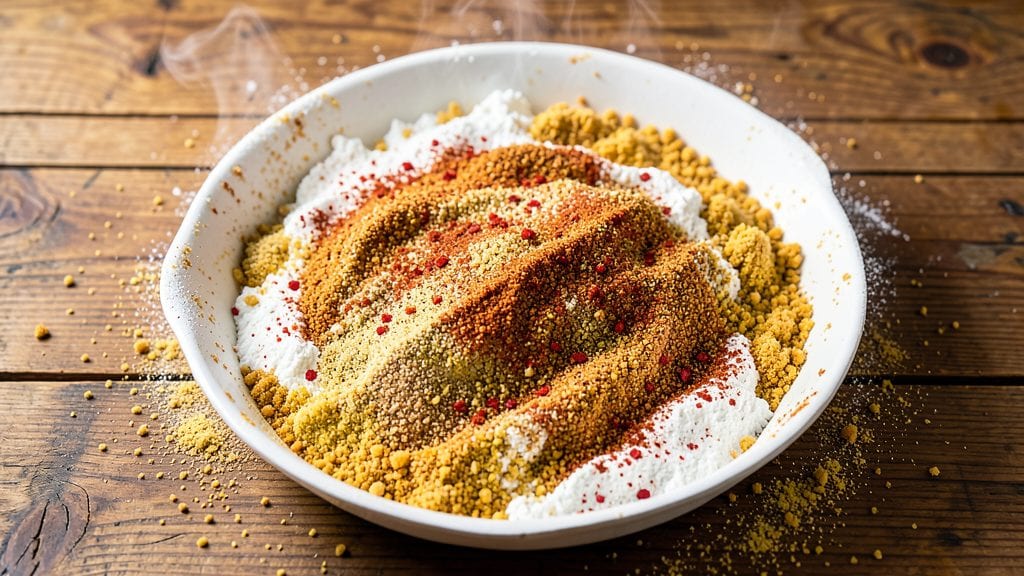
This Louisiana fish fry coating recipe delivers that signature crispy gold crust that makes every bite worth the wait. The secret lies in a perfect blend of cornmeal, flour, and Cajun spices that create a spice-kissed crunch no store-bought mix can match.
I've perfected this technique over years of Southern cooking, and it's become a weekend staple at my table.
The coating process is where the magic happens—double-dredging the fish ensures an even, extra-crispy shell that stays intact even when you take that first bite. We use a mix of cayenne, paprika, and garlic powder to build layers of flavor that complement the fish perfectly.
The key is frying at the right temperature—too hot and it burns, too cool and it soaks up oil.
What you'll end up with is golden, shatteringly crispy fish that's tender on the inside and packed with flavor on the outside. The coating clings perfectly, creating that satisfying crunch that defines Louisiana fish fries.
Serve it with classic sides like tartar sauce, hushpuppies, or a fresh coleslaw for the full experience.
This recipe works beautifully with catfish, tilapia, or even shrimp, making it versatile enough for any seafood lover. The technique is straightforward but delivers restaurant-quality results every time. Let's get cooking—your taste buds will thank you.
Ingredients for louisiana fish fry coating
A perfect blend of Southern spices and crispy texture—just six ingredients transform simple fish into golden, crunchy perfection.
| Ingredient | Amount | Notes |
|---|---|---|
| White All-Purpose Flour 🌾 | 1 cup | Sifted for smooth coating |
| Yellow Cornmeal 🌽 | 1 cup | Fine grind preferred |
| Cayenne Pepper 🔥 | 1 tsp | Adjust for heat preference |
| Smoked Paprika 🌶️ | 1 ½ tbsp | For signature smoky depth |
| Garlic Powder 🧄 | 1 tbsp | Freshly ground preferred |
| Onion Powder 🧅 | 1 tbsp | For aromatic base |
| Dried Thyme 🌿 | 1 tsp | Or 1 tbsp fresh thyme |
| Salt 🧂 | 1 ½ tsp | Kosher or sea salt |
| Black Pepper 🌶️ | ½ tsp | Freshly cracked preferred |
| White Fish Fillets 🐟 | 1 ½ lb | Catfish, tilapia, or shrimp |
| Vegetable Oil 🫒 | 3 cups | For deep frying (350°F) |
| Lemon Wedges 🍋 | 4 whole | For serving (optional) |
The cornmeal is non-negotiable for that signature crispy gold crust. Bob's Red Mill or Anthony's fine grind works best—avoid the coarser stuff. For smoked paprika, Penzeys or the bulk section at Whole Foods delivers the deepest flavor. Fresh thyme? Grow your own or grab it from the grocery store's herb section—it's worth the extra punch. The cayenne is where you control the heat—start with a pinch and add more if you're feeling bold. I always double-check my spices are fresh by smelling them before using—if they don't smell vibrant, toss 'em.
No cayenne? Red pepper flakes at half the amount works in a pinch. Short on cornmeal? Self-rising flour plus an extra pinch of salt gets you close, but the texture won't be quite the same. Using shrimp instead of fish fillets? Pat them bone-dry first—they absorb oil like sponges. For the fish, tilapia or catfish are ideal, but cod or haddock work too. Just make sure they're skinless and evenly sized so they cook uniformly. The oil temperature is everything—use a thermometer to keep it steady at 350°F. If it's too hot, the coating burns; too cool, and it gets soggy.
This coating keeps dry in an airtight container for up to 2 weeks, but trust me—it won't last that long. Store the oil separately in a cool, dark place for up to 6 months. For extra crispiness, reheat fried fish in a 375°F oven for 5-10 minutes. The lemon wedges? Squeeze fresh juice over the finished fish—it cuts through the richness and adds a bright finish. Leftovers? Eat within 2 days—the coating loses its crunch fast, but the flavor stays amazing.
Why You'll Love This Recipe
- Pantry Magic: Honestly, I keep this mix in my cabinet like flour—just toss in a bag, shake it up, and boom. No measuring cups, no fuss, just the perfect balance of flour and cornmeal for that iconic crunch.
- Smoky Kick: That smoked paprika and cayenne? Oh, it’s there—warm, slightly spicy, with a hint of garlic that lingers. It’s the kind of flavor that makes you want to dip everything in remoulade.
- Tailgate Ready: Between us, this is my secret weapon for game days or lazy Sundays. Double the batch, store it in a jar, and you’ve got the base for fried fish, shrimp, or even crispy chicken—no one will guess it’s the same mix.
- Budget Crunch: Cornmeal stretches the flour, so I’m not buying extra bags just for one recipe. Plus, a little goes a long way—leftovers? Freeze them for next month’s fried fish night. Smart, simple, and satisfying.
Step-by-step instructions for Louisiana fish fry coating
Here's how to create that signature Southern crunch—golden, spicy, and perfectly crispy every time.
Combine Dry Ingredients for Maximum Flavor
In a large bowl, whisk together the 1 cup white all-purpose flour and 1 cup yellow cornmeal until fully blended. This combination creates the ideal texture—flour for structure and cornmeal for that signature Southern crunch. Add the 1.5 teaspoons salt, 0.5 teaspoon black pepper, 1 teaspoon dried thyme, 1 tablespoon garlic powder, 1 tablespoon onion powder, 1 teaspoon cayenne pepper, and 1.5 tablespoons smoked paprika. Mix thoroughly so every particle gets coated with these bold spices.
I like to use a whisk for this step to break up any potential clumps in the cornmeal. The spices should be evenly distributed throughout the dry mix—this ensures each piece of fish gets that perfect balance of heat and smokiness. If you're using fresh thyme, finely chop it first to mimic the dried version's texture.
Prepare Fish Fillets for Even Coating
Pat the 1.5 pounds white fish fillets completely dry with paper towels—this is crucial for crispiness. Any moisture left on the fish will prevent the coating from adhering properly and create a soggy texture. You can leave the skin on for extra texture or remove it if you prefer a more delicate bite. Cut any large fillets into even-sized pieces for consistent cooking.
Place the dried fish fillets in a shallow dish and lightly season both sides with a pinch of salt and pepper. This pre-seasoning helps the coating stick better. I find that chilling the fish for 15-20 minutes before coating helps the batter adhere more evenly, especially if you're working in a warm kitchen.
Create the Perfect Coating Mixture
Return to your dry ingredient bowl and gradually add about 1 tablespoon of cold water at a time while stirring with a fork. You're looking to create a crumbly, sand-like consistency—not a paste. The mixture should hold together when pressed between your fingers but still be loose enough to coat the fish evenly. If it gets too sticky, add a bit more dry mix.
This texture is key to that signature Louisiana crunch. Too much water makes the coating gummy; too little means it won't stick properly. I usually need about 3-4 tablespoons of water total, but this can vary based on humidity and how dry your ingredients are. The coating should look like coarse sand when you lift it with a spoon.
Coat the Fish Thoroughly
Working with one piece at a time, press each fish fillet into the coating mixture, turning to coat all sides completely. You'll see the spices clinging to the fish—this is what creates that beautiful golden crust. Let each coated piece sit for 30 seconds before carefully placing it on a wire rack set over a baking sheet. This brief rest helps the coating adhere better.
Don't rush this step—proper coating is what makes the difference between good and exceptional fried fish. The coating should be about 1/8-inch thick all around. If you're working with delicate fish like tilapia, handle it gently to avoid breaking through the coating. For extra security, you can double-coat by dipping in a beaten egg wash first, but the dry coating alone works beautifully for this recipe.
Fry to Golden Perfection
Heat 3 cups vegetable oil in a deep fryer or heavy pot to 350°F. Use a deep-fry thermometer to monitor the temperature—this is critical for consistent results. Once the oil reaches temperature, carefully add the coated fish fillets in a single layer. They should sizzle immediately when they hit the hot oil.
Fry for 3-4 minutes until the coating turns a deep golden brown and the fish is cooked through. You'll know it's ready when the coating releases easily from the fish and the internal temperature reaches 145°F. Don't overcrowd the fryer—cooking in batches ensures even heat distribution and prevents the oil temperature from dropping. Transfer fried fish to a paper towel-lined plate to drain excess oil.
Serve Immediately with Lemon
Serve the crispy fish immediately with the 4 whole lemon wedges on the side. The bright citrus cuts through the richness of the fried coating and balances all those bold spices. The fish should be golden brown with a crisp exterior that gives way to tender, flaky fish inside. If you're serving with hush puppies or coleslaw, you've got the complete Louisiana experience.
This coating delivers that perfect balance of texture and flavor—crispy on the outside, tender on the inside, with just the right amount of heat from the cayenne and smokiness from the paprika. The secret is in the careful layering of spices and that precise frying temperature. Now you're ready to make fish fry night a regular at your house!
Pro Tips For Making Louisiana Fish Fry Coating
- SIFT THE DRY MIX: Mix the flour and cornmeal in a large bowl—big enough to shake the bowl without spilling. I learned this the hard way: cramming it into a small bowl means you’ll end up with lumps from uneven distribution, and that ruins the crispy texture.
- TOAST THE CORNMEAL: Dry-toast the yellow cornmeal in a skillet over medium heat for 2–3 minutes before mixing. It deepens the nutty flavor and prevents a raw, chalky taste—trust me, your coating will taste noticeably better.
- DON’T SKIP THE ICE WATER BATH: After dredging the fish, plunge it immediately into ice water for 10 seconds. This firms up the coating before frying, so it doesn’t slide off into the oil—yes, even if you’re impatient like me.
- USE A FINE CAYENNE: Buy the finest cayenne pepper you can find—none of that chunky stuff. If you’re using a coarse grind, pulse it in a spice grinder first. I was skeptical until I tried it: the heat disperses evenly, and the coating stays smooth.
Essential equipment for great louisiana fish fry coating
Deep Fryer Essentials
First things first—you need a deep fryer or a heavy-duty pot with a deep-fry thermometer. I swear by the Presto 02700 3-in-1 Fryer for its precise temperature control and easy cleanup.
If you're using a pot, a 5-6 quart Dutch oven like Lodge's cast iron works perfectly—just make sure it has high sides to prevent splatter. The thermometer is non-negotiable; ThermoWorks Thermapen One is my go-to for accuracy. 🌡️
Oil Selection Matters
Use vegetable oil or peanut oil—both have high smoke points and neutral flavors that won’t overpower the coating. Crisco shortening works too, but it’s heavier and can make the coating greasier. Avoid olive oil—its low smoke point causes burning.
I buy Great Value vegetable oil in bulk; it’s affordable and performs just like name brands. Store unused oil in an airtight container in a cool, dark place for up to 6 months.
Coating Tools
Grab a large mixing bowl (I use a 12-cup Pyrex) for the dry ingredients and a shallow dish (like a 9-inch pie plate) for the water mixture. A wire cooling rack placed over a baking sheet is essential for draining excess oil after frying.
For handling the fish, tongs or fish spatulas prevent breaking the coating. Silpat baking mats make cleanup a breeze—just toss them in the dishwasher.
Spice Storage Solutions
Keep your spices fresh with amber glass jars from Penzeys or Whole Foods’ bulk section. Store them in a cool, dark pantry—not above the stove where heat degrades flavor. I label each jar with the date to track freshness.
For the coating, fine-ground cornmeal (like Bob’s Red Mill) is a must—coarse grit won’t give that signature Louisiana crunch. Pre-measure spices in small ramekins to avoid mid-recipe scrambling. 🧂
Safety Gear
Frying oil gets hot enough to cause severe burns, so heat-resistant gloves (like Oven Mitts Pro) and safety goggles are non-negotiable. Keep a fire extinguisher (Class B or K) nearby—never use water on grease fires.
I also have a lid for my fryer to smother flames if needed. Place a towel within reach to pat out any oil spills immediately. Never leave the fryer unattended, even for a minute.
Optional Upgrades
For double-dredging, add a second shallow dish for an egg wash (beat 2 eggs with 1 tbsp water). A fine-mesh sieve helps sift flour for a lighter coating.
If you love extra crispiness, try a cornstarch slurry (mix 2 tbsp cornstarch with 2 tbsp cold water) as the final dip before frying. For serving, slotted spoons make it easy to transfer fish to plates without soggy sides. 💡
Nutrition facts
Frequently asked questions
What's the secret to getting that perfect golden crust?
The magic happens with the cornmeal-to-flour ratio and frying at 350°F. The cornmeal creates that signature crunch while the flour helps bind the spices. Pat the fish bone-dry first—any moisture ruins the crispiness. Fry in small batches to maintain oil temperature, and use a thermometer to avoid burning.
Can I make this coating ahead of time?
Mix the dry ingredients up to 2 weeks ahead and store in an airtight container. Just add water when ready to coat. For the fish itself, fry fresh for best texture, but you can prep coated pieces 1 hour ahead and refrigerate (unfried) on a wire rack.
What fish works best with this coating?
Catfish and tilapia are ideal—they're firm enough to hold the coating. Shrimp works too, but pat them extra dry first. Avoid delicate fish like sole—they'll fall apart. For thicker fillets, cut into 1-inch pieces for even cooking.
How do I adjust the heat level?
Start with 1/2 teaspoon cayenne for mild heat. For spicy kick, increase to 1 teaspoon or add 1/2 teaspoon crushed red pepper flakes. Remember: cayenne is 30x hotter than black pepper! Taste the dry mix before coating—adjust while you can still fix it.
Why did my coating turn gray instead of golden?
Gray coating usually means the oil was too cool (below 325°F) or the fish was too wet. Double-check your thermometer and pat fish extra dry next time. For extra shine, add 1/2 teaspoon baking powder to the dry mix—it helps create that classic golden color.