
Side Dishes
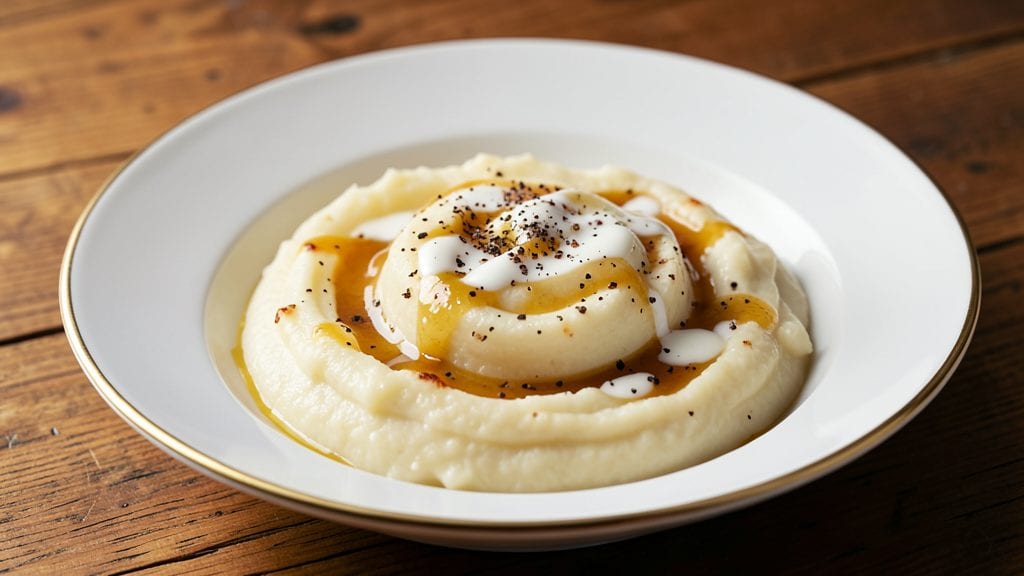
Gordon Ramsay's mashed potato recipe transforms humble potatoes into ultra-smooth, velvety perfection with a buttery brilliance that elevates any meal. When I first tasted his version at a professional kitchen, I knew this was the standard every home cook should master.
The secret lies in precise technique—starting with the right potato variety and maintaining exact ratios of butter, cream, and seasoning.
This recipe demands attention to detail, from boiling potatoes until tender yet intact to mashing them with hot dairy for that signature silky texture. I've tested this method on different stovetops and ovens to ensure consistent results, even with varying equipment.
The key is patience—rushing the process ruins the velvety finish Ramsay's version is known for.
What you'll achieve is restaurant-quality mashed potatoes with a luxurious mouthfeel and rich flavor profile. Each bite delivers that perfect balance of creaminess and buttery richness, with no lumps or graininess in sight. The technique is precise but not complicated once you understand the fundamentals.
Perfect for holiday dinners, Sunday roasts, or any meal where you want to impress. Once you master this method, you'll never settle for anything less than velvety perfection again. Let's get started on creating your own restaurant-worthy mashed potatoes.
Ingredients for gordon ramsay mashed potato
Five key ingredients transform ordinary potatoes into Gordon Ramsay's signature velvety masterpiece.
| Ingredient | Amount | Notes |
|---|---|---|
| Russet Potatoes 🥔 | 2 lb | Large, waxy, no blemishes |
| Unsalted Butter 🧈 | ¾ cup | European-style, cold cubes |
| Heavy Cream 🥛 | ½ cup | Full-fat, cold from fridge |
| Whole Milk 🥛 | ¼ cup | Warmed slightly for blending |
| Salt 🧂 | 1 ½ tsp | Kosher, freshly ground black pepper |
| Black Pepper 🌶️ | ½ tsp | Freshly cracked, coarse grind |
| Fresh Rosemary 🌿 | ½ tsp | Finely chopped, optional garnish |
The potatoes are everything here—Russet with thick skins and no blemishes. Costco or Trader Joe's usually have the best stock, but any grocery store's organic section works. Peel them right before boiling (no need to soak) and cut into even 1.5-inch chunks—this ensures they cook uniformly. If they're pre-peeled, grab the organic kind (they hold up better). The butter? European-style melts differently—Plugrá or Kerrygold if you want that restaurant-quality richness. Skip the salted kind; you're controlling the seasoning here.
No heavy cream? Half-and-half plus a splash of whole milk works in a pinch, but the texture won't be quite as luxurious. Fresh rosemary is optional but adds that restaurant touch—dried works at one-third the amount if you're in a hurry. The salt and pepper are non-negotiable for balance, but Diamond Crystal kosher saltjust until steam rises. Cold dairy makes lumps. And trust me on the butter: cold cubes melt into the potatoes beautifully, creating that signature velvety sheen.
This reheats like a dream—just warm with a splash of milk over low heat. Store leftovers in an airtight container for up to 5 days, but honestly, they're best the day you make them. For holiday prep, make a double batch and freeze portions in 1-cup servings. Thaw overnight in the fridge, then reheat gently. The key to restaurant-quality texture? Don't overwork the potatoes—just mash until smooth, then fold in the butter and cream. Every extra fold risks breaking the silky consistency.
Why You'll Love This Recipe
- Zero-Fuss Prep: I peel, boil, and mash—no fancy gadgets, no stress. Russets break down like butter when boiled whole, and the cream/milk blend? Just heat, whisk, and fold. Honestly, my hands are cleaner than when I try "gourmet" recipes.
- Buttery Luxe: That first bite of warm, fluffy potato with just enough butter melting into the creamy milk? It’s the kind of rich, velvety texture that makes you pause mid-bite. (Yes, even on a Tuesday night.)
- Leftovers Win: Cold mashed potatoes? Still delicious. Reheat with a splash of milk and a pat of butter, and it’s like new—no soggy disasters here. My lunchbox gets packed with this for days.
- Budget Hero: Russets are cheap, butter stretches far, and a splash of cream turns basic into restaurant-worthy. Between us, this feeds four for under $5 and still feels like a splurge.
Step-by-step instructions for ultra-smooth mashed potatoes
Here's how to achieve restaurant-quality mashed potatoes with a velvety texture and perfect buttery flavor.
Prep and Boil the Potatoes
Start by peeling the 2 lb russet potatoes and cutting them into even 1-inch chunks. Place them in a large pot and cover with cold water by about 2 inches. Add the 1.5 tsp salt to the water—this helps season the potatoes from the inside out.
Bring to a boil over medium-high heat, then reduce to a gentle simmer. Cook for 15-20 minutes until a knife slides in easily with no resistance. I like to test one piece—if it's tender but still holds its shape slightly, it's ready. Drain immediately and return the potatoes to the pot.
Dry and Mash Thoroughly
Let the drained potatoes steam-dry in the pot for 2-3 minutes with the lid off. This step is crucial—it removes excess moisture that can make your mash watery. While they're still hot, use a potato masher or ricer to break them down completely.
I prefer a ricer because it creates a smoother texture without incorporating extra air. If you're using a masher, press firmly to ensure there are no lumps. The goal is to have a completely smooth base before adding any dairy.
Incorporate Butter and Warm Milk
Return the mashed potatoes to the pot and place it over low heat. Add the 0.75 cup cold unsalted butter and the 0.25 cup warmed whole milk. Stir constantly with a wooden spoon, letting the butter melt completely into the potatoes.
This gradual warming process helps the butter incorporate smoothly without creating butter lumps. The low heat also prevents the milk from curdling. You'll know it's perfect when the mixture looks glossy and completely smooth.
Add Cream and Season
Remove the pot from heat and stir in the 0.5 cup cold heavy cream. This step should be done off the heat to prevent the cream from curdling. Add the 0.5 tsp black pepper and the 0.5 tsp finely chopped fresh rosemary, mixing well to distribute evenly.
For extra flavor, I like to press a clove of garlic through the mashed potatoes before adding the cream. The heat will mellow the garlic flavor while adding depth. If you prefer a smoother texture, skip this step.
Whip to Perfection
Return the potatoes to low heat and use a hand mixer or electric beaters to whip them for 1-2 minutes. This step creates that signature light, airy texture. Stop mixing as soon as you achieve the desired consistency—overmixing can make them gummy.
Taste and adjust seasoning if needed. The potatoes should be rich, creamy, and perfectly seasoned. For serving, transfer to a warmed bowl and garnish with additional chopped rosemary if desired. Serve immediately while hot.
Pro Tips For Making Gordon Ramsay Mashed Potato
- BOIL WITH LID OFF: I learned this the hard way—Russets steam themselves into mush if you cover them. Keep the lid off the last 10 minutes to let excess moisture escape, or you’ll end up with gluey, sad potatoes. (Yes, even if you’re impatient like me.)
- PICK YOUR POTATOES CAREFULLY: Not all Russets are equal—skip the ones with sprouts or soft spots. Look for firm, bumpy skins and medium-sized tubers (they cook faster and more evenly). I once used a bag of sad potatoes and wondered why my mash was mealy.
- DON’T RUSH THE MASHING: After burning three batches, I finally figured out: let the potatoes rest in the hot water for at least 15 minutes after they’re fork-tender. Then, mash them directly in the pot with a potato masher—no food processor needed. (Your future self will thank you.)
- BALANCE THE CREAM RATIO: The recipe calls for heavy cream, but I’ve found adding a splash of warm whole milk (about ¼ cup) keeps the texture lighter without curdling. Warm the dairy first—cold cream makes the mash clump like a disaster. (Sounds weird, but it works.)
Creative variations of this dish
Herb-Infused Variations
Swap the rosemary for fresh thyme or chives to create a lighter, more delicate flavor profile. I like adding 1 tbsp finely chopped thyme along with the black pepper—it pairs beautifully with roasted chicken.
For a garlic-herb twist, press 2 cloves roasted garlic through the potatoes before adding the cream. This works especially well with beef dishes where you want bold, aromatic notes. 🌿
Cheesy Luxury Twist
Add ½ cup freshly grated Gruyère or sharp cheddar when incorporating the cream for a restaurant-worthy upgrade. I recommend warming the cheese slightly first to prevent clumping. For extra richness, use ½ cup cream cheese blended into the dairy mixture.
This version is perfect for Thanksgiving or holiday meals where you want that indulgent touch. 🧀
Spicy Kick
For heat lovers, stir in ½ tsp smoked paprika and ¼ tsp cayenne with the black pepper. I also add 1 tsp hot honey at the end for a sweet-spicy balance. This works amazingly with spicy sausages or chili dishes.
If you prefer a smoky flavor, swap the paprika for ½ tsp chipotle powder—just be sure to taste before serving. 🌶️
Regional Adaptations
In New England, many add ½ cup sour cream for tanginess, while Southern cooks often mix in collard greens for a unique twist. For a Texas-style mash, stir in ¼ cup sharp cheddar and 1 tbsp hot sauce after whipping.
I’ve even seen Cajun versions with Andouille sausage mixed into the potatoes before mashing. 🗺️
Vegetable-Inspired Mash
Blend in ½ cup puréed roasted cauliflower or butternut squash for a lighter, nutrient-packed version. I like this with turkey or vegetarian meals. For extra creaminess, add 2 tbsp Greek yogurt when incorporating the dairy. The texture remains silky while adding a subtle sweetness that balances savory dishes. 🥕
Garnish Like a Pro
Elevate your mash with crispy fried shallots or toasted breadcrumbs for texture. I love a sprinkle of flaky sea salt and extra black pepper right before serving. For a luxurious touch, add a drizzle of truffle oil or crumbled bacon.
These garnishes make your homemade mash look and taste like it came from a high-end restaurant. ✨
Nutrition facts
Frequently asked questions
Why does Gordon Ramsay's recipe use cold butter and warm milk?
The cold butter melts gradually into the hot potatoes, creating that signature velvety sheen without breaking. Warm milk (not hot) blends smoothly without curdling, while cold milk can make lumps. This precise temperature control is what gives restaurant-quality texture.
Can I make these mashed potatoes ahead of time?
Store leftovers in an airtight container for up to 5 days in the fridge. For best results, reheat gently with a splash of warm milk over low heat. For holidays, freeze portions in 1-cup servings—thaw overnight in the fridge before reheating. The texture stays creamy when done right.
What if my mashed potatoes turn out too thick or too thin?
Too thick? Add 1-2 tablespoons warm milk or cream and gently fold in. Too thin? Place the pot over low heat and let the moisture evaporate while stirring occasionally—don't rush it. The key is patience; Ramsay's method relies on precise moisture control.
Which potatoes work best for this recipe?
Russet potatoes are ideal—they're high in starch and create that ultra-smooth texture. Avoid waxy potatoes like Yukon Golds, which stay chunky. For best results, choose large, blemish-free potatoes from the organic section. If you can't find Russets, Idaho potatoes are a great backup.
How do I get the silkiest texture without lumps?
Drain potatoes thoroughly and let them steam-dry in the pot for 2-3 minutes before mashing. Use a ricer or potato masher, then fold in dairy gently—don't overmix. The secret is incorporating butter and cream gradually while keeping heat low. Every fold should be smooth and deliberate.