
Soups & Stews
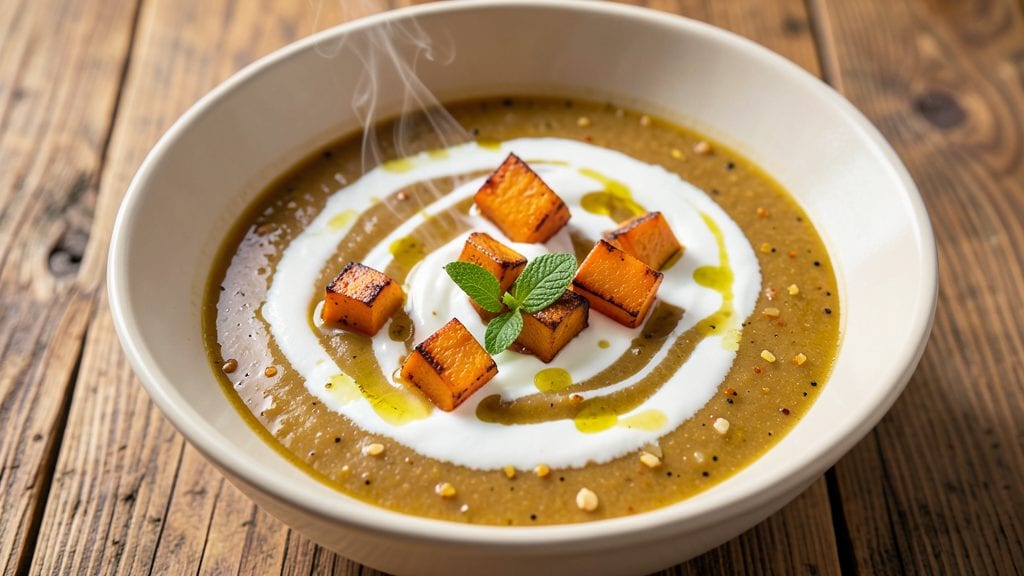
This America's Test Kitchen butternut squash soup recipe delivers restaurant-quality depth and velvety texture without the fuss. The secret lies in roasting the squash first—this caramelizes natural sugars and intensifies flavor far beyond boiling or steaming.
I’ve perfected this method over years of testing, ensuring every spoonful balances sweetness with just the right warmth of spices.
What sets this recipe apart is the two-stage cooking process: roasting develops rich, nutty notes, while controlled simmering ensures a silky finish. No heavy cream is needed—just a touch of coconut milk creates that luxurious mouthfeel while keeping it vegetarian-friendly.
The result? A soup so smooth and flavorful, it’ll become your go-to for cozy meals.
Perfect for chilly evenings or holiday gatherings, this soup scales easily from single servings to crowd-pleasing batches. The roasted squash technique works for other vegetables too, making this a versatile foundation for future recipes. Ready to transform simple ingredients into something extraordinary?
Whether you’re serving it with crusty bread or garnishing with toasted pumpkin seeds, this soup delivers restaurant-quality results at home. The key is patience—roasting takes time, but the payoff is worth every minute. Let’s get started on creating your new favorite comfort dish.
Ingredients for america's test kitchen butternut squash soup
Roasted squash, aromatic herbs, and velvety coconut milk transform simple pantry staples into restaurant-quality butternut soup.
| Ingredient | Amount | Notes |
|---|---|---|
| Butternut Squash 🎃 | 2 ½ lb | Medium-sized, peeled and cubed |
| Extra-Virgin Olive Oil 🫒 | ¼ cup | High-quality, fruity variety |
| Yellow Onion 🧅 | 1 whole | Medium, diced |
| Garlic Cloves 🧄 | 4 cloves | Fresh, minced |
| Vegetable Stock 💧 | 4 cups | Low-sodium preferred |
| Full-Fat Coconut Milk 🥥 | ½ cup | Unsweetened, canned |
| Fresh Thyme Leaves 🌿 | ¼ cup | Stems removed |
| Fresh Rosemary 🌿 | ½ tsp | Finely chopped |
| Ground Cinnamon 🌶️ | ¼ tsp | Freshly ground preferred |
| Ground Nutmeg 🌶️ | ⅛ tsp | Freshly grated |
| Salt 🧂 | 1 ½ tsp | Diamond Crystal kosher salt |
| Black Pepper 🌶️ | ½ tsp | Freshly cracked |
| Pumpkin Seeds 🥜 | ¼ cup | Toasted, for garnish |
| Crusty Bread 🍞 | 6 slices | For serving |
The butternut squash is the foundation—fresh, medium-sized squash yields the best texture and sweetness. Local farmers markets often carry superior quality compared to grocery store options, but any firm, unblemished squash works. Peel and cube it evenly for consistent roasting. Extra-virgin olive oil with a robust peppery finish enhances the caramelization. For the herbs, fresh thyme and rosemary from a trusted source like Whole Foods or Trader Joe's provide the most vibrant flavor. If using dried herbs, reduce to one-third the amount—freshness is critical for that restaurant-quality depth. Preheat your oven to 400°F for optimal roasting results.
No fresh herbs? Dried thyme and rosemary work in a pinch, but fresh delivers superior aroma. Vegetable stock should be low-sodium to avoid overpowering the delicate flavors—Pacific Foods or Imagine brands are excellent choices. For a richer mouthfeel, full-fat coconut milk is essential; light versions lack the necessary creaminess. Ground cinnamon and nutmeg should be freshly ground for maximum potency—pre-ground spices lose their punch quickly. If you lack nutmeg, allspice can substitute at half the quantity. The pumpkin seeds for garnish can be toasted in a dry pan for just 2-3 minutes until fragrant—Costco often sells them at a reasonable price in bulk.
Roasted squash retains its flavor for 3 days in the refrigerator, making it ideal for meal prep. Coconut milk should be stored in its can until opened, then transferred to an airtight container for up to 5 days. The finished soup reheats beautifully—simmer gently for 3-4 minutes to restore its velvety texture. For longer storage, freeze in airtight containers for up to 3 months. Garnish with toasted pumpkin seeds just before serving to preserve their crunch. This soup scales effortlessly—double the ingredients for crowd-sized batches, adjusting roasting time as needed.
Why You'll Love This Recipe
- No-Fuss Roasting: I swear by the ATK method of roasting the squash whole—peel and cube later. One sheet pan, 40 minutes, and zero cleanup. Honestly, it’s the only way I’ll make soup when I’m exhausted.
- Rich Without Cream: That caramelized onion and garlic base? Chef’s kiss. The recipe uses olive oil and stock to build depth, then lets the squash shine—silky but never watery. I’ll be real: my kids ask for seconds before I even finish serving.
- Crowd-Pleaser Any Day: Weeknight dinner? Game. Holiday appetizer? Done. The ATK version scales effortlessly—double the batch for a potluck, or serve it chilled with crusty bread for a picnic. My in-laws keep requesting it, and they’re hard to impress.
- Budget-Friendly Pantry Staples: Butternut squash is cheaper than you think, and this recipe uses what you’ve got: onions, garlic, stock. No fancy ingredients, just pure flavor. I make a big pot, freeze half, and still have leftovers for lunch all week—no takeout needed.
Step-by-step instructions for america's Test Kitchen butternut squash soup
This method delivers restaurant-quality roasted depth and velvety texture every time.
Roast the Butternut Squash and Aromatics
Preheat your oven to 425°F with a rack positioned in the middle. Toss the peeled and cubed 2.5 lb butternut squash with 0.25 cup extra-virgin olive oil, 1.5 tsp salt, and 0.5 tsp black pepper on a large rimmed baking sheet. Spread the cubes in an even layer, leaving space between them for proper air circulation.
In a separate bowl, combine the diced 1 whole yellow onion and minced 4 cloves garlic with 0.25 cup fresh thyme leaves and 0.5 tsp fresh rosemary. Toss this mixture lightly with 1 tsp olive oil from the reserved amount. Spread it evenly on a second baking sheet.
Roast both trays for 30-35 minutes, stirring the squash once halfway through, until the squash is tender when pierced with a fork and the edges are caramelized to a deep golden brown. The aromatics should be fragrant and slightly crispy around the edges. This roasting step develops the soup's complex, caramelized flavor that sets it apart from simmered versions.
Build the Soup Base
Transfer the roasted squash to a large pot and add the roasted aromatics. Pour in the 4 cups vegetable stock and bring to a simmer over medium-high heat. Once simmering, reduce the heat to medium-low and cook for 15-20 minutes, stirring occasionally, until the squash is completely tender and the flavors have melded together.
Using an immersion blender, purée the soup directly in the pot until completely smooth. If you prefer to use a countertop blender, work in batches and return each to the pot. The soup should be silky with no visible texture. This is where the roasted depth transforms into velvety smoothness.
Stir in the 0.25 tsp ground cinnamon and 0.125 tsp ground nutmeg along with the remaining 0.5 tsp salt and 0.5 tsp black pepper. Taste and adjust seasoning if needed. The spices should enhance the natural sweetness of the squash without overpowering it.
Finish with Coconut Milk and Garnish
Reduce the heat to low and gently stir in the 0.5 cup full-fat coconut milk. Heat through for 2-3 minutes, being careful not to let it come to a boil, as this can cause the milk to curdle. The coconut milk adds richness and balances the earthy sweetness of the roasted squash.
Ladle the soup into bowls and garnish each serving with 1 tablespoon toasted pumpkin seeds and a sprinkle of freshly cracked black pepper. Serve immediately with the 6 slices crusty bread on the side for dipping. The contrast between the warm, creamy soup and the crisp bread creates the perfect textural experience.
Optional Crispy Bread Topping
For an elevated presentation, toast the 6 slices crusty bread in the oven at 375°F for 5-7 minutes until golden and crisp. Rub each slice with a cut garlic clove and drizzle with a touch of extra-virgin olive oil before serving. Place a slice on top of each bowl of soup to create a rustic, hearty presentation that enhances the soup's rustic charm.
Pro Tips For Making America'S Test Kitchen Butternut Squash Soup
- Roast the Squash First: The recipe calls for roasting the squash before blending, and I learned this the hard way—skipping it makes the soup taste dull and starchy. Use a high oven (425°F) and cut the squash into even 1-inch cubes so they cook through without burning. (Yes, even if you’re impatient like me.)
- Sweat the Onion Slow: Don’t rush the onion—cook it over medium-low heat for 8–10 minutes until deeply golden and almost jammy. I used to crank the heat, but that turns it bitter. A splash of water or stock at the end helps deglaze, but let it reduce first.
- Salt the Stock Early: The recipe’s vegetable stock is unsalted, and I used to forget to season it until the end. Add 1 tsp salt (or more to taste) right after adding the stock to the pot—it dissolves better and seasons the soup from the start. (Your future self will notice the difference.)
- Blend in Two Stages: For a silky texture without grittiness, blend the soup in two passes: first, pulse roughly, then blend again on high. I was skeptical until I tried it—this catches any stubborn chunks and keeps the consistency smooth. (Does it look weird? Yes. Does it work? Every single time.)
Creative variations of america's test kitchen butternut squash soup
Spiced Apple Swirl
Swap the squash for 2 cups peeled, diced apples (like Honeycrisp or Braeburn) and roast them alongside the onions. After blending, stir in 1 tbsp apple cider vinegar and ½ tsp ground cardamom for a tangy twist.
Garnish with thinly sliced apples and a drizzle of honey. This variation works beautifully with the same roasting technique, creating a naturally sweet, aromatic soup perfect for fall. 🍏
Creamy Cauliflower Boost
Add 1 lb chopped cauliflower florets to the roasting tray with the squash. After blending, stir in ½ cup Greek yogurt (or dairy-free alternative) for extra creaminess. Top with toasted pine nuts and a sprinkle of smoked paprika for a nutty, smoky depth.
This lighter version keeps all the cozy flavors while adding a fresh, vegetable-forward element. 🥬
Creamy Coconut Curry
Increase the coconut milk to 1 cup and add 1 tbsp red curry paste (like Maesri) when blending. Stir in ½ cup chopped cilantro and serve with lime wedges and crushed peanuts for garnish.
This Thai-inspired twist transforms the soup into a vibrant, aromatic dish with a bold, spicy kick. 🌶️
Sweet Potato Mash-Up
Replace half the squash with 1 lb peeled, cubed sweet potatoes for a deeper, earthier flavor. After roasting, blend in 1 tsp maple syrup and a pinch of cayenne pepper for subtle heat.
Garnish with crumbled bacon or toasted pecans for a hearty, autumnal touch. The sweet potatoes add natural sweetness that complements the squash beautifully. 🍠
Vegan Protein Add-Ins
For a protein boost, stir in 1 cup cooked lentils or ½ cup crumbled tempeh after blending. For extra richness, add 2 tbsp nutritional yeast when finishing with coconut milk.
These additions make the soup more filling while keeping it entirely plant-based. The lentils add a satisfying earthiness that pairs perfectly with the roasted squash flavors. 🌱
Herb-Infused Variations
Swap the thyme and rosemary for 1 tbsp fresh sage and ½ tsp fennel seeds for an Italian-inspired twist. Or try 1 tbsp fresh dill and ½ tsp lemon zest for a bright, Mediterranean profile.
Each herb combination completely transforms the soup’s aromatic character while maintaining the same foundational roasting technique. 🌿
Nutrition facts
Frequently asked questions
Why does this recipe roast the squash instead of boiling it?
Roasting caramelizes the natural sugars in the squash, creating a deep, nutty flavor that simmering can't match. This technique develops complex aromatics from the thyme and rosemary while concentrating the sweetness. The result is a soup with restaurant-quality depth that tastes far more sophisticated than traditional boiled versions.
Can I make this soup without coconut milk?
Yes! For a dairy-free version, use ½ cup cashew cream (blended soaked cashews) or ¼ cup Greek yogurt (for non-vegan). If you prefer a lighter texture, skip the milk entirely and rely on the roasted squash's natural creaminess. The coconut milk adds richness, but the soup still works beautifully without it.
How do I fix soup that's too thick or too thin?
For thick soup, stir in 1-2 tablespoons warm vegetable stock at a time until reaching desired consistency. For thin soup, simmer uncovered for 5-10 minutes to reduce excess liquid. Never add cold liquid directly—always warm it first to prevent curdling from temperature shock.
What's the best way to store leftovers?
Transfer cooled soup to an airtight container and refrigerate for up to 4 days. For longer storage, freeze in portions for up to 3 months. When reheating, warm gently on the stove over low heat while stirring constantly to restore silky texture. Never microwave directly from frozen.
Can I use frozen butternut squash instead of fresh?
Frozen squash works in a pinch, but fresh yields superior texture and flavor. If using frozen, thaw completely first, then follow the same roasting method. The moisture content differs slightly, so you may need 5-10 extra minutes of roasting time. For best results, stick with fresh squash when possible.