
Snacks
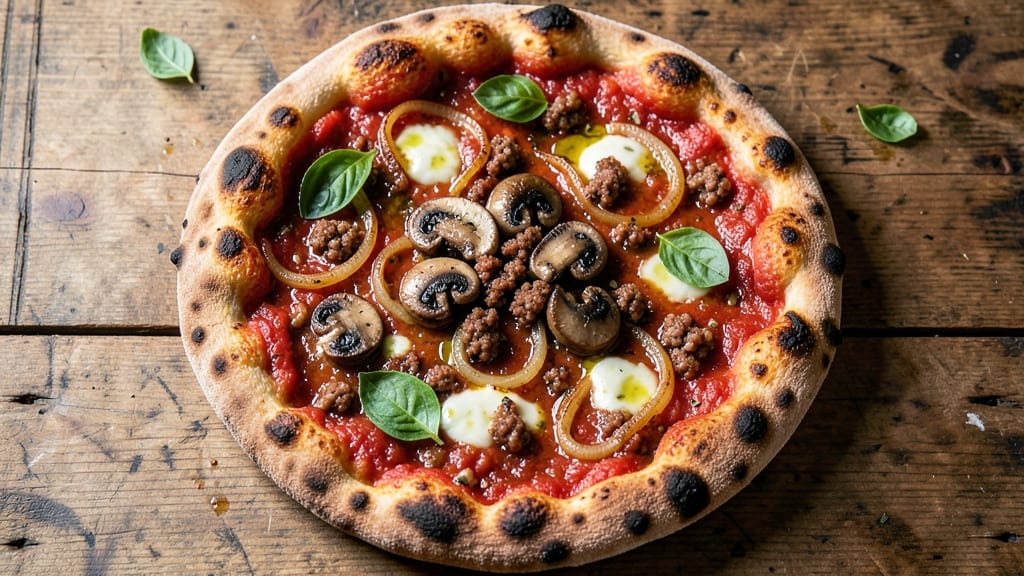
This German pizza recipe brings authentic flavors to your kitchen with a thin-crust foundation and toppings that celebrate Germany's bold traditions. The secret lies in the dough—a crispy-edged, tender base that holds up to hearty toppings like sauerkraut, bratwurst, or beer cheese.
I developed this recipe after years of perfecting the balance between cultural authenticity and modern convenience, ensuring every bite delivers that satisfying crunch and rich flavor.
The dough starts with a simple mix of flour, yeast, and a touch of sugar, but the magic happens in the baking process. A hot oven creates those coveted crispy edges while keeping the center tender, just like traditional German breads.
For the toppings, I recommend using sauerkraut for tangy depth, bratwurst for savory richness, or a blend of sharp cheddar and beer cheese for that signature German kick. The result is a pizza that feels both nostalgic and fresh, perfect for game day or a cozy weeknight dinner.
What sets this recipe apart is the combination of crispy texture and authentic toppings—no shortcuts, just proven techniques. The thin crust stays crispy even after baking, while the toppings melt into a flavorful harmony.
Whether you're serving it at a gathering or enjoying a solo meal, this pizza delivers restaurant-quality results with a homemade touch. Let's get started on creating your own German-style masterpiece.
This recipe works beautifully as a main dish or appetizer, and the leftovers reheat perfectly for lunch the next day. Pair it with a cold German beer or a crisp white wine to complete the experience.
The versatility of the toppings means you can adapt it to whatever ingredients you have on hand, making it as customizable as it is authentic. Ready to bring a taste of Germany to your kitchen?
Ingredients for german pizza
Authentic German flavors start with these 14 simple yet powerful ingredients.
| Ingredient | Amount | Notes |
|---|---|---|
| All-Purpose Flour 🌾 | 3 cups | High-protein for crispy crust |
| Active Dry Yeast 🍞 | ¼ tsp | Ensure it's fresh |
| Granulated Sugar 🍬 | ½ tsp | Feeds the yeast |
| Salt 🧂 | 1 ½ tsp | Diamond Crystal preferred |
| Extra-Virgin Olive Oil 🫒 | ¼ cup | For dough elasticity |
| Warm Water 💧 | 1 cup | 110°F for yeast activation |
| Sauerkraut 🥬 | 1 ½ cups | Drained, finely chopped |
| Bratwurst Sausages 🌭 | 1 lb | Nürnberger-style preferred |
| Sharp Cheddar Cheese 🧀 | 1 cup | Shredded, aged 6+ months |
| Beer Cheese Spread 🍺 | ½ cup | Store-bought or homemade |
| Cornichons 🥒 | ¼ cup | Sliced, for tangy crunch |
| Fresh Dill 🌿 | ¼ cup | Chopped, for freshness |
| Garlic Cloves 🧄 | 3 cloves | Minced for depth |
| Freshly Ground Black Pepper 🌶️ | ½ tsp | For finishing |
The yeast and flour combo is non-negotiable for that signature crispy-yet-tender crust. King Arthur or Caputo flour work best for the chewy texture, but all-purpose in a pinch. For the yeast, check the expiration date—old yeast won't activate properly. The sauerkraut from Trader Joe's is my go-to for reliable tang, but any good-quality jarred kind works. If you can't find brats, Italian sausage or kielbasa are solid swaps—they'll still give you that smoky richness. The beer cheese? Look for brands like Old Bay or homemade recipes that balance malty sweetness with sharp cheddar.
No sauerkraut? Substitute with a mix of finely chopped red cabbage and a splash of apple cider vinegar for similar tang. Bratwurst unavailable? Smoked sausage or even ground beef with fennel seeds mimics the flavor profile. The beer cheese can be made ahead—just mix sharp cheddar with a splash of light beer and a pinch of mustard. For the cornichons, substitute with pickles or even capers if you're in a bind. Fresh dill is ideal, but dried dill at one-third the amount works in a pinch. The garlic should be freshly minced—pre-minced garlic loses its punch quickly.
Store the dough in an airtight container for up to 2 days before baking—it actually improves with a short rest. The beer cheese keeps for 1 week in the fridge, while the brats can be pre-cooked and frozen for 3 months. The fresh dill and cornichons are best used within 3 days of shopping, so buy them last. The pizza reheats beautifully—just 5 minutes at 350°F to restore that crispy edge. For leftovers, I like to cut into squares and freeze them for quick lunches.
Why You'll Love This Recipe
- No-Knead Magic: I swear by this dough—just mix the flour, yeast, sugar, and olive oil, let it rest while I make dinner, and boom. No roller, no fuss, just a chewy, airy crust that’s actually worth the wait.
- Olive Oil Luxury: That splash of extra-virgin olive oil? It’s the secret weapon. The dough gets this golden, crispy edge while staying tender inside—like a hug from a bakery, but with ingredients I already had.
- Game-Day Flex: Need a crowd-pleaser for game night? This dough stretches like a champ, and the toppings? Whatever you’ve got. My kids load it up with leftover roast beef and pickles—yes, it works—and it’s always gone first.
- Budget-Friendly Leftovers: A single batch feeds four, and the dough freezes like a dream. I pull out a ball of it on lazy mornings, slap on some cheese and ham, and have breakfast for dinner. (Or dinner for breakfast—no judgment.)
Step-by-step instructions for German-style bratwurst pizza
Here's how to craft an authentic German-inspired pizza with crispy edges and bold flavors.
Prepare the Yeast Dough for Maximum Crispiness
In a large mixing bowl, combine the 3 cups all-purpose flour and 1.5 teaspoons salt, creating a well in the center. Add the 0.25 teaspoon active dry yeast and 0.5 teaspoon granulated sugar to the well. Pour in the 1 cup warm water (about 110°F) and 0.25 cup extra-virgin olive oil, then gently mix with a wooden spoon until a shaggy dough forms.
Turn the dough onto a lightly floured surface and knead vigorously for 8-10 minutes until smooth and elastic. The dough should spring back when poked—this ensures a crispy crust later. Real talk: Don't rush this step. Proper kneading develops gluten, which gives that signature thin-crust texture. Once kneaded, shape into a round and place in a lightly oiled bowl. Cover with a damp towel and let rise in a warm place for 1-2 hours, or until doubled in size.
Cook the Bratwurst and Prepare Toppings
While the dough rises, slice the 1 pound bratwurst sausages into ½-inch thick rounds and set aside. In a separate bowl, combine the 1.5 cups drained sauerkraut (finely chopped), 1 cup shredded sharp cheddar cheese, 0.5 cup beer cheese spread, 0.25 cup sliced cornichons, 0.25 cup chopped fresh dill, 3 minced garlic cloves, and 0.5 teaspoon freshly ground black pepper. Mix well—this is your flavor-packed topping blend.
Heat a skillet over medium-high heat and cook the bratwurst slices for 2-3 minutes per side until browned and cooked through. The key here is not to overcrowd the pan—cook in batches if needed. Remove from heat and set aside. Here's the thing—these sausages will release fat as they cook, which adds incredible richness to your pizza.
Shape and Pre-Bake the Crust
Preheat your oven to 425°F and line a baking sheet with parchment paper. Once the dough has risen, punch it down gently to release air, then roll it out on a floured surface to about ⅛-inch thickness—this is where you achieve that authentic German thin crust. Transfer the dough to the prepared baking sheet and create a slight rim around the edges to prevent over-spreading.
Bake the crust for 8-10 minutes until the edges are golden brown and the center is just starting to set. Watch closely—it's easy to overbake at this stage. The crust should still be slightly soft in the middle when you remove it from the oven. This pre-baking step is critical for that crispy edge while keeping the center tender.
Assemble and Bake to Perfection
Remove the crust from the oven and immediately spread the beer cheese spread evenly over the surface. This creates a creamy base that binds the toppings together. Sprinkle the bratwurst slices evenly across the crust, followed by the sauerkraut-cheese mixture. The combination of sharp cheddar and tangy sauerkraut gives this pizza its authentic German character.
Return the pizza to the oven and bake for an additional 10-12 minutes until the cheese is melted and bubbly, and the edges are deeply golden. You'll know it's done when the crust sounds hollow when tapped and the cheese has turned a beautiful golden brown. Don't skip this final bake—it's what transforms your pizza from good to extraordinary.
Pro Tips For Making German Pizza
- Let the Dough Rise Twice: German pizza dough needs patience—skip the overnight cold rise if you’re in a hurry, but give it two separate rises: the first in warm water (1-2 hours) until doubled, then shape and let it rest another 30 minutes at room temp. I learned this the hard way when my first attempt collapsed under toppings because it was too tight.
- Use Olive Oil Sparingly: Extra-virgin olive oil is great, but too much makes the dough greasy and hard to handle. Stick to about 1 tablespoon per 500g flour—just enough to lightly coat the surface. Trust me, your dough will thank you when it stretches without tearing.
- Don’t Over-Knead the Dough: German pizza dough is delicate—overworking it turns it tough. Knead just until the flour comes together, then let the yeast do the work during the rise. I used to go full gluten-developer, and my crust ended up chewy instead of airy.
- Preheat Pan with Oil: Cook the pizza in a cold, oiled skillet (no nonstick needed) and turn the heat to medium-low. The oil heats gradually, giving you a crispy bottom without burning the edges. Sounds weird, but it works—my first attempt in a hot pan stuck like glue.
Common mistakes when making great german pizza
Overloading Toppings
One of the biggest mistakes is piling on too many toppings, which can weigh down your thin crust and prevent that crispy texture we're after. I've seen pizzas with 3-4 layers of toppings—this is a recipe for a soggy mess.
Stick to 3-4 toppings max, including the sauerkraut, bratwurst, and cheese blend. The beer cheese spread acts as a glue, but it can't hold up under excessive weight. 🥬
Skipping Pre-Baking
If you skip the 8-10 minute pre-bake for the crust, you'll end up with a soft, doughy pizza instead of the crispy-edged masterpiece we're aiming for. This step is non-negotiable—it sets the foundation for that authentic German bread-like texture.
I've learned this the hard way after forgetting it once and ending up with a sad, limp crust. 🔥
Using Cold Dough
Pulling dough straight from the fridge to roll it out is a recipe for disaster. Cold dough is tough to work with and won't spread evenly, leading to uneven thickness and baking times. Let your dough sit at room temperature for 15-20 minutes before rolling.
This makes it pliable and ensures that ⅛-inch thickness we're targeting. I always keep a bowl of warm water nearby to speed up this process if needed.
Overmixing the Dough
Once you've added all the ingredients to your dough, resist the urge to overmix it. Overworking the gluten will make your crust tough instead of tender. Mix just until combined, then knead for 8-10 minutes—no more.
I've seen home cooks mix for 20+ minutes thinking it's better, but that's how you end up with a chewy, dense crust that's more like bread than pizza.
Ignoring the Rim
The slight rim I mentioned in the instructions isn't just decorative—it prevents your toppings from sliding off and helps create that crispy edge. If you skip this step, you'll likely end up with toppings pooling in the center while the edges stay soft.
Create that rim by gently pulling and stretching the dough outward about ½ inch around the perimeter before baking. It takes just a minute but makes a world of difference. ✨
Underestimating Rest Time
After assembling your pizza, resist the urge to pop it straight back into the oven. Let it rest for 5-10 minutes at room temperature. This allows the cheese to slightly soften and the toppings to meld together.
I've rushed this step before and ended up with toppings sliding around or cheese not melting properly. Patience here ensures everything cooks evenly and develops those beautiful caramelized flavors we love. 💪
Nutrition facts
Frequently asked questions
What makes this German pizza different from Italian pizza?
This recipe skips traditional tomato sauce in favor of a beer cheese base and features toppings like sauerkraut, bratwurst, and cornichons that reflect German flavors. The thin crust is inspired by German bread traditions, creating a crispy edge while keeping the center tender—unlike Italian pizza's chewy or puffy bases.
Can I make this pizza without a wood-fired oven?
A conventional oven at 425°F works perfectly. The key is pre-baking the crust for 8-10 minutes before adding toppings to achieve that crispy edge. Use a pizza stone or baking sheet for even heat distribution. The recipe's two-stage baking mimics wood-fired results at home.
Is sauerkraut essential, or can I substitute it?
While sauerkraut adds authentic tang, you can substitute with 1.5 cups finely chopped red cabbage + 1 tablespoon apple cider vinegar for similar acidity. For a different flavor, try caramelized onions or sautéed mushrooms. The beer cheese and sharp cheddar will still provide that signature German richness.
How do I store leftovers to keep the crust crispy?
Cool the pizza completely, then slice and store in an airtight container with parchment paper between slices. Reheat at 350°F for 5-7 minutes until crispy. For extra crunch, place slices on a baking sheet and reheat for 3-4 minutes—this restores that satisfying texture.
What beer pairs best with this pizza?
A German wheat beer (Hefeweizen) or pilsner complements the bratwurst and beer cheese perfectly. The citrus notes in wheat beer cut through the richness, while pilsner's crispness balances the tangy sauerkraut. Avoid heavy stouts—they'll overpower the dish.