
Snacks
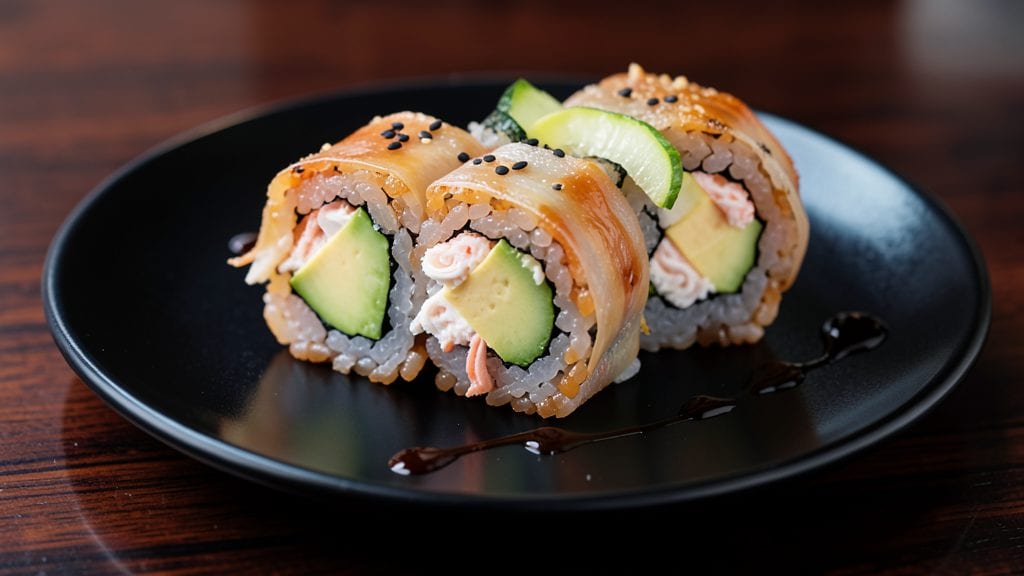
Creating an authentic California roll at home delivers the same crisp, fresh flavors you'd find in a high-end sushi restaurant—without the wait. The secret lies in perfectly seasoned sushi rice, precise ingredient placement, and the inside-out rolling technique that keeps the texture light and delicate.
I've perfected this method over years of practice, and it's now my go-to recipe for impressing guests with restaurant-quality results.
What sets this recipe apart is the attention to traditional methods: vinegared rice with just the right balance of sweetness and tang, fresh ingredients arranged to maximize flavor, and the proper technique for slicing without tearing.
The combination of crisp cucumber, creamy avocado, and sweet imitation crab creates a harmonious bite that's both satisfying and visually appealing. This isn't just another sushi recipe—it's a step-by-step guide to making California rolls that taste exactly like your favorite takeout order.
The process begins with cooking fluffy, slightly sticky sushi rice that's seasoned to perfection, then moves to carefully assembling the roll using the inside-out technique to maintain shape. Each slice reveals the beautiful layers of color and texture that make California rolls so distinctive.
With practice, you'll achieve rolls that are crisp on the outside, tender on the inside, and perfectly balanced in flavor—just like the ones you'd pay top dollar for at a sushi bar.
Whether you're preparing for a sushi night with friends or simply craving a fresh, healthy snack, this recipe delivers authentic results in just minutes. The key is patience and precision, but once you master the technique, you'll never buy California rolls again.
Let's get started on creating your own restaurant-quality masterpiece at home.
Ingredients for authentic california roll
Fresh, vibrant ingredients that transform into restaurant-quality California rolls at home.
| Ingredient | Amount | Notes |
|---|---|---|
| Sushi Rice 🍚 | 2 ½ cups | Cooked, slightly sticky, cooled |
| Rice Vinegar 🍶 | ⅓ cup | Seasoned, not sweetened |
| White Sugar 🍚 | ¼ cup | Granulated, not powdered |
| English Cucumber 🥒 | 1 whole | Seeded, thinly sliced lengthwise |
| Ripe Avocado 🥑 | 1 whole | Pitted, sliced into thin strips |
| Imitation Crab Meat 🦞 | 1 lb | Kani-style, flaked or chunked |
| Nori Sheets 🍣 | 4 whole | High-quality, slightly toasted |
| Sesame Seeds 🌾 | 1 tbsp | White or black, toasted |
| Wasabi Paste 🌶️ | ½ tsp | Adjust to taste |
| Soy Sauce 🍶 | ¼ cup | For dipping, not cooking |
| Pickled Ginger 🍋 | ¼ cup | Thinly sliced, for serving |
| Sesame Oil 🫒 | ½ tsp | For drizzling, not cooking |
| Salt 🧂 | ½ tsp | Diamond Crystal kosher |
The sushi rice is non-negotiable—use short-grain Japanese rice (like Koshihikari) for that perfect sticky texture. Matsuya or Nishiki brands are my go-to at Asian markets, but any reputable brand works. The vinegar should be seasoned (already sweetened), not plain—it's what gives that signature tang. For the imitation crab, Kani-style from Trader Joe's or Costco is ideal—it's sweeter and holds together better than the chunky kind. Nori sheets? Buy from a specialty store—the ones at regular grocers often taste stale. Toast yours lightly in a dry pan for 10 seconds per side to enhance flavor without burning.
No fresh cucumber? Use Persian cucumbers or even zucchini, but seed them thoroughly to avoid bitterness. Avocado hating you? Swap for mango slices—same creamy texture, tropical twist. Running low on imitation crab? Lump crab meat works too, but it's pricier. The sesame seeds can be omitted if you're avoiding nuts, but I always toast mine in a dry pan until golden—worth the extra minute. For the wasabi, start with just a pinch and adjust; some brands are way spicier than others. The pickled ginger is optional but adds that authentic touch—look for the bright pink kind in the Asian aisle.
Rice keeps best in an airtight container with a damp towel on top—prevents drying out. Make a double batch; leftover rice is perfect for fried rice or onigiri. Nori sheets last 3 months in the fridge if sealed tightly. I portion my crab and veggies ahead of time to save assembly time during rolling. These rolls hold for 2 days in the fridge, but the texture starts to soften after day one—eat fresh for the best experience. For presentation, drizzle with sesame oil just before serving—keeps everything looking vibrant.
Why You'll Love This Recipe
- No Fuss Assembly: I swear, this is the only sushi roll I’ll make when I’m exhausted—just spread rice, roll, slice. The cucumber stays crisp and the avocado doesn’t brown if you work fast (I’ve learned that the hard way).
- Crunchy-Creamy Magic: That first bite? The outside’s cool and snappy from the cucumber, while the avocado inside melts like butter. Honestly, it’s the closest I get to eating a cloud with a bite of green.
- Lunchbox Superstar: Pack these for work or school—they hold up for days if you wrap them tightly in parchment. My kids actually eat them cold, and I’ve even frozen extras for quick snacks (yes, really).
- Budget-Friendly Freshness: Skip the takeout and save cash—this uses simple, affordable ingredients. A single avocado and cucumber go a long way, and the rice keeps for days if you make a big batch. Win-win.
Step-by-step instructions for authentic California rolls
Here's how to assemble these iconic inside-out rolls with perfect texture and balance.
Prepare the Sushi Rice
Start by spreading the 2.5 cups cooked sushi rice evenly on a bamboo sushi mat lined with plastic wrap. I use a rice paddle to create an even ¼-inch thick layer—this ensures consistent rolls later. The rice should be slightly sticky but not wet, with a glossy sheen from the 0.33 cup rice vinegar and 0.25 cup white sugar mixture you seasoned it with earlier.
Gently press down with the mat to compress the rice while keeping it cohesive. The goal is to create a firm base that won't crumble when you roll. I like to work quickly here—sushi rice loses its stickiness as it cools. Sprinkle the 0.5 tsp salt evenly over the rice before proceeding, as this enhances the umami flavor when combined with the crab and avocado.
Assemble the Filling Components
Create three parallel lines of filling on the rice: First, place the 1 lb imitation crab meat in a 2-inch wide line down the center. Then, add the thinly sliced english cucumber strips to one side and the ripe avocado strips to the other, keeping everything 1 inch from the edge. The crab should be slightly overlapping but not piled high—this prevents the rolls from bursting.
For the wasabi, I like to apply a thin line of the 0.5 tsp wasabi paste along the center of the crab line. This adds authentic heat without overpowering the delicate flavors. Work quickly here—the avocado will oxidize if exposed too long. Keep the fillings within 2 inches of the edge to ensure they stay contained during rolling.
Roll the California Rolls
Lift the bamboo mat from one side and gently roll the rice and fillings away from you using firm but even pressure. The mat helps compress the roll while keeping the ingredients tightly bound. I press down slightly as I roll to create consistent pressure—this prevents the fillings from shifting during cutting. You should end up with a 3-inch diameter log that feels firm when squeezed.
For the classic California roll look, I make a slight indentation at the seam where the mat meets the rice. This creates the signature "inside-out" appearance. Once rolled, use a sharp, wet knife to cut each roll into 8 equal pieces. The knife should be dipped in water between cuts to prevent sticking—this gives you clean, precise slices every time.
Final Assembly and Presentation
Place each California roll slice on a serving platter and drizzle with 0.5 tsp sesame oil to add a nutty aroma and glossy finish. Sprinkle the rolls with 1 tbsp sesame seeds for texture and visual appeal. The seeds should be toasted lightly beforehand to enhance their flavor—just heat them in a dry pan for 1-2 minutes until golden.
Serve immediately with the 0.25 cup soy sauce and 0.25 cup pickled ginger on the side. The ginger adds a refreshing palate cleanser between bites, while the soy sauce lets diners adjust the saltiness to their preference. For an authentic touch, I like to arrange the rolls in a circular pattern on the plate, creating an inviting presentation that highlights their colorful layers.
Pro Tips For Making Authentic California Roll
- CHILL THE RICE RIGHT: Spread your cooked sushi rice on a tray and refrigerate it uncovered for 15-20 minutes before shaping. I learned this the hard way—skipping it makes the rice too sticky, and your rolls will either collapse or stick to the nori like glue. The slight drying helps it hold form without losing moisture.
- PEEL CUCUMBER THINLY: Use a sharp vegetable peeler to slice off just the outer green skin—don’t go deeper than 1mm. The thick white pith underneath turns bitter and mushy when pickled, and no one wants that in their California roll. A mandoline set to 1.5mm works too, but watch your fingers.
- AVOCADO: CUT IT LAST: Save the avocado for the final assembly, even if it means prepping everything else first. It browns faster than you think, and once it’s sliced, there’s no undoing it. Keep it whole in the fridge until you’re ready to roll, then slice just before wrapping.
- PRESS THE ROLL FIRM: Don’t be gentle—press the bamboo mat down hard enough to hear the nori crackle slightly. A light roll means gaps where filling will peek out, and that’s the fast track to a messy bite. Use your forearms, not just your wrists, for even pressure. (Yes, it takes practice, but your rolls will thank you.)
Dietary considerations for this dish
Gluten-Free Adaptations
Traditional California rolls use nori sheets that are naturally gluten-free, but imitation crab often contains wheat-based binders. I always check the label on Kani-style crab from Trader Joe's—their version is certified gluten-free. For extra caution, use fresh lump crab meat instead, which eliminates any risk entirely.
The rice base is already gluten-free, but verify your rice vinegar and soy sauce labels, as some brands contain wheat. 🌾
Vegetarian Options
Swap the imitation crab for marinated tofu or avocado-only rolls by doubling the avocado slices and adding pickled radish for crunch.
I press extra-firm tofu into thin strips and marinate it in 1 tbsp soy sauce, 1 tsp sesame oil, and ½ tsp grated ginger for 15 minutes before using. The texture mimics crab surprisingly well! For extra protein, add edamame or thinly sliced mushrooms.
Low-Carb Versions
Replace the sushi rice with cauliflower rice cooked until tender, then seasoned with the same vinegar-sugar mixture. I use fresh cauliflower florets steamed for 5 minutes and mashed lightly with 1 tbsp rice vinegar and ½ tsp sugar.
The rolls will be lighter but still hold together well when wrapped tightly. For extra binding, add 1 tbsp xanthan gum to the cauliflower mixture before assembling.
Allergen-Free Tips
Sesame seeds are a common allergen, so I always offer an alternative presentation without them. Instead, I garnish with toasted coconut flakes or crushed peanuts for texture. For nut-free kitchens, ensure your sesame oil is processed in a dedicated facility.
If avocado is a concern, substitute with thinly sliced mango or ripe papaya—both add sweetness and creaminess without the allergen risk.
Dairy-Free Considerations
This recipe is naturally dairy-free, but always double-check your imitation crab packaging, as some brands include whey. For extra assurance, I use 100% plant-based mayo (like Hellmann's Vegan) as a binder for any additional fillings.
The avocado and cucumber are both dairy-free, but if you're adding other ingredients like cream cheese, opt for vegan cream cheese instead.
Protein Boosts
Add smoked salmon or thinly sliced ham to increase protein content. I like to layer 2 oz smoked salmon alongside the crab for a luxurious twist.
For a vegetarian boost, include cooked quinoa mixed into the rice—just ½ cup cooked quinoa per roll adds 4g extra protein without altering the texture significantly. 💪
Nutrition facts
Frequently asked questions
Why does my California roll fall apart when slicing?
Overfilling is the #1 culprit! Keep ingredients within 2 inches of the edge and use firm pressure when rolling. A slightly wet knife also helps—dip it in water between cuts to prevent sticking. The rice should be sticky but not wet, and the roll should feel firm when squeezed.
Can I make California rolls ahead of time?
Yes, but they're best eaten fresh for optimal texture. Assemble and slice them 1 hour before serving. Store in an airtight container with parchment paper between layers. For longer storage (2 days max), refrigerate uncut rolls wrapped tightly in plastic wrap.
What's the difference between inside-out and outside-out rolls?
The classic California roll is inside-out, meaning the rice faces inward while nori wraps the outside. This creates the signature look and keeps the rice from drying out. Outside-out rolls (like spicy tuna rolls) show the rice exterior. The inside-out technique also helps maintain the delicate balance of flavors in each bite.
How do I prevent my nori from getting soggy?
Toast your nori sheets lightly for 10 seconds per side before using to enhance flavor and reduce moisture absorption. Also, work quickly during assembly—exposed nori absorbs rice moisture. For extra protection, place a thin layer of plastic wrap between the bamboo mat and nori during rolling.
Can I substitute fresh crab for imitation crab?
Use 1 lb fresh lump crab meat instead of imitation crab. For best texture, pick through the meat to remove shells and cartilage. Fresh crab has a firmer bite and more complex flavor, but it requires careful handling. The recipe proportions remain the same—just adjust seasoning slightly since fresh crab is saltier.