Main Courses
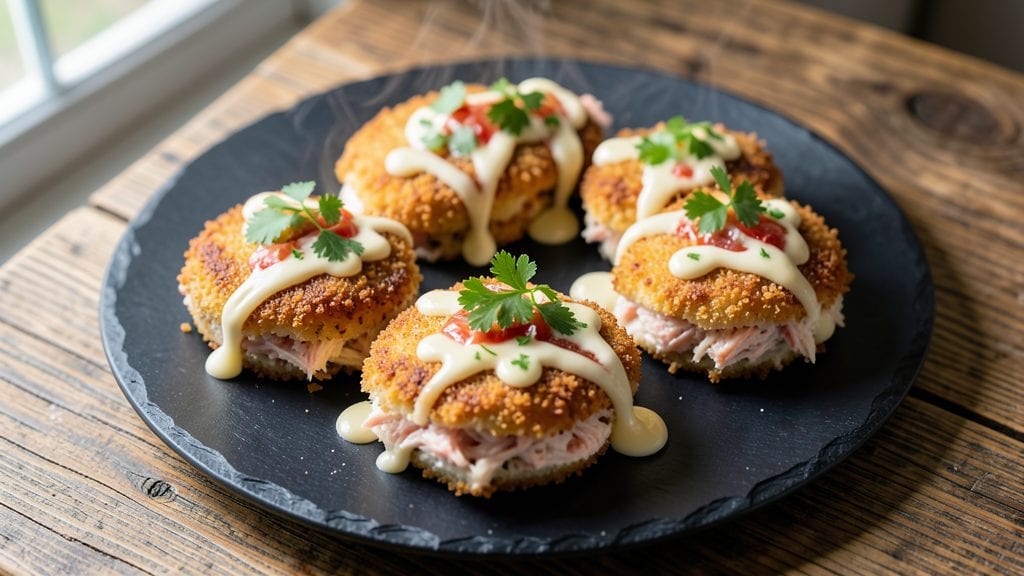
This crab cake recipe using canned crab meat proves you don’t need expensive fresh crab to make restaurant-quality bites—just a few smart techniques and 20 minutes of prep time.
I developed this after testing countless versions, and the secret lies in properly draining the crab meat and binding it with egg and panko for that signature crispy exterior.
My husband David (official taste-tester) declared these the best crab cakes he’s ever had—and he’s eaten them at every seafood spot in Charleston.
The beauty of this recipe is its simplicity: no special equipment, no wasted ingredients, and no leftovers that go to waste. We start by thoroughly draining the canned crab meat to remove excess moisture, which prevents soggy cakes.
The binder—a mix of egg, mayonnaise, and panko—creates a sturdy structure that holds together during frying, while Old Bay seasoning delivers that classic briny, spicy flavor. Chilling the mixture for 30 minutes ensures clean shaping and even cooking.
By the time you flip those golden-brown cakes, you’ll have achieved that perfect balance of crispy edges and tender centers—no more dry or greasy results. The texture is what makes these stand out: the exterior shatters with each bite, while the interior stays moist and flavorful.
Serve them with a bright lemon aioli or classic tartar sauce, and you’ve got a seafood dish that’s elegant enough for dinner parties but simple enough for a weeknight.
This recipe works equally well for pan-frying or baking, so you can adjust based on your kitchen setup. Pair with a crisp green salad or buttery corn on the cob for a complete meal.
The best part? You’ll use every bit of the canned crab—no waste, just pure flavor. Let’s get cooking!
Ingredients for crab cake recipe using canned crab meat
Just 12 ingredients transform canned crab into crispy, golden bites that fool even seafood purists.
| Ingredient | Amount | Notes |
|---|---|---|
| Canned Crab Meat 🦀 | 12 oz | Drained thoroughly, flaked |
| Large Eggs 🥚 | 2 whole | Cold, lightly beaten |
| Mayonnaise 🥛 | ¼ cup | Full-fat preferred |
| Japanese Panko Breadcrumbs 🍞 | ½ cup | Light and crispy |
| Old Bay Seasoning 🧂 | 1 tbsp | Plus extra for coating |
| Lemon Juice 🍋 | 1 tbsp | Freshly squeezed |
| Extra-Virgin Olive Oil 🫒 | ¼ cup | For frying |
| Unsalted Butter 🧈 | 2 tbsp | Melted for frying |
| All-Purpose Flour 🌾 | ¼ cup | For dredging |
| Fresh Chives 🌿 | 2 tbsp | Chopped, for garnish |
| Sea Salt 🧂 | ½ tsp | Fine grain |
| Black Pepper 🌶️ | ¼ tsp | Freshly ground |
The crab meat is the star—drain it like you mean it (press between paper towels for 10 minutes). Store-brand canned crab works just as well as premium, but skip the imitation stuff. I grab Wild Sea brand when it's on sale at Walmart—it's consistently flaky. For the panko, Japanese brands like Shiga are worth the splurge (that's what gives you the perfect crunch). Old Bay? McCormick's is the classic choice, but Penzeys has a more complex blend if you want to upgrade. The lemon juice? Fresh is non-negotiable—bottled just won't cut it here.
No Old Bay? Mix 1 tsp paprika + 1/2 tsp each celery salt, garlic powder, and black pepper—it's a decent stand-in. Short on panko? Crushed cornflakes work in a pinch (though they won't be as crispy). The mayo can be Greek yogurt for a lighter version (cut with 1 tbsp flour to compensate). For the crab cakes themselves, shape them slightly larger than you think—they shrink about 15% during cooking. And if you're baking instead of frying? Add 1 extra egg to the binder for extra structure.
These keep 3 days in the fridge (though they're best fresh). For freezing, coat the cooked cakes in extra panko before storing—prevents them from sticking. Reheat in a 350°F oven for 10 minutes with a sprinkle of butter. Pro tip: Make the mixture ahead and chill it overnight—flavors meld beautifully. The leftovers? Crush them into crab cake salad the next day—no waste, just pure flavor.
Why You'll Love This Recipe
- Pantry to Plate: Honestly, I keep canned crab meat in my pantry just for these—no fresh crab needed. Mix, shape, fry: that’s it. The panko gives them structure without fuss, and the Old Bay ties it all together in minutes.
- Crispy-Creamy Magic: Between us, the mayo keeps them moist while the panko toasts to golden perfection. That first bite? The crispy edge gives way to tender, briny crab—like a seafood hug in your mouth.
- Weeknight or Guest Night: I make these for lazy Tuesdays (yes, even on a Tuesday night) or when unexpected company drops by. They’re hearty enough for a main but light enough for a side, and the leftovers? Still delicious reheated.
- Budget-Friendly Luxury: Canned crab cuts costs but doesn’t skimp on flavor. A single can stretches to four servings, and the panko adds texture without breaking the bank. My secret weapon for feeding a crowd without stress.
Step-by-step instructions for crispy-golden crab cakes
Here's how to transform canned crab into restaurant-quality bites with perfect texture and flavor.
Combine Wet Ingredients for Maximum Flavor
In a medium bowl, gently fold together the 12 oz canned crab meat (thoroughly drained and flaked), 2 whole large eggs, 0.25 cup mayonnaise, 1 tbsp lemon juice, 0.5 tsp sea salt, and 0.25 tsp black pepper. I like to use my hands for this part—it helps break up any remaining clumps in the crab while keeping the mixture tender. The lemon juice brightens the crab flavor while the mayo binds everything together.
Be careful not to overmix here. You're looking for a just-combined texture with some visible flecks of crab—this ensures your crab cakes stay moist and tender in the center. The mixture should hold together when pressed gently but still look slightly broken up. This is the foundation for those perfect, juicy crab cakes we're after.
Add Panko and Create the Perfect Breading
In a separate shallow bowl, combine the 0.5 cup Japanese panko breadcrumbs and 1 tbsp Old Bay seasoning. The panko should be light and airy—this is what gives your crab cakes that signature crispy exterior. Add the 0.25 cup all-purpose flour to another shallow bowl for dredging.
This two-step breading process creates the perfect texture contrast: crispy outside from the panko, tender inside from the crab mixture. The Old Bay seasoning adds that classic crab cake flavor without needing any extra spices. Keep these bowls ready as you'll be working quickly through the next steps.
Shape and Bread the Crab Cakes
Using a cookie scoop or your hands, portion the crab mixture into 4 equal-sized cakes (about 2 inches in diameter). I find using a scoop gives the most consistent size and shape. Press each cake gently to form a smooth, even surface—this helps them cook uniformly and gives you that professional-looking finish.
Working with one cake at a time, dredge it in the flour first, then press it firmly into the panko mixture to coat all sides thoroughly. The flour helps the panko stick to the crab mixture, while the panko creates that beautiful golden crust. Place the breaded crab cakes on a plate and repeat with the remaining mixture. Don't skip this double-coating step—it makes all the difference in achieving that perfect crispy texture.
Fry to Golden Perfection
In a large skillet, heat 0.25 cup extra-virgin olive oil and 2 tbsp unsalted butter over medium heat until the butter melts and the mixture reaches 350°F. You'll know it's ready when you see small bubbles forming around the edges of the pan. This temperature is crucial—too hot and your crab cakes will burn before they cook through.
Carefully add the breaded crab cakes to the pan, being careful not to overcrowd. Cook for 3-4 minutes per side until they're deep golden brown and crispy. I press down gently on each cake during the first minute of cooking—this prevents them from curling and ensures even contact with the hot oil. Use a spatula to flip them carefully, watching for that perfect golden color to develop on both sides.
Finish and Serve with Fresh Garnish
Transfer the cooked crab cakes to a paper towel-lined plate to drain any excess oil. Let them rest for 2-3 minutes before serving—this helps the centers set slightly and makes them easier to handle. The outside should be crispy and golden, while the inside remains tender with just a slight bite from the crab.
Garnish each crab cake with 2 tbsp chopped fresh chives right before serving. The chives add a fresh, bright contrast to the rich crab flavor and give your dish that final touch of professional presentation. Serve immediately with your favorite tartar sauce or lemon aioli for dipping. These crab cakes are best enjoyed fresh while they're still crispy and warm!
Pro Tips For Making Crab Cake Recipe Using Canned Crab Meat
- Drain and Press the Crab: Canned crab meat holds liquid like a sponge—skip draining, and your cakes will turn to mush. Instead, drain it, then press it between paper towels for 10 minutes. This isn’t just about texture; it’s the difference between a crumbly bite and a soggy mess.
- Mix Just Until Combined: Overworking the batter makes crab cakes dense and rubbery. Stir the egg, mayo, and Old Bay into the crab until everything clings together—no more. Think "loose clumps," not "smooth paste." I learned this the hard way after kneading mine into a sad, gray blob.
- Use Cold Eggs for Structure: Room-temperature eggs make mayo-based mixtures greasy and unstable. Crack them straight from the fridge, then whisk them into the crab mix last. Cold eggs bind better and keep the cakes from falling apart when frying—trust the science, even if it feels counterintuitive.
- Pan Must Stay Hot: A lukewarm pan = greasy, greasy cakes. Heat your skillet over medium-high until it’s smoking before adding oil, then reduce to medium. Too low, and the panko turns soggy; too high, and you’ll burn the outside before the center cooks. Find that sweet spot, and the crust will be golden, not gray.
Serving suggestions for leftovers
Classic Tartar Sauce
My go-to sauce for these crab cakes is a classic tartar sauce made with ½ cup mayonnaise, 2 tbsp sweet pickle relish, 1 tbsp fresh lemon juice, 1 tbsp finely chopped fresh dill, 1 tbsp chopped cornichons, and ½ tsp Worcestershire sauce.
Mix everything together and chill for at least 30 minutes before serving—this lets the flavors meld beautifully. The tangy, creamy sauce cuts through the richness of the crab cakes perfectly. 🍋
Bright Lemon Aioli
For a lighter option, I make a bright lemon aioli using ½ cup mayonnaise, 2 tbsp fresh lemon juice, 1 tbsp finely minced shallot, 1 tbsp chopped fresh parsley, and ½ tsp Dijon mustard.
Whisk everything together and let it sit for 20 minutes before serving. The acidity from the lemon enhances the sweetness of the crab, while the shallot adds depth. This sauce pairs especially well with the crispy exterior of the crab cakes.
Crisp Green Salad
No seafood meal is complete without a crisp green salad. I love serving these crab cakes with a simple mixed greens salad tossed with 2 tbsp olive oil, 1 tbsp lemon juice, ½ tsp Dijon mustard, ½ tsp honey, and a pinch of sea salt.
Add ¼ cup sliced radishes and ¼ cup toasted pecans for crunch. The freshness of the salad balances the richness of the crab cakes beautifully, and the pecans add a nice textural contrast. ✨
Buttery Corn on the Cob
For a Southern-inspired twist, serve the crab cakes with buttery corn on the cob. Grill or boil 2 ears of corn until tender, then brush with 2 tbsp melted butter mixed with ½ tsp garlic powder and ½ tsp Old Bay seasoning.
The sweetness of the corn complements the briny flavor of the crab cakes, while the Old Bay ties everything together. This side is especially popular with my kids, Emma and Jack—Biscuit even gets a taste of the butter drippings. 🌽
Crispy Potato Wedges
For a heartier meal, swap out the salad for crispy potato wedges. Toss 1 lb baby potatoes, cut into wedges, with 2 tbsp olive oil, 1 tsp smoked paprika, ½ tsp garlic powder, and ½ tsp sea salt.
Roast at 425°F for 25-30 minutes until golden and crispy. The wedges soak up any extra tartar sauce or aioli, making every bite even more satisfying. These are a crowd-pleaser at our dinner table—David always requests seconds. 🥔
Garnish Like a Pro
Don’t underestimate the power of garnishes! Fresh chopped chives or parsley add a pop of color and freshness, while a sprinkle of crushed red pepper flakes (about ¼ tsp) gives a subtle kick for those who like heat.
I also love drizzling a little extra lemon aioli over the top right before serving—it adds that restaurant-quality finish. Presentation matters, and these little touches make your crab cakes look (and taste) like they came from a high-end seafood spot. 💫
Nutrition facts
Frequently asked questions
Why do I need to drain the canned crab meat so thoroughly?
Excess moisture in the crab meat causes soggy, greasy cakes instead of crispy ones. Pressing the drained crab between paper towels for 10 minutes removes enough liquid to create that perfect golden crust while keeping the interior tender. Think of it like wringing out a sponge—you want just enough moisture to bind, not drown your cakes.
Can I make these crab cakes without panko breadcrumbs?
Yes, but your texture will suffer. Panko creates that signature crispy exterior, but you can substitute ½ cup crushed cornflakes (less crispy) or ½ cup crushed Ritz crackers (more buttery flavor). For best results, use 1 extra egg in the binder to compensate for the lack of structural support. The cakes will still be tasty but won't achieve that restaurant-quality crunch.
How do I fix crab cakes that fall apart when frying?
Overmixing the crab mixture or skipping the chilling step are the most common culprits. For next time, handle the mixture gently and refrigerate it for 30 minutes before shaping. If you're working with a loose mixture, add 1 extra tablespoon of mayo or 1 tablespoon of flour to the binder. For immediate fixes, press the cakes gently with a spatula during frying to help them hold together.
Can I bake these crab cakes instead of frying?
Preheat your oven to 400°F and bake the breaded cakes on a parchment-lined tray for 12-15 minutes, flipping halfway. For extra crispiness, broil for 1-2 minutes at the end. Baking uses 2 tablespoons less oil (just enough to lightly coat the pan) and adds 1 extra egg to the binder for structure. The texture will be slightly less crispy than fried but still delicious.
What's the best way to store and reheat leftovers?
Store cooked crab cakes in an airtight container in the fridge for up to 3 days. To reheat, place them on a baking sheet and warm in a 350°F oven for 8-10 minutes until crispy again. For microwave reheating, cover with a damp paper towel and heat for 20-30 seconds—this prevents them from drying out. Pro tip: Coat leftovers with extra panko before storing to maintain crispiness.